All categories
Business & Offices
Electronics & Media
Fashion & Accessories
Groceries & Essentials
Health & Personal Care
Home & Living
Kids & Family
Sports & Outdoors
Search in ZoneOffer

Loading...
Thinking about adding length, volume, or a splash of color without a salon commitment? Hair extensions can transform your look in a single afternoon. They let you experiment—long, flowing layers for a wedding, thick volume for a photoshoot, or peekaboo color without dying your natural hair. Extensions are like a wardrobe for your hair: swap styles in and out depending on your mood.
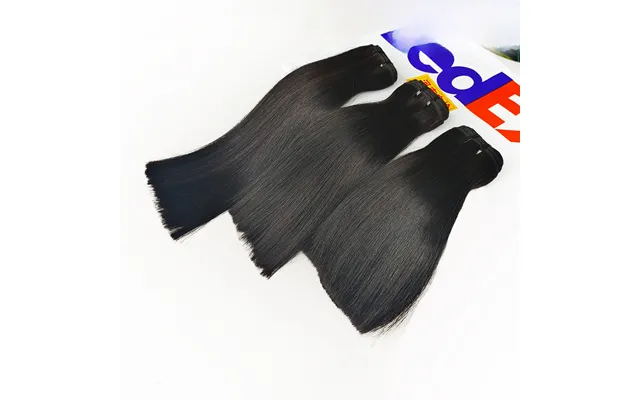
Not all extensions are created equal. The right system depends on your lifestyle, budget, and hair type. Let’s walk through the most popular options so you can decide which fits your daily routine and long-term goals.
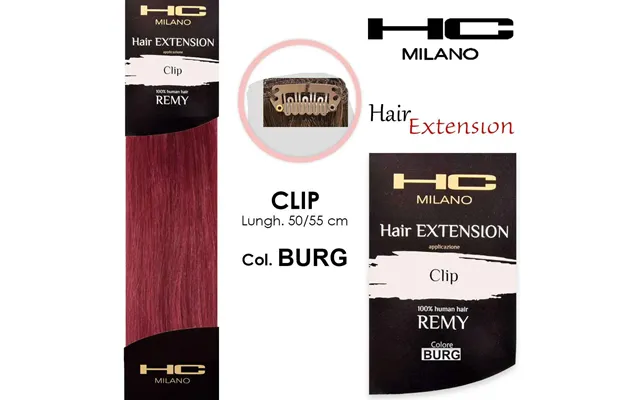
Clip-ins are the easiest and most temporary option—great for beginners. Small wefts with tiny clips attach to your own hair in minutes and remove just as quickly. They’re perfect for special occasions or if you want to test a longer style without commitment.
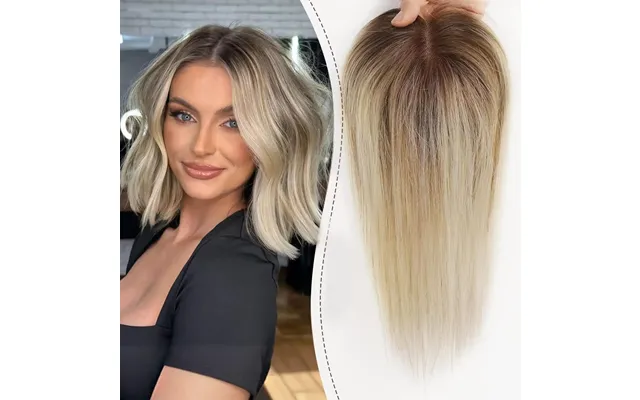
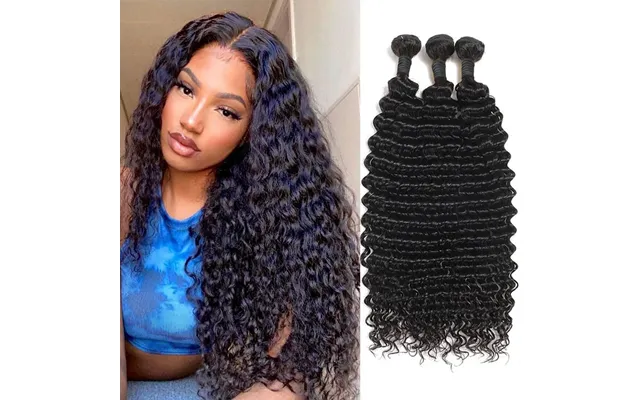
Tape-ins are thin wefts pre-taped with medical-grade adhesive. They lie flat and are almost invisible when applied correctly. They last several weeks with reapplication and are gentler than some bonded methods, making them a popular choice for those who want semi-permanent length.
Sew-in wefts attach to braided tracks on your scalp and are typically used on thicker hair. They’re durable and excellent for dramatic volume boosts. Installation requires a stylist and can last for months if maintained properly, but they can feel heavier than tape-ins or clip-ins.
Micro-ring (or micro-bead) and i-tip extensions use small metal rings to attach individual strands or small bundles to your natural hair. They avoid heat and glue, which is a plus for hair health, and offer a natural movement. They do need periodic repositioning as your hair grows.
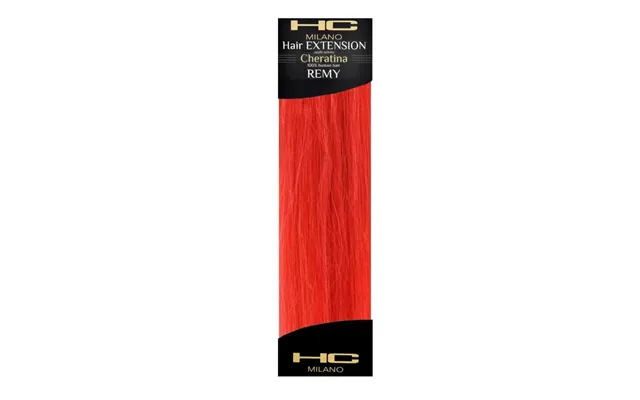
Keratin-bond extensions are fused to your hair using a keratin-based adhesive and a heat tool. They offer incredibly natural results and last several months, but installation and removal should be handled by a professional to protect your hair and scalp.
If you want volume without any clipping, sewing, or bonding, halo extensions are a lightweight, invisible wire system that sits on your head. Wigs are their own category—ideal for total transformation, quick changes, and protective styling.
Choosing between human and synthetic hair is one of the biggest decisions. Human hair mimics natural texture, handles heat styling, and can last a year or more with proper care. Synthetic hair is budget-friendly and keeps style after washing, but it’s heat-sensitive and typically doesn’t last as long. Think of synthetic like a seasonal dress and human hair like an investment coat.
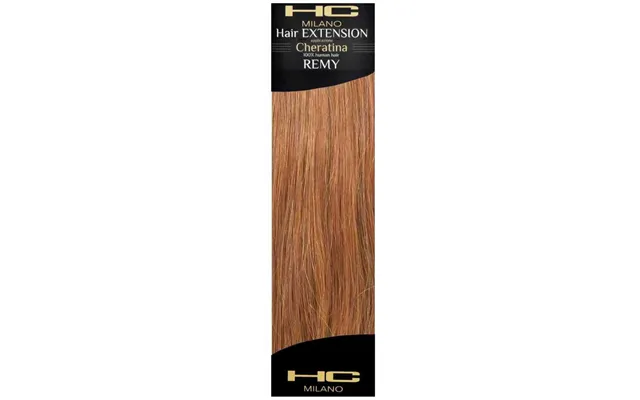
Human hair offers the most realistic look and the widest styling options. You can curl, straighten, and color human hair extensions, though repeated coloring can shorten their lifespan. They’re pricier but give the best return for those who wear extensions frequently.
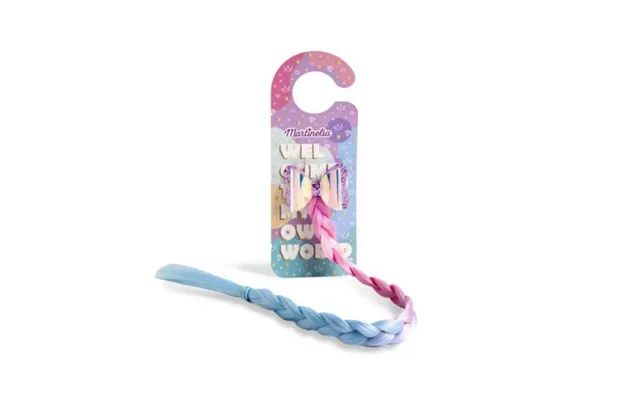
Synthetic hair is cheaper and often pre-styled so it holds shape well. The downside? Limited heat styling, potential tangling, and a shorter life—think a few months with daily wear. They’re ideal for occasional wear or bold, colorful styles you’re not ready to dye into your natural hair.
Picking length and color is more art than science. Consider your face shape, lifestyle, and how much maintenance you’re willing to do. Want instant mermaid hair? Go for 20–24 inches. Want subtle thickness? Try 12–16 inches with lighter density.
Length is usually measured in inches and can change how a style reads: 10–14 inches adds shoulder-length volume, 16–20 inches creates long layers, and 22–24+ inches gives dramatic, flowing length. If you’re unsure, start a bit shorter—you can always go longer later.
Match extensions not just to color but to hair texture—straight with straight, wavy with wavy. If an exact match isn’t available, choose shades slightly lighter rather than darker; highlights blend more naturally than lowlights. Don’t be afraid to mix two shades to create dimension.
Extension prices vary widely depending on type, hair quality, length, and brand. Clip-ins can start at affordable price points for synthetic or lower-grade human hair, while premium human hair wefts and professional installations can reach higher tiers. Think of price like a menu: you pay more for durable, natural-looking ingredients.
For a quick overview: clip-ins (synthetic) are the budget-friendly entry; single-pack human clip-ins sit in the mid-range; tape-ins, micro-rings, and sew-ins are mid to high depending on hair quality and salon labor; keratin-bond installations and premium wefts are the most expensive. Also factor in maintenance costs like salon adjustments and special products.
Longer lengths, higher-grade Remy human hair, bespoke color-matching, professional application, and branded products all add to the cost. Labor is a major part—skip the cheap install options if you want longevity and hair health.
Some methods (clip-ins and halos) are very DIY-friendly; others (keratin bonds, sew-ins) need a pro. If you’re trying tape-ins for the first time, consider a stylist to avoid visible lines or damage. A bad install can undo the benefits of quality hair.
Go DIY for clip-ins, halos, and pre-taped temporary pieces if you’re comfortable styling and blending. You’ll save money and can remove them nightly to take a break. But be precise—uneven placement is the telltale sign of a DIY fail.
Hire a professional for semi-permanent systems and anything involving heat or adhesives. A skilled stylist ensures correct placement, protects your natural hair, and gives advice on maintenance that preserves both your hair and the extensions.
Keeping extensions looking fresh is about routine, not ritual. Regular upkeep keeps them tangle-free and long-lasting. A few small habits make a huge difference.
Use sulfate-free, gentle shampoos and lightweight conditioners. Focus conditioner on the mid-lengths and ends—too much at the roots can loosen bonds or tapes. Wash less frequently to preserve adhesives and natural oils.
Treat extensions like fragile silk—use a heat protectant before any heat styling, and keep temperatures moderate. High heat shortens the lifespan of both human and synthetic fibers. Also, use wide-tooth combs and soft-bristle brushes to reduce pull and breakage.
Braid hair loosely or tie it in a low silk or satin scrunchie before bed. Silk or satin pillowcases reduce friction and help prevent tangles. Avoid sleeping with clip-ins attached to prevent strain on your natural hair.
Even with perfect care, issues can arise—slippage, tangles, or visible tapes. Troubleshooting quickly prevents larger damage and saves money in the long run.
Start brushing from the ends and work up. Use detangling spray for stubborn knots. For severe matting near the base, seek a stylist—attempting to force a fix can cause breakage.
If a tape becomes visible or a bond loosens, don’t yank it out. For tape-ins, you can use a remover solution at home; for bonded or sewn systems, visit a professional to reattach or remove safely.
Investing in the right tools pays dividends. The basics include a high-quality brush, a gentle shampoo, a lightweight conditioner, heat protectant, and a detangling spray. Add tape removers or professional adhesives if you’re using those systems.
A soft paddle brush, a wide-tooth comb, heat protectant spray, sulfate-free shampoo, silicone-free conditioner, and a silk pillowcase or hair bonnet form the essential kit. For semi-permanent systems, keep a professional remover or a stylist’s contact handy.
Before buying, compare product specs, hair grade, length options (in inches), and customer reviews across comparison sites and marketplaces. Look for transparent price lists and “popular offers” that highlight real customer favorites. Comparison tools help you find the best value for your hair type and style goals without having to visit dozens of brand sites.
When scanning price lists, compare price per inch and per-gram where available, check whether tools or adhesives are included, and confirm whether costs listed are for single packs or full sets. Also look for seasonal offers and bundles—sometimes a mid-range bundle with care products is better value than a cheaper standalone set.
Extensions can be a fun and empowering way to change your look. Think about how often you’ll wear them, your tolerance for maintenance, and whether you prefer DIY or professional service. Start with a modest length if you’re unsure, and invest in quality—good hair and good installation will look better and last longer.
Ready to explore? Keep your hair’s health front and center, and you’ll get the most out of your extensions—no matter the type you choose.
Hair extensions open up endless styling possibilities, from instant length to dramatic volume and color without commitment. By understanding the types—clip-ins, tape-ins, sew-ins, micro-rings, keratin bonds, and halos—you can pick the method that fits your lifestyle. Match human vs synthetic options to your budget and styling needs, choose lengths in inches that flatter your face and wardrobe, and prioritize proper installation and maintenance. With the right care and comparison of offers, extensions become a sustainable, confidence-boosting tool rather than a styling risk.

| £ 9,67 |
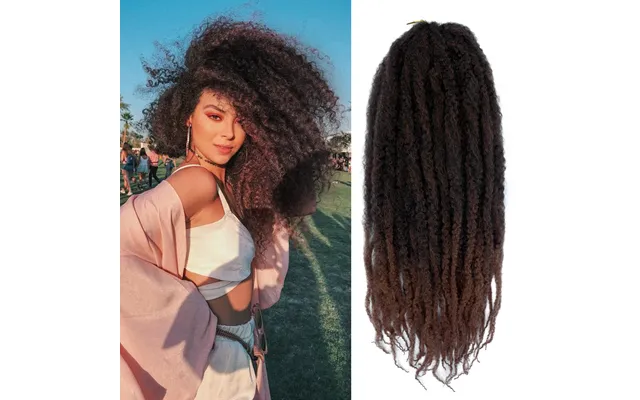
| Synthetic Braiding Hair Ocean 9inch 8packs Wave For Black Women Deep Curly Twist Crochet Braids Water Wavy | £ 17,85 |
| First-gear Braid Hair Curtain Natural Sdd Bone Straight Raw Vietnamese Hair Bundle | £ 20,45 |