












All categories
Business & Offices
Electronics & Media
Fashion & Accessories
Groceries & Essentials
Health & Personal Care
Home & Living
Kids & Family
Sports & Outdoors
Search in ZoneOffer
Loading...
Military uniforms have a timeless appeal that goes beyond strict service use — they signal authority, durability, and utility. Whether you’re looking for authentic pieces for reenactments, a polished dress uniform for ceremonies, or rugged combat-style gear for outdoor adventures, uniforms combine function with style in a way few garments do. In the UK and elsewhere, camouflage patterns, tailored jackets, and tactical trousers have crossed over into civilian wardrobes, and savvy shoppers now hunt discounts and compare offers to get the best value without sacrificing quality.
Not all military uniforms are created equal. Understanding the main categories helps you pick the right piece for your need — and avoid paying for features you don’t want. Below are the core types you’ll encounter when shopping or comparing offers.
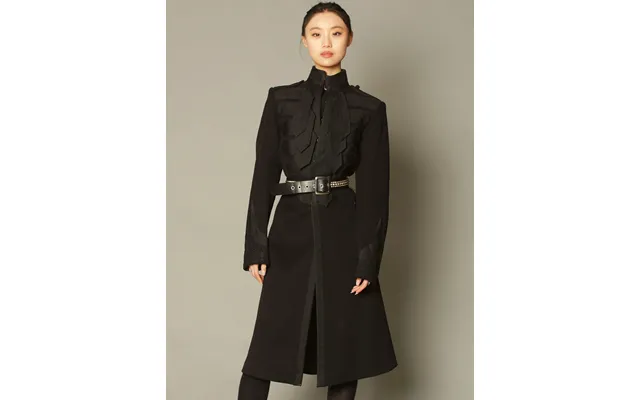
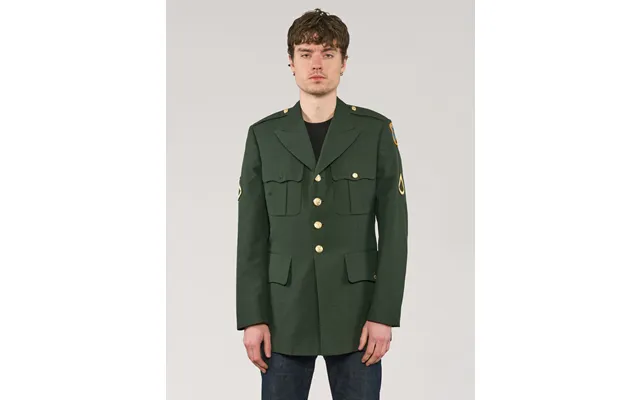
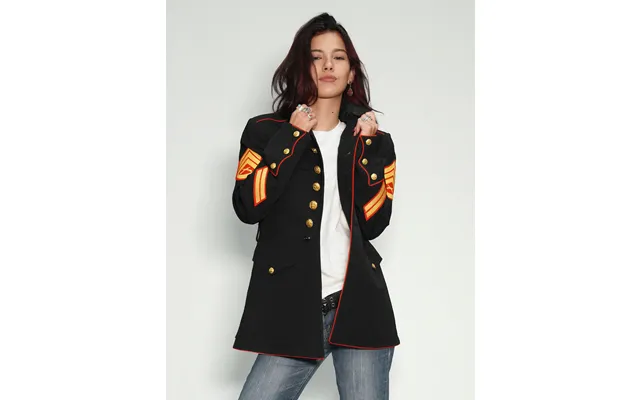
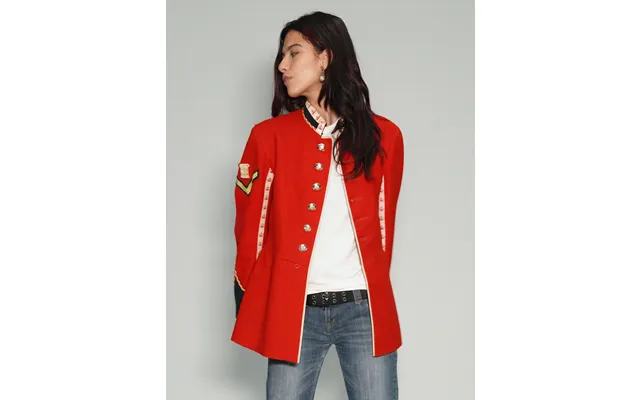
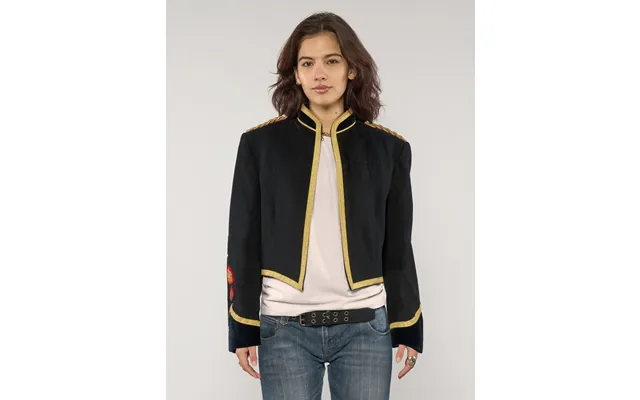
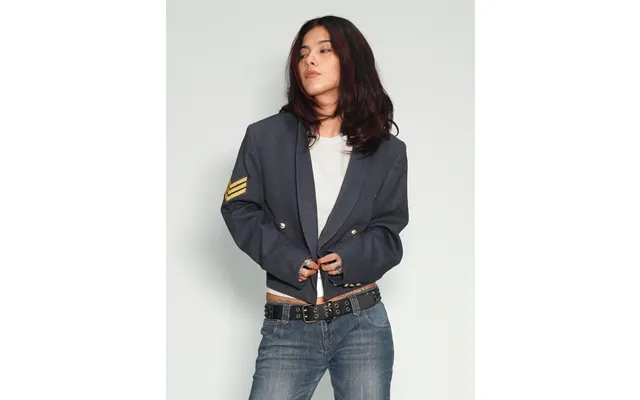
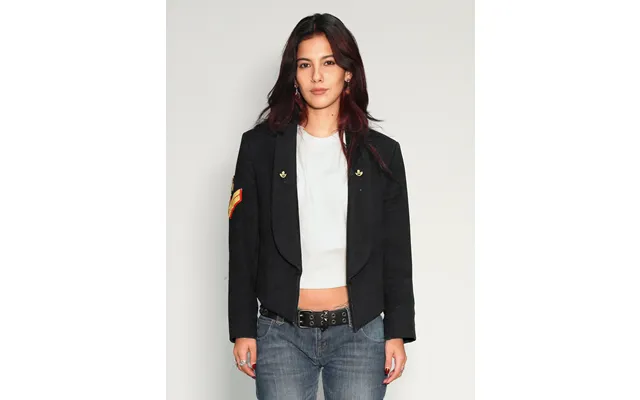
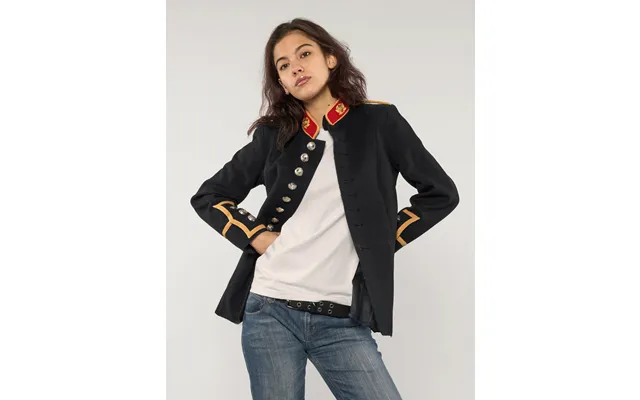
Dress uniforms are the smart, tailored outfits reserved for parades, formal events, and ceremonial duties. They often include blazers or tunics, crisp trousers, polished shoes, and accessories like belts, medals, and shoulder boards. If you need a historical or service-accurate ensemble, look for pieces made from wool blends with precise stitching and period-accurate insignia.
Combat uniforms prioritize camouflage, mobility, and durability. Modern combat shirts, trousers with reinforced knees, and jacket systems use fabrics that resist tearing and dry quickly. Look for ripstop fabrics and reinforced stress points if you want gear that will take a beating on long hikes or in demanding outdoor activities.
Tactical uniforms blur the line between military and workwear. These pieces often include extra pockets, MOLLE webbing, and purpose-built features like button-flap pockets and adjustable cuffs. Tactical shirts and trousers are popular with first responders, security staff, and outdoor enthusiasts who need practical storage and Freedom Of Movement.
When comparing uniforms, focus on features that matter for longevity and comfort. The right combination of fabric, cut, and details will save you money in the long run and keep you comfortable in varied conditions.
Fabric choices range from lightweight poly-cotton blends to heavyweight wool. Poly-cotton blends (often in a 65/35 ratio) are popular for everyday wear because they balance breathability with durability. Ripstop fabrics are ideal for tactical and combat uniforms because the woven reinforcement helps prevent big rips. For dress uniforms, choose wool or wool-blend fabrics that hold a crease and look sharp under inspection.
Fit makes an enormous difference. Military-style cuts can be roomier in the torso and tapered in the leg for mobility. Always check chest, waist, and sleeve measurements in inches — for instance, a jacket with a 42-inch chest and a 26-inch sleeve length will suit different body types than one labeled medium without measurements. If possible, try on items or consult a comparison chart that lists exact measurements.
Camouflage isn’t just about looks — it’s tailored to environment. Woodland patterns favor greens and browns for forested areas, while desert patterns are sand and tan for arid climates. Pine, winter whites, or gray-dominant patterns perform better in colder seasons. Consider where you’ll use the uniform and pick the pattern that offers practical concealment or the aesthetic you want.
A complete uniform system includes more than a jacket and trousers. Accessories not only finish the look but can be functional essentials. Here’s a breakdown of common add-ons and why they matter.
Boots are a cornerstone of any uniform. Combat boots prioritize ankle support, grip soles, and water resistance; look for models with reinforced toe caps and a sole that provides traction on wet surfaces. Dress boots or shoes for formal uniforms prioritize polish and a clean silhouette. When shopping, check shaft height in inches — a typical combat boot might have a shaft height of 8 to 10 inches for ankle stability.
Headgear completes a uniform. Berets and peaked caps are key for ceremonial wear and often require the correct color and insignia placement. Helmets and tactical caps serve protective and practical roles in training and field operations. Measure head circumference in inches for a comfortable fit.
Rank badges, unit patches, and service ribbons personalize a uniform and must follow accurate placement rules for authenticity. Belts — webbing or leather — keep trousers secure and may carry utility pouches. If you’re aiming for an authentic look, research the correct insignia placement and purchase high-quality embroidered patches that won’t fray after a few washes.
Picking the right size is crucial for comfort and appearance, and sizing in military garments often uses specific measurements. Here’s a quick, conversational guide to making sense of size charts and avoiding returns.
Use a soft tape measure and work in inches. Measure chest at the widest point, waist at the navel or where you normally wear your trousers, and inseam from crotch to ankle for trousers. Write down sleeve length from the center back of your neck across shoulder to wrist; a common jacket sleeve length might be 26 to 28 inches depending on height. Compare these numbers to the vendor’s size chart rather than relying on generic labels like small or large.
If you plan to wear insulating layers underneath — thermal shirts or fleece — add an extra 1 to 2 inches to chest and waist measurements for comfort. Field jackets and parkas are usually cut with some extra room, but dress uniforms should fit more closely to present a sharp silhouette.
Proper care keeps uniforms looking crisp and performing well. Follow fabric-specific advice — here are general rules that apply to most military garments and accessories.
Wash poly-cotton blends in warm water and avoid hot cycles that can shrink the fabric; translate hot to roughly 130°F if you’re checking machine settings. Use a gentle detergent for wool-blend dress items and consider professional dry cleaning for tailored jackets. Air-drying helps prevent shrinkage and preserves waterproof coatings. Store uniforms on wide hangers to maintain shoulder shape and keep boots in a cool, dry place with shoe trees if possible.
Small repairs extend the life of tactical gear. Sew on patches with a strong nylon thread, and treat ripped ripstop with a fabric adhesive tape until you can stitch it. Replace Velcro and buttons before they fail to avoid losing function at an inconvenient moment — a torn pocket in the field is more than an inconvenience.
Beyond clothing, certain tactical accessories transform a uniform into a fully functional setup. If you’re into outdoor activities, airsoft, or tactical training, these items are worth considering.
Look for rucksacks with padded shoulder straps, waist belts, and MOLLE-compatible panels to attach pouches. Capacity is often described in liters, but when thinking about load size, consider dimensions and comfortable carrying length relative to torso height — aim for a pack that sits within a few inches above your hips to distribute weight efficiently.
Knee pads protect when you’re kneeling on rough ground, and quality gloves balance dexterity with protection. Choose knee pads with adjustable straps and an ergonomic shape that fits snugly without restricting movement. Finger dexterity matters for gloves; touchscreen-capable tips are handy for modern devices.
Certain brands have reputations for quality in different segments. When comparing offers, brand reputation can indicate durability, fit consistency, and availability of replacement parts or accessories. Here are a few you might see while shopping around.
Brands like 5.11 Tactical and Tru-Spec are well-known for utility-focused garments and consistent sizing, while Propper and Helikon-Tex make a wide range of uniforms and tactical gear with military-grade features. For dress uniforms, specialist tailors and military surplus suppliers often provide authentic pieces that meet ceremonial standards.
It’s tempting to chase the lowest price, but cheap fabric and poor stitching mean replacements sooner rather than later. Use comparison tools to spot clearance items, but prioritize items with strong seams, reinforced stress points, and solid returns on reviews. A mid-range tactical trousers pair with 1-inch reinforced knees and quality YKK zippers can outlast two budget pairs and save money over time.
Finding the best price requires a little homework. Comparison sites let you scan multiple retailers, see price history, and spot discounts without visiting dozens of individual shops. Look for seasonal sales after summer or around national holidays when retailers clear out older patterns and models to make room for new stock.
Buy winter parkas at the end of winter and lightweight combat shirts as the weather cools in autumn for better chances of discounts. Clearance racks and outlet sections often hold last season’s colors and patterns at steep discounts. When you’re comparing offers, check product condition — new, used, or surplus — since surplus gear can be authentic but sometimes shows wear.
Wearing military uniforms as a civilian has legal and ethical dimensions. Rules vary by country and service branch, so it pays to be informed and respectful.
Some items, especially those with logos or authentic insignia, are protected in certain jurisdictions and may be restricted for non-service members. Avoid wearing items that imply formal affiliation or rank that you don’t hold. When in doubt, choose civilian-style tactical wear or remove service-specific insignia to avoid misunderstandings.
Uniforms carry meaning. Wearing ceremonial pieces or medals in casual settings can be seen as disrespectful, so stick to functional or fashion-forward interpretations of military style for everyday use. For reenactments and historical events, accurate representation matters — consult veteran groups or historical societies for advice on correct attire.
Before you click buy, run through this quick checklist to make sure you’re getting the right uniform and accessory combination without surprises.
Measure yourself in inches and compare to the seller’s size chart, verify fabric type, check for reinforced areas (knees, elbows), confirm pattern and color match your intended use, read recent reviews for sizing consistency, and compare prices across retailers using a comparison site to spot the best deal. Also, look for spare parts like extra buttons or hook-and-loop replacements that can extend the life of your uniform.
Whether you want a historically accurate piece or a modern tactical outfit, balancing authenticity with practical updates gives you the best of both worlds. Consider removable patches, modern moisture-wicking base layers under traditional jackets, and pairing authentic trousers with upgraded, comfortable boots. That way you honor the look while staying comfortable and functional in real life.
Military uniforms are more than clothing — they’re tools that communicate, protect, and serve practical functions. With the right knowledge about fabric, fit, features, and where to compare offers, you can find a uniform that looks great, performs well, and represents excellent value. Take measurements in inches, prioritize durable materials, and use comparison platforms to spot discounts so you can invest wisely in pieces that will last for years.
Conclusion: Buying a military uniform is part detective work, part style choice, and part practical planning. By measuring carefully, understanding the differences between dress, combat, and tactical gear, and comparing offers across retailers and comparison sites, you can secure a uniform that meets your needs without overspending. Treat your uniform with proper care, and it will repay you with years of service-worthy performance.
| Military Uniforms | Price | |
|---|---|---|
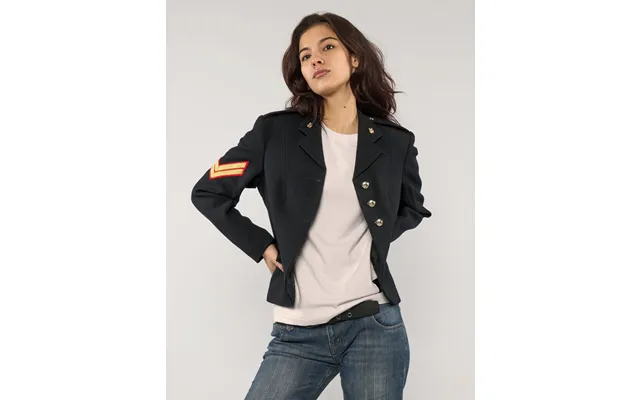
| Us Army Tunic | £ 198,- | |
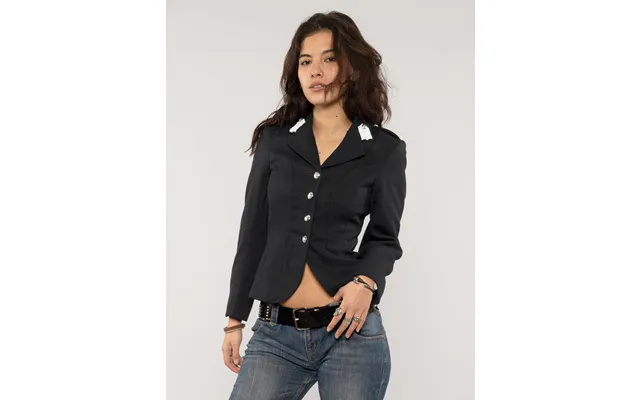
| Woman's Sandhurst Academy Uniform | £ 198,- | |
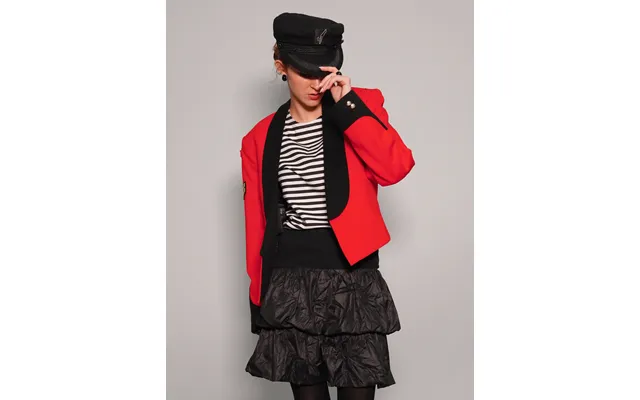
| Vintage Royal Lancs Sergeant Mess Dress Jacket | £ 228,- | |
| No5 Mess Dress Uniform Jacket | £ 228,- | |
| Raf Mess Dress Uniform Jacket | £ 248,- | |
| Us Marine Staff Sergeant Dress Tunic | £ 328,- | |
| Welsh Line Infantry Guards Tunic | £ 398,- | |
| Royal Marine Band Dress Tunic | £ 398,- | |
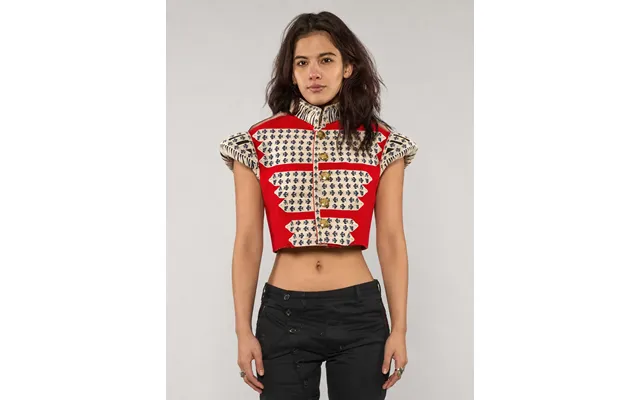
| Cropped Scots Guards Drummers Band Tunic | £ 448,- | |
| Womens Raf Ceremonial Mess Dress Jacket | £ 448,- |


