



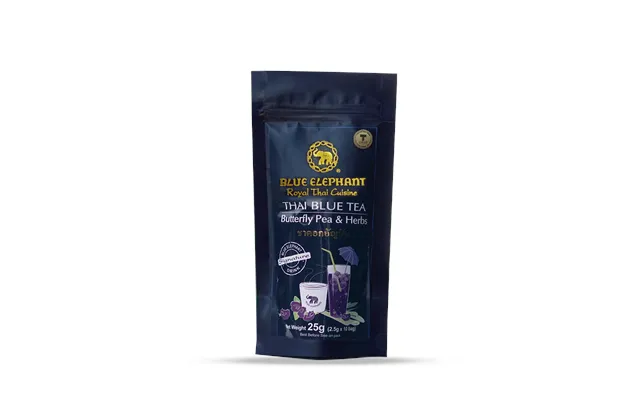

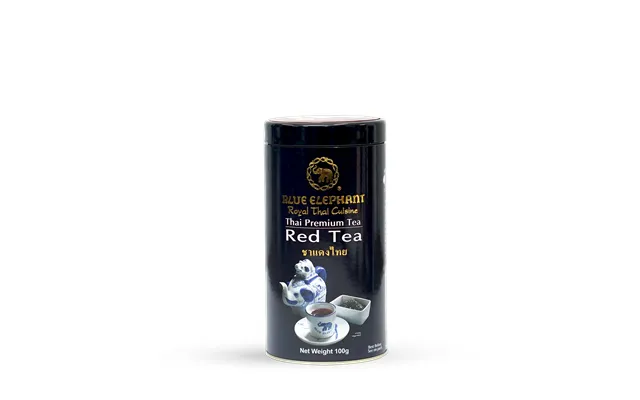
Blue Elephant price list
Last updated Saturday, 26 Sept 2026




| Store | Status | today | distance |
|---|
Loading...
Loading...
Last updated Saturday, 26 Sept 2026
Have you ever stumbled into a shop and felt instantly at home? That’s the kind of feeling that sparked the creation of Blue Elephant. Born in the late 1990s when independent retail still thrived on personality and a strong front window, Blue Elephant started as a small boutique in a bustling UK town. The founder wanted a place that blended colour, craft and comfort — a store where objects told stories and shopping felt like discovery, not a checklist. From day one, the shop aimed to be different: warm lighting, hand-picked items, and a slow, considered approach to buying and selling.
In its first few years, Blue Elephant grew by word of mouth. Local customers came for the quirky gift ideas and stayed for the friendly chat and helpful styling tips. That community-first model paid off. Blue Elephant began hosting small events — craft evenings, maker meet-ups and seasonal showcases — which expanded its reputation as more than a shop: a hub for creative locals. This was important at a time when big chains were starting to scale up fast. Customers loved the personality and the sense that every piece had been chosen with care.
Long before sustainability was a mainstream retail buzzword, Blue Elephant focused on mindful sourcing. The store leaned into supplying products made by small artisans, ethical suppliers and sustainable manufacturers. Think reclaimed wood furniture, organic textiles and ceramics made by potters with a story to tell. That emphasis placed Blue Elephant ahead of many competitors in terms of values, appealing to shoppers who wanted to buy with purpose.
Success bred expansion. Over the 2000s and 2010s, Blue Elephant opened a few more locations across the UK. Rather than becoming a faceless chain, each new store maintained the original boutique’s character. Interiors were tailored to local tastes, and product ranges adjusted by region — coastal shops carried more seaside-themed goods, while city locations stocked compact furniture and urban-focused accessories. That adaptability kept the brand relevant and allowed it to balance growth with personality.
Like most retailers, Blue Elephant had to make a leap into online retail. The transition wasn’t instant — the team worried the web might strip away the tactile, sensory experience people loved. But they found a middle path: an online store designed like a digital boutique. Product pages featured long-form storytelling, maker profiles and lifestyle photos that echoed in-store displays. Click-and-collect and local delivery options kept a personal touch. This approach helped Blue Elephant weather shifts in shopping habits and reach customers beyond walking distance.
What’s actually inside a Blue Elephant store? The range is wide but coherent: handmade homeware, artisanal tableware, natural fibre linens, unique lighting, statement prints, and a curated selection of fashion accessories. The aesthetic is layered: modern-meets-vintage, with a love for texture and colour. It’s the sort of shop where a hand-thrown mug sits next to a bold cushion cover, and a reclaimed-wood console pairs with a contemporary mirror. The effect is approachable but thoughtfully styled.
One thing Blue Elephant does well is limited-edition drops. Collaborations with local makers and designers create a sense of urgency and exclusivity. These capsules often highlight traditional skills — weaving, block printing, screen printing — presented in modern forms. Customers don’t just buy an item; they invest in craft. That emotional layer is a big part of why the store maintains loyal patrons.
Blue Elephant kept brick-and-mortar relevant by leaning into experiences. Workshops teach practical skills: pottery, macramé, and natural dyeing. Pop-up markets feature emerging makers. Monthly talks dig into topics like sustainable fashion or conscious living. These events transform the store into a social space where people meet, learn and come back. It’s a simple formula, but it works. Retail isn’t just about transactions — it’s about relationships.
Another hallmark is service. Staff are trained to personalise recommendations, not push sales. They know regulars by name, remember children’s birthdays, and help choose gifts without making the shopper feel rushed. It’s a small touch that matters. For many, Blue Elephant is where you go when you need a thoughtful present or a piece that changes the tone of a room.
Where does Blue Elephant sit among Britain’s retail landscape? It occupies a sweet spot between big lifestyle chains and hyper-niche artisan stores. The price point is mid to premium — more than mass-market stores, but often cheaper than gallery-level pieces. Stylists and shoppers appreciate its mix of practical items and distinctive statements. This positioning lets Blue Elephant serve a broad audience: young professionals curating their first homes, seasoned decorators looking for a signature piece, and gift-seekers wanting something different.
The store’s values — craft, sustainability, and community — aren’t just marketing copy. They run through buying choices and event programming. People vote with their wallets, and many choose Blue Elephant repeatedly because the brand feels aligned with their values. That emotional alignment creates customer loyalty that isn’t easily shaken by lower prices elsewhere.
Let’s be blunt: the UK has a crowded lifestyle market. How does Blue Elephant stack up against familiar names like Anthropologie, Oliver Bonas, Cath Kidston, Rockett St George and independent maker hubs? Each of these stores has its niche and strengths. Comparing them helps highlight Blue Elephant’s unique mix of character and practicality.
Anthropologie is known for a bohemian, maximalist aesthetic and a wide international product mix. It’s big on dramatic visuals and often leans into fashion as much as homeware. Blue Elephant is smaller scale and more connected to local makers. If Anthropologie is a theatrical stage production, Blue Elephant is an intimate play — less spectacle, more story. Customers who prefer locally-sourced craft and quieter curation often choose Blue Elephant over Anthropologie’s louder approach.
Oliver Bonas operates as a design-led high street chain, with a strong focus on affordable design and gift items. It’s polished and consistent across locations. Blue Elephant shares some design sensibilities but trades consistency for individuality. Where Oliver Bonas offers predictability, Blue Elephant offers surprise: each store can carry its own flavour and host different local collaborations. Shoppers who value unique finds over a repeatable catalogue will lean toward Blue Elephant.
Cath Kidston is synonymous with vintage florals and nostalgic prints, often aimed at shoppers who love bold patterns and British charm. Blue Elephant is less about brand signature prints and more about eclectic mix-and-match styling. If Cath Kidston is a well-loved wallpaper motif, Blue Elephant is a gallery wall of found objects. Both appeal to an audience that values personality, but their visual languages differ.
Rockett St George targets the statement furniture and quirky home accessory market. It’s theatrical and sometimes outrageous. Blue Elephant is more restrained. It offers statement pieces, yes, but usually with an underpinning of utility and craft. Where Rockett goes big, Blue Elephant keeps a foot in everyday life. Customers who want boldness with balance often pick Blue Elephant.
Across the UK, local maker markets and independent hubs focus tightly on craft and one-off pieces. Blue Elephant blends that maker spirit with retail longevity: it offers curated permanence compared to the temporary nature of markets. If you love supporting makers directly, you might buy from a market on impulse. Blue Elephant, however, gives you a reliable place to discover makers repeatedly, with product testing, return policies and a consistent shopping experience.
Blue Elephant’s strengths are clear: strong curation, local maker relationships, a human in-store experience and a values-driven brand. But the path isn’t without bumps. Sourcing handmade goods at scale is tricky. Margins can be tight when prioritising ethical supply chains. Online competition is fierce, and big chains can undercut on price. Then there’s footfall shifts — fewer shoppers visiting high streets post-pandemic, and the ongoing pressure of rising costs.
The store combats these challenges through adaptability. It diversifies income with workshops and private shopping events. It tightens supplier relationships to manage costs while retaining quality. And it experiments with hybrid retail — pop-ups in unexpected places, collaborations with cafes and local theatres, and curated subscription boxes that bring the boutique into people’s homes regularly. These moves turn volatility into opportunity.
Customer feedback often highlights the same themes: unique products, helpful staff, and a welcoming atmosphere. People mention finding that “one thing” that ties a room together, or receiving a memorable gift sourced from a friendly shopperson. Critics sometimes point to higher prices, but many customers accept that a premium roughly equals better quality and ethical sourcing. For most shoppers who choose Blue Elephant, the experience itself is part of the value.
On social channels and review platforms, Blue Elephant’s storytelling is a strength. Product pages that include maker bios, photo essays and care tips resonate. Shoppers like the sense that they’re buying into a narrative rather than a commodity. That storytelling also helps with SEO — which is crucial in a crowded online marketplace.
Looking ahead, Blue Elephant is likely to keep focusing on what made it succeed: authentic curation, strong community ties, and a commitment to craft. To stay competitive it will probably increase digital storytelling, expand thoughtfully into new regions, and deepen bespoke collaborations. It might explore new formats too — smaller city concept stores, or mobile units that bring the boutique to festivals and markets. The goal will remain the same: help people make their homes feel like stories rather than showrooms.
Growth will always carry the danger of losing personality. But if Blue Elephant keeps local teams empowered, keeps sourcing decisions close to the founder’s original vision, and keeps events central to the brand, it can scale without becoming generic. It’s a balancing act — like walking a tightrope with a paintbrush in your hand — but one that many customers hope the brand will master.
Blue Elephant’s history is a reminder that small, deliberate choices can build a big presence. It’s not the biggest name on the high street, but it’s one of the most trusted for people who want beautiful things that mean something. The shop is proof that retail can still be personal, soulful and sustainable — if you bake that into the business plan and don’t let it slip away.