











Magazines Direct price list
Last updated Monday, 19 Oct 2026
| Magazines Direct | Price |
|---|---|
| Tv & Streaming Week | £1.00 |
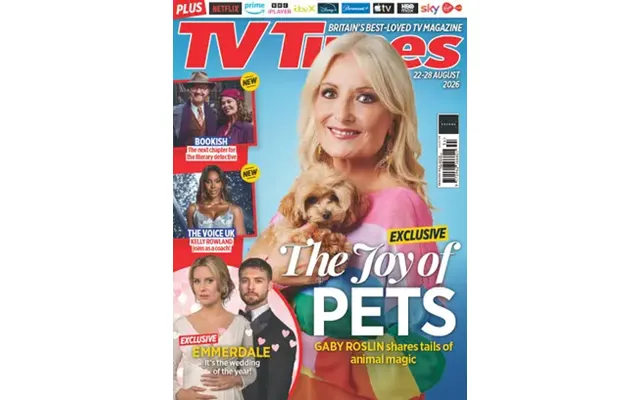
| Tv Times | £1.00 |
| Woman's Weekly | £1.00 |
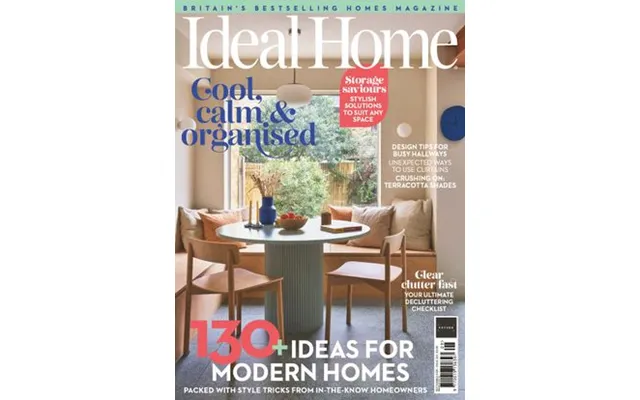
| Ideal Home | £6.00 |
| Ideal Home | £6.00 |
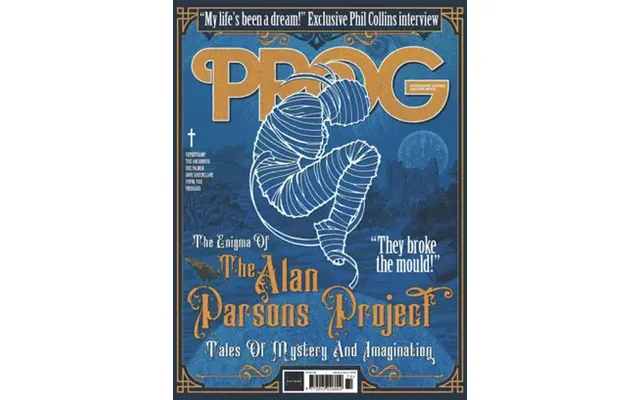
| Prog | £9.99 |
| Guitarist | £9.99 |
| Digital Camera | £9.99 |





| Store | Status | today | distance |
|---|
Loading...
Loading...
Last updated Monday, 19 Oct 2026
| Magazines Direct | Price |
|---|---|
| Tv & Streaming Week | £1.00 |
| Tv Times | £1.00 |
| Woman's Weekly | £1.00 |
| Ideal Home | £6.00 |
| Ideal Home | £6.00 |
| Prog | £9.99 |
| Guitarist | £9.99 |
| Digital Camera | £9.99 |
Magazines Direct is one of the best-known online magazine stores serving readers in the United Kingdom. The website allows customers to buy print magazine subscriptions, gift subscriptions and, in some cases, single issues. Its catalogue covers many interests, including cars, food, gardening, sport, photography, fashion, entertainment, technology and children’s titles.
At first glance, Magazines Direct may look like a simple online shop. In reality, it reflects a much bigger change in the publishing industry. The store grew as readers moved from buying magazines at newsagents to ordering subscriptions online. That shift changed how publishers found customers, handled renewals and built long-term relationships with readers.
Magazines Direct is closely associated with Bauer Media, one of the major publishing groups operating in the UK. Bauer publishes or has published a wide range of well-known magazines. The store gives many of those titles a central online home, while also making selected publications from other publishers available to shoppers.
Why does that matter? A magazine subscription is more than a single purchase. It can become a regular habit. A reader may receive a title every month, every week or at another set interval. Magazines Direct sits at the point where publishing, retail and customer service meet.
To understand the history of Magazines Direct, it helps to look at the traditional magazine market first. For much of the twentieth century, British readers bought magazines from newsagents, supermarkets, station kiosks and specialist shops. Customers usually chose a copy from a shelf, paid for it and moved on.
This model worked well for casual readers. It also gave publishers a strong presence in local communities. A customer could visit the same shop each week and pick up a favourite title. However, the system had limits. A shop could run out of copies, readers in rural areas might have less choice and publishers could not always build a direct relationship with every buyer.
Subscriptions offered a different route. Instead of purchasing one issue at a time, readers paid in advance or arranged recurring payments. The publisher then sent each issue directly to the customer. This approach created more predictable sales and helped publishers plan print runs.
For readers, subscriptions often included a lower price, delivery to the home and occasional gifts or special offers. The process was once handled through paper forms, telephone orders and postal payments. Later, websites made subscriptions easier to search, compare and purchase.
Online shopping changed the magazine business in several stages. In the early days of internet retail, publishers began adding basic subscription pages to their websites. These pages allowed readers to enter an address and payment details without posting a form.
As online payments became more trusted, magazine subscription stores became more sophisticated. Customers could browse large catalogues, see prices, select delivery options and manage renewals from one account. Search engines also made it easier for shoppers to discover titles they had never seen in a local shop.
Magazines Direct developed within this broader movement towards digital retail. Rather than depending only on newsagents or supermarket shelves, publishers could present a complete selection online. The website could promote seasonal deals, gift subscriptions and special subscription packages throughout the year.
This was particularly useful at Christmas. A magazine subscription makes a practical gift because it lasts beyond the day it is opened. Instead of buying one object, the customer gives the recipient a regular delivery for several months. Magazines Direct became part of this gift-buying market, with offers aimed at birthdays, Christmas and other occasions.
The most visible change was convenience. A reader no longer needed to find a subscription card inside a magazine or remember to mail it. They could visit Magazines Direct at any time, search by interest and complete an order in a few minutes.
That convenience also helped publishers collect useful information about customer preferences. With appropriate privacy controls, online retailers can understand which categories attract attention and which offers lead to purchases. This information supports marketing and helps publishers respond to changing reader habits.
Magazines Direct is strongly linked with Bauer Media UK. Bauer has played a major role in the British magazine industry for decades and has been connected with popular titles across entertainment, lifestyle, motoring and specialist publishing.
The exact range of magazines available through Magazines Direct can change over time. Publishing groups launch new titles, close older ones, sell brands, change ownership and alter their distribution arrangements. For that reason, it is more accurate to view Magazines Direct as a changing subscription platform rather than a fixed list of permanent magazines.
The Bauer connection gives the store an important advantage: it can promote established brands to a large audience. A reader who arrives to subscribe to one title may discover related magazines in the same category. Someone interested in classic cars might also find motoring, restoration or performance titles. A food reader may see cooking, baking and lifestyle options.
This cross-promotion is one of the strengths of a publisher-backed store. It creates a familiar path from one magazine to another. The customer does not have to visit several unrelated websites to explore the wider catalogue.
A publisher-owned subscription shop can control much of the customer journey. It can present the magazine brand in a consistent way, explain the benefits of subscribing and provide support for delivery or payment questions.
There is a possible trade-off, however. A publisher-backed store may give more attention to its own titles. An independent marketplace may offer a broader selection across competing publishers. The best choice depends on what the reader values most: brand familiarity, catalogue size, price, format or ease of account management.
Magazines Direct has developed from a basic subscription channel into a more recognisable online retail brand. Its growth mirrors changes in how people shop. Customers now expect clear product pages, mobile-friendly browsing, secure payment, delivery information and simple contact options.
The website’s appeal comes from its straightforward purpose. It is designed for readers who want a magazine delivered regularly rather than for customers searching for every type of product. That focus can make the shopping experience less distracting than a large general marketplace.
Special offers have also played an important role. Magazine subscriptions are often promoted through introductory discounts, reduced rates, gift items or limited-time campaigns. These offers can make a subscription look more attractive than buying individual copies from a shop.
Still, customers should read the terms before placing an order. An introductory price may apply only to the first period. Some subscriptions continue automatically until cancelled, while others end after a fixed term. Delivery schedules can vary, and the first issue may arrive later than expected if the order is placed near a publication date.
Online shoppers have become more demanding. They want to know exactly what they are buying, when delivery will begin and how renewal works. A magazine retailer must now do more than display a cover image and a price.
Magazines Direct competes in an environment where clarity matters. Customers compare prices across websites within seconds. They may check whether a subscription is print-only, digital-only or a combined package. They may also ask whether a gift subscription renews automatically or stops at the end of the chosen period.
The rise of smartphones, tablets and social media has not removed the appeal of printed magazines. Instead, it has changed the reasons people buy them. A printed issue offers a break from screens. It can be read on a train, left on a coffee table or kept as a reference.
Many specialist magazines provide depth that is difficult to find in short online posts. A serious gardening feature, a detailed car review or a long interview can offer a calmer reading experience. The design also matters. Photography, paper quality, layout and cover presentation give print a physical identity.
Digital publishing has created pressure on traditional magazine sales, though. Readers can find free news, videos and social media content online. Publishers must therefore offer strong writing, useful information and distinctive viewpoints. A subscription needs to feel worthwhile, not merely convenient.
Magazines Direct benefits from this continuing interest in print. It helps publishers reach readers who may not regularly visit a newsagent. It also supports the idea that a magazine can be a planned purchase, rather than an impulse buy made beside a supermarket till.
Pocketmags is one of the strongest alternatives for readers who prefer digital magazines. Its platform focuses heavily on digital editions that can be read on computers, tablets and mobile devices. This makes it suitable for customers who travel often, want instant access or prefer not to store physical copies.
Magazines Direct has a stronger association with print subscriptions. A customer choosing it will usually be looking for a physical magazine delivered to a UK address. Pocketmags, by contrast, appeals to readers who want convenience without postal delivery.
Price comparisons are not always simple. A digital issue may cost less than a printed issue because there are no printing or postage costs. However, the value depends on the customer. Some readers want a magazine immediately, while others prefer the feeling of receiving a physical copy through the letterbox.
Pocketmags may also be attractive to international readers. Digital delivery avoids many postal restrictions and waiting times. Magazines Direct is often the more natural choice for UK residents who want print delivery and established subscription arrangements.
Readly uses an all-you-can-read subscription model. Customers pay a recurring fee for access to a large digital library. This approach suits people who read several magazines and enjoy browsing different subjects.
The difference is easy to understand. Magazines Direct generally sells a subscription to a particular title. Readly sells access to a broad collection. One is like ordering a regular meal from a favourite restaurant; the other is closer to having a buffet of digital choices.
Readly can offer excellent value for heavy readers. A customer who reads many issues each month may find one digital membership more economical than buying separate subscriptions. It also provides variety. A reader can move from news and sport to cooking, photography or hobbies without placing a new order.
Magazines Direct may suit readers who are loyal to one title, want print delivery or prefer to own access to a defined subscription rather than use a broad digital library. It also works well as a gift, especially when the recipient enjoys a particular magazine.
WHSmith remains a familiar name on the UK high street and online. Its shops sell newspapers, magazines, books, stationery and travel products. Customers can buy individual magazine issues from many WHSmith branches, while the online store may also offer subscription services and magazine-related products.
The main advantage of WHSmith is choice across different product categories and the ability to browse physical shelves in many locations. A reader can buy the latest issue immediately without waiting for a subscription to begin.
Magazines Direct offers a more focused subscription experience. It is designed for customers who already know they want regular delivery. The store may provide targeted offers and a simpler route to subscribing to participating titles.
WHSmith is therefore a strong choice for occasional buyers and readers who like to inspect the cover before purchasing. Magazines Direct is better suited to regular readers who want to avoid repeated shop visits and receive issues at home.
Magazine.co.uk is another important UK subscription retailer. It offers magazines from a wide range of publishers and is known for its broad catalogue, subscription deals and gift options. Because it operates as a multi-publisher marketplace, it can appeal to customers who want to compare many titles in one place.
Magazines Direct may have a closer connection to Bauer titles and publisher-led promotions. Magazine.co.uk may provide a wider cross-section of the market. This distinction is useful when a customer already knows the exact magazine they want but is trying to find the best price or delivery terms.
Both stores can be suitable for gifts. Customers should compare the total cost, subscription length, delivery details and renewal conditions instead of looking only at the headline discount. A large first-year saving may not tell the whole story if the subscription renews at a higher rate.
Magazines Direct stands out through its connection with major magazine brands and its focus on regular print delivery. It is not trying to be a general online department store. Its purpose is narrower, and that can be helpful.
The store also benefits from the emotional appeal of magazine subscriptions. A magazine can become part of a weekly or monthly routine. The arrival of a new issue creates a small moment of anticipation. In a busy digital world, that ritual still has value.
Its weaknesses are much like those faced by other print subscription providers. Delivery can be affected by postal delays. Titles may change frequency or cease publication. Introductory offers can create confusion if renewal terms are not read carefully. Customers who prefer instant digital access may also find a print subscription less flexible.
The smartest approach is to match the store with your reading habits. Do you want one specialist title delivered to your door? Magazines Direct may be a good fit. Do you want dozens of digital magazines on a tablet? Readly or Pocketmags may be more suitable. Do you want to pick up one issue today? WHSmith could be the better option.
First, decide whether you want print, digital or both. Print offers a physical reading experience, while digital editions are portable and often available quickly. Some readers enjoy having both, especially when they want a printed copy at home and digital access while travelling.
Always check whether the subscription renews automatically. Look for the renewal price, payment schedule and cancellation process. These details are not exciting, but they prevent unpleasant surprises later.
Compare the complete subscription period rather than just the opening offer. Include delivery charges where relevant. A lower monthly figure may apply to a longer commitment, while a gift subscription may have a fixed end date.
If you choose print, consider when the first issue should arrive. Magazine schedules vary, and the first delivery may not be immediate. If timing matters, contact customer support before ordering.
The future of magazine retail will probably combine print and digital services rather than choose one format completely. Some readers will continue to value paper, while others will want quick access on a phone or tablet. Publishers and retailers must serve both groups.
Personalisation may become more important. Websites can recommend titles based on interests, previous purchases and browsing behaviour. Subscription services may also offer more flexible choices, such as shorter terms, combined print and digital access or easier pauses during holidays.
Environmental concerns will influence the market too. Publishers may look for more efficient paper use, responsible sourcing and better packaging. Customers increasingly want to know how products are made and delivered. Magazine companies that communicate clearly about these issues may build stronger trust.
Magazines Direct has a solid role in this changing market because it connects well-known titles with readers who still enjoy regular print delivery. Its history is part of a wider story: the movement from newsagent counters and postal forms to searchable online shops, automatic payments and multi-channel publishing.
Magazines Direct remains a useful choice for UK readers who want dependable access to a favourite printed title. Its publisher connections, subscription focus and gift potential give it a clear place beside digital platforms, high-street retailers and independent subscription websites. The best store depends on the individual reader, but the basic appeal is timeless: a good magazine arrives, opens a door to a subject you enjoy and gives you time to read.