

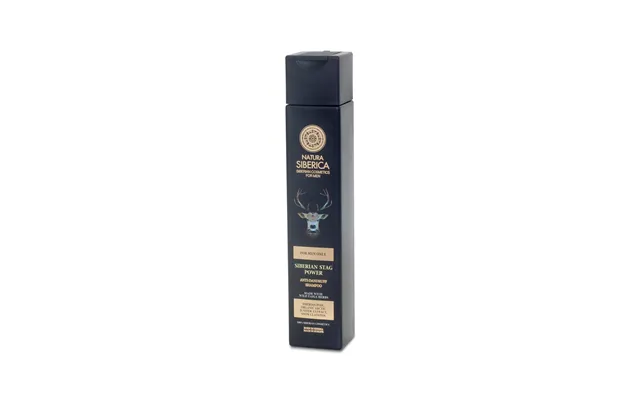
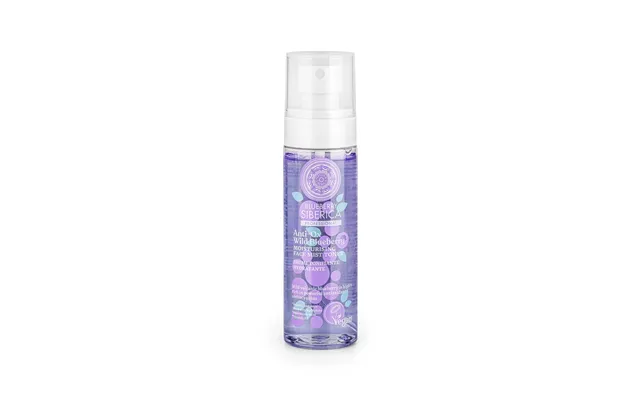
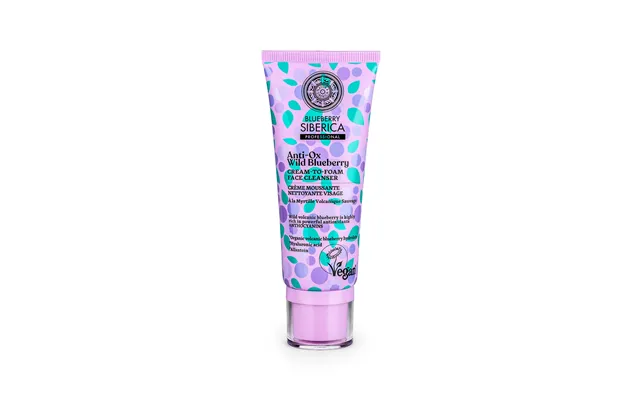
Natura Siberica price list
Last updated Friday, 18 Sept 2026






| Store | Status | today | distance |
|---|
Loading...
Loading...
Last updated Friday, 18 Sept 2026
Natura Siberica began as a small but fierce idea: harness the wild plants of Siberia to make honest cosmetics. Founded in the early 2000s in Russia, the brand grew quickly by promoting organic ingredients, pure extracts, and a back-to-nature image. It wasn't just about pretty packaging; it was about a story—ancient herbs, tundra botanicals, and traditional recipes revived for modern skin and hair care.
The UK arrival was a careful, step-by-step push. Natura Siberica first reached British consumers through online shops and niche retailers that targeted natural-product lovers. Then it expanded into larger health-food chains and beauty stores. The brand used social media, bloggers, and in-store demos to introduce British shoppers to its unique selling point: botanical ingredients harvested from remote regions with minimal processing.
In the UK, Natura Siberica positions itself as a mid-market, natural cosmetics brand. It’s not cheap, but it’s not as pricey as luxury organic labels either. The message focuses on wild-sourced ingredients, ethical sourcing, and visible results. That mix appealed to shoppers who want cleaner products without paying a premium price. It also attracted people curious about exotic plants and traditional Russian remedies.
Natura Siberica’s range covers skin care, body care, hair care, and some cosmetic ranges. You'll find herbal shampoos, rich face creams, body scrubs, and even bath salts. Signature lines—like those based on rhodiola, sea buckthorn, and wild angelica—stand out. The formulas often include wild-harvested berries, Arctic herbs, and peat extracts. They are marketed as high in active natural compounds that support skin health.
Popular collections in the UK include anti-ageing serums, detox hair masks, and nourishing body butters. Seasonal launches and limited editions keep the lineup fresh. Many products appeal to those who prefer visible textures and natural scents over heavy synthetic fragrances.
Natura Siberica mixes online sales with brick-and-mortar retail. You can buy it on the brand’s UK website, Amazon, and through several health and beauty stores. Offline, it’s present in independent boutiques, some branches of major retailers, and in health-food chains. This hybrid approach widened reach and made it easier for consumers to try before they commit.
In stores, Natura Siberica aims for an immersive feel. Displays often highlight wild landscapes and raw ingredients. Staff samplings and tester stations help shoppers smell and feel textures. That tactile experience matters for natural beauty brands—people want to know what the product feels like on their skin.
Sustainability is central to Natura Siberica’s story. The brand emphasizes wild-harvested sourcing, certified organic farms, and respect for traditional communities. Packaging claims and certifications vary by product, but the overall narrative pushes eco-friendliness. For many UK shoppers, that’s a big draw—especially for those who already choose eco-conscious alternatives.
Natura Siberica has a mix of certifications depending on the product line and region. Some items carry organic certification, while others highlight cruelty-free testing and ethical sourcing. The complexity of these claims means savvy shoppers often read labels carefully—because not every product has the same level of certification.
The brand’s UK marketing blends storytelling with demonstrable benefits. Social media posts show rugged Siberian landscapes, while product pages focus on ingredient benefits. Influencer partnerships and PR campaigns boost visibility. This two-pronged approach helps the brand appear both exotic and trustworthy.
Natura Siberica fosters a sense of community by educating consumers about botanicals. Blog posts, how-to guides, and ingredient spotlights are common. Education builds trust—especially in a market where “natural” can mean many things.
Boots is a dominant high-street pharmacy and beauty retailer in the UK. Compared to Boots’ private-label and big-brand offerings, Natura Siberica brings an artisanal, botanical angle. Boots generally focuses on mass-market lines and high-turnover products. Natura Siberica, in contrast, is positioned as a more niche natural player that offers distinctive ingredients and heritage storytelling.
Boots often competes on price and convenience. Natura Siberica sits slightly above mass-market pricing and emphasizes ingredient stories. Where Boots displays products in large, bright aisles, Natura Siberica often seeks calmer corners or specialty sections to tell its story.
Holland & Barrett is a health-food chain with a strong natural focus. It’s a closer match for Natura Siberica than Boots. Both target health-conscious shoppers, but Holland & Barrett offers a broader range of supplements and wellness products alongside natural cosmetics. Natura Siberica stands out within Holland & Barrett for its Russian botanical heritage and visual identity.
Customers who shop at Holland & Barrett often value clean ingredients and sustainability, so they’re likely to consider Natura Siberica. The advantage for Natura Siberica is that its product storytelling aligns with Holland & Barrett’s audience—making the fit natural.
The Body Shop is a well-known ethical beauty brand that built its reputation on fair trade and activism. Natura Siberica and The Body Shop share ethical commitments, but their origins and ingredient focus differ. The Body Shop emphasizes community trade and global sourcing, while Natura Siberica stresses wild-harvested Siberian botanicals and traditional remedies.
The Body Shop has a strong activist voice and widely recognized brand values. Natura Siberica leans more into exotic heritage and botanical potency. For shoppers, the difference is like choosing between a well-known activist brand and a boutique herbalist offering from the tundra.
Lush is famous for fresh handmade cosmetics, bold scents, and theatrical stores. Compared to Lush, Natura Siberica is less theatrical and more ingredient-driven. Lush appeals to customers who want immediate sensory impact—bright colors, strong scents, and instant Instagram-worthy visuals. Natura Siberica appeals to those who want botanical narratives and gentler, nature-focused scents.
Shopping at Lush feels like a performance; Natura Siberica feels like a discovery. Both attract ethical shoppers, but they satisfy different moods. One is loud and playful; the other is calm and storytelling-focused.
Natura Siberica’s key strengths are its unique heritage, wide natural ingredient palette, and mid-market accessibility. The brand taps into a growing desire for clean, traceable products without demanding luxury prices. Its packaging is attractive, and its ingredient stories add value that many shoppers find compelling.
What really sets Natura Siberica apart is the Siberian angle. That narrative gives it a strong, memorable identity. Its wild-harvested claim and use of lesser-known botanicals create curiosity and perceived value.
No brand is perfect. Natura Siberica faces challenges with consistency in certifications, heavy competition in the natural beauty space, and the occasional skepticism about exotic claims. Some shoppers want solid clinical proof; others simply want certified organic labels. Balancing those demands is an ongoing challenge.
The UK market is crowded. Big players, indie brands, and private labels all chase the natural beauty dollar. Natura Siberica must continually innovate—through new products, clearer certifications, and smart partnerships—to keep attention.
Reviews for Natura Siberica in the UK are mixed but lean positive. Many customers praise textures and ingredient scents and report visible results for certain lines. Critics often point to inconsistent packaging or the need for clearer organic certification on some items. Overall, satisfied customers tend to become repeat buyers because of the brand’s sensory appeal and reasonable pricing.
Word-of-mouth and influencer reviews have been crucial. A single viral review can boost sales dramatically. Natura Siberica benefits from consumers who like to share their discoveries—especially unique-sounding ingredients from Siberia.
The future looks cautiously optimistic. Interest in natural, sustainable beauty is not going away. Natura Siberica can grow by tightening its certification story, expanding high-performing lines, and increasing visibility in strategic retail partners. Innovation in packaging and clearer sustainability reporting will also help the brand stand out.
Opportunities include targeted collaborations, stronger e-commerce experiences, and localized marketing. Building deeper relationships with eco-minded retailers and launching UK-exclusive products could deepen appeal.
To many British shoppers, Natura Siberica feels like a breath of cold, clean air—an alternative to mainstream lines with a clear origin story. It competes well by offering something different: authentic-sounding botanicals, wild-harvested cred, and approachable pricing. The brand won’t out-muscle mass-market players on price, nor dethrone heritage giants overnight, but it carves a comfortable niche where curiosity meets value.