


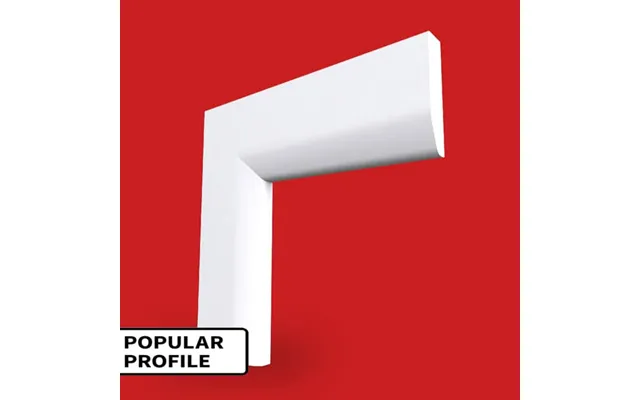













Skirting King price list
Last updated Monday, 19 Oct 2026
| Skirting King | Price |
|---|---|
| Square Edge V Grooved Mdf Skirting | £9.50 |
| Square Edge Mdf Architrave | £13.92 |
| Square Edge V Grooved Mdf Skirting | £18.82 |
| Square Edge Mdf Architrave | £23.24 |






| Store | Status | today | distance |
|---|
Loading...
Loading...
Last updated Monday, 19 Oct 2026
| Skirting King | Price |
|---|---|
| Square Edge V Grooved Mdf Skirting | £9.50 |
| Square Edge Mdf Architrave | £13.92 |
| Square Edge V Grooved Mdf Skirting | £18.82 |
| Square Edge Mdf Architrave | £23.24 |
Skirting King is a UK-based retailer that focuses on one thing and does it well: skirting boards, architraves, and complementary finishing trims. Think of them as the boutique shop for the edges of your rooms—the parts people often overlook, but which tie a home together. Founded with a hands-on approach and a sharp eye for detail, Skirting King carved a niche by offering specialist products, tailored advice, and reliable delivery across the country.
Every business has a backstory. Skirting King started when a small team of carpenters and homeowners in the UK noticed a gap in the market. Large DIY chains stocked a range of skirting boards, but homeowners and tradespeople wanted more variety, higher quality, and better fit-for-purpose advice. So, a family-run operation launched Skirting King to supply premium MDF, solid timber, and bespoke PVC skirting—with a promise: make the finishing touches simple and beautiful.
The early days were hands-on. Orders came via phone calls and local trade connections. The founders hand-delivered sample packs and met customers at job sites. That local, human touch helped build trust. People trusted Skirting King because they felt the company understood real-world problems—warped walls, uneven floors, old plaster—because they’d seen them too.
As demand grew, Skirting King evolved. They added an online store, introduced CAD-friendly cutting services, and started offering pre-primed and decorative profiles. Instead of trying to be everything to everyone, they doubled down on skirting expertise—offering profiles that matched heritage properties, modern minimalist homes, and renovation projects alike.
Skirting King’s range expanded to include MDF, hardwoods like oak and pine, flexible skirting for curved walls, and moisture-resistant options for bathrooms and basements. They developed cutting standards and machine finishing to reduce on-site sanding and painting time. The result: faster installs and cleaner finishes for both DIYers and contractors.
One of Skirting King’s biggest selling points is customer service. Because skirting boards often require precise measurements and custom cuts, the store built a team of experts to help customers pick the right profile, measure correctly, and plan delivery. Many customers reported that the advice saved them money and time—avoiding wasted material and multiple trips to the store.
Getting long lengths of timber to a tight job site can be a headache. Skirting King invested in careful packaging and reliable couriers. They offered next-day delivery in many areas and a delivery tracking system. For tradespeople, they introduced scheduled bulk delivery, so site managers could plan work without waiting for materials.
Design trends change fast. Skirting King kept pace by introducing slimmer, minimalist skirting boards for contemporary homes, and ornate Victorian-style profiles for period renovations. They monitored trends from interior design magazines, developer projects, and customer feedback to tweak their range and introduce new finishes like pre-primed, lacquered, and raw timber ready for staining.
With rising concern about the environment, Skirting King adopted sustainable sourcing practices. They worked with suppliers who held FSC certification and offered engineered wood products that reduce waste. They also promoted MDF alternatives for less impact on old-growth forests and introduced a recycling program for offcuts in partnership with local workshops.
How does Skirting King stack up against larger UK retailers like B&Q, Wickes, Screwfix, and Toolstation? The basic answer: it’s a specialist versus generalists. Larger chains offer wide selections of DIY goods, competitive prices, and convenience. Skirting King offers depth, customization, and specialist knowledge. Both models have pros and cons depending on what a customer needs.
B&Q and Wickes carry mainstream skirting profiles and ready-to-fit kits, ideal for quick DIY jobs. Screwfix and Toolstation target tradespeople with bulk and fast availability. Skirting King’s edge is depth of choice—unique profiles, bespoke cutting, and niche finishes that big-box stores don’t stock. If you need a rare Victorian profile or flexible skirting for a curved staircase, Skirting King is more likely to have it.
Big stores can undercut prices thanks to scale. Skirting King might be slightly higher on per-meter cost, but the value comes through in fit quality, reduced waste from accurate cutting, and saved time. Often the total project cost falls when you account for fewer mistakes, less rework, and expert advice.
Mass-market stores are convenient. They have many outlets, long opening hours, and heavy stock. But service can be generic. Skirting King offers one-to-one support, bespoke cutting, and measurement guidance. For complex jobs—heritage renovations or high-end finishes—that bespoke support matters. For simple projects like replacing a skirting board in a single room, a big hardware store might be quicker and cheaper.
Skirting King invested in trade accounts, offering bulk discounts, job-site cutting, and scheduled deliveries tailored to contractors. Screwfix and Toolstation already have well-established trade ecosystems with rapid click-and-collect models. Skirting King competes by offering specialist solutions that reduce on-site labour and deliver higher finished quality.
Moving online was a turning point. Skirting King developed a user-friendly website with clear profile images, downloadable templates, and measurement guides. They added a sample service so customers could see and touch profiles before ordering. Big retailers have sophisticated e-commerce too, but Skirting King’s online content focuses on education: how to measure, how to finish, and how to choose the right material.
Skirting King invested in content marketing—blog posts, installation guides, and video tutorials. This helped them appear in search results for project-based queries, like “how to fit skirting on uneven floors.” That educational approach builds trust. National chains rank for broad keywords, but Skirting King ranks for specialist, intent-driven searches where customers already need specific help.
Stories sell. Skirting King shares case studies of difficult jobs: a Georgian townhouse needing historically accurate profiles, a modern apartment requiring slimline skirting, and a conservatory needing moisture-resistant trims. These real projects show skill and build credibility. Customers read these and think, “If they solved that, they can solve mine.”
DIYers love the clear how-to guides and small-sample orders. Tradespeople appreciate consistent cutting tolerances and reliable deliveries. The company’s mix of audience made them adapt services: weekend customer service hours for DIYers and scheduled early-morning deliveries for tradespeople working on tight schedules.
No business is without hurdles. Skirting King faced supply chain disruption, rising material costs, and the challenge of convincing customers to choose specialist products over cheaper alternatives. They responded by diversifying suppliers, introducing cost-effective product lines, and showing the long-term savings of better fit and finish. Education and transparency helped them keep customers during volatile times.
They also focused on operational efficiency: optimizing trimming processes, reducing waste, and improving packaging. Those moves kept costs manageable and improved margins, allowing them to weather periods when global timber prices spiked or shipping schedules slipped.
As housing renovation continues to grow and homeowners care more about finishing details, Skirting King sits in a strong position. People now invest more in interiors, and trends favor both authentic period restorations and clean, modern finishes. Skirting King’s expertise across that spectrum makes them relevant to architects, interior designers, and homeowners alike.
The company can expand into related finishing products—skirting lighting, integrated cable management, and bespoke paint-matched trims. They can also scale trade partnerships with builders’ merchants. The key will be preserving specialist knowledge while growing reach—keeping the personal advice that distinguishes them from big chains.
Skirting King shows that focusing on a niche can be a smart strategy. They didn’t try to outdo the big stores at everything. Instead, they became the go-to for a specific set of needs. That clarity attracted a loyal audience and helped them grow sustainably. Whether you’re renovating a period home or finishing a new-build, their depth of choice and specialist support offer real advantages over generalist competitors.