

Toy Abacuses price list
Last updated Monday, 19 Oct 2026




View 4 Offers
Loading...
Last updated Monday, 19 Oct 2026
Let’s be honest—kids today are swimming in screens. That’s exactly why a toy abacus feels like a breath of fresh air. It’s tactile, it’s visual, and it turns numbers into something your child can touch, push, and play with. Instead of tapping pixels, they’re sliding real beads, building number sense in a way that feels almost magical. Think of it as a mini gym for the brain and the hands, a simple frame that quietly powers big learning moments without the noise and distraction.
With a toy abacus, counting stops being abstract. Your child sees ten beads become five, then two, then ten again. Each bead moved is a little “aha” moment. At the same time, those tiny pushes and pulls build finger strength, hand-eye coordination, and bilateral control. It’s sneaky-smart: early math and motor skills training wrapped in one sturdy, colorful frame.
Beyond counting, an abacus invites inventiveness. Kids sort beads by color, set up patterns, and “code” simple sequences without realizing they’re laying down the logic that later fuels STEM learning. It’s like a sandbox for math thinking—no batteries, no pop-ups, just endless ways to manipulate ideas with your hands.
All abacuses aren’t created equal. The right one for your child depends on their age, how you plan to use it, and where you’ll use it. From chunky first abacuses for toddlers to sleek frames inspired by the soroban for older learners, there’s a wide range to compare before you click buy.
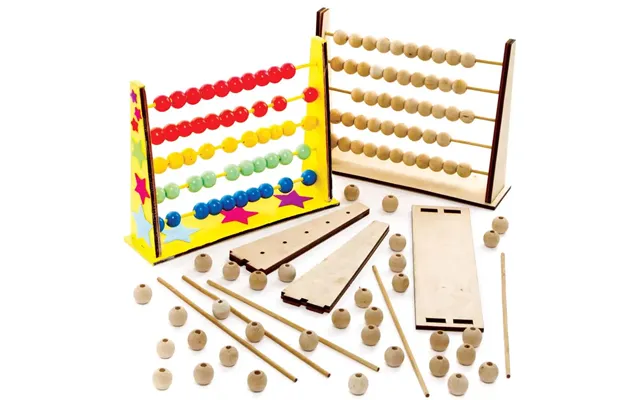
This is the picture you probably have in your head: a solid wooden frame with ten rows of beads, often in rainbow colors. It’s reliable, intuitive, and ideal for counting to one hundred. Look for models around 10 to 12 inches tall for a comfortable tabletop size that’s easy for small hands to reach.
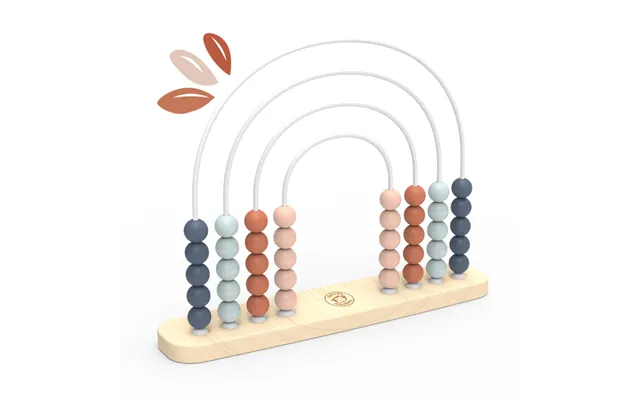
Montessori-inspired options keep things clean and purposeful. You’ll often see five beads of one color followed by another five, supporting the “five-wise” structure used in early math. This layout makes it simple to spot groups, subitize, and build addition strategies like “make ten” without fuss.
If you’re steering into more advanced territory, a soroban-style frame is a superb tool. With a single “heaven” bead and multiple “earth” beads per rod, it teaches place value and efficient calculation strategies. It can look intimidating at first, but once kids get it, their mental math can really take off.
Going on a trip or short on space? Compact models—often 6 to 8 inches tall—are perfect for backpacks and car rides. They’re not just for travel; they make focused, distraction-free practice possible in small spaces like a coffee table corner or a bedside shelf.
There’s more to a great toy abacus than bright beads. The best models balance safety, durability, and usability. When comparing options, keep your eye on materials, bead feel, finish quality, and the footprint you actually have at home.
Hardwood frames feel sturdy and stable, with a timeless look that blends into any room. They tend to last longer and resist wobble. Plastic can be lighter and cheaper, but it may slide around more and show wear sooner. If you want a hand-me-down piece, wood is usually the safe bet.
Beads should glide smoothly without spinning too fast or getting stuck. For little hands, larger beads—roughly 0.6 to 0.8 inches in diameter—are easier to grip. Even spacing matters too; wide spacing helps visibility, while tighter spacing accommodates more rows in a smaller frame.
Look for rounded corners, securely anchored rods, and non-toxic finishes. A quality abacus won’t have splinters or rough edges, and the beads won’t chip paint if they collide. Safe, durable builds let children explore freely without you hovering over every move.
Measure your shelf or table first. A common sweet spot is about 12 inches tall and 10 inches wide—big enough for visibility, small enough to tuck away. Some frames even fold flat. If storage is tight, consider a vertical stand or a wall-mounted option for a tidy, accessible learning corner.
Different stages call for different styles. Match the frame to your child’s current development—not just their age on paper. That way, you’ll keep the experience engaging and confidence-building.
Go for chunky beads and sturdy, tip-resistant bases. Focus on color sorting, basic counting, and free play. Think fewer, larger rows and beads that are easy to move with a single finger or a whole hand. Durability is key at this stage.
Now it’s time to introduce counting to one hundred, simple addition, and patterns. A classic 10-row abacus with distinct color blocks is perfect. You can also introduce “five-wise” layouts to encourage grouping strategies and quick number recognition.
Help your child tackle place value, skip counting, and subtraction with regrouping. More structured practice pays off here. Encourage “making tens,” trading strategies, and simple mental math using the beads as a visual anchor.
Ready for a challenge? Consider a soroban-inspired frame to level up. Children can learn efficient addition and subtraction techniques and even dabble in multiplication and division. It’s a great way to deepen number sense and boost confidence.
If you’ve ever wondered, “Okay, but what do we actually do with it?”—you’re not alone. Here’s the good news: a toy abacus is incredibly versatile. Start simple, keep it playful, and build up to structured challenges as your child’s curiosity leads the way.
Begin each session with quick counting exercises: move five beads, count out loud, then push them back. Try counting forward and backward, then skip counting by twos and fives. The rhythm helps numbers stick like a favorite tune.
Turn math into a game: “I’ll push three beads, you add two—how many now?” Introduce regrouping by making a “ten bar” when you hit the tenth bead. Kids see carrying and borrowing play out right under their fingers, which makes the abstract feel obvious.
Set a color pattern like red-red-blue, then ask your child to copy it on another row. Hide your pattern for a few seconds and have them recreate it from memory. You’ll sharpen visual working memory while sneaking in early algebraic thinking.
Bring stories to life: “You had four apples and picked three more—show me the total.” Acting out scenarios turns numbers into narratives. It’s a mini theater where beads are your cast and math is the plot twist.
There are plenty of great educational toys out there, so why pick an abacus? It offers a rare blend of structure and freedom. Let’s compare it with a few favorites to see where it shines and when to pair it with something else.
Blocks build spatial reasoning and creativity; abacuses sharpen numeracy and calculation. Together, they’re a powerhouse. If you want to visualize grouping and tens quickly, the abacus wins. If you’re aiming for 3D structures and problem-solving, blocks take the lead.
Tablets can host impressive math apps, but they also tempt distractions. An abacus keeps attention focused and removes the urge to swipe away. It’s screen-free, calming, and sustainable—no chargers, no updates, just consistent hands-on learning.
Flashcards drill memory; an abacus builds understanding. If your child is stuck memorizing answers without grasping why, the abacus gives them a concrete path to comprehension. Use both together for a balanced approach.
When you’re comparing options available to UK shoppers, you’ll see plenty of reliable wooden frames and a growing selection of thoughtfully designed learning tools. Consider bead feel, frame stability, and layout clarity over flashy extras you’ll never use.
Well-made wooden abacuses with ten rainbow rows are tried-and-true. They’re easy to introduce to toddlers and remain useful into early primary years. Look for evenly spaced beads, smooth rods, and good balance so the frame doesn’t tip.
These often feature 5-and-5 color splits on each row to mirror how kids mentally group numbers. They’re fantastic for building fast number recognition and addition fluency. The minimalist design keeps attention on the math—exactly where it belongs.
For families or educators leaning into structured techniques, soroban-style frames can be transformative. They promote place-value understanding and efficient strategies, setting the stage for confident, lightning-fast mental math.
Price points can hint at differences in materials, finish, and extras—but more expensive doesn’t always mean better for your needs. Match the tier to your goals and the rough-and-tumble reality of kid life.
Entry-level frames are great for casual use and travel. Expect lighter materials and simpler finishes. If your child is just beginning to explore counting or you want a second abacus for the car or grandma’s house, budget options make perfect sense.
Mid-range models usually offer smoother bead glide, sturdier frames, and better finishes. They’re a smart pick for daily home learning, home education setups, or small group activities. The feel is often noticeably nicer without a premium price tag.
Premium abacuses tend to use high-quality hardwoods, meticulous sanding, and non-toxic finishes. They look beautiful on a shelf and can become hand-me-downs. If you value longevity, eco credentials, and a refined tactile experience, this tier delivers.
Shopping through a comparison site helps you see a big picture before making a decision. Line up features side by side, read user feedback, and make a confident choice that fits your child and your space.
Start with age guidance, then narrow by materials (wood vs. plastic) and size (aim for about 10 to 12 inches tall for general use). Clear filters save time and make it easier to identify the sweet spot for your family.
Scan for mentions of bead smoothness, paint durability, and frame stability. Look for consistent praise (or warnings) about wobble, splinters, or beads that stick. It’s the quickest way to avoid surprises.
Some listings include printable activity guides, storage bags, or paired number tools like ten-frames. If you’re planning a full learning corner, bundles can be a clever way to cover more ground at once.
A little care goes a long way. Clean, inspect, and store your abacus thoughtfully and it will last through multiple children and stages of learning—maybe even into the next generation.
For wooden frames, use a lightly damp cloth and dry immediately. Avoid soaking or harsh chemicals. If the finish dulls, a touch of child-safe wood conditioner can revive the sheen and keep the surface smooth for little fingers.
Keep the abacus on a stable shelf within easy reach, ideally upright to prevent warping. For travel, tuck it into a padded tote and avoid cramming it under heavy items. Treat it like a favorite book—visible, accessible, and cared for.
Parents increasingly want toys that respect the planet. The abacus fits naturally into this ethos: long-lasting, low-tech, and often made of renewable materials. It’s a small object with a big footprint in learning and a small footprint in waste.
Look for responsibly sourced wood and certified non-toxic paints or water-based stains. These choices are safer for children and better for forests. They also tend to feel nicer in hand—smooth, warm, and reassuringly solid.
A robust abacus can be passed from sibling to sibling, cousin to cousin. That kind of longevity beats disposable toys every time. Fewer replacements mean less waste and more storytelling: “Your brother used this to learn his first number facts.”
A few missteps can dull the magic. The good news? They’re easy to dodge once you know what to watch for. Think fit, simplicity, and comfort first—bells and whistles later.
Jumping to a complex layout can frustrate a young learner. Match the tool to today’s skills and gently stretch from there. It’s better to master a simple abacus than to wrestle with one that feels confusing.
If every session feels like a lesson, kids disengage. Mix guided activities with free play. Let your child lead sometimes—curiosity is the best teacher in the room.
Tight spacing can make rows look cluttered and hard to read. If your child squints or constantly bumps neighboring beads, consider a model with slightly larger beads or wider spacing for clarity.
The humble abacus thrives in all kinds of settings. Whether you’re a parent, teacher, or therapist, it adapts gracefully to your goals and routines. Here’s how it shines in day-to-day life.
Create a math nook with an abacus, number lines, and a small whiteboard. A 12-inch frame on a child-height shelf invites spontaneous practice—just a few minutes a day builds lasting skills.
In small groups, students can rotate through an abacus station to practice skip counting and quick addition. Clear color-coding helps kids self-correct, freeing teachers to focus on strategy coaching rather than constant supervision.
OTs often use abacuses to blend fine motor work with cognitive challenges. Sliding beads with precision while solving number tasks pushes attention, coordination, and executive function in a fun, low-pressure way.
A gentle start keeps enthusiasm high. Begin with exploration—no rules, just bead play. Then add tiny prompts: “Can you make five?” “Can you copy my pattern?” Short, daily bursts beat long, occasional sessions every time.
Toys in bins get forgotten. Place the abacus upright on an open shelf. Pair it with a small tray of number cards or story prompts and watch your child wander over to “just try one more thing.”
Cheer progress, not perfection: “I love how you made a ten there!” Confidence fuels curiosity, and curiosity feeds learning. The cycle is simple but powerful.
Want to supercharge learning? Pair the abacus with simple, complementary tools. A few smart additions can make your math corner feel like a mini lab of discovery.
Use a number line to visualize jumps, then model those jumps with beads. Ten-frames help cement “make ten” strategies; the abacus makes those strategies move. Together, they click.
Roll two dice and race to show the total on the abacus. Draw a card and subtract from your current bead count. Story cubes turn math into adventures—dragons, treasure, and all.
Every learner hits a lull. If the abacus starts gathering dust, don’t force it. Try a new game, a different time of day, or a fresh challenge. Sometimes all it takes is a new story prompt or a twist like “beat the timer.”
Kids love friendly competition. Take turns adding beads and see who can reach a target first. Or work cooperatively to hit a shared goal—teamwork adds energy and accountability.
Move the abacus to a sunny window or bring it to the kitchen table during snack time. A change of scene can make old activities feel new again.
Consistency pays off. After a few weeks, you’ll likely see faster counting, smoother addition, and more confidence tackling numbers in everyday life. The best sign? Your child reaches for the abacus on their own, just to “try something.” That spark is gold.
The magic moment is when kids start imagining bead moves in their heads. That’s mental math emerging—born from real, physical experience. The abacus becomes a bridge from fingers to mind.
Suddenly, making change, sharing snacks, or splitting chores become effortless math moments. Those beads on a frame quietly ripple into everyday independence.
A toy abacus is more than a retro prop—it’s a modern ally for raising confident, capable thinkers. It gives children a sturdy, joyful way to touch numbers, see patterns, and build strategies that last. Whether you choose a classic 10-row wooden frame, a Montessori-inspired layout, or a soroban-style tool for advanced learners, you’re investing in understanding, not just answers. Compare thoughtfully, pick a size and style that fits your child and your space, and let the beads do their quiet, brilliant work. In a noisy world, the abacus whispers clarity—and kids listen.