

Disposable Plates price list
Last updated Monday, 19 Oct 2026





View 10 Offers


Loading...
Last updated Monday, 19 Oct 2026
Disposable plates make life easier when the guest list grows, the sink is already full, or time is simply tight. Whether you’re hosting a backyard barbecue, a team event at the office, or a full-on catered celebration, the right plates keep everything tidy, presentable, and stress-free. The biggest win? You can serve confidently, skip the marathon dishwashing, and funnel that saved time into what really matters—your guests. With a wide range of materials, sizes, and styles, today’s disposable plates are far from flimsy throwaways; many are sturdy, great-looking, and eco-conscious too.
Hunting for deals on disposable plates? It pays to compare. Prices often fluctuate by season (think spring picnics and winter holidays), by pack size, and by material. You’ll see budget-friendly paper plates for everyday snacking, mid-range compostable options for heartier meals, and premium plastic or palm leaf plates for weddings and upscale events. Many shoppers find better value in larger packs—say 100 to 300 plates—especially if you entertain regularly. Keep an eye on multipacks that mix dinner and side sizes, because those bundles can stretch your budget further than buying each size alone.
The material you choose does the heavy lifting—literally. It affects everything from how much food the plate can carry to how it looks in photos. The most common picks are paper, plastic, bagasse (sugarcane fiber), bamboo, and palm leaf. Each has its own strengths for strength, heat resistance, and sustainability. Not sure where to start? Think about the heaviest dish you’ll serve, whether you need a formal vibe, and how important compostability is to you. Then match the material to your menu and the mood you want to set.
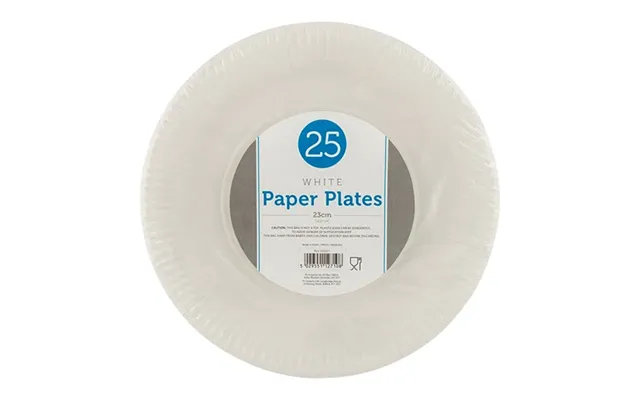
Paper plates are the go-to for snacks, sandwiches, and desserts. They’re lightweight, affordable, and available in a huge range of colors and patterns. If you want to avoid sauce soak-through, opt for coated paper with a grease-resistant barrier. For kids’ parties and casual picnics, paper plates are easy to stack, simple to toss, and surprisingly versatile. Pro tip: for anything heavier than a slice of pizza or cake, double up or choose reinforced paper plates with a stronger rim to prevent bending.
Plastic plates shine when you want a “real dish” look without breakage worries. Clear or white plastic plates with a high-gloss finish can look elegant on a buffet line or wedding table. They’re typically more rigid, so they hold heavier mains and saucy dishes without complaint. Some styles are hand-washable for a second use, which can stretch your budget if you’re hosting back-to-back events. When comparing, check for BPA-free options and note the plate’s rigidity—heavier-gauge plates generally flex less and feel more premium in the hand.
Bagasse (sugarcane fiber) and bamboo plates are stars of the eco-forward crowd. They’re sturdy enough for burgers, roasts, and full dinners, and they don’t buckle under hot, steamy dishes. Many bagasse plates are designed to handle heat and moisture better than plain paper, which makes them ideal for stews, curries, and barbecue. If you want a neutral, clean look that works for both rustic and modern themes, these plates have you covered. When browsing, look for compostable certifications that match your local waste facilities.
Palm leaf plates are the mood-setters. Each plate has a natural wood-like grain that instantly elevates the table. They’re strong, rigid, and surprisingly durable with saucy dishes and cutlery. If your vision includes a natural, artisanal look—think farm-to-table or boho-chic—palm leaf is an easy win. Because they’re naturally formed, slight variations in color and texture are part of the charm. If the event is outdoors, palm leaf plates also pair beautifully with kraft napkins and bamboo cutlery for a coordinated eco-friendly table.
One of the fastest ways to trim costs (and waste) is to match plate size to what you’re serving. Smaller plates guide sensible portions for appetizers and desserts, while larger plates keep full dinners neat and spill-free. When comparing deals, take note of the diameter. A pack might look similar on price until you see one is 9 in and the other is a 10 in dinner plate. That extra inch can make a real difference when you’re plating a hearty main alongside sides and salad.
These are the snack champions. Use 6 to 7 in plates for cheese boards, canapés, cupcakes, and fruit. For standing receptions, small plates encourage guests to take a few bites at a time, keeping the flow lively and the spills minimal. They’re also perfect for kids’ portions or tasting menus when you want to offer variety without weighing guests down. If you’re shopping bulk, a mixed set that includes smaller plates can be a savvy add-on to your larger dinner plates.
A 9 in plate is a solid middle ground—big enough for a burger and salad, but not so large that it encourages massive portions. They’re the workhorse of corporate lunches, office potlucks, and casual get-togethers. Look for reinforced rims to avoid bending with heavier items. If your menu has juicy mains, a grease-resistant lining is your best friend. For a balanced buy, grab both 9 in plates and smaller dessert plates to cover the full meal from starters to sweets.
For plated dinners and buffet-style service with mains and multiple sides, 10 to 12 in plates give you the real estate you need. Heavier materials like rigid plastic, bagasse, palm leaf, or thick coated paper handle the weight of steak, fish, roasted veg, and sauces without drama. If you’re aiming for a dressed-up look, consider 12 in chargers with a 10 in dinner plate on top—still disposable, still simple, but polished enough to impress. Just remember to match your cutlery and cups, so the whole set feels intentional.
Beyond the basics, specialty designs solve real-world party problems and raise your hosting game. Think compartments for separating flavors, square or oval shapes that make tables look chic, or ornate rims that give plastic plates a porcelain vibe. Looking to minimize lines at the buffet? A larger plate with a raised rim manages piles of nachos and saucy pastas with less risk of spills. If you’re serving charcuterie or desserts, a clear plate turns treats into the star of the show.
Compartment plates are brilliant when you want to keep sauces from invading everything else. For kids, the sections make meals fun and help picky eaters. For buffets, they keep coleslaw from running into the fries and dessert from mixing with mains. If your event includes allergens or strict dietary needs, compartments make it easier for guests to build their own plates confidently, without crossovers. Stronger materials like bagasse or rigid plastic work best here.
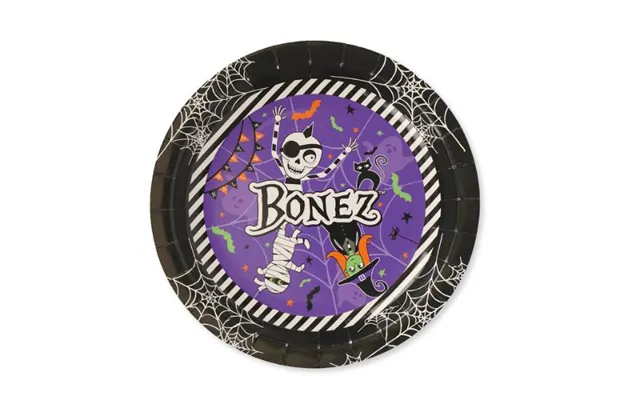
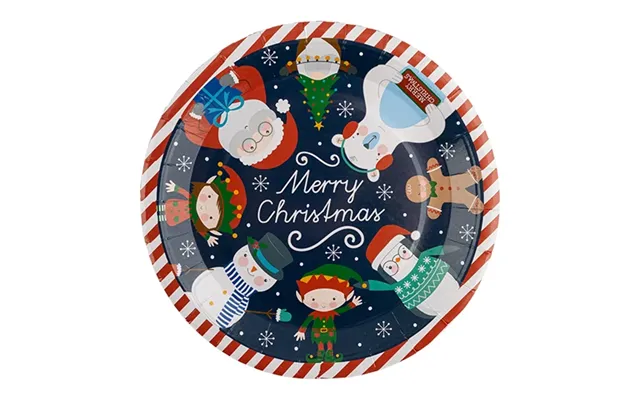
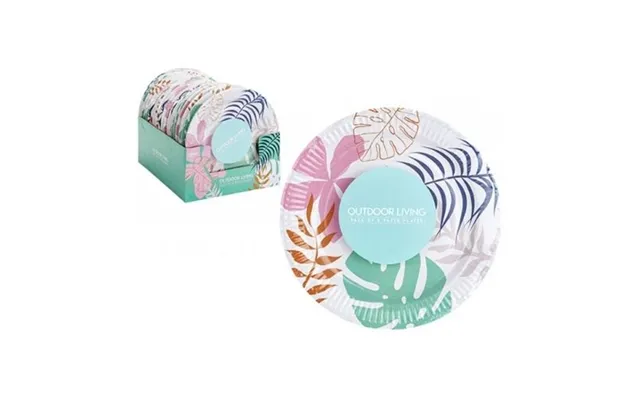
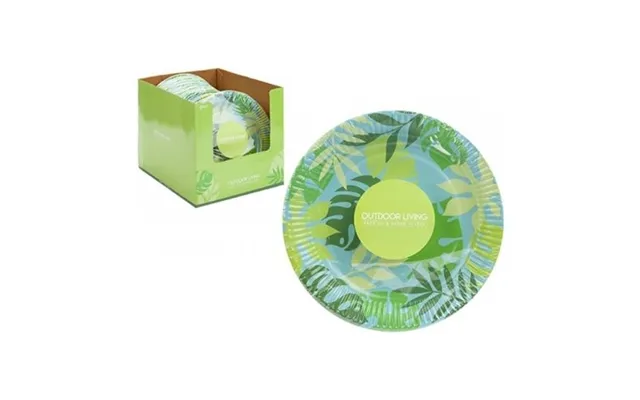
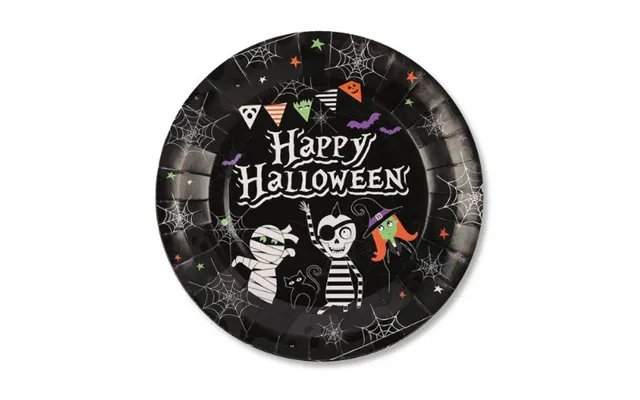
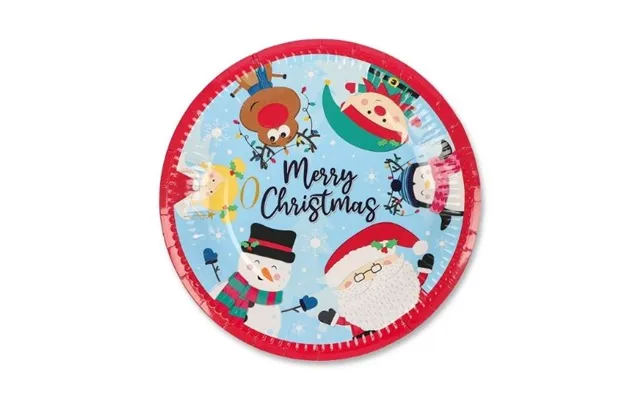
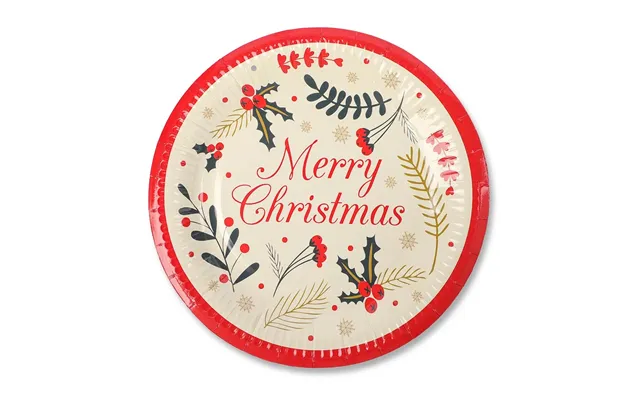
From florals and metallic trims to sports themes and seasonal prints, patterned plates instantly tie your décor together. They’re an easy way to make a birthday, shower, or holiday dinner feel memorable without renting china. If you’re mixing patterns, keep a simple base—white napkins, clear cups—and let the plates do the talking. Want an upscale look without the price? Choose white plates with a gold or silver rim and match them with metallic-look cutlery for a photo-ready spread.
Need to reheat leftovers or keep dishes warm? Some bagasse and paper plates are microwave-safe, and a few are designed to handle low, gentle oven warming. Always check the manufacturer’s guidance to avoid warping. As a rule of thumb, use short warming bursts and avoid direct contact with heating elements. If in doubt, transfer the hot dish once it’s ready. For serving freshly fried or grilled items, choose plates with raised rims and sturdy bases so heat and moisture don’t compromise the shape.
Eco-friendly disposable plates have come a long way. If sustainability is a priority, look for compostable options made from bagasse, bamboo, or palm leaf. These materials are typically plant-based and designed to break down faster than traditional plastics. Recyclable plastic plates exist, but they depend on local facilities and whether the plate is clean. To be safe, scrape leftovers into the bin and check your local guidance. If your event is large, consider labeled bins that make it easy for guests to sort waste properly without confusion.
Hosting a one-off party? A smaller pack can be smarter and reduce leftovers. Planning several events this season? Bulk buys drastically cut the per-plate cost and save repeat trips. Just watch the plate count and size per pack—some “value” packs look big but mix many small plates with only a handful of dinner plates. If you entertain regularly, consider a master carton so you’re never scrambling on the day. Store extras in a cool, dry spot and keep them in the original wrap to avoid dust and dents.
Great price tags can be deceiving until you compare like for like. Weigh the per-plate cost against the material, diameter, and rigidity. If you’re choosing between two options, ask yourself: Will this plate hold my heaviest dish without folding? Does it match the look I want? Is it safe for the heat and sauces I’m serving? A reliable price comparison platform helps you line up similar products side by side, so you can see real value at a glance rather than guessing from headlines and promo banners.
Always read the details. Plate diameter matters, but so does the count per pack and the thickness or rigidity. Some brands list “heavy-duty” without specifics, so customer photos and reviews can reveal whether those plates stand up to a loaded serving. If the event is formal, check whether the rim is reinforced; that tiny design detail makes cutlery use easier and reduces flex. For sauce-heavy menus, pick grease-resistant or coated surfaces that won’t turn limp mid-meal.
When food safety and sustainability are non-negotiable, certifications make the choice simpler. For compostable plates, look for widely recognized compostability standards. For plastics, check for BPA-free statements. Many reputable brands include clear icons and safety notes on the packaging. If you need microwave-safe plates, the packaging should spell it out. A quick scan of the details can save you from last-minute hiccups and give you confidence you’re choosing plates that fit your event and your values.
Different events call for different plates. For birthday parties and casual gatherings, paper plates and mid-size plastics do the trick. For catering, especially when transporting hot mains, go sturdier with bagasse or rigid plastic. Offices benefit from a mix: small plates for cake days, 9 in for lunches, and a stash of 10 in plates for team celebrations. Meal preppers also love compartment plates for portion control and tidy fridge stacking. Hosting outdoors? Choose heavier plates that won’t flutter at the first hint of a breeze.
Disposable doesn’t mean careless. Store plates flat in a dry, cool place to prevent warping. Keep them wrapped until just before the event to avoid dust. If you’re stacking on a buffet, interleave stacks with napkins so guests lift cleanly from the pile. For super-saucy dishes, place a napkin or liner under each stack to catch drips and keep the table neat. After the party, set up separate bins for recycling, compostables, and general waste. Clear labels make it easy for guests to do the right thing without hand-holding.
Sometimes a plate isn’t the best fit. For soups, chili, or ice cream bars, pair your plates with disposable bowls. For shareable appetizers, disposable trays or platters keep lines moving and display food beautifully. And if you’re worried about tabletops, disposable placemats or charger-style base layers catch crumbs and add a polished edge. Building a disposable “set” that includes plates, bowls, napkins, and cups ensures a cohesive look—and since you can compare prices across brands and materials, you’ll keep the budget in check without sacrificing style.
The best disposable plates match your menu, elevate your event, and respect your budget. Start with the right material for the job, size up based on what you’re serving, and compare offers with a sharp eye for pack counts and quality. If sustainability matters, look for compostable options and plan for proper waste sorting at the end. With a little planning—and by using a reliable comparison site to surface the strongest deals—you’ll set the table with confidence, keep cleanup breezy, and enjoy more time with your guests. That’s a win in any host’s book.