All categories
Business & Offices
Electronics & Media
Fashion & Accessories
Groceries & Essentials
Health & Personal Care
Home & Living
Kids & Family
Sports & Outdoors
Search in ZoneOffer

Loading...
Ever worked at height and felt that tiny jolt of panic when a screwdriver slipped from your glove? Work safety tethers are designed to make that moment a non-event. They secure tools, hard hats, and small devices to your person or an anchor so if something slips, it doesn’t become a hazard. For anyone on scaffolds, rooftops, towers, or platforms, tethers are the quiet heroes keeping people below safe, preventing costly damage, and saving time spent retrieving dropped gear.
Think of a work safety tether as a seatbelt for your tools. You hope you never “need” it—but when you do, you’re grateful it’s there. With the UK’s continued focus on safe, efficient job sites, tool lanyards and self-retracting lifelines (SRLs) are now standard kit in many trades. And thanks to competitive offers across comparison platforms, there’s never been a better time to upgrade.
Dropped objects don’t have to be heavy to be dangerous. A small spanner falling from 60 ft can do serious damage, and even a tape measure can crack a visor. Beyond injuries, one slip can halt operations, trigger investigations, and rack up costs. Tethers flip the script by keeping tools attached, so gravity never gets the upper hand.
Tool tethers prevent tools from falling. Fall arrest gear (like SRLs for people) protects workers if they slip. One is about securing objects; the other is about saving lives. Both matter, and both often work together on the same job site. The trick is choosing the right kit for your exact task—because the safest setup is the one designed for that use case.
Not all tethers are created equal, and that’s a good thing. Jobs vary wildly, so the gear does too. Here’s a quick tour of what you’ll commonly compare and buy in the UK.
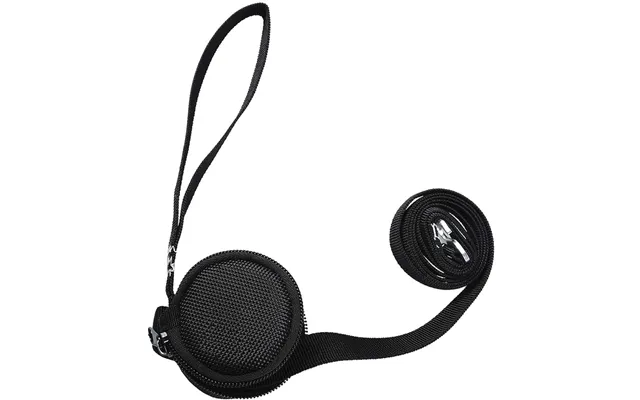
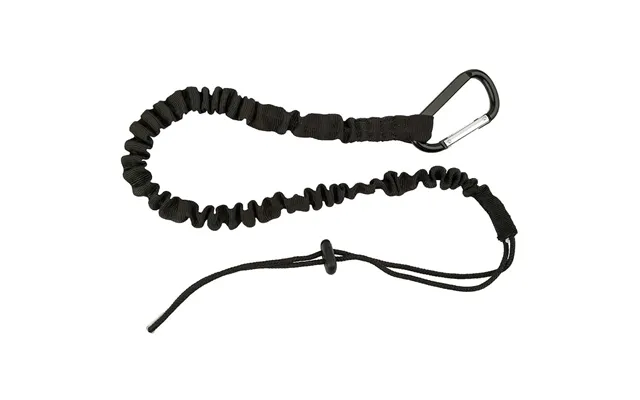
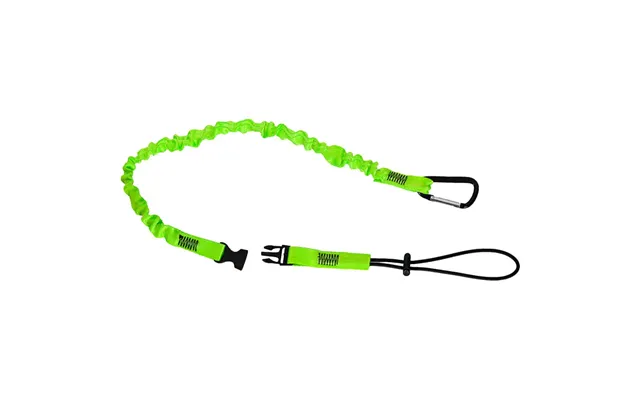
These are the staple choice for everyday tools up to about 10–15 lb. You’ll find elasticated webbing lanyards that extend as you work, coiled lines for compact carry, and wrist tethers that connect small tools to your wrist for quick swaps. Many tool lanyards come with choke loops or heat-shrink attachment points for clean installs that don’t interfere with tool function.
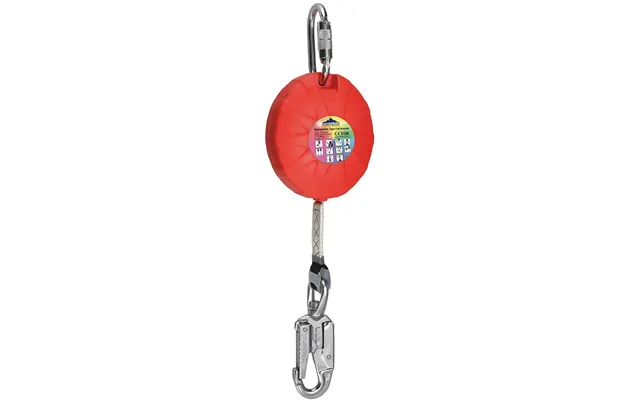
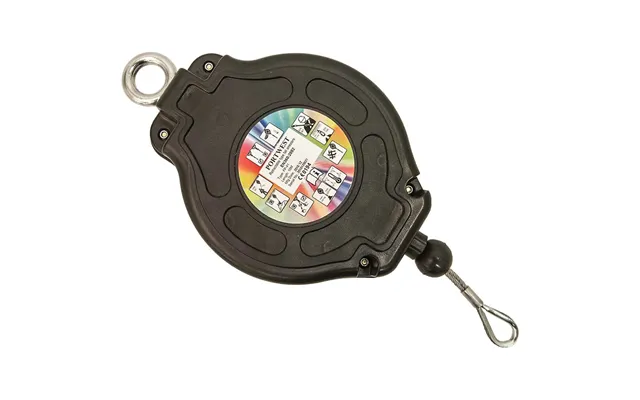
Tool SRLs are compact reels that pay out line as you reach and retract automatically when you let go—great for reducing snags. Personnel SRLs (for workers) are a different category with higher standards and energy management to arrest a fall safely. You’ll see tool SRLs rated for loads like 5–35 lb, while personnel SRLs focus on fall distance, deceleration, and user weight ranges. Typical lengths vary from 6 ft to 30 ft or more depending on the job.
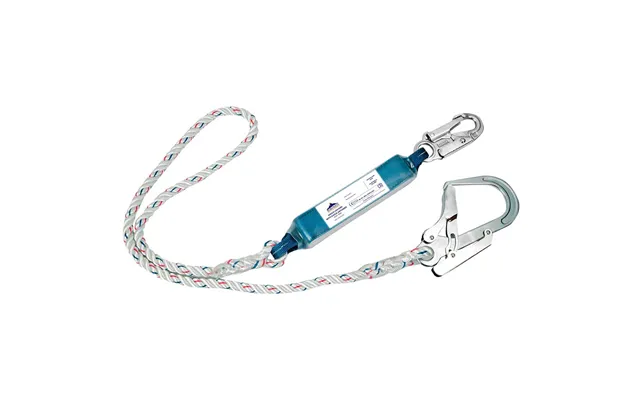
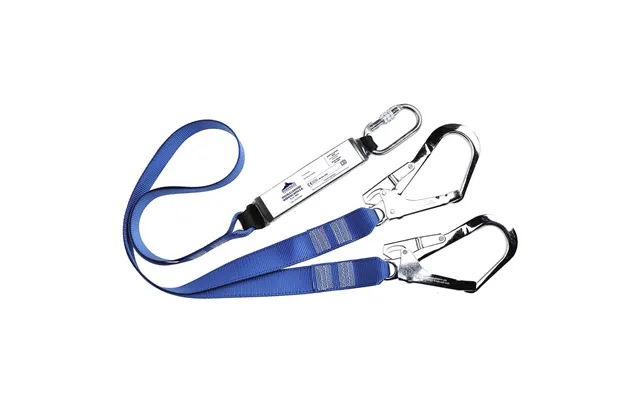
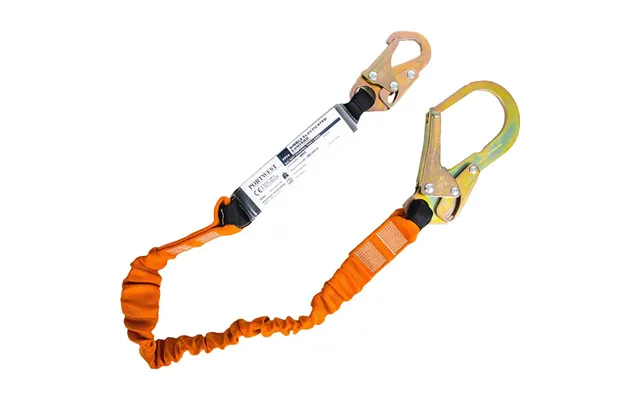
Coil lanyards are compact and spring-like—handy when you want minimal slack. Web lanyards offer predictable strength and can include built-in energy absorbers to soften the stop if a heavier tool drops. The right choice often depends on your work envelope: if you need long reach without clutter, a shock-absorbing web lanyard with a longer working length may be ideal.
It’s not just power tools that fall. Hard hat tethers keep helmets from becoming projectiles. Glove clips ensure PPE is where it should be, not blowing away. Holsters and tool buckets with built-in tether points let you manage multiple items with tidy, labeled attachment spots. These “small” accessories make a big difference in daily safety and organization.
Whether you’re scanning Popular Offers or diving into a detailed price list, the best purchase is the one matched to your tools, tasks, and environment. Here’s what to look at first.
This is non-negotiable. If your tool weighs 8 lb, your tether should be rated above that—ideally with some headroom. Common ratings are 2 lb, 5 lb, 10 lb, 15 lb, and 35 lb. Overloading a tether is risky; underloading wastes money on heavier gear than you need. Balance safety and practicality, and always follow the manufacturer’s guidance.
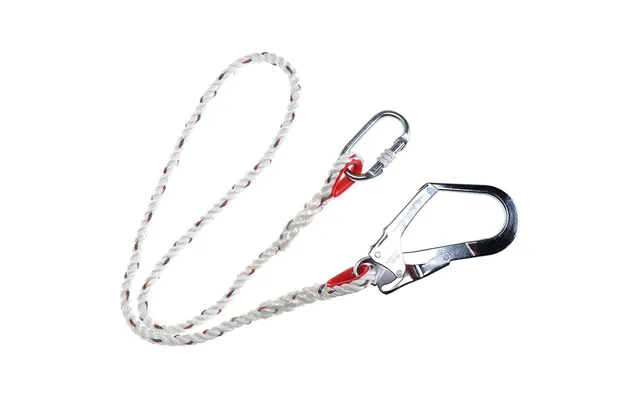
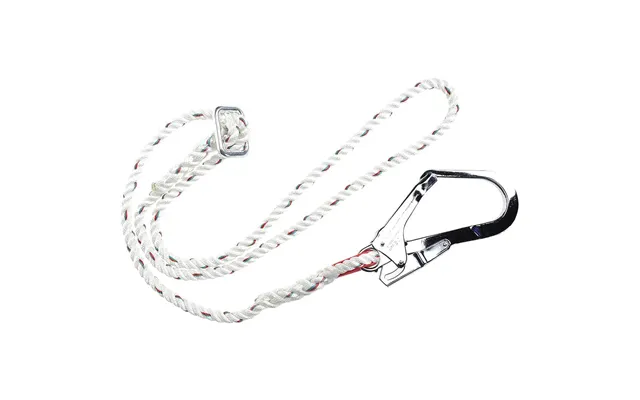
Premium carabiners with double-action gates reduce accidental openings. Choke loops are great for tools without pre-drilled attachment points. Swivels help prevent twists when you’re rotating a tool a lot. Think about your workflow: if you frequently change attachments, quick-connect systems or captive-eye carabiners can save serious time.
Too short and you’ll fight your gear. Too long and you’ll trip or snag. Tool lanyards usually range from around 2 ft (retracted) to 6 ft (extended), while tool SRLs can cover longer spans with smooth retraction. For personnel SRLs, look for lengths that match your work zone—6 ft for tight areas, 20–30 ft for larger spans, and beyond for towers and telecom work.
If a tether is annoying, it won’t get used properly. Padding on wrist straps, low-profile energy absorbers, and lightweight materials all add comfort. The best setups feel “invisible” until they’re needed. Try to keep your dominant hand free of clutter and route lanyards so they don’t cross your body awkwardly.
Prices vary by material, rating, brand, and extras like swivels or energy absorbers. You’ll see value options for everyday tasks and premium lines for harsh environments or heavy tools. Comparing deals side-by-side helps you catch seasonal promotions and bundle savings, especially when shopping multiple tethers for a crew.
Entry-level tool lanyards for light tools (2–5 lb) often start in the low-price bracket and deliver exactly what you need for basic tethering: durable webbing, a secure loop, and a simple carabiner. These are ideal for painters, facilities teams, or anyone needing reliable fall prevention for smaller hand tools.
As you move up in price, you’ll find features like auto-locking carabiners, high-tensile webbing, integrated swivels, and tested energy absorbers. Tool SRLs for frequent use and heavier loads cost more but reduce clutter and improve workflow. Premium personnel SRLs deliver smoother payout, better durability, and advanced braking systems—worth it when uptime and comfort matter.
Not all claims are created equal. Standards exist to give you confidence that gear will perform under stress. When you compare listings, look for clear references to relevant certifications and testing methods.
ANSI/ISEA 121 outlines how tethering systems for tools should be tested. While not a legal requirement in every scenario, products conforming to this standard have undergone real-world testing that mirrors the way tools fall, swing, and shock-load tethers. It’s a solid benchmark when safety and consistency are non-negotiable.
The UK’s Work at Height Regulations emphasize planning, supervision, and competence. Using the right tethering system supports those goals by minimizing dropped-object risk. Combine tethers with tidy housekeeping, proper tool holsters, and routine inspections for a layered approach to safety. When in doubt, check your company’s policy or consult a qualified safety professional.
Every trade has its rhythm. Your tether setup should match the tools you use and the way you move. Here are tailored ideas that make choosing simpler.
Small hand tools, testers, and drivers benefit from lightweight lanyards rated up to 5–10 lb. Coil lanyards keep cables and leads clear of snag points, and wrist tethers are great for rapid tool changes. For overhead works, a compact tool SRL helps manage reach without creating trip hazards. Hard hat tethers are a no-brainer in ceiling or duct runs.
Carbines, hammers, wrenches, and measuring tools call for 10–15 lb lanyards, ideally with shock absorption for heavier items. A 6 ft web lanyard with a captive-eye carabiner is a reliable all-rounder. If you’re frequently moving along edges, consider a tool SRL for a cleaner profile and automatic retraction. Keep tape measures in holsters with tether points—surprisingly common droppers.
Wind, salt, and height demand tougher gear. Look for corrosion-resistant hardware, sealed housings on SRLs, and reinforced webbing. Personnel SRLs in 20–30 ft lengths (and beyond for tower climbs) support mobility while maintaining fall protection. For tools, choose lanyards with swivels and high abrasion resistance to handle repetitive work against metal structures.
Installing a tether shouldn’t feel like guesswork. The right method is usually fast, tidy, and documented by the manufacturer. A clean install is safer and more durable.
Attach to designed tether points whenever possible—many modern tools now include them. If not, use approved retrofit anchors like heat-shrink loops, captive tethers, or purpose-built collars. For the body side, connect to a belt loop, harness D-ring, or tool belt rated for the load. Keep connections short and direct to reduce swing if a drop occurs.
Avoid tying tethers to moving parts, vents, or handles not designed for load. Don’t daisy-chain multiple lanyards to get extra length. Avoid mixing incompatible metals that could corrode. And watch out for “tether stacking” where too many lines cross—simplify routing to keep your movement free and safe. When unsure, follow the product instructions and your site’s safety procedures.


Like any safety gear, tethers last longer and perform better with a little TLC. Inspections take seconds and can prevent a bad day on site.
Before each use, look for frays, cuts, burns, or glazing on webbing; rust, cracks, or sticky gates on carabiners; and smooth operation on SRLs. Confirm labels are readable and ratings match the tool you’re using today. If something feels off, quarantine the item until it’s cleared or replaced.
Wipe webbing with a damp cloth and mild soap if needed. Avoid harsh chemicals and high heat. Dry gear fully before storage, and keep it away from sharp edges or UV exposure. For SRLs, follow the manufacturer’s cleaning instructions and never open the housing unless you’re authorized to service it.
Visible damage, failed inspection, or any shock load beyond its rating are red flags. If a tool has fallen and the energy absorber deployed, replace the lanyard. Don’t gamble with borderline gear. Retiring a tether costs far less than risking an accident.
Scrolling a price list, you’ll notice clear patterns. Higher load capacities, premium connectors, and retractable systems push prices up. Multi-packs and bundles can offer strong value when outfitting teams. Seasonal promotions can also shave a meaningful amount off your total if you plan ahead.
Heavy-duty webbing, stainless or coated hardware, and integrated swivels all add durability. Energy absorbers for heavier tools increase safety and cost. Established brands often sell at a premium due to testing, support, and accessory ecosystems. That said, many mid-market options now hit a sweet spot: proven safety, clean ergonomics, and compelling pricing.
Instead of hopping between dozens of product pages, use a comparison platform that aggregates offers so you can filter by load rating, style, and price. Look for clear descriptions, visible certifications, and high-resolution images that show anchor points and hardware details. When possible, read user feedback focused on durability and ease of use in real trades.
Scan for the load rating first, then connector types and length. Next, check whether the listing mentions standards like ANSI/ISEA 121 for tool tethers or recognized fall protection standards for personnel SRLs. Finally, weigh the price against warranty terms and any bundle savings. If you’re pricing for a team, consider standardizing on a system to simplify training and inspections.
Work safety tethers might be small, but their impact is huge: fewer accidents, smoother workflows, and better confidence at height. Whether you’re securing a 2 lb screwdriver or managing a 15 lb impact wrench, there’s a tether solution built for your job. Compare load ratings, connector types, and lengths to dial in the perfect setup, and don’t forget the extras—hard hat tethers, glove clips, and holsters can transform daily efficiency. With a smart comparison approach and a little care, you’ll build a kit that’s comfortable, compliant, and ready for the real world.
| Work Safety Tethers | Price | |
|---|---|---|
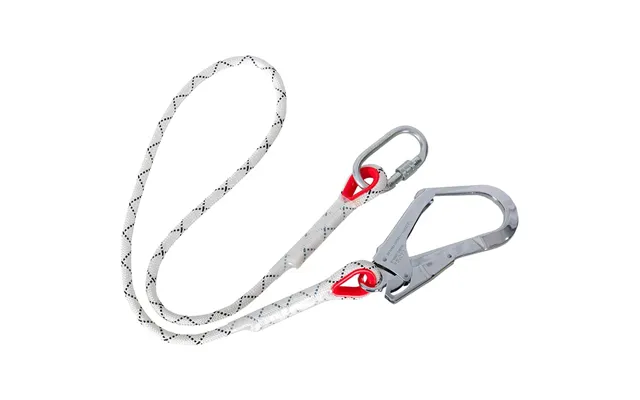
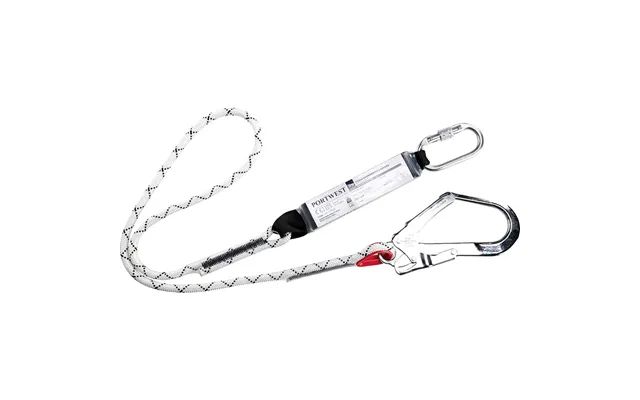
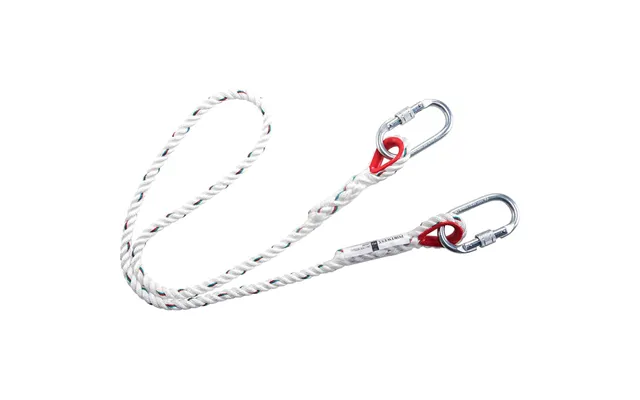
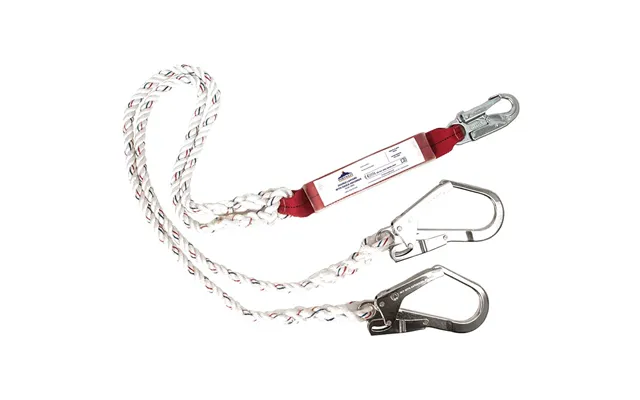
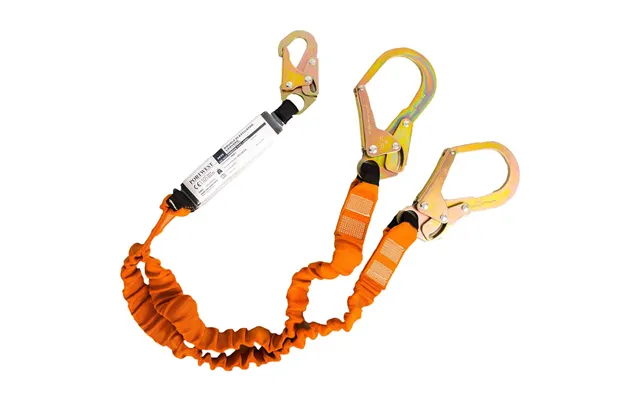
| Portwest Double 140kg Lanyard With Shock Absorber - Black Orange | £ 55,50 | |
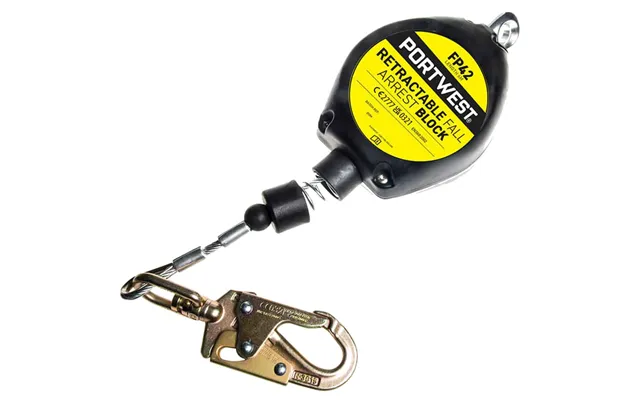
| Portwest 10m Retractable Fall Arrest Block - Black | £ 307,- |