

Disposable Cameras price list
Last updated Monday, 19 Oct 2026



View 11 Offers
Loading...
Last updated Monday, 19 Oct 2026
Looking for great prices on disposable cameras without endless scrolling and guesswork? You’re in the right place. The single-use camera has made a full-on comeback in the UK, and for good reason. It’s affordable, fun, and delivers an unmistakable film look that digital filters can’t quite replicate. Whether you’re gearing up for a wedding, a weekend trip, or just want to experiment with film without buying a pricey camera, disposable models offer a low-commitment, high-fun route. Today, you can easily compare popular offers and build your own price list by checking multiple retailers side by side through a comparison site like ZoneOffer, ensuring you don’t overpay for those memorable snaps.
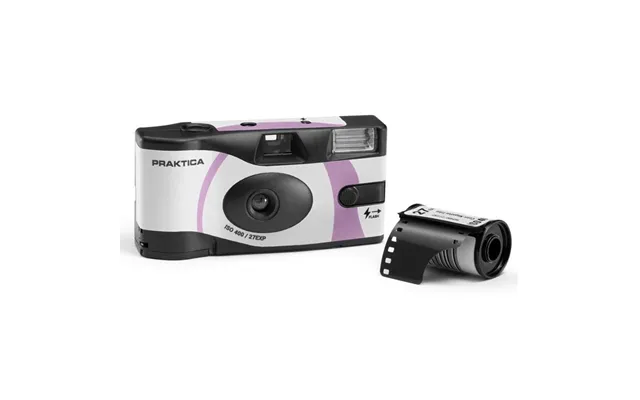
A disposable camera—often called a single-use camera—is a simple, pre-loaded point-and-shoot designed to capture a roll of frames and then head off for development. It’s the easy-going cousin to pro film gear: fixed lens, fixed settings, and a handy flash for darker scenes. That simplicity is part of the charm. If you want to focus on moments rather than menus, this is your ticket. They’re perfect for parties, festivals, seaside days, school events, family gatherings, and travel. Hand one to a friend, pass a few around at a wedding reception, or keep one in your bag for spontaneous adventures. In a world bursting with tech, these little cameras slow you down—in the best possible way.
Before you pick a model, compare a few key features to make sure you get the right fit. Exposure count matters—many popular models offer around 27 shots, while some go higher. Film speed is next: ISO 400 is a solid all-rounder for everyday light, and ISO 800 can help in dimmer scenes. Look for a built-in flash with a usable range suitable for indoor portraits. If you’re heading to the beach or pool, consider a waterproof single-use camera with a rugged housing. Some cameras lean toward vivid colour, others toward fine-grain black-and-white—both are beautiful, just different moods. Finally, check recycling options and whether the brand offers a way to recover materials after processing.
While prices can fluctuate, a quick price list across UK retailers usually shows a few consistent front-runners. Brands like Fujifilm, Kodak, Ilford, and Lomography regularly appear in popular offers. The Fujifilm QuickSnap remains a go-to for dependable colour, Kodak’s FunSaver is beloved for punchy tones, Ilford’s HP5 single-use shines for timeless black-and-white, and Lomography’s Simple Use series caters to creative types with flash colour gels and a playful aesthetic. You’ll often see waterproof single-use cameras priced a bit higher due to rugged housings. When comparing, consider multi-packs, seasonal promos, and bundle deals with development included—these can significantly improve value if you’re shooting more than one camera.
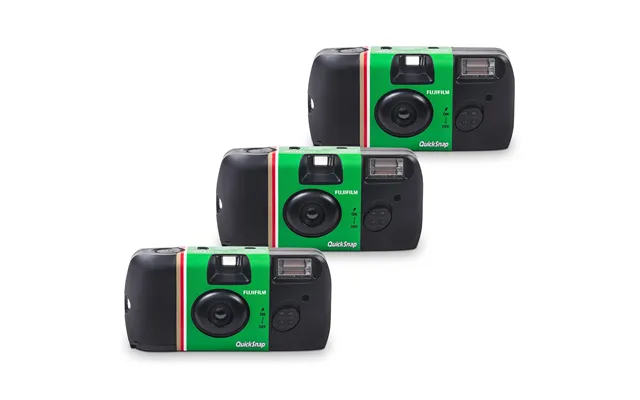
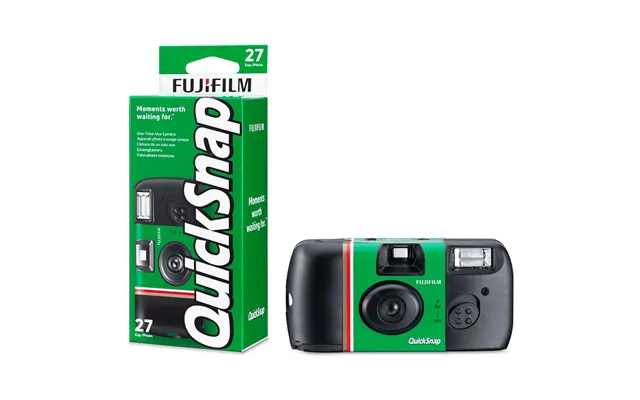
The Fujifilm QuickSnap is the classic all-rounder. It’s designed to be easy in the hand and forgiving in mixed light, thanks to an everyday film speed and a built-in flash. If you want crowd-pleasing colour and consistent results across a variety of scenes—street, family outings, or a pub night—this camera is a safe bet. It typically offers a generous exposure count for casual shooters, and the flash has a practical range for group photos at arm’s length. Think of it as a dependable mate that doesn’t fuss, doesn’t require settings, and just lets you enjoy the moment. No frills, no stress, just crisp snapshots with a warm, nostalgic feel.
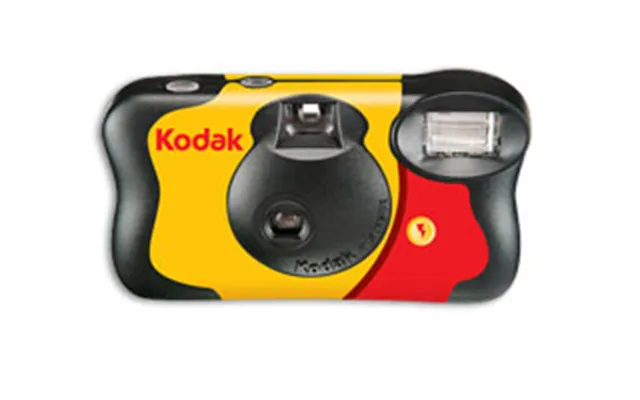
Kodak’s FunSaver has a reputation for lively, saturated colours that pop, making it a favourite for parties, festivals, and sunny days. Skin tones come out flattering, skies are punchy, and the overall look is bold without feeling overcooked. It’s equally at home indoors thanks to a straightforward flash that covers typical social distances. If you’re planning a big night out or a backyard barbecue, this is an easy recommendation. You’ll often spot the FunSaver in multi-pack deals, which can bring down your per-camera cost. The result? More frames to share out at events, more spontaneous candids, and a little extra wiggle room to experiment without worrying about wasting shots.
Craving that classic monochrome look? The Ilford HP5 single-use camera serves up rich tones and lovely grain structure that flatter everything from portraits to street photography. It’s the choice for anyone who appreciates the mood and storytelling power of black-and-white. Indoors or outdoors, HP5 handles contrast well, preserving details in highlights and shadows without losing character. It’s also forgiving under mixed lighting, and the flash helps keep faces from falling into darkness. Many photographers love using this at weddings to capture documentary-style moments that feel both modern and timeless. If you want your images to look like they’ve lived a little, this little black-and-white box is a gem.
The Lomography Simple Use series is perfect when you want fun, experimental flair right out of the box. Some variants include coloured gels that slide over the flash, casting your subjects in dreamy hues. Think moody blue portraits, candy-coloured party shots, and surreal late-night city scenes—all achieved with zero editing. Although the Simple Use is sometimes reloadable, many shoppers treat it like a disposable for convenience, then decide later if they want to keep tinkering. It’s a playful pick for creative types who want to break the rules, make happy accidents, and rediscover the surprise of film. If you love an artsy vibe, you’ll enjoy this approach.
Headed to the coast, the pool, or a splashy festival? A waterproof single-use camera belongs in your kit. These models come sealed in rugged housings that can handle splashes and often submersion, commonly rated to around 33 feet. That’s deeper than your typical pool session and well within casual snorkelling territory. The controls are simple, the grips are textured, and the shutter button is easy to press even with wet hands. While underwater clarity depends on how still the subject is and how clear the water feels, the results can be magical—sunlit ripples, bold swimwear colours, and candid grins you couldn’t capture with a phone tucked in a bag.
Prices can vary more than you’d expect, so a smart approach is to compare across multiple retailers at once using a comparison site like ZoneOffer. Look for seasonal promotions—summer and December parties often bring competitive pricing—and watch for multi-packs that lower the per-camera cost. Consider bundles that include development or scanning if you want an all-in package without juggling separate services. Don’t ignore shipping costs or delivery minimums; they can tilt the final price. If you’re buying for a wedding or event, purchasing in bulk can yield serious savings, especially if you plan ahead rather than rushing in the week before your big day.
Film speed, measured as ISO, affects how well your camera handles various lighting conditions. ISO 400 is the everyday sweet spot for outdoor scenes and well-lit interiors, while ISO 800 can help when light dips. Flash range is equally important: most built-in flashes work best within a window of roughly 3 to 10 feet. Too close and faces can wash out; too far and the flash won’t reach. Exposure count determines how many frames you can shoot before development—common options are around 27 or higher for those who want extra breathing room. Understanding this trio helps you pick the right camera for your location and season.
Want consistently sharper, brighter photos? Start with light. Outdoors, position the sun over your shoulder to avoid harsh backlighting. Inside, don’t be shy about using the flash; keep your subjects within that 3 to 10 feet sweet spot. Brace yourself against a wall or hold the camera with two hands to steady your shot—blur is the most common casualty when the lights dim. If you’re capturing a group, ask everyone to pause for a beat and smile; a steady second can save a frame. And remember, these cameras love texture and colour—brick walls, neon signs, patterned clothing, all of it looks fantastic on film.
Even with fixed settings, you can elevate your results with a few creative habits. Fill the frame: step closer so faces and details dominate rather than getting lost in the background. Look for lines and patterns—stair rails, tiled floors, or street markings—that guide the eye. Shoot in bursts of two or three frames when something magical is happening; you’ll improve your odds of catching the perfect expression. If you’re at an event, hand the camera around and invite guests to add their perspective. The resulting mix feels like a time capsule, stitched together by different eyes and personalities. That’s the secret sauce of single-use cameras—shared, unpolished storytelling.
Once you’ve burned through your frames, development is the next stop. In the UK, you can use local photo labs, mail-in services, or select supermarket counters that still process film. Many services now include high-resolution scans delivered online so you can share your favourites instantly. Turnaround times vary, but you can usually expect a few days to a week. If you’re in a hurry, check for fast-track options. When comparing development, factor in scanning quality and whether you’ll get digital downloads or a memory stick. Love prints? Order a set of glossy or matte photos and pair them with a small album for that tangible, old-school feel.
Disposable doesn’t have to mean wasteful. Many brands and labs participate in reuse and recycling schemes that recover parts and materials after processing. When you’re done shooting, hand the whole camera in at the lab rather than peeling it open yourself. The lab can safely retrieve the film, process it, and route the shell where it belongs. If you’re eco-minded, look for suppliers who publish details about their recycling and energy practices. You can also reuse prints by gifting mini albums to friends and family instead of buying novelty trinkets for events. It’s a small gesture that extends the life of your photos and reduces clutter.
Disposable cameras shine when you want everyone involved in the storytelling. At weddings, place a few on each table with a simple note encouraging guests to document the night from their seats. On trips, keep one in your day pack for unplanned moments when you’d rather not risk your phone near water or sand. For birthdays and festivals, designate a “photo captain” who roams with a camera to capture behind-the-scenes fun. You’ll end up with a mix of posed portraits and candid shots that feel alive. There’s joy in the delayed gratification too—waiting for development turns viewing into an event of its own.
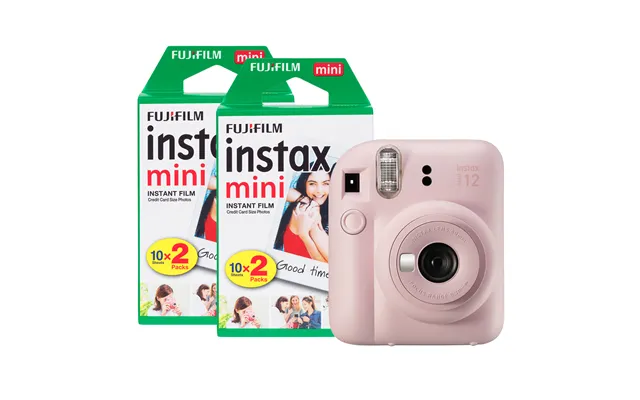
To finish your workflow, consider development bundles that include high-quality scans so you can store and share images easily. Photo albums, simple frames, and scrapbooks make great companions for prints, while a small lightbox or a desktop viewer can add a touch of nostalgia. If you want similar simplicity with repeat use, explore reusable point-and-shoot film cameras or hybrid instant cameras for same-day prints. Film lovers might also enjoy a handheld scanner for digitising prints at home. Whatever you choose, keep your setup light and friendly—the whole point is to have fun without getting bogged down in gear.
Costs depend on brand, exposure count, and extras like waterproof housings, but you can usually find strong value options without stretching your budget. Keep an eye out for multi-pack promotions—buying two or three at once often reduces the per-camera price. Wedding shoppers can save by ordering in bulk well ahead of the date. If you’re planning to shoot several cameras over a season, look for development subscriptions or bulk scanning rates. Don’t forget to factor in processing and prints when planning your spend. By comparing prices across several UK retailers through a dedicated comparison site, you’ll quickly spot the best deals and avoid paying over the odds.
Most misfires are easy to dodge. Don’t shoot beyond flash range indoors or your subjects will be lost in the dark. Avoid covering the lens or flash with a finger—an easy slip when you’re excited. Don’t rush winding or you might cause a misframe. Resist opening the camera yourself; you can expose the film and miss the chance for recovery or recycling. Be careful with mirrors or shiny surfaces that can reflect the flash too harshly. And in bright sun, watch for deep shadows across faces—ask your subjects to step into open shade or turn slightly so the light hits more evenly. Small tweaks, big improvements.
In a sea of instant gratification, disposable cameras offer something refreshingly different: intention. You get a limited number of frames, so you slow down, look closely, and press the shutter with purpose. Later, you share the results with friends and family the old-fashioned way—around a table, passing prints, laughing at the surprises. It’s not just about “retro vibes”; it’s about presence. The process builds anticipation and turns photography into an experience rather than a habit. If you’re craving that kind of connection with your images, a single-use camera is a small, affordable step that pays back in memories you’ll treasure for years.
From Fujifilm QuickSnap and Kodak FunSaver to Ilford’s black-and-white beauty and waterproof adventure options, the UK scene for disposable cameras is lively, affordable, and full of personality. Compare popular offers across retailers with a dedicated comparison site like ZoneOffer to find the best price for your needs, whether you’re buying a single camera for a weekend or stocking up for a big event. Keep a few shooting tips in mind, plan your development route, and embrace the element of surprise. Your photos won’t just look different—they’ll feel different, in all the ways that matter most.