
Sesame Sticks price list
Last updated Sunday, Sep 13, 2026





View 5 Offers
Loading...
Last updated Sunday, Sep 13, 2026
If you love snacks that are crunchy, salty, and a little nutty, sesame sticks are the low-effort hero of your pantry. Think of them as the crunchy cousin of crackers with an addictive sesame seed personality—perfect for mid-afternoon munching, lunchbox add-ins, or a bowl at a party. They’re portable, shelf-stable, and come in a range of textures from light and airy to dense and hearty, which makes them a snack chameleon for nearly every occasion.
Not all sesame sticks are created equal. Manufacturers play with dough, oil, seed ratios, and seasonings to create different experiences—from toasty and savory to sweet and glazed. Knowing the main types helps you pick the one that matches your cravings.
These are the baseline: a wheat- or rice-based stick studded with toasted sesame seeds and a light seasoning of salt and sometimes garlic or onion powder. They’re ideal when you want a reliable crunch and a clean sesame flavor that pairs well with dips and cheeses.
If you like a kick, spicy sesame sticks bring in chili, wasabi, or black pepper. Other flavored versions layer in soy sauce, teriyaki, or barbecue profiles, turning a simple snack into a bold bite. These are great when you want a standalone snack with personality.
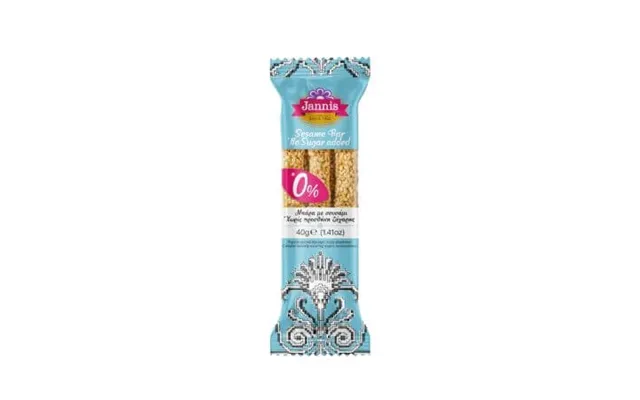
For a dessert-adjacent option, sweet sesame sticks or sesame snaps caramelize seeds with honey or sugar. They have a brittle, candy-like quality—think of them as the bridge between candy and seed-based snacks. Pair with coffee or tea for a satisfying finish to a meal.
Gluten-free sesame sticks are commonly made with rice flour, chickpea flour, or other alternative grains. They deliver similar crunch and sesame taste without gluten, perfect for anyone avoiding wheat. Always read labels to confirm cross-contamination practices if you have celiac disease.
When you’re shopping, it helps to know how sesame sticks stack up against other popular snacks. Are they healthier than chips? Do they provide better crunch than pretzels? Let’s compare.
Pretzels offer a denser chew and typically milder flavor, while sesame sticks bring a nuttier profile thanks to actual sesame seeds. If you want more flavor per bite, sesame sticks often win; for dunking and hearty chewing, pretzels might be your pick.
Roasted chickpeas deliver a high-protein, grain-free crunch and are often denser and more filling. Sesame sticks are lighter per ounce but deliver a bolder, seed-forward flavor. Choose chickpeas for protein, sesame sticks for snacking satisfaction.
Plantain chips are starchy and crunchy with a distinct sweet-savory plantain taste, while rice crackers are light and airy. Sesame sticks fall between these two: they’re crunch-forward like chips but flavorful like rice crackers with added seed texture.
Are sesame sticks “healthy”? That depends on the variety and portion size. They can be a reasonable snack when eaten in moderation, but flavorings and oils can add calories and sodium quickly.
Typical sesame sticks range from about 120 to 170 calories per 1-ounce serving, with 6–10 grams of fat and 2–4 grams of protein depending on ingredients. If you’re watching calories, measure servings rather than eating straight from the bag—those ounces add up fast.
Flavored sesame sticks often carry higher sodium levels because of seasoning blends. If you’re salt-conscious, look for low-sodium labels or choose plain toasted versions. Also scan ingredient lists for trans fats and hydrogenated oils—avoid those when possible.
Sesame is a common allergen, now recognized alongside peanuts and tree nuts in many places. If you have an allergy, check labels closely. For others, sesame seeds offer healthy unsaturated fats, fiber, and minerals like calcium and magnesium, making these sticks a bit more nutritious than plain potato chips.
Picking a good bag means checking a few key things: ingredient quality, seed-to-dough ratio, and price per ounce. A little label reading goes a long way.
Look for recognizable ingredients like wheat flour, sesame seeds, sunflower or canola oil, and salt. Avoid snacks packed with long, unpronounceable additives. If the product lists sesame seeds near the top, you’ll get more authentic sesame flavor.
When hunting for deals, compare price per ounce rather than total price. Larger bags often provide better value, but be realistic about how much you’ll actually eat before freshness declines. Bulk buying is smart only if you’ll finish the bag.
Quality sesame sticks have visible seeds embedded throughout, not clumped on the surface. The texture should be consistent—no overly greasy spots or stale-sounding crunch. If you can sample before buying, do it; otherwise, trust reputable brands and reviews.
Sesame sticks aren’t just for dipping. With a little creativity, they can transform salads, bowls, and even baked dishes. Think of them as crunchy confetti that adds both texture and a toasty sesame note.
Hummus, tzatziki, baba ghanoush, and avocado mash are natural partners for sesame sticks. Their saltiness and crunch balance creamy dips beautifully, making for quick party platters or snack-time pairings.
Swap croutons for crushed sesame sticks on Asian-inspired salads or rice bowls. They add texture without the heaviness of fried croutons and work especially well with sesame oil-based dressings.
Mix sesame sticks with nuts, dried fruit, and a few dark chocolate chips for a sweet-savory trail mix. The seed crunch contrasts well with chewy fruit and creamy chocolate, creating an addictive hand-to-mouth snack.
Pulse sesame sticks in a food processor to create a crunchy crust for chicken tenders or fish fillets. Combine crumbs with panko or crushed crackers for a nutty, flavorful coating that fries or bakes beautifully.
Want to control the ingredients and experiment with flavors? Homemade sesame sticks are surprisingly straightforward and deliver fresh, warm crunch that store-bought versions can’t match.
2 cups all-purpose flour, 1 teaspoon baking powder, 1 teaspoon salt, 1/4 cup sesame seeds (toasted), 1/4 cup olive oil, 1/2 cup water (adjust as needed), 1 tablespoon honey or sugar (optional), 1/2 teaspoon garlic powder, extra sesame seeds for topping.
Preheat your oven to 375°F. In a bowl, whisk flour, baking powder, salt, toasted sesame seeds, and garlic powder. Stir in olive oil and honey, then add water slowly until a firm dough forms. Roll the dough out to about 1/8-inch thick on a floured surface and cut into 3-inch by 1/4-inch strips. Place on a parchment-lined baking sheet, brush lightly with oil, and sprinkle with extra sesame seeds. Bake for 12–15 minutes until golden brown and crisp. Cool completely before storing in an airtight container.
Proper storage keeps sesame sticks crunchy and extends their shelf life. Treat them like crackers—air is their enemy.
Store sesame sticks in an airtight container or resealable bag at room temperature, away from heat and humidity. Kept properly, they will stay crisp for 2–3 weeks; check the package for “best by” dates for longer guidance.
If your sticks lose their crunch, pop them on a baking sheet and heat at 300°F for 5–7 minutes. Let cool completely before tasting to avoid burns. This restores crispness without changing the flavor too much.
Measure out 1-ounce servings into small bowls or reusable snack bags to avoid overeating. A 1-ounce portion is usually about a handful and helps you enjoy the snack without consuming excess calories or sodium.
Want a bargain? Shopping smart means comparing price per ounce, watching for sales, and checking both online retailers and local stores. Subscription boxes and bulk retailers often carry competitive prices on seeded snacks.
Snack sales often appear around holidays and sporting seasons. Stock up when you see multi-buy promotions or coupons, but remember to compare unit prices. A 16-ounce bag on sale for a lower per-ounce price beats a smaller bag at full price.
Comparison websites and price-tracking tools help you find the best deals across stores and online marketplaces. They’re especially useful if you buy in bulk or want to compare specialty flavors and brands without hopping between sites.
Sesame sticks are surprisingly versatile when it comes to pairings. Whether you’re hosting a casual gathering or building a lunchbox, the right companions can elevate the experience.
Pair sesame sticks with semi-soft cheeses like Havarti or Manchego for a delightful contrast. Add a slice of prosciutto or salami and a few olives for a minimalist charcuterie board that’s easy to assemble.
For a casual pairing, light pale ales or crisp white wines like Sauvignon Blanc complement sesame sticks well. The beer’s carbonation cuts through the oil; the wine’s acidity balances salt and nutty flavors.
Try sesame sticks with fruit preserves or a smear of ricotta and honey for a sweet-savory twist. The combination works well as a quick dessert or upscale snack tray offering.
Conclusion: Whether you’re a seasoned sesame fan or curious about salty, seed-forward snacks, sesame sticks deserve a place in your pantry. They’re convenient, versatile, and range from simple to gourmet depending on the brand or recipe. With proper storage, smart buying habits, and a few creative pairings, sesame sticks can be a go-to snack for everyday munching and entertaining alike. Try making them at home or hunt for flavored varieties to match your taste—and don’t forget to compare prices so you get the best value per ounce.