


Stump Shrinkers price list
Last updated Monday, 19 Oct 2026
| Stump Shrinkers | Price |
|---|---|
| Stubbs The Zombie In Rebel Without A Pulse 2021 | £1.17 |

Loading...
Last updated Monday, 19 Oct 2026
| Stump Shrinkers | Price |
|---|---|
| Stubbs The Zombie In Rebel Without A Pulse 2021 | £1.17 |
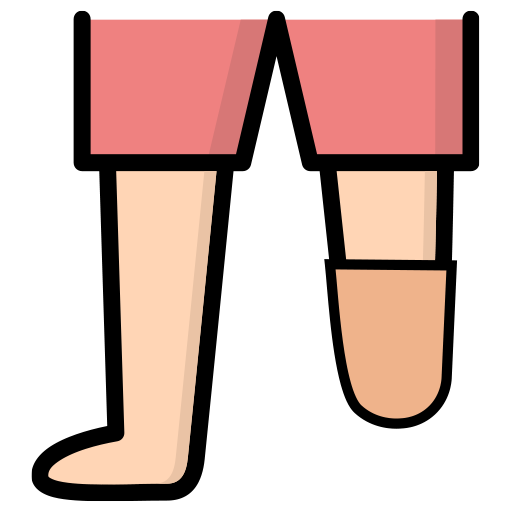
Stump shrinkers—sometimes called residual limb shrinkers—are medical-grade compression sleeves designed to reduce swelling, shape the limb, and make daily life more comfortable after an amputation. If you’re preparing for a prosthesis, the right shrinker can help you reach a stable, consistent shape faster. Looking to make sense of your options in the UK? You’re in the right place.
In the early days and weeks, swelling and fluid can pool in the residual limb. A stump shrinker applies gentle, consistent pressure to move that fluid, tame edema, and guide the limb into a smooth, conical shape. That shaping isn’t just cosmetic—it’s how you get closer to a comfortable prosthetic socket fit.
Whether you’re below-knee (BK) or above-knee (AK), compression can help. BK users often focus on ankle-to-knee shaping with snug, tapered designs. AK users may want longer models with graduated pressure across the thigh. Many people also wear shrinkers overnight (if cleared by a clinician) to keep morning swelling in check.
Not all shrinkers are built the same. You’ll find a few main categories—each with its own feel, durability, and day-to-day perks. Understanding the differences can save you time, money, and frustration.
These classic, breathable sleeves are soft, stretchy, and easy to live in. They’re usually a blend of cotton, nylon, and elastane, and they come in tapered shapes for BK and longer cuts for AK. If you want reliable all-day comfort and simple care, this style is a solid starting point.
Prefer a grippy, cushioned interior? Gel-lined shrinkers add a thin silicone interface that hugs the skin to reduce rolling and friction. They can feel cooler to the touch and often stay put even during activity. If skin comfort and “no-slip” support are your top priorities, these are worth a look.
Velcro-style wraps let you fine-tune pressure bands across the limb. They’re handy if your volume fluctuates during the day or if you want an easier on/off routine. Because they’re adjustable, they’re popular for sensitive skin or early rehab when fit can change quickly.
In the very early stages, your care team may recommend soft dressings, protective stump socks, or gentle elastic bandages. These aren’t full replacements for shrinkers, but they can bridge the gap until your incision heals and you’re cleared for firmer compression.
When you’re browsing offers, look beyond the headline and zoom in on the details that affect comfort and results. The right mix of features can make daily wear a breeze—and the wrong mix can end up in the drawer.
Match the shrinker to your residual limb. Many BK models are tapered to encourage a conical shape, while AK models run longer. Measure your circumference in inches at several points and choose a size that’s snug but not restrictive. If you’re between sizes, consider your swelling pattern and comfort preferences.
You’ll see compression described in general terms like light, moderate, and firm. Early on, a lighter feel may be more comfortable, while a more confident walker might prefer something firmer. If you’re unsure which to pick, start light to moderate and take cues from your clinician’s advice.
Look for wide, soft top bands that stay put without digging in. Anti-roll edges help prevent that frustrating “tourniquet” effect. Flat or minimal seams reduce hot spots. If you’ve had issues with rolling or pinching before, prioritize a band design made to resist it.
If you run warm or perspire easily, breathable knits and moisture-wicking linings are essential. Some fabrics include odor-resisting treatments or gel pads for sensitive areas. For easily irritated skin, hypoallergenic materials and smooth interior finishes can make all the difference.
Fit is where comfort, shaping, and daily confidence come together. A well-sized shrinker should feel supportive, never painful. If it leaves deep marks or causes tingling, it’s too tight.
Use a soft tape to measure circumference in inches at several points: near the end of the limb, mid-limb, and higher up. Measure first thing in the morning and again late afternoon; if numbers differ, plan for the larger reading or consider adjustable options. Write measurements down—you’ll thank yourself later.
AK shrinkers often need more length and a broader top band to avoid slipping. BK shrinkers benefit from a pronounced taper to guide shaping below the knee. If your residual limb is short, a shorter model can prevent bunching while still delivering targeted compression.
Signs you need to size down: the shrinker slides, rolls, or you lose that gentle “hug.” Signs you need to size up: tingling, numbness, cold skin, or deep indentations. When in doubt, test fit at different times of day because volume can change with activity and fluid shifts.
The best shrinker won’t help if it’s a pain to wear. A simple routine keeps things easy, protects the fabric, and reduces skin friction.
Turn the shrinker inside out to the heel area (or mid-section), place the end over your limb, then gently unroll it up. Smooth wrinkles as you go. Avoid yanking at the top band—slide palms upward instead. The result should feel even, like a steady hug, not a squeeze point.
Struggling with grip? A sleeve donner device or even a thin plastic bag can help the fabric glide. Slip the bag over your residual limb, roll on the shrinker, then pull the bag out from the top. It’s a small hack that makes a big difference in daily comfort.
Take care of your shrinker and it’ll take care of you. Clean fabric keeps its stretch, and gentle handling protects fibers you rely on for consistent compression.
Wash with mild detergent in cool water and air dry flat or on a hanger away from direct heat. Skip fabric softeners—they can coat elastic fibers and weaken support. Rotate at least two shrinkers so one rests while the other works, extending the life of both.
If it loses snap, won’t stay up, or shows thinning or runs, it’s time to replace. A typical daily-use shrinker might last a few months depending on wear, wash habits, and activity level. Trust feel: when support fades, shaping and comfort fade with it.
Let’s be real: comfort drives consistency. The more comfortable your shrinker feels, the more you’ll wear it—and the faster you’ll see the shaping payoff for prosthetic fitting.
Consistent compression helps your limb stabilize in size and contour, making socket casting and later adjustments smoother. Many users notice fewer end-of-day volume swings when they keep a steady routine, which often leads to fewer socket tweaks down the road.
Try a clean, dry limb before donning. Use a skin-friendly lotion at night, not right before wearing. For hot days, keep a spare in your bag and swap into a fresh one midday. If night wear is advised by your clinician, choose soft, breathable models and check skin each morning.
It’s easy to confuse these categories. A quick breakdown can help you build the right combo for your stage of recovery and daily needs.
Shrinkers handle shaping and edema control, especially pre-prosthesis. Liners (often silicone or gel) are typically worn inside a prosthetic socket for cushioning and suspension. Some people alternate depending on the day’s activities or clinician direction.
Stump socks can fine-tune volume inside a socket once you transition to prosthesis. Gel pads protect bony areas. Sheaths reduce friction under liners. While these don’t replace a shrinker’s job, they round out your comfort toolkit as your journey evolves.
Pricing varies with materials, design, and brand reputation. Rather than chasing the lowest number, aim for best value: comfort, durability, and features that match your goals.
Budget-friendly shrinkers often use classic knits and simple bands, which can be perfect for short-term or backup use. Premium models might add gel linings, anti-odor treatments, or reinforced zones for longer life. If you wear yours daily, premium durability can pay off over time.
Using a comparison site like ZoneOffer helps you quickly scan prices, availability, and features from multiple retailers in one place. You can filter by type (BK, AK, gel-lined, wrap), check specs, and spot promotions without hopping from site to site—smart, simple, and efficient.
While availability changes, many users in the UK consider established names known for consistent compression and skin-friendly design. Exploring a few options can help you find your personal sweet spot.
Brands such as Jobst, Juzo, Knit-Rite, Össur, and Medi are frequently mentioned by clinicians and users alike for reliable construction and comfortable fabrics. You’ll find options ranging from simple cotton-blend sleeves to gel-lined designs with anti-roll bands and reinforced edges.
Look for BK models with a clear taper and soft end for comfort around the distal tip. For AK, prioritize longer lengths, smooth seams around the thigh, and top bands that resist sliding during movement. If you’re active, seek reinforced zones that stand up to daily wear.
Compression is powerful—used wisely, it speeds comfort and recovery; used carelessly, it can cause issues. A few guardrails keep you safe.
If you have circulation concerns, skin conditions, diabetes, or wounds that are still healing, get professional guidance on when to start, what level of compression to use, and how long to wear your shrinker each day. Flag any numbness, coldness, or color changes right away.
Immediately after surgery, your team may manage compression with dressings. As healing progresses, you’ll typically transition to a shrinker for shaping, then to liners and socks for prosthetic fitting. Everyone’s timeline is unique—consistency and communication are your best tools.
Little habits make a big difference. Keep a spare shrinker in your day bag. Set a weekly reminder to inspect for wear. Snap a quick photo of your limb every couple of weeks to track shape changes—you’ll spot progress you might otherwise miss.
Pair donning with a daily habit (morning coffee, a favorite podcast) so you rarely forget. Rotate two or three shrinkers to maintain steady compression and hygiene. Traveling? Pack extras in a breathable pouch and let damp ones air out overnight near, not on, a heat source.
Choosing the right stump shrinker is about more than buying a sleeve—it’s about shaping your recovery, improving comfort, and preparing for a prosthesis that fits well. Start with your needs: BK or AK, light or firm, knit or gel-lined. Focus on size, shape, and features that make daily wear easy. Compare options across multiple retailers using a trusted comparison platform, look for quality materials, and keep a simple care routine. With the right pick, compression becomes a quiet partner in your day—steady, supportive, and one step closer to the comfort and mobility you want.