

Yo-Yo Parts & Accessories price list
Last updated Monday, 19 Oct 2026
| Yo-Yo Parts & Accessories | Price |
|---|---|
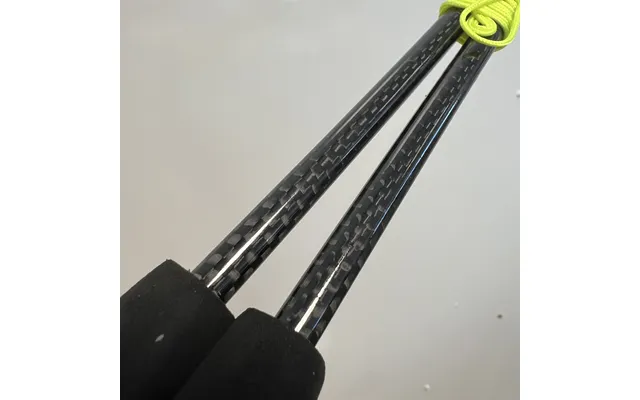
| Super Grind Carbon Diabolo Handsticks | £7.75 |
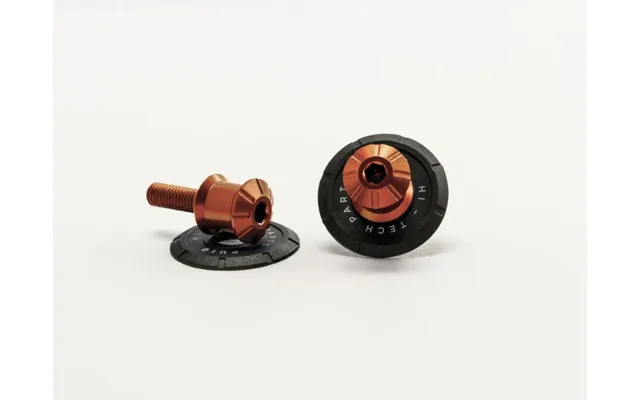
| Puig Swing Arm Spool Slider 10mm For Ktm 1050 Adventure 2015-2016 - Orange | £31.99 |





Loading...
Last updated Monday, 19 Oct 2026
| Yo-Yo Parts & Accessories | Price |
|---|---|
| Super Grind Carbon Diabolo Handsticks | £7.75 |
| Puig Swing Arm Spool Slider 10mm For Ktm 1050 Adventure 2015-2016 - Orange | £31.99 |
If you’ve ever wondered why some yo-yos feel buttery smooth, spin forever, and return on cue, the secret is usually in the parts. Upgrading the right yo-yo accessories—bearings, strings, response pads, axles, even lube—can transform a decent throw into a trick machine. Whether you’re learning your first sleeper or polishing advanced combos, the right component choice equals easier learning, more confidence, and way more fun. The best part? In the UK, there are plenty of offers on yo-yo parts and accessories, so upgrading doesn’t have to cost a fortune.
Think of the bearing as the engine. It controls spin time, responsiveness, and overall feel. Most modern trick yoyos rely on unresponsive setups, while beginners often prefer responsive bearings for instant returns. You’ll see lettered bearing sizes like A, B, and C—C is common in many modern throws, while A and B show up in classic or specialty models. Beyond size, you’ll find flat, concave, and center-trac style designs, each subtly influencing string centering and stability. Choose wisely, and your yo-yo instantly feels upgraded.
New to the hobby? A responsive bearing makes the yo-yo return to your hand with a simple tug. It’s forgiving, perfect for first tricks, and helps you build basics. Unresponsive bearings, on the other hand, sleep longer and require a bind to return—great for complex string tricks. If you’re transitioning, consider starting with a responsive setup and switching to unresponsive as your skills grow. Many players keep both on hand so they can swap depending on the day’s practice goals.
Yo-yo strings are a bigger deal than they look. They affect control, comfort, whip speed, and even how bright your tricks look. Strings also wear out faster than other parts, so stocking up on a bundle of high-quality options makes sense—especially when you spot a good deal in the UK. Typical string length hovers around the mid to upper 30s in inches; adjust by cutting to your belly button height for an easy rule of thumb. Fresh string equals smoother binds and fewer knots.
Polyester is king for modern play: it’s smooth, durable, and holds tension well. Cotton strings offer a classic feel—great for looping—though they wear faster. Thickness influences control: thicker strings give a cushy, grippy feel and tighter binds, while thinner strings bring speed and less snagging for intricate combos. Most players start with mid-thickness poly and adjust based on preference. For length, aim around your navel when the yo-yo hangs—trim and tie a new loop. That simple tweak makes tricks feel instantly more natural.
The response system is what makes binds and returns predictable. Response pads, stickers, or silicone sit in the yo-yo’s grooves and grab the string when you need it. Soft, grippy pads return easier; firmer pads last longer and feel snappier with unresponsive play. If your yo-yo suddenly stops returning or starts snagging, the response is the first place to check. The good news? Response options are affordable, and you can try different types to see what clicks with your style.
Pads are the modern standard: easy to install, consistent, and available in various profiles and firmness. Stickers—common in older or classic models—are simple and cheap, great for quick fixes. Flowable silicone is the DIY route: fill the groove, let it cure, and trim flush. It’s customizable and budget-friendly if you’re comfortable with a bit of tinkering. No matter which you choose, keep a couple of spares in your bag. A fresh response can instantly fix sloppy binds and unreliable returns.
Axles, spacers, and shims quietly control a lot: stability, responsiveness, and how the halves seat together. If your yo-yo vibes, locks up, or doesn’t feel quite right, a misaligned axle or worn spacer could be the culprit. Shims tweak the gap width—tiny changes here can make your yo-yo more or less responsive. It’s all about balance: too tight and you’ll snag; too wide and binds get tricky. Keeping these small parts in good shape prevents headaches and keeps your throw dialed.
Shims and spacers are like micro-adjusters for your response zone. Add a shim to slightly widen the gap for unresponsive play; remove one to nudge the yo-yo toward a snappier return. Spacers set consistent spacing on certain models—especially handy on classics and trainers. If you switch between thick and thin strings, you may want to tweak spacing so binds feel consistent. When in doubt, make small changes and test each throw. The feel you want is only a tiny adjustment away.
These are the flair pieces that unlock new trick doors. Side caps and finger-spin hubs let you land and balance the yo-yo on your fingertip or thumb, adding a slick, modern twist to combos. Some designs include textured cups or hubs to make finger spins more stable. If your yo-yo supports removable caps, swapping to finger-spin-friendly designs can open up a whole trick tree without changing the yo-yo body. It’s an upgrade you feel immediately, on both style and substance.
Hubstacks add spinning posts you can grip while the yo-yo keeps whirring—great for catches, passes, and visual flair. They typically use tiny bearings and need occasional lube just like your main bearing. If your model is compatible, a hubstack kit can give you a whole new toy without buying a new throw. They do add weight and a different balance, so expect a short adjustment period. Once you’re used to them, the creativity spikes fast.
Counterweights let you detach the string from your finger and play freehand (5A). It feels wild at first, but once you learn basic stalls, tosses, and catches, it’s addictive. Counterweights come in many shapes—dice, spheres, cones—and different materials affect swing and control. The key is comfort and safety: a snug knot, a secure attachment, and a weight that matches your yo-yo’s mass. If you love variety, adding a counterweight to your toolkit can refresh your whole routine in a single session.
Dice-style weights offer crisp corners and predictable grabs; spheres feel smooth and swingy; cones split the difference with controlled arcs. Softer materials are friendlier indoors. Heavier weights feel powerful but bite harder on mistakes—start moderate, then experiment. Always attach securely with a reliable knot and check wear points regularly. And practice in open spaces. Freehand tricks are pure fun, but a mindful setup prevents dents, dings, and that awkward thud on the coffee table.
A tiny bottle of lube and a small tool kit can extend bearing life, cure noisy spins, and keep response consistent. Thin lube helps unresponsive bearings spin longer with less noise; thick lube adds responsiveness for beginners or looping play. A simple multitool can remove bearings, cut string, and tweak axles without stripping threads. Keep a clean cloth and some rubbing alcohol handy to wipe off gunk. With a few essentials, you’ll fix most issues in minutes instead of days.
At minimum, carry thin and thick lube, a bearing remover, a small hex or axle tool, trimming scissors, a few spare strings, and extra response pads. Add cotton swabs and rubbing alcohol for cleaning gunked seats and bearing shields. Toss it all into a compact pouch and you’re ready for anything—bind slips, squeaky spins, sudden knots. If you practice daily, this kit pays for itself fast by extending the life of parts and preventing the kind of wear that shortens spin times.
Ever dig through a backpack and find a scratched yo-yo or a crushed pad? Proper storage prevents that. A padded pouch protects a single yo-yo during daily carry, while a hard case secures a collection for travel. Look for cases with foam cutouts and sturdy zippers, ideally sized to fit your favorite throws—say, a compact case around 8 to 10 inches wide for a handful, or a larger option for a full lineup. You’ll thank yourself the first time your bag takes a tumble.
Pouches shine for quick trips; they’re light, soft, and pocket friendly. Hard cases are perfect for events or flights—foam keeps each yo-yo snug and the lid protects against pressure. Holsters clip to your belt loop so your daily throw stays handy without tangling in your pocket. If you commute, a slim hard case about 2 to 3 inches thick slides into backpacks easily. Add a small accessory pocket for strings, pads, and lube, and you’re set for on-the-go sessions.
Your ideal setup depends on how you play. String-trick players (1A) often choose unresponsive bearings, grippy poly strings, and firm pads for tight binds. Loopers (2A) prefer responsive bearings, cotton strings, and classic stickers. Offstring (4A) benefits from tough response and a durable string, while freehand (5A) adds a counterweight to a stable, unresponsive throw. Pick parts that serve your style first; then fine-tune the feel. It’s easier to progress when your setup matches your goals.
For 1A, go unresponsive with a quality C-size bearing, mid-thickness poly string, and firm response pads for reliable binds. For 2A, use responsive bearings, classic cotton or slick blends, and a slightly shorter string for tighter loops. For 4A, choose durable strings and pads that grip well, with a setup that’s forgiving on off-yo catches. For 5A, pair a stable, unresponsive yo-yo with a medium counterweight—the balance should feel predictable, not wild.
There are tons of yo-yo parts and accessories on the market, and prices can swing quite a bit. Comparing deals is the easiest way to stretch your budget. Use a trusted comparison site—such as ZoneOffer, which compares offers across different stores in the UK—to scan prices on bearings, strings, pads, and more. Keep an eye out for bundles—string multipacks, response pad sets, and maintenance kits often deliver the best cost per item. A little homework lands you premium parts for less.
Before you snag that bargain, double-check compatibility: bearing size letters, response pad shape, axle type, and whether hubs or stacks fit your yo-yo model. Many brands—Duncan, YoYoFactory, One Drop, Yomega, CLYW—list supported parts clearly. Time your buys around seasonal sales and event promos for extra savings. And don’t forget shipping thresholds—adding a pack of strings or pads can nudge your order over a free-shipping line from the merchant you ultimately choose through a comparison platform.
Even great setups need TLC. If your yo-yo suddenly feels off, start simple. Replace the string. Clean the bearing and add a drop of the right lube. Check that the axle isn’t cross-threaded and that the halves seat flush. Inspect response pads: worn edges mean weaker binds. If vibes creep in, reseat the bearing and ensure the string isn’t looped around the axle threads. A few minutes of methodical checks solves most issues without replacing a single part.
Short spin times? Dirty or dry bearing, tired string, or a lube mismatch. Poor returns? Worn pads, glazed string, or too-wide gap. Vibe? Misaligned axle, debris in the seat, or a slightly bent bearing. Go step by step: swap string, clean bearing, inspect response, then adjust gap with a shim if needed. Most players learn a signature “fix flow” that gets them back to tricks fast. Build yours, and you’ll spend more time throwing and less time troubleshooting.
Beginners do best with a responsive or semi-responsive setup that forgives mistakes and builds confidence. Intermediates thrive on unresponsive bearings, firm pads, and strings that whip cleanly for binds and slacks. Pros fine-tune everything: pad firmness, string thickness, bearing style, even finger-spin hardware for niche tricks. Across all levels, the rule holds: small parts make big changes. Try upgrades one at a time, keep notes on what feels better, and build your dream setup piece by piece.
Start with fresh strings and response pads—cheap, instant-impact upgrades. Next, try a different bearing style to dial spin and feel. Add thin lube for a smoother, quieter throw. From there, experiment with string thickness and finger-spin hardware if your yo-yo supports it. If you’re curious about 5A, toss a counterweight into the mix. Each step adds flavor without overwhelming your budget, especially if you grab parts when you spot strong UK deals through a comparison platform.
Yo-yo parts and accessories are the secret sauce behind longer spins, cleaner binds, and a setup that feels made for you. With smart choices—bearings that match your style, strings that suit your hands, response that hits that sweet spot—you’ll progress faster and have more fun. The UK market is full of offers on yo-yo parts, so compare prices, grab bundles, and stock your kit with the essentials. Upgrade thoughtfully, maintain regularly, and your yo-yo will reward you every single throw.