All categories
Business & Offices
Electronics & Media
Fashion & Accessories
Groceries & Essentials
Health & Personal Care
Home & Living
Kids & Family
Sports & Outdoors
Search in ZoneOffer

Loading...
Think of bird cage accessories as the furniture, utilities, and playground that transform a basic cage into a comfortable home. They include perches, feeders, waterers, toys, swings, ladders, baths, seed guards, cage covers, and more. Without the right accessories, even a roomy cage can feel like an empty room—echoey, dull, and hard to live in. The right setup keeps your bird busy, helps prevent boredom, supports healthy feet and beak, and makes everyday care easier for you. Want a happier, healthier, less-messy life with your bird? Smart accessories are your secret weapon.
Birds aren’t one-size-fits-all, and neither are their accessories. A finch doesn’t grip a perch like a cockatiel does, and a macaw’s chew toy can turn a small parakeet’s toy into confetti in seconds. Matching perch diameters, toy sizes, and bar spacing to your species keeps your bird safe and engaged. You’ll also want to consider temperament—some birds are gentle explorers, while others are heavy chewers who need tougher materials.
For small birds, look for perches around 0.5 in to 0.75 in in diameter and bar spacing around 0.25 in to 0.5 in. Lightweight toys, millet holders, small swings, and narrow ladders work beautifully. Seed guards help keep the floor tidy, and shallow, clip-on baths are ideal for quick dips. Avoid heavy toys with bulky chains; small beaks and feet do best with finer hardware and softer woods like balsa or thin manzanita branches.
Cockatiels and small conures thrive with perch diameters from 0.75 in to 1 in and bar spacing around 0.5 in. Offer a mix of natural wood perches, a grooming perch near the door, and a platform perch for lounging. Midweight toys, paper shreddables, and light leather strips make for great enrichment. Add a seed guard or catcher to control scatter, and consider a swing placed at a comfortable height so they can nap without feeling wobbly.
For medium parrots, perches in the 1 in to 1.5 in range give a healthy grip and prevent pressure sores. Bar spacing of 0.75 in to 1 in is common. These birds are smart and love puzzles, so add foraging toys that hide treats inside drawers, cups, or cardboard tubes. Stainless steel bowls, sturdy acrylic toys, and tough ropes (kept trimmed and tidy) are a must. A large swing or boing can double as exercise equipment.
Large parrots need beefy gear: perches from 1.5 in to 2 in (or more) depending on the bird’s foot size, and bar spacing from 1 in to 1.5 in. Heavy-duty stainless steel hardware is non-negotiable. Choose dense woods like java or manzanita for perches, and industrial-strength foraging toys that won’t fail in a day. Big birds benefit from multiple feeding stations and platform perches for lounging. A playtop or external play gym keeps them busy outside the cage, too.
Some accessories feel optional, but a few are absolute must-haves for comfort, cleanliness, and daily health. Think of these as your “core kit.” Get them right and everything else becomes easier—feeding, bonding, cleanup, even training routines.
Mix it up: natural branch perches, one grooming perch (near the door for quick toe and nail touch-ups), and at least one platform perch for rest. Natural variations prevent foot fatigue and sores. Place the main sleeping perch high, away from food and bath areas. Avoid a cage full of uniform, dowel-style perches—variety keeps tendons and joints strong. If you add a sanded or grooming perch, use it sparingly and avoid placing it where birds sleep to prevent irritation.
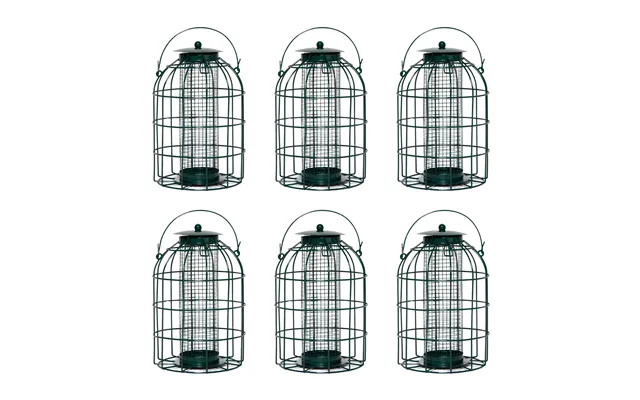
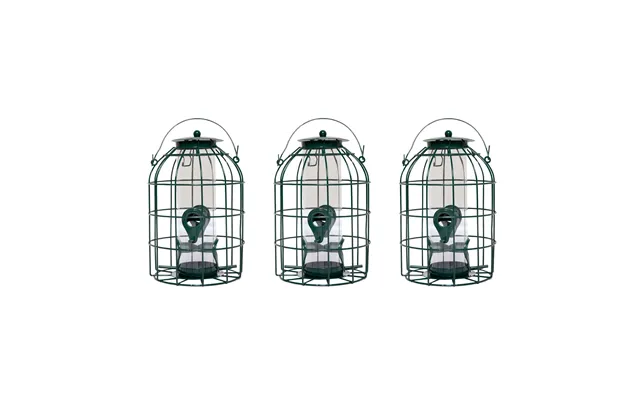
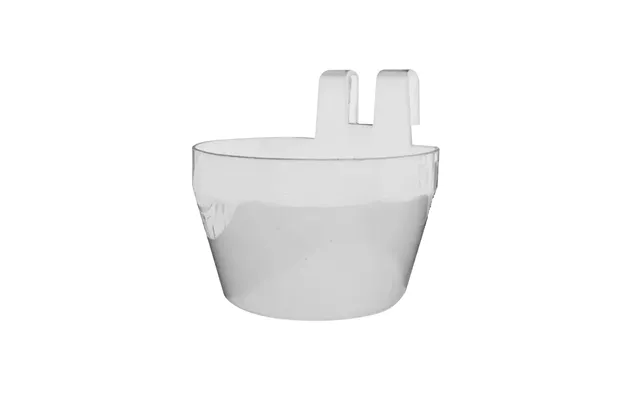
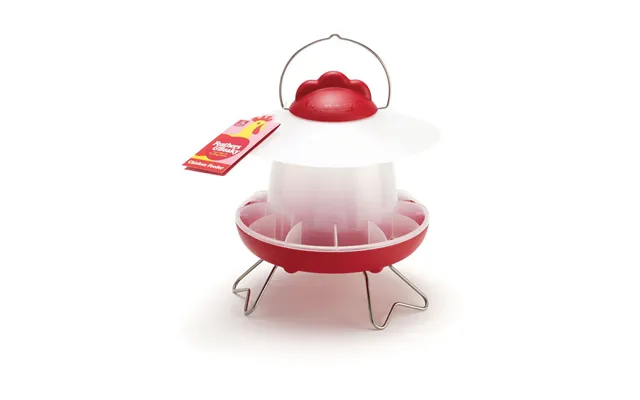
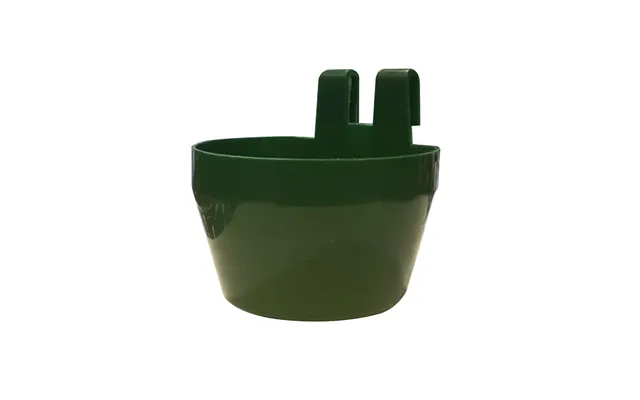
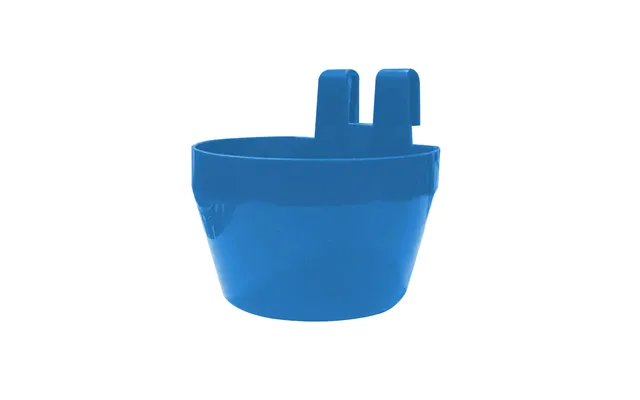
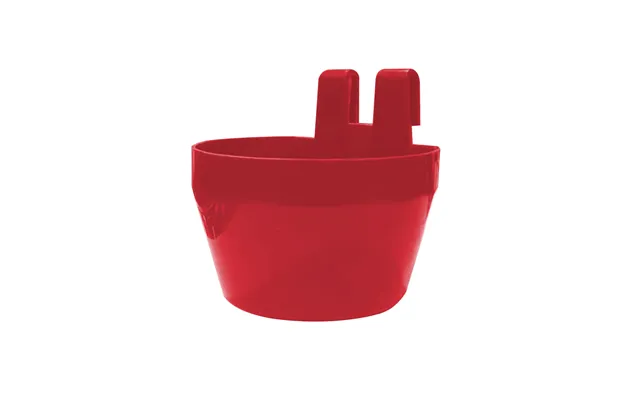
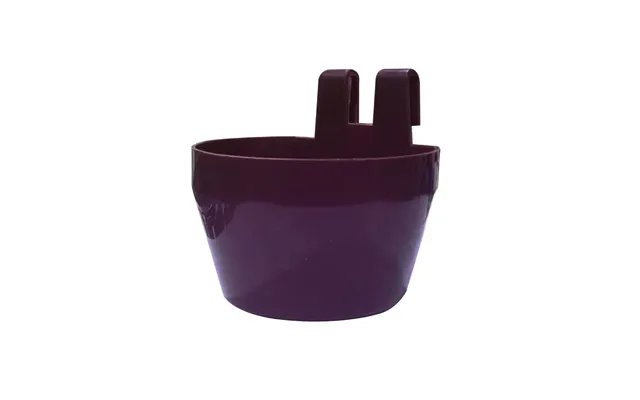
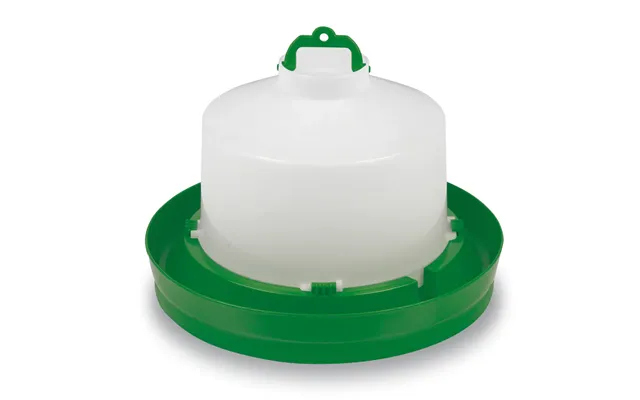
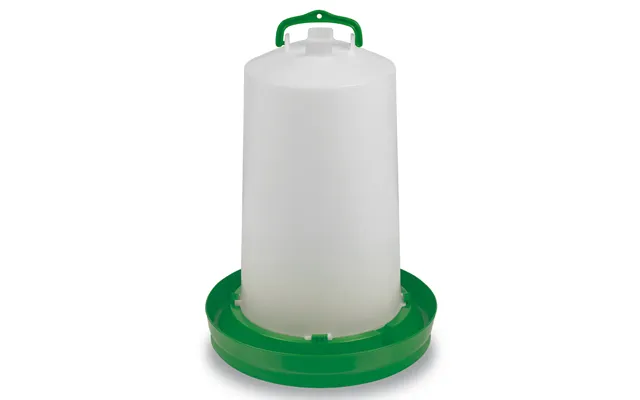
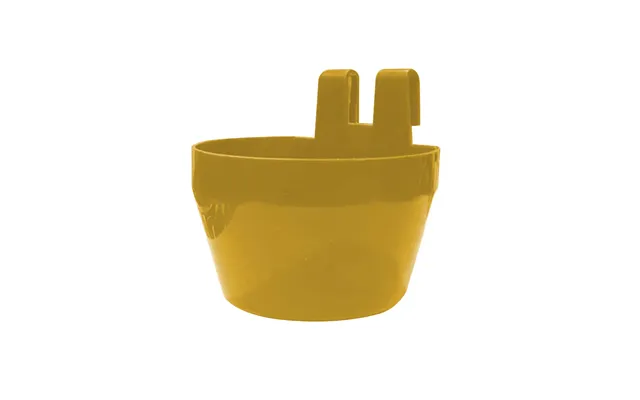
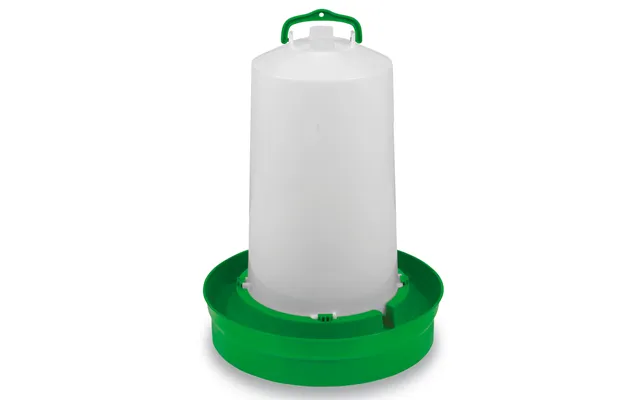
Stainless steel bowls or high-quality, food-grade acrylic cups are durable and hygienic. Position at least two feeding stations: one for dry food and one for fresh items. A covered feeder or seed guard can dramatically reduce waste on your floor. For small birds that fling seed like confetti, a seed catcher skirt around the base of the cage works wonders. Consider a gravity waterer if you’re away for longer stretches, but check it daily for freshness.
A clean bird is a comfortable bird. Many species enjoy shallow, clip-on baths; others prefer misting. If you add an internal bath, keep it low to prevent splashes soaking perches. External baths that attach to the door keep the mess contained. Don’t forget cuttlebone or mineral block holders—quick, easy access helps keep beaks busy and supplies trace minerals.
Imagine living in a room with no books, no TV, no puzzles—boring, right? Enrichment fills your bird’s day with interesting problems to solve and textures to explore. Chewing, shredding, climbing, swinging, and foraging are natural behaviors, and toys channel all that energy into safe activities.
Rotate chew toys weekly to keep them novel. Use bird-safe woods like balsa for gentle chewers, pine for moderate beaks, and manzanita or java for heavy-duty nibblers. Leather strips (vegetable-tanned), palm leaf plaits, cork chunks, and seagrass mats add texture. Keep metal components stainless steel or nickel-free; avoid anything that looks dull gray or powdery, which can indicate zinc.
Foraging toys turn mealtime into a scavenger hunt. Start easy: paper-wrapped treats, cups with lids, or a simple ball with a treat window. Then level up to drawer puzzles and acrylic boxes. Spread small foraging opportunities across the cage so your bird has to explore to find them. For larger parrots, stainless steel skewer toys threaded with vegetable chunks are a safe, reusable option.
Ladders help birds move between perches without wing-flapping, great for older or cautious birds. Swings teach balance and provide gentle motion; place them away from walls so tails don’t rub. Climbing nets or boings (rope spirals) add vertical terrain. Check knots and trim loose threads regularly to prevent toe snags.
Beyond toys and bowls, your bird’s environment sets the tone for sleep, mood, and health. Getting light, air, and temperature just right can transform behavior and reduce stress squawks dramatically.
A breathable cage cover helps set a predictable sleep routine and blocks drafts at night. Choose a dark, lightweight cover and allow for airflow at the bottom. Keep the bedtime consistent—many birds thrive with around 10 to 12 hours of darkness. If your home stays bright late into the evening, a cover is a simple win.
Birds benefit from a consistent day–night cycle. A full-spectrum fixture designed for birds can support natural rhythms. Mount lights outside the cage and follow the manufacturer’s distance guidance, ensuring the bulb isn’t within grabbing range. Always provide shaded areas so your bird can choose where to sit. Replace bulbs per the maker’s timeline to maintain output.
Keep the cage away from vents, doors, and windows with strong drafts. Avoid direct blasts from heaters or air conditioners. If the air gets dry, use a room humidifier nearby (not blowing into the cage) and clean frequently to prevent buildup. Think cozy and steady, not hot and stuffy. If your bird pants or spreads wings to cool down, the room is too warm; if it’s puffed up and still, it may be too cool.
Smart layout turns the same cage into a totally different experience. Imagine walking through your home: you have a kitchen, a living room, and a bedroom. Your bird benefits from “zones” too—feeding, playing, bathing, and sleeping areas mapped out for comfort and safety.
Match bar spacing to your bird: tiny birds do best around 0.25 in to 0.5 in; medium parrots often use 0.75 in to 1 in; larger parrots can go up to 1.5 in. Wrong spacing risks head or toe entrapment. Use stainless steel or high-quality, bird-safe coated hardware; avoid bargain clips that flake or chip. Tighten quick links regularly and check for wear.
Put the sleeping perch high and away from food and bath zones. Place food and water bowls offset to reduce droppings contamination from above. Keep swings and boings away from walls to protect tails and paint. Foraging toys can go mid-level to invite exploration. Leave a clear “flight path” or climb path so your bird can move without bumping into things.
Make hygiene effortless: use cage liners or newspaper sheets you can roll up daily. Choose removable bowls and perches, and consider a seed catcher skirt to simplify sweeping. A handheld vacuum near the cage saves time. For deep cleans, a mild, bird-safe cleaner and hot water are usually enough—rinse thoroughly and dry before reassembly.
Accessories live in your bird’s mouth, under its feet, and next to its face—materials are everything. A “good deal” isn’t good if it sheds chips, rusts, or sneaks in unsafe metals. When in doubt, upgrade the material quality first; it pays for itself in safety and longevity.
Stainless steel bowls and hardware are durable and easy to sanitize. Quality powder-coated cage add-ons resist rust and are gentle on feet. Acrylic toys can be great for puzzle-loving birds, but choose thick, sturdy pieces and inspect for cracks. When you’re comparing offers, materials are a top filter—stainless steel and premium coatings are worth the extra pounds for safety and lifespan.
Natural woods like manzanita, java, and dragonwood last longer and offer varied diameters. Softer woods like pine or balsa are fantastic for shredders. Cotton rope perches feel comfy but need regular trimming to remove frays; sisal offers more grip but can be rough if not finished well. Ensure glues in toys are non-toxic and safe for pets—reputable brands will say so.
Zinc and lead are the villains in the hardware world. Watch for dull gray coatings, flaking finishes, or suspiciously cheap chains and clips. Choose stainless steel or clearly labeled, bird-safe metal. If a magnet sticks strongly to a shiny “stainless” piece, be cautious—some alloys are mixed. When in doubt, swap the hardware for verified stainless steel parts.
Bird gear can add up, but smart shopping stretches your budget without compromising safety. Popular accessories often go on promotion, and comparing multiple sellers helps you spot real value versus flashy packaging. Don’t just chase the lowest price—check material, size, and verified reviews. A solid perch, a quality feeder, and a safe toy rotation beat a basket of bargains that break.
Budget picks can shine if they stick to simple designs with good materials—think stainless steel bowls, basic foraging cups, and natural branch perches. Mid-range items often add features like adjustable mounts, better coatings, and more durable toys. Premium gear steps up with stainless steel builds, artisan woods, and robust puzzle toys for heavy chewers. Balance your mix: invest in the pieces your bird uses daily, and refresh lower-cost shreddables regularly.
Using a comparison site like ZoneOffer lets you scan popular offers across multiple retailers without hopping tab to tab. You can weigh specifications, materials, and user feedback side by side to see which accessory truly fits your bird and your budget. It’s a faster way to separate hype from quality and find the right pick at a fair price.
If a perch is getting smooth and slippery, a toy is chewed to the core, or a feeder’s clips wobble, it’s upgrade time. Also upgrade when your bird steps up in confidence or size—young parrots often need sturdier toys and denser woods as their beaks strengthen. Keep a small “upgrade fund” so you can replace worn items before they fail.
Sometimes you’re solving a specific problem: overgrown nails, a nervous traveler, or a bird that seems bored by everything. Tailored accessories can help you target the issue with precision and kindness.
Grooming perches with a textured surface can help with light nail maintenance, but don’t rely on them alone and avoid using them as sleeping perches. Cuttlebone and mineral blocks provide gentle beak wear and trace minerals. Offer a variety of chew textures to spread wear evenly and keep your bird interested—think soft woods, rope knots, and palm weaves.
A lightweight travel carrier with a secure perch makes vet trips smoother. Add a training perch outside the cage at your height; it’s great for step-up practice and target training. A small scale (perch-style) helps you track weight changes—a useful early health indicator. Keep travel bowls stainless and latch-tight so they don’t rattle loose.
If you’re considering nest boxes or nesting materials, do your homework first. Breeding adds complexity and responsibility. Select species-appropriate box sizes with safe, smooth edges, and place them carefully. Always follow local guidelines and be sure you have space, time, and a plan. When in doubt, consult an avian professional before proceeding.
Even the best setups need tweaks. Maybe the seed still showers the floor, or your swing causes tail rub, or your bird keeps outsmarting the latch. The good news? A few adjustments and the right accessory swaps fix most issues fast.
A wraparound seed catcher or skirt reduces scatter from busy beaks. Covered feeders also help, especially for small seed eaters. If your bird loves bath time, use an external bath or add a splash guard panel. Position water bowls away from paper liners so splashes don’t soak the base.
Parrots are furry locksmiths with feathers. Use secure latches and stainless quick links on doors that open frequently. Avoid gaps that invite toe exploration. If your bird learns to open a food door, add a secondary lock that’s bird-proof but easy for you to manage daily.
Inspect toys and hardware weekly for wear, frays, and cracks. Rotate enrichment every 7 to 10 days to keep novelty high. Introduce new items near familiar perches so your bird can investigate without stress. If a toy spooks your bird, move it farther away and reintroduce slowly.
Bird cage accessories are more than add-ons—they’re the building blocks of a safe, engaging home. Start with the essentials: varied perches, sturdy feeders and waterers, and a sensible layout. Layer in enrichment with chewable, climbable, and puzzling toys. Use quality materials, inspect regularly, and lean on comparison tools to find reliable offers across the UK. When you tailor accessories to your bird’s size, habits, and personality, you’ll see the difference in calmer behavior, brighter curiosity, and a more joyful daily routine.
| Bird Cage Accessories | Price | |
|---|---|---|
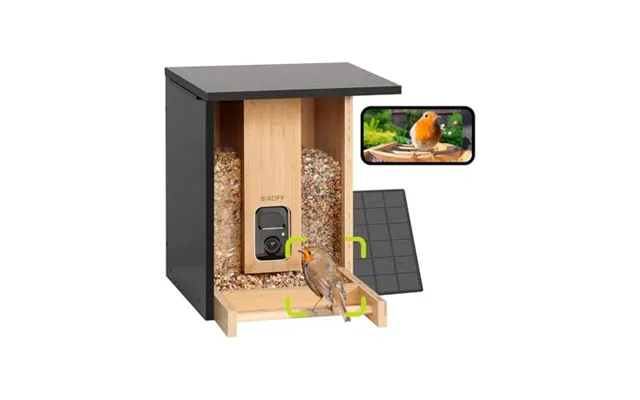
| Smart Bird Feeder | £ 166,47 | |
| Smart Bird Feeder Solar | £ 192,94 | |
| Smart Bird Feeder Solar Bamboo | £ 292,26 |