All categories
Business & Offices
Electronics & Media
Fashion & Accessories
Groceries & Essentials
Health & Personal Care
Home & Living
Kids & Family
Sports & Outdoors
Search in ZoneOffer
Loading...
If you share your home—or your garden—with feathered friends, you already know treats aren’t just snacks. They’re powerful tools for training, bonding, enrichment, and targeted nutrition. The right bird treats can encourage natural foraging behaviors, help with socialization, and deliver extra vitamins or healthy fats when your bird needs them. The wrong ones? They can add empty calories, promote picky eating, or even cause health issues. That’s why a little guidance goes a long way. Whether you keep budgies and cockatiels, larger parrots like African greys, or you’re keen to pamper garden visitors with suet or seed cakes, this guide breaks down the best treat types, the latest popular offers, and the smartest ways to compare a bird treats price list without getting overwhelmed.
Looking for standout bargains? Popular offers on bird treats usually pop up around seasonal shifts and retailer promotions. You’ll often see multipack savings on suet cakes and fat balls for wild birds, or price drops on parrot training treats when new flavors launch. Comparison sites like ZoneOffer are helpful for scanning multiple retailers at once, so you can quickly spot discounts, bulk-buy deals, and short-term promos before they vanish. If you’re buying for a flock, or you feed garden birds daily, it pays to keep an eye on these patterns. You’ll not only save cash—you’ll also learn which brands consistently offer quality without hiking up prices during high-demand months.
Ever notice how wild bird treats get cheaper when the weather changes? There’s a reason. Retailers clear stock at the end of winter and summer, which can mean bigger discounts on suet blocks, fat balls, and mealworm packs. For companion birds, expect bundle offers during gift seasons, too. A smart habit is to set a reminder to check for multipack discounts—especially on items you know your birds love. Buying several small packs during sales can sometimes beat the price of one large tub, and it helps maintain freshness since you’re opening only what you need.
Some of the best offers combine treats with enrichment items like foraging toys, perches, or shreddable chews. These bundles aren’t just a gimmick—they can transform how your bird experiences treats. Instead of quick munching, your bird gets a mini adventure, working for the reward and burning energy along the way. If you’re upgrading your setup, a bundle can deliver more value than buying items separately. Check the details: Is the toy sized for your bird? Are the treat ingredients clean and species-appropriate? Great bundles tick both boxes.
Comparing a bird treats price list can feel like juggling seeds in the wind. Prices vary not only by brand but by ingredient quality, pack size, treat format, and even where the product is made. High-quality nut butters, human-grade fruit, or cold-pressed pellets will cost more than bulk seed sticks with lots of fillers. Long story short, two products that look similar at first glance can be miles apart in cost and value. Don’t let sticker price fool you—look at the details, and especially the cost per ounce, to see what you’re really paying.
Premium ingredients drive price. Whole nuts, unsulphured fruit, natural colors, and organic grains sit at the higher end. On the flip side, vague “derivatives,” artificial dyes, and added sugars usually signal a budget-grade treat that’s cheaper—but not necessarily better. Transparent labels that list real foods in plain language often justify a slightly higher price because you’re paying for quality and safety. If your bird is sensitive, that transparency is priceless.
Established brands invest in testing, safety standards, and consistent sourcing—and you’ll see that reflected in the price. Pack size matters, too: larger tubs or bulk sleeves of suet often reduce the cost per ounce, but only buy what you can use before it goes stale. For parrots, nut-based treats can turn rancid if stored poorly. For wild birds, suet can soften in warmer months. Bigger isn’t always better when freshness is on the line.
Different birds, different needs. A parrot that cracks walnuts for fun isn’t the same as a finch that prefers tiny seeds, and garden robins aren’t shopping for the same snacks as your indoor budgie. Tailor treats to your species, and you’ll support health and happiness without overfeeding.
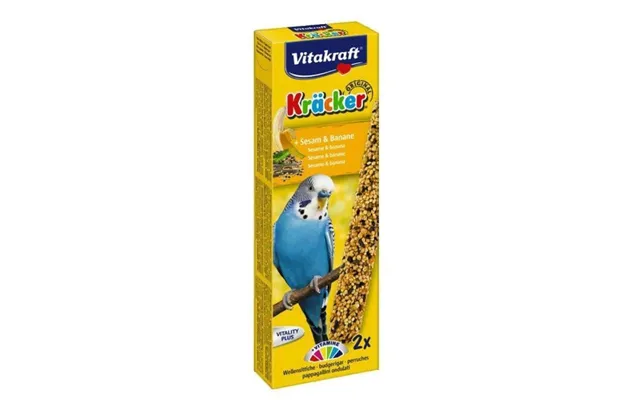
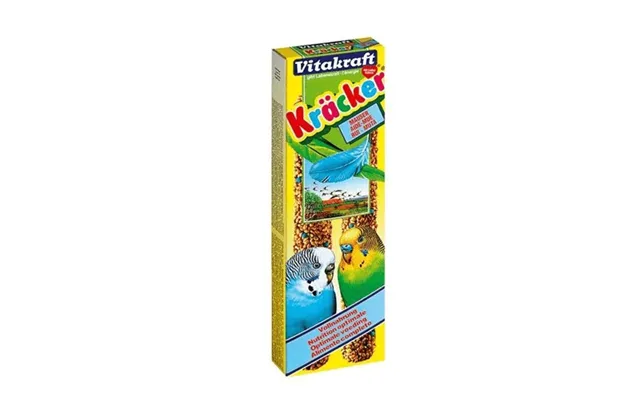
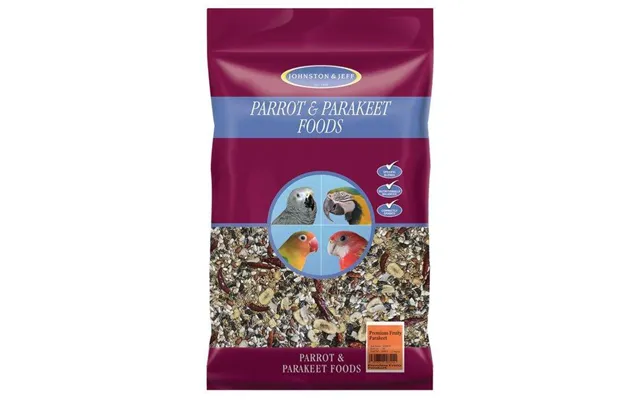
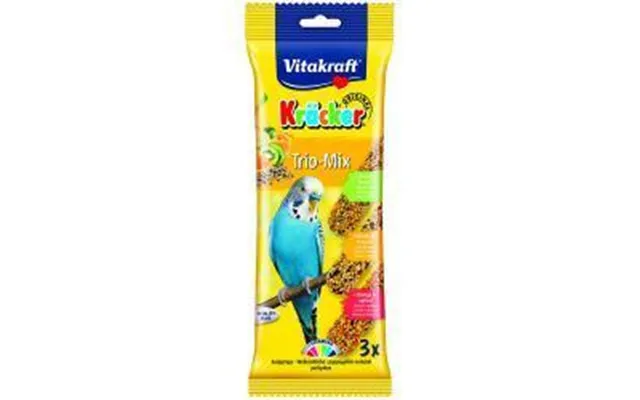
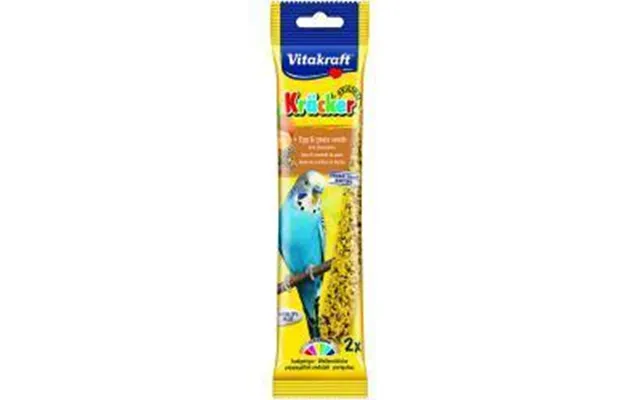
Budgies love spray millet, small seed sticks (watch the sugar), and mini fruit-and-seed bites. For training, tiny pellet crumbles or a single millet bead keeps sessions focused without loading on calories. Add greens like romaine or kale as “treats” to broaden the diet. Skip sticky, sugary glaze on sticks and go for baked options with clear ingredient lists.
Cockatiels appreciate millet, oat groats, and small nut fragments as rewards. Baked biscuits designed for medium birds, or small chunks of unsalted almond, can be magic during training. Offer a variety of shapes and textures to prevent boredom. If your tiel tends to gain weight, prioritize veggie-based treats and limit higher-fat seeds to training moments.
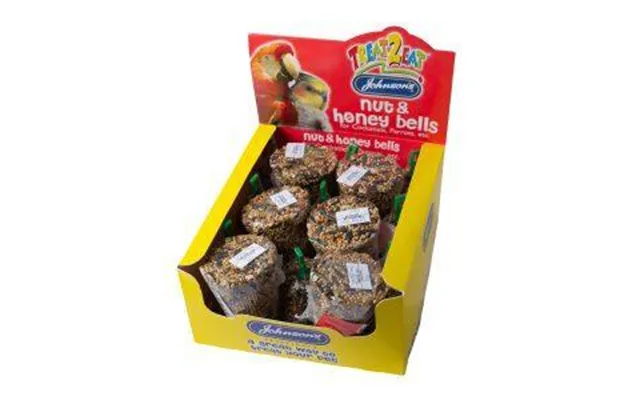
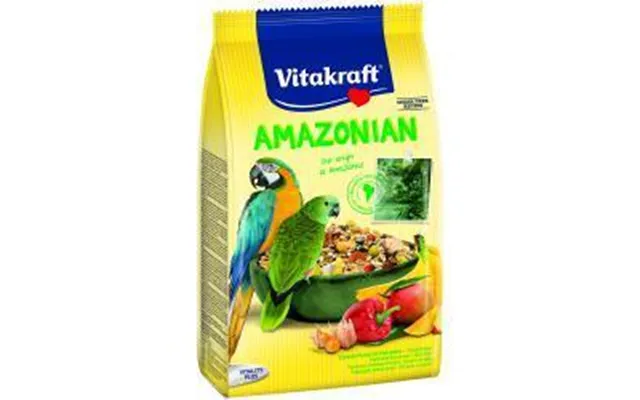
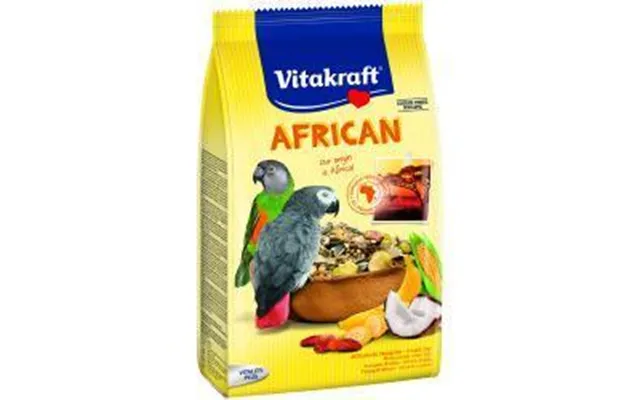
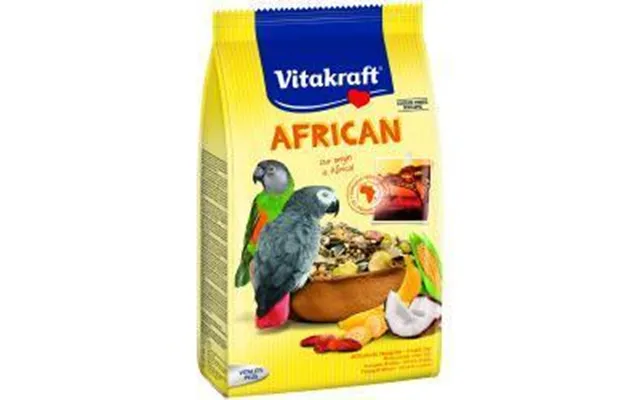
Bigger parrots thrive on richer textures: shelled walnuts, almonds, pistachios (unsalted), and chunky baked treats that can be broken into pea-sized pieces. Foraging blocks that hide nuts or dried fruit turn treat time into a full-blown puzzle. Aim for treats that promote beak work and problem-solving. Just remember: nuts pack calories. Keep portions small, and let the enrichment value do the heavy lifting.
These delicate seed-eaters benefit from fine-grain seed treats, tiny egg-food crumbles for protein, and small fruit bits. Avoid oversized or sticky treats that can mat feathers or cause mess around beaks. Look for clean, dust-free products and keep portions petite. With birds this small, a little goes a long way.
Chickens and bantams enjoy dried mealworms, black oil sunflower seeds, and scratch grains as occasional treats. Layer-friendly snack mixes with herbs can be fun, but don’t crowd out the complete feed. Toss treats to encourage natural scratching behavior. As with all birds, moderation is the name of the game to avoid nutrient imbalance.
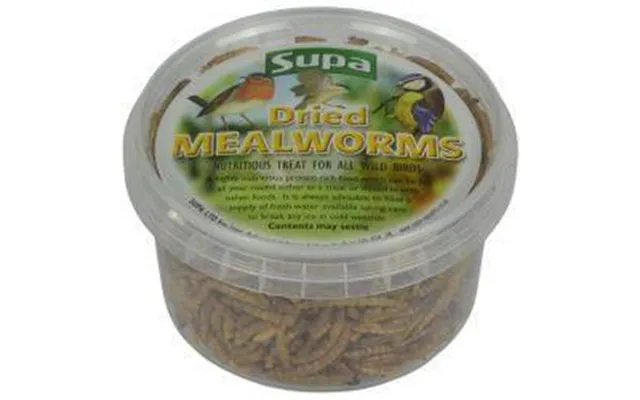
For UK gardens, suet cakes, fat balls, sunflower hearts, nyjer seed, and dried mealworms are popular crowd-pleasers. Blue tits, robins, and finches have different preferences, so offering a couple of options draws a broader mix. In colder months, higher energy suet is a lifesaver. In warmer weather, switch to seed and keep suet shaded to avoid soft, messy blocks.
Ingredient lists tell the real story. Aim for whole-food, recognizable items and minimal fillers. If sugar, salt, or artificial color sits high on the label, keep walking. Birds have tiny bodies and fast metabolisms—quality matters with every bite.
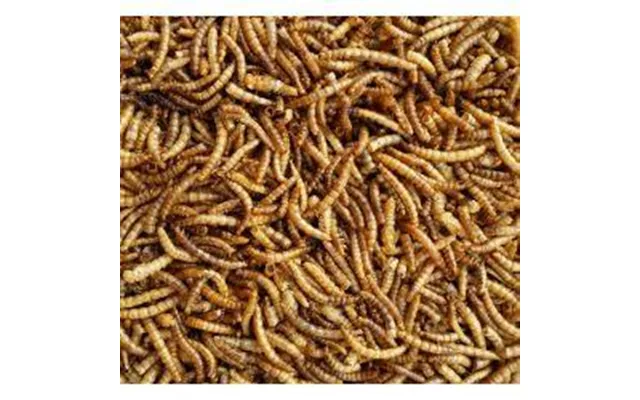
Sunflower hearts, safflower, hemp, flax, and pumpkin seeds deliver healthy fats and energy. For parrots, small pieces of walnut or almond make superb high-value rewards. For wild birds, black oil sunflower seeds are a universal favorite. Always choose unsalted, unseasoned nuts to protect your bird’s kidneys and liver.
Dried apple, blueberry, cranberry (unsweetened), carrot, and bell pepper add natural vitamins and variety. They also bring color and texture without the junk. For indoor birds, fruit should be a treat—not a staple—because sugar adds up quickly. Pair fruit with veggie-based treats to keep balance in check.
Egg-food crumbles, dried mealworms, and pea protein can support molting, growth, or recovery. Protein helps build feathers and supports muscle, but needs vary by species. Finches and canaries may benefit during breeding or molting; parrots usually get enough protein from a balanced diet, so use protein treats strategically.
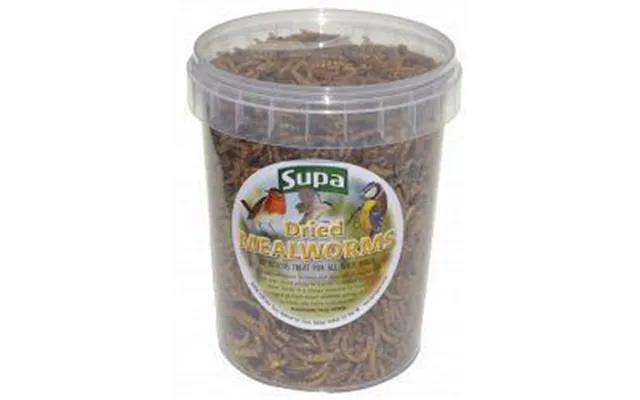
The format you choose changes the experience your bird has with the treat. Think of it as the difference between a grab-and-go snack and a mini treasure hunt. Both have a place; the trick is to match format with your goals.
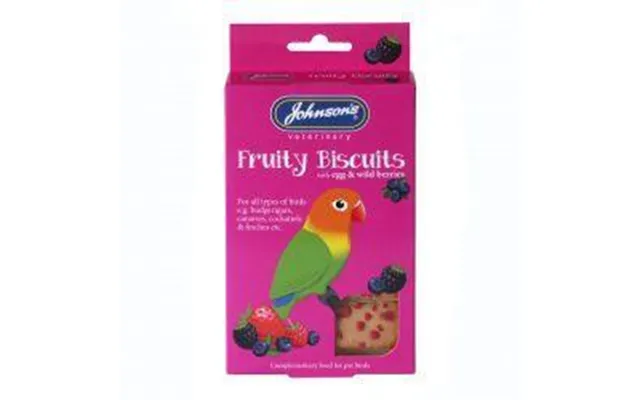
Perfect for training and portion control, biscuits are easy to break into small pieces and store well. Choose options with whole grains, real fruit or veg, and no artificial dyes. If you hear your bird crunching happily, you’re on the right track—just keep portions bite-sized.
Millet sprays are a budgie and cockatiel staple. They double as enrichment because birds nibble and manipulate the stem. Seed sticks can be useful but watch for sugary binders. Opt for baked or naturally bound sticks with clear labeling, and offer them as an occasional treat instead of a daily dessert.
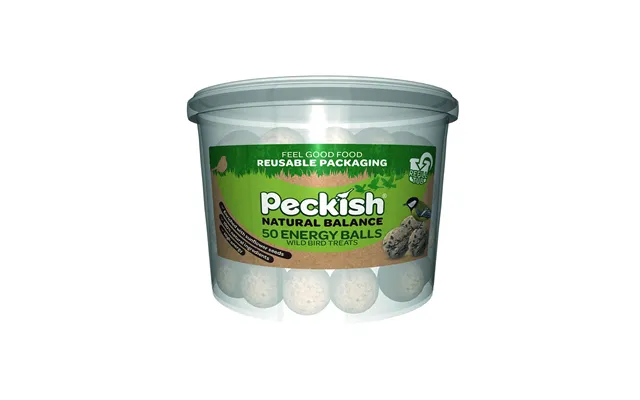
For wild birds, suet cakes and fat balls deliver dense energy—especially vital in colder months. Look for clean recipes with seeds, nuts, or fruit and avoid fillers. Hang suet in a cage to deter larger raiders and keep it in shade when temperatures climb so it stays firm and safe.
These combine nutrition with a challenge, encouraging birds to peck, shred, and explore. They’re ideal for bored parrots and curious cockatiels. Choose size-appropriate options and check that the hanging materials are bird-safe. If your bird demolishes a block too fast, portion control by offering it for a set time each day.
Let’s cut to the chase: some “treats” aren’t treats at all. They’re sugar bombs or dyed novelties that look fun but do little for your bird’s health. Your best defense is a quick label check and a few hard no’s.
Birds don’t need colorful candy to be happy. Skip products with bright artificial colors, corn syrup, or salty coatings. These add stress to a small body’s organs. Natural coloring from carrots or beet is fine; neon hues are a red flag. If sweetness is needed, fruit should provide it—not refined sugar.
Never offer avocado, chocolate, caffeine, alcohol, or foods seasoned for humans. Avoid xylitol; it’s risky. For toys or treat hangers, dodge zinc-heavy metals and watch for loose threads. If a treat smells rancid or looks oily, bin it—oxidized fats can harm your bird, and no discount is worth the risk.
Training turns snack time into brain time. From step-up basics to recall and trick training, the right reward speeds up learning. The secret? Use tiny, high-value treats your bird adores and keep sessions short and upbeat.
For many parrots, a single nut shard is gold. For budgies, a millet bead or mini pellet crumb can do the trick. Test a few items and note what your bird grabs first—that’s your high-value treat. Reserve it for training only to keep motivation sky-high.
Think pea-sized or smaller for most parrots; even smaller for finches and canaries. Frequent, tiny rewards beat occasional big ones. Aim for quick-fire reps with immediate praise, and end before your bird gets tired. Scatter a few “freebie” treats in a foraging toy afterward to keep the good vibes going.
Want to level up treats? Pair them with foraging toys that require searching, shredding, or light problem-solving. When treats are earned through play, your bird burns energy, channels natural instincts, and stays mentally sharp. That’s a triple win.
Start simple: paper cups with a treat tucked inside, or a cardboard roll stuffed with crinkle paper and a few bites. Then graduate to puzzle boxes that require beak dexterity. If your bird gets frustrated, make the puzzle easier until they “get it,” then add layers of challenge. Success builds confidence.
Use different perch textures and diameters during treat sessions to promote foot health and engagement. A tabletop stand can become your training station, signaling fun and focus. Keep it in a distraction-free zone and end sessions with a jackpot treat or favorite head scratches if your bird enjoys them.
Freshness is everything. Stale or oxidized treats lose nutrients and can taste off, which makes birds suspicious. A few simple storage habits preserve flavor, safety, and value—especially if you take advantage of multipack offers.
Transfer treats into airtight jars and store them in a cool, dry place out of direct sun. For nuts and seeds, a sealed container slows oxidation. For suet, keep backups in a cool cupboard and hang only what you’ll use within a few days. Label containers with the date opened to stay on top of turnover.
Many dry treats freeze well—nuts, seeds, even some baked biscuits. Portion into small bags so you only thaw what you need. Rotate stock with a simple “first in, first out” rule. When you score a great deal on bulk packs, this habit protects quality and makes those savings count.
Price comparison isn’t just about finding the lowest number—it’s about landing the best value. Factor in ingredient quality, treat format, and your bird’s preferences. A premium product that your bird devours and benefits from can be better value than a cheap bag nobody eats.
Always check the cost per ounce. Bigger packs often look cheaper but not always. Do a quick calculation and compare across brands and formats. If two treats cost the same per ounce but one uses whole nuts and real fruit, you know which one offers more for your money.
Reviews tell you how birds respond in the real world—do they love the taste? Is the texture right? Pair that with a label check and you’ll filter out the filler-heavy duds fast. A treat with rave reviews and clean ingredients is usually a safe bet, especially when you catch it on promotion through a comparison site.
Choosing bird treats doesn’t have to be a guessing game. Focus on species-appropriate options, clean ingredients, and formats that encourage natural behaviors. Watch for popular offers and use a trusted comparison site to line up deals, then apply smart price-per-ounce math to lock in real value. Keep treats tiny during training, rotate flavors to prevent boredom, and store everything properly so each bite is fresh and safe. Do that, and you’ll turn simple snacks into powerful tools for health, enrichment, and joyful connection—with every chirp, crunch, and happy head tilt along the way.