






All categories
Business & Offices
Electronics & Media
Fashion & Accessories
Groceries & Essentials
Health & Personal Care
Home & Living
Kids & Family
Sports & Outdoors
Search in ZoneOffer
Loading...
“Other” fish supplies might sound like a catch‑all category, but that’s where the quiet MVPs of your aquarium live. We’re talking about the conditioners, test kits, nets, algae scrapers, breeding boxes, airline check valves, feeding tools, and all the small extras that keep your tank balanced and your fish thriving. Skip them, and you’ll feel it—cloudy water, finicky filters, stressed fish. Give them the attention they deserve, and your aquarium becomes easier to run, cleaner to look at, and a lot more fun. Ready to upgrade the essentials and snag smarter deals in the UK? Let’s dive into the “other” supplies that actually make the difference.
Ever seen a flashy discount that wasn’t really a bargain? It happens. A comparison site like ZoneOffer helps you see the bigger picture—what’s on offer across multiple retailers—so you can judge price, features, and availability side by side. Look for proven basics first: certified water conditioners, ammonia and nitrate test kits, and reliable heaters. Read the specs, check the size (in gallons, inches, and Fahrenheit), and scan user feedback. If a product is missing essentials—like a thermometer with clear °F markings or an air pump without a check valve—move on. The best deal isn’t the cheapest; it’s the one that actually solves your problem.
Want to stretch your budget further? Time your buys. Seasonal lulls often bring markdowns on heaters after winter and on cooling gear after summer. Bulk consumables—carbon inserts, filter floss, and dechlorinator—tend to drop in price during site‑wide promos. On a comparison site, you can scan the “Fish Supplies – Other” category and spot patterns fast. If you’re planning a big aquascape or a tank upgrade, build a wish list and pounce when prices dip. It’s like fishing for deals: patience, the right bait, and a well-timed strike.
Tap water looks harmless, but chlorine and chloramine can stress gills fast. A reliable dechlorinator neutralizes them on contact, often adding slime coat support for added protection. If you’re working with big water changes—say, 10 to 20 gallons at a time—go for concentrated formulas that treat more gallons per ounce. That saves money and shelf space. Bonus tip: pick a conditioner that also detoxifies ammonia and nitrite for emergencies. It’s a good safety net when your filter media needs cleaning or you’re cycling a new setup.
Want fast, stable cycling? Bacteria starters seed your filter with the good guys that process fish waste. They shine after a deep clean, filter swap, or big water change. Choose a refrigerated or shelf‑stable option depending on how you shop. For best results, dose near the filter intake, keep temperature steady (around 76 to 80°F for tropical setups), and avoid washing media with untreated tap water. A little diligence here spares you from ammonia spikes later.
Think of test kits as your dashboard. Strips are quick and easy for weekly checks—great for nitrate trends. Liquid kits are more precise for dialing in ammonia, nitrite, and pH. If you keep planted tanks or delicate species, precision pays. For quick triage, keep both: strips for fast scans, liquid tests for confirmation. And don’t forget a thermometer with crisp °F markings—temperature drifts cause more stress than most people think.
Your filter is only as good as its media. Look for high‑surface‑area bio media, fine floss pads to polish water, and a modest amount of activated carbon if you want crystal clarity. Carbon is great after medication, but you don’t need it 24/7. Bio media is the star—choose ceramic rings or porous blocks sized to your filter’s chamber. For tanks in the 20 to 40 gallon range, a generous basket of bio media stabilizes ammonia like a champ.
Running shrimp, fry, or long‑fin fish? A sponge pre‑filter over your intake pipe prevents disaster. It stops fry from getting pulled in and turns your intake into extra biological surface. Rinse it in tank water during water changes, and you’re golden. If you’re aquascaping with fine sand, intake guards also prevent grit from grinding your impeller.
Impeller brushes, airline tubing, and O‑ring grease are tiny buys that prevent big issues. A tired O‑ring can cause micro‑leaks, salt creep (on marine), or random drips down your cabinet. Keep spare pads on hand so you can swap, not scrub, when you’re short on time. Your future self will thank you.
A stable 76 to 80°F keeps most tropical fish happy. Heaters are rated by gallons—roughly 3 to 5 watts per gallon is a classic rule of thumb. For a 20 gallon tank, that’s 60 to 100 watts. If your room swings wildly, consider two smaller heaters instead of one large—if one fails, the other buys time. A separate temperature controller adds a layer of safety, cutting power if things heat up unexpectedly. Pair it with a simple floating or digital thermometer for easy checks.
When the heatwave hits, fans aimed across the surface promote evaporation and drop temperatures a few degrees. Keep lids propped slightly to improve airflow, and top off evaporated water with conditioned, temperature‑matched water. If your tank sits in a sunlit room, move it a few inches away from the window or add a light‑blocking background. Small moves, big difference.
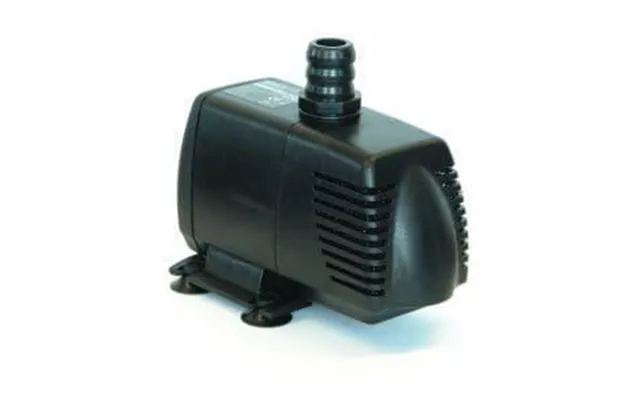
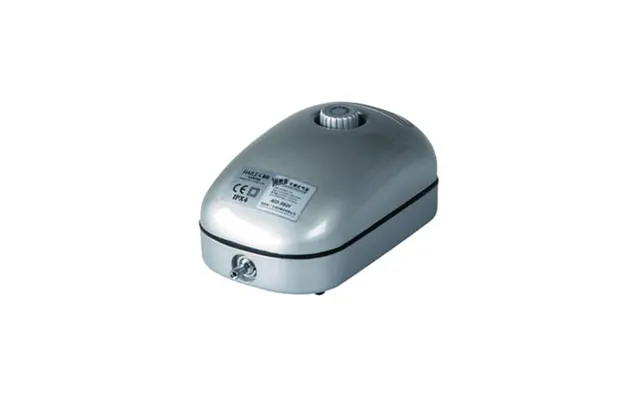
A good air pump does two things: it oxygenates water and drives sponge filters or ornaments. Choose a quiet model rated for your tank’s gallons and depth. Add a check valve so water can’t back‑siphon during a power cut, and choose a diffuser that won’t clog easily. Fine bubbles look classy, but medium bubbles are less prone to clogging over time. Got multiple tanks? Splitters let you run several lines from one pump.
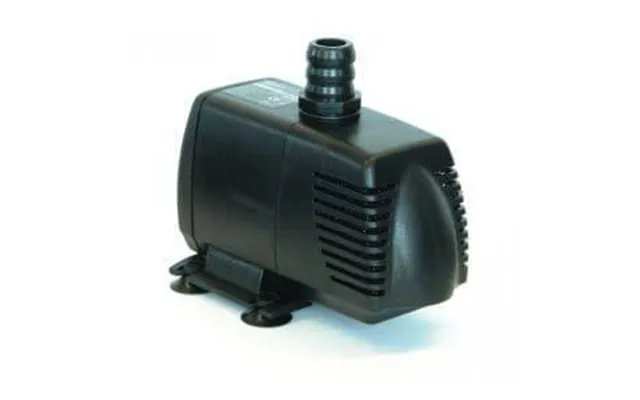
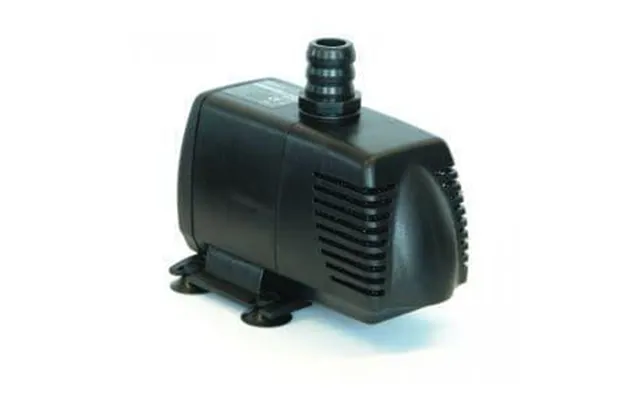
Dead spots breed algae and debris. A small powerhead improves circulation, keeps waste suspended for the filter to grab, and helps plants sway like they’re in a gentle stream. Adjust flow so fish aren’t surfing the current, and angle it along the glass for an even spread. In a 40 gallon breeder, one compact powerhead often does the trick.
LEDs let you customize spectrum and brightness, but timing is the real wizard. A simple plug‑in timer delivers consistent photoperiods—say, 7 to 8 hours—to limit algae. Mounting brackets or risers help spread light across wider tanks, like 36‑inch setups. If you grow easy plants, shoot for moderate intensity and reliability over flashy bells and whistles. Your fish care more about stability than RGB fireworks.
Hoods reduce evaporation and keep jumpers inside. Background film—black or deep blue—hides cables and boosts contrast. It’s a tiny investment that transforms your viewing experience. Plus, a hood means fewer curious cat paws testing the water at 2 a.m. Win‑win.
Busy schedule? An automatic feeder keeps portions steady while you’re at work or away for a long weekend. Use a feeding ring to prevent flakes from drifting into the filter intake, and calibrate portions slowly—overfeeding fuels algae and spikes nitrates. For bottom dwellers, sinking wafers and targeted feeding with a turkey baster make a world of difference.
Variety keeps fish vibrant. Stock a rotation: quality flakes or pellets, occasional frozen treats, and species‑specific foods (algae wafers for plecos, micro‑pellets for tetras, protein‑rich pellets for bettas). Vitamin supplements can help during recovery or after shipping. Remember: small, consistent meals beat big, messy ones every time.
Scissors, tweezers, and plant spatulas make clean cuts and precise placements. Gel‑type aquatic‑safe adhesives secure wood and rocks, preventing last‑minute slides. For a 24‑inch tank, start with a triangular layout: tall plants in the back corner, mid‑ground grasses along the slope, and a clean open foreground. It’s like set design for fish—give them structure, and they’ll act naturally.
A gravel vacuum is non‑negotiable. Aim to siphon detritus from high‑traffic areas once a week, grabbing a few gallons per session depending on stocking. For sand, hover the bell just above the surface; let debris lift without digging trenches. Clean substrate is the backbone of clear water and healthy gills.
Keep a magnetic cleaner sized to your glass thickness so it doesn’t slip. For stubborn spots, a handheld scraper with a plastic blade protects acrylic and makes quick work of green film. Clean panes just before water changes so you can siphon away the free‑floating bits. Consistency beats battles—think routine, not rescue missions.
Green water? A UV clarifier acts like a microscopic bug zapper for algae blooms suspended in the water column. It’s not a fix for underlying nutrient issues, but it restores clarity fast. Flocculants clump fine particles so your filter can trap them—handy after a big rescape when “snow” floats everywhere. Pair either with filter floss for speedy polish.
A simple 10 to 20 gallon tote can serve as a quarantine or hospital tank in a pinch. Add a sponge filter, heater, and cover, and you’re set. Quarantine reduces disease risk and lets you observe new arrivals up close. Keep a basic kit on hand: salt for freshwater dips when appropriate, broad‑spectrum meds, and a soft mesh net. Prevention costs less than crisis.
For some freshwater issues, aquarium salt can support gill function and help with osmoregulation—use sparingly and research species tolerance first. For marine systems, reef‑safe meds are a different ballgame, so always check compatibility with inverts and live rock. No matter your setup, clean water, steady 76 to 80°F, and low stress are the best medicine.
Livebearers like guppies and mollies benefit from breeder boxes that protect fry from hungry parents. Egg scatterers enjoy spawning mops—simple yarn bundles that collect eggs safely. Place them near gentle flow so oxygen stays high. It’s like setting a nursery with the right crib and soft lights—comfort equals success.
Newborns need tiny, frequent meals. Powdered fry food, infusoria starters, or freshly hatched brine shrimp get them growing fast. Sponge filters provide safe, gentle filtration and a buffet of microfauna. Keep the water extra clean: daily small top‑ups and quick debris siphons make a huge difference for tiny bellies.
Salt mixes vary in parameters, so pick one that suits fish‑only or reef goals. A reliable hydrometer or refractometer helps you hit your target salinity every time you mix a batch—measure in gallons, stir thoroughly, and let it aerate with a powerhead. A protein skimmer removes dissolved organics before they decay, keeping water crisp and maintenance lighter. For brackish setups, aim soft—gradual increases keep fish comfortable.
If you can’t store large RO/DI volumes, treat tap water carefully: condition, test, and blend to match your system. Use lidded 5‑gallon buckets for mixing, add salt slowly, and heat to match your display tank in °F. Label a dedicated bucket for marine only and keep tools separate from freshwater gear to avoid cross‑contamination.
Water and electricity don’t mix—build drip loops on every power cord, use grounded outlets, and protect gear with a surge protector. A power controller with individually switched outlets makes maintenance less chaotic. Need to cut the filter for feeding? Flip a single switch, then set a timer to bring it back online automatically. Simple, safe, smart.
Wi‑Fi plugs let you schedule lights, feeders, and CO₂ solenoids with your phone. Smart temperature sensors can alert you if the tank dips below 74°F or spikes above 82°F. You don’t need a fully automated system—just a few smart touches that keep you in the loop when life gets busy.
Mark a couple of 5‑gallon buckets “Tank Only” and never use them for household chemicals. Secure lids help with slosh control and keep curious pets out. A dedicated siphon, algae pad, and towel live right next to them—no more scavenger hunts on water change day. Streamline your routine, and you’ll actually stick to it.
Moving fish? Double‑bag with smooth‑corner bags, keep them dark, and stabilize temperature. A drip acclimation kit is cheap insurance for delicate species. For longer trips or power outages, a battery‑powered air pump keeps oxygen flowing. Think of it as roadside assistance for your aquarium—rarely needed, priceless when it is.
Airline tubing, check valves, nets, suction cups, and filter floss are great places to save. Basic plastic feeding rings and simple mechanical timers work just fine. If it doesn’t touch water quality or core life support, a budget buy often does the job.
Heaters, test kits, bio media, and powerheads deserve better picks. These influence stability and safety directly. A reliable heater keeps you in the 76 to 80°F sweet spot without surprise swings. Accurate liquid tests guide your water changes. High‑surface‑area bio media smooths over small mistakes. Pay once, relax more.
Start with the goals of your tank—freshwater community, planted, cichlids, or marine—and make a list. Conditioner, test kit, thermometer (°F), heater, algae tools, net, siphon, feeding tools, and spare media usually top it. On a comparison site such as ZoneOffer, scan the category to match your list with current offers from multiple retailers, then compare by size, gallons covered, and real‑world reviews. The result? Less guesswork, more value.
It’s tempting to buy the cheapest version of everything, but think long‑term. Will an extra‑quiet air pump make your living room tank more enjoyable? Will a better scraper keep acrylic pristine for years? It’s like choosing shoes—you can walk in anything, but your feet (and fish) will thank you for supportive gear.
Great aquariums aren’t built on big‑ticket gear alone. They’re held together by the “other” supplies—the conditioners, test kits, nets, scrapers, breeder boxes, timers, and safety add‑ons that keep everything humming. Use a comparison site like ZoneOffer to weigh prices and specs across multiple retailers, grab the right tool for each job, and time your purchases for the best value. With a solid checklist, smart shopping, and a few pro habits, you’ll spend less, stress less, and enjoy a clearer, healthier, more vibrant tank—every single day.
| Fish Supplies - Other | Price | |
|---|---|---|
| Rusty Raw Lakseflue Rusty Raw Double Size 8 | kr. 2,69 | |
| Purple Peril Purple Peril Double Size 8 | kr. 2,69 | |
| Norway Around Norway Around Double Size 10 | kr. 2,69 | |
| Skunk Red But Skunk Red But Double Size 10 | kr. 2,69 | |
| Preacher Preacher Double Wide Size 10 | kr. 2,69 | |
| Pink Silver Dob. Salmon Size 6 | kr. 2,99 | |
| Rogers Fancy Dob. Salmon Size 10 | kr. 2,99 | |
| Usc Grub Dob. Salmon Size 8 | kr. 2,99 | |
| Monroe Killer Aluminum Tube Rørflue Size 0,5 | kr. 6,60 | |
| Clouser Dp Minn Size 6 | kr. 7,- |

