
Screw Posts price list
Last updated Friday, Sep 18, 2026
| Screw Posts | Price |
|---|---|
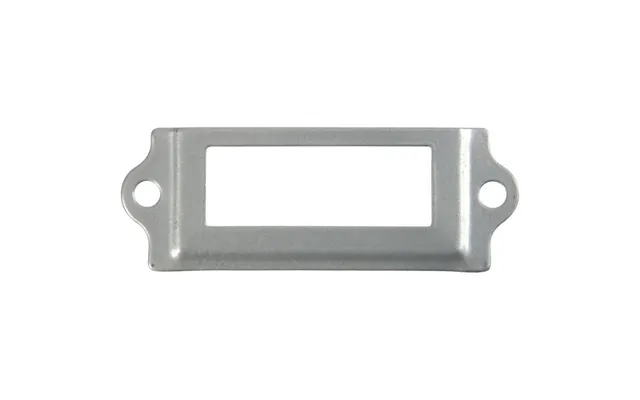
| Archive Fittings 22x60mm Hole 12x34 | £18.46 |





Loading...
Last updated Friday, Sep 18, 2026
| Screw Posts | Price |
|---|---|
| Archive Fittings 22x60mm Hole 12x34 | £18.46 |
If you’ve ever bound a sample book, assembled a leather swatch folder, or fastened panels together cleanly, you’ve probably used a screw post without thinking about its name. Screw posts—sometimes called binding posts, Chicago screws, or sex bolts—are two-piece fasteners made of a male screw and a female barrel that lock materials together while leaving a neat, finished look. They’re small, but they play a big role in projects where appearance, disassembly, and reusability matter.
Screw posts come in several designs to suit different tasks. Knowing the names helps you pick the right one when you’re comparing listings or shopping around on comparison sites.
Chicago screws are the most familiar type: a domed head on the screw side and a matching barrel. They’re ideal for binding documents, leatherwork, and sample books. They usually come in decorative finishes so you don’t need extra caps or covers.
Sex bolts, also called barrel nuts, tend to be sturdier with larger internal threads, making them useful for joining thicker panels or light structural work. They often appear in furniture assembly and signage.
When you need an air gap—say for mounting a sign off a wall or spacing circuit boards—standoffs are the go-to. They’re similar to screw posts but designed to create a fixed distance between two surfaces.
Some screw posts feature knurled barrels for extra grip inside softer materials, while removable posts are made for frequent disassembly, with heads shaped for easy tool access. Pick these for leather straps, sample cases, or prototypes you revisit often.
When selecting screw posts, size matters. Unlike wood screws where length is the only key number, screw posts require attention to diameter, thread type, and barrel length. Always check specifications in inches so you’re comparing correctly.
Common diameters for screw posts include 1/8", 3/16", 1/4", and occasionally 5/16". For light-duty document binding, 1/8" or 3/16" works well. For thicker assembly or signage you’ll want 1/4" or larger. Think of diameter as the backbone: too thin, and the post won’t hold; too thick, and you need larger holes that weaken the material.
Barrel length—the depth of the female part—determines how much material you can clamp together. You’ll see barrels listed in lengths like 1/8", 1/4", 1/2", 1", and even longer. Match barrel depth to the combined thickness of the materials plus a little wiggle room. A 1/2" barrel won’t work if you’re trying to clamp three 1/4" panels (3/4" total), so pick carefully.
Thread pitch affects how snugly the two halves mate. Coarse threads are forgiving and easier to start by hand, while fine threads give stronger hold and better vibration resistance. For most DIY and craft uses, a standard coarse thread in 1/4" diameter gives the best balance of ease and grip.
Material choice affects strength, appearance, and corrosion resistance. Think of the fastener as part of the finished product—its look and durability matter just as much as its function.
Stainless steel posts are your top choice for exterior use, bathrooms, or anywhere moisture is present. They resist rust and keep a bright, modern appearance. If you’re mounting signs outdoors or building marine gear, stainless is worth the extra cost.
Brass gives a warm, classic look and works well on leather or presentation pieces. Solid brass lasts a long time and polishes nicely. Brass-plated steel provides the look at lower cost but won’t resist corrosion as well as stainless.
For a shiny, polished appearance that complements chrome hardware, nickel-plated or chrome-finish posts are popular. They’re common in furniture and high-end binders. Keep in mind plating can scratch over time—choose solid finishes for high-wear items.
How do you make the correct choice when a dozen variants look acceptable? Start by asking a few practical questions: How thick are the materials? Will the assembly be disassembled often? Is it outdoors? What load will it bear? Answering these steers you to the right diameter, barrel length, and material.
For scrapbooks, sample books, leather goods, or brochures, pick 1/8" or 3/16" posts in brass or nickel finish. They’re light-duty but look professional and are easy to swap out when you rearrange pages.
When you’re holding heavier panels or making joinery that bears some weight, step up to 1/4" or 5/16" posts in stainless or solid brass. Make sure the barrel length accommodates combined thickness and that the threads are robust enough to resist loosening.
For PCBs and electronics enclosures, non-magnetic, heat-resistant posts are ideal. Small standoffs that provide 1/8" to 1/2" clearance between boards reduce heat build-up and prevent short circuits.
Installing screw posts is straightforward, but a few tricks make the job neater and longer lasting. The right tools and prep work prevent stripped threads and misaligned holes.
Use a drill bit matched slightly under the post diameter to let the barrel bite into the material. For example, if your post outside diameter is 1/4", start with a 3/16" to 7/32" pilot hole depending on material hardness. For thin or soft materials like leather, a smaller hole prevents wobble; for hardwood or metal, slightly larger holes ensure alignment.
Hand-tighten first to align threads, then use a flat screwdriver or a small socket to finish. Avoid over-tightening—most screw posts don’t need extreme torque and can strip or deform the head. Use a drop of threadlocker if you need extra security, but test first if you plan to disassemble later.
Screw posts aren’t the only option. Understanding alternatives helps you pick the best fastener for a particular job or combine products for better results.
If you need a permanent threaded anchor in thin metal or hollow panels, rivet nuts or threaded inserts give you a strong female thread. They let you use standard bolts in places where a barrel post wouldn’t be practical.
For heavier loads, machine screws with matching nuts and washers spread load and resist shear better than small screw posts. Consider them for load-bearing brackets and structural joinery.
When speed and repeated removal are priorities—think access panels or electrical covers—snap fasteners and panel clips can be faster to handle than screw posts, though they sacrifice some strength and finish appearance.
When you browse offers, comparison sites can help you filter by size, finish, pack quantity, and price. But don’t chase the cheapest option blindly—consider quality, returnability, and whether the pack size matches your project needs.
Buying in bulk usually lowers the cost per post, but only if you’ll use them. If your project is a one-off, a pack of 10 might be better than a box of 100. Do the math in cost per unit and factor in shipping if it’s charged separately.
Look for clear product photos and honest user reviews that mention fit, corrosion resistance, and how well the finish holds up. Specifications like exact barrel length, internal thread size, and recommended panel thickness are golden—use them to compare apples to apples.
Screw posts are meant to be reused, one of their biggest advantages. Clean threads occasionally, and lubricate stainless or brass posts lightly if they’re exposed to salt air. When removing stuck posts, apply penetrating oil and let it sit before unscrewing to avoid stripping the head.
If threads strip, you can often recover the part by replacing the barrel or using a slightly larger post and re-drilling the hole. For metal panels, helicoils or larger threaded inserts restore strong threads without replacing the entire assembly.
Don’t underestimate the visual impact of matching finishes and polished heads. A chrome-finished post on a modern sign looks intentional; a mismatched color can read as an afterthought. Keep spare posts on hand for future repairs so you don’t end up mixing finishes later.
Comparison platforms are especially useful for hardware like screw posts because product specifications vary and the best deal depends on your exact needs. Use filtering to narrow by diameter, barrel length, finish, and pack size. Compare the total cost including shipping and any import fees if you’re ordering from abroad.
Hardware often goes on sale during seasonal clearance events or industry-specific promotions. If your project timeline is flexible, waiting for a sale on stainless or brass posts can save you a surprising amount, especially on larger packs.
Screw posts aren’t just for binders. They’re handy in home DIY, crafts, and small structural applications. Use them to make adjustable strap closures, custom photo albums, drawer dividers, or modular shelving where components might need periodic updating. Think of them as tiny hinges that lock with dignity.
A pair of 3/16" brass screw posts makes a neat, removable spine for a hand-bound journal. They look professional and let you add or swap pages without damaging the paper.
For indoor displays, 1/4" stainless posts create a floating look for acrylic or wooden signs. They’re easy to install and make the sign appear to hover off the wall.
Screw posts are deceptively simple—yet choosing the right diameter, length, and material makes a huge difference. Measure twice, match finishes, and buy slightly stronger hardware if you’re in doubt. Use comparison tools to weigh pack sizes against price, and always check the exact specs in inches so your parts fit first time.
Whether you’re binding a portfolio, building custom furniture, or securing panels, the right screw post helps your project look finished and perform reliably. With the tips above you’ll be ready to pick the perfect post and install it like a pro.
Conclusion: Screw posts are small components with big impact. Pick the right type, size, and material, follow a few installation rules, and you’ll have a durable, attractive joint that’s easy to maintain and replace. Happy building—and don’t underestimate the power of a well-chosen fastener.