
Water Timers price list
Last updated Friday, 18 Sept 2026
| Water Timers | Price |
|---|---|
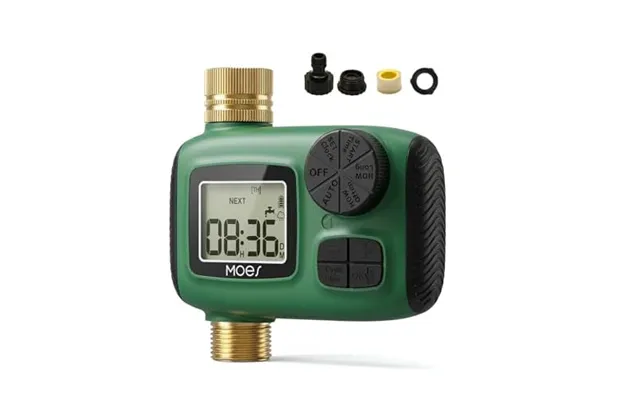
| Automatic Garden Tap Timer | £7.99 |



View 4 Offers
Loading...
Last updated Friday, 18 Sept 2026
| Water Timers | Price |
|---|---|
| Automatic Garden Tap Timer | £7.99 |
A water timer is a small device that controls when and how long your outdoor tap or irrigation system runs. Think of it as a personal assistant for your garden—one that never forgets to water and never overdoes it. Whether you’ve got a few pots on a balcony or a lawn that needs regular care, water timers bring precision, consistency, and peace of mind. In the UK, where weather swings from drizzle to drought, a well-set timer can be the difference between thriving plants and thirsty, stressed borders.
Because life gets busy and plants get thirsty. Automating your watering means you don’t have to remember to turn the tap on and off. It reduces waste, prevents overwatering, and keeps your routine intact even when you’re away. The result? Healthier roots, fewer pests, and a lower water bill. Plus, with a timer, you can water early in the morning—before sun and wind increase evaporation—without getting out of bed.
Water timers come in a few main styles, each tailored to different setups and budgets. Hose-end tap timers are the simplest. Digital models add flexible schedules. Smart timers connect to your phone or voice assistant. In-line controllers live at the heart of bigger irrigation systems. The best choice depends on how many zones you have, the type of watering you do (sprinklers vs. drip), and how much control you want.
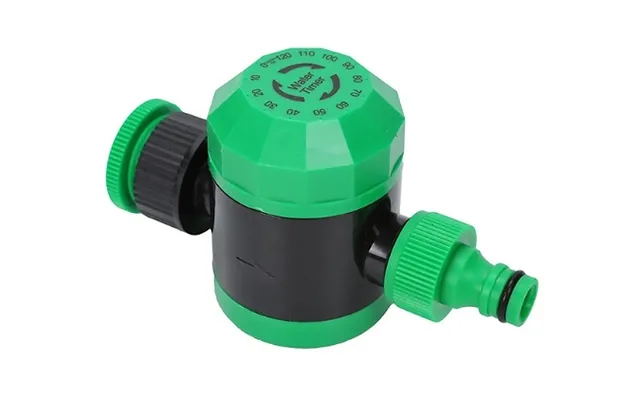
Mechanical timers are the no-frills heroes. Twist a dial, set a run time (say, 30 to 120 minutes), and water starts now and stops automatically. There’s no battery, no app, and almost nothing to break. They’re perfect for quick, manual control—especially for small patios or when you just want to limit a one-off watering session. The downside? No scheduling and less precision.
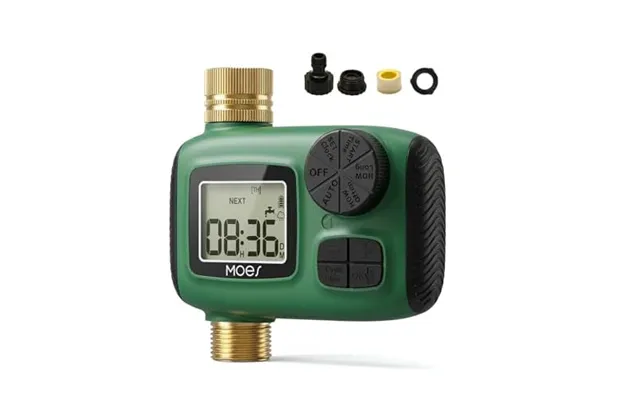
Digital timers attach to your outdoor spigot and let you schedule watering daily, on selected days, or several times a day. Many include rain delay buttons, manual watering, and easy-to-read LCDs. If you want set-and-forget convenience without going full “smart home,” a digital tap timer hits the sweet spot for most UK gardens. Look for models with multiple programs if you manage different plant needs.
Smart timers pair with your phone for setup and control. Bluetooth models work within a short range; Wi‑Fi models let you manage watering from anywhere. Many pull local weather data to skip cycles after rain or when rain is forecast. Voice control, detailed logs, and push notifications make them powerful tools. They’re ideal for frequent travelers or anyone who loves fine-tuning schedules for maximum efficiency.
If you run multiple zones—front lawn, back beds, greenhouse, and pots—an in-line controller with a manifold of valves is the way to go. These systems typically mount near the water source, feed several 3/4" or 1" zones, and can integrate sensors and pumps. They’re more advanced to install but deliver professional-grade control for larger gardens, allotments, or complex drip systems.
The best water timer is the one that matches your garden and lifestyle. Focus on how many outlets you need, scheduling flexibility, weather responsiveness, power options, and the build quality that stands up to British weather. A bit of research pays off every time you skip a wasted watering or avoid a dried-out bed after a warm spell.
Single-outlet timers are perfect for one sprinkler or a short drip line. Dual-outlet models let you run two schedules independently—great for lawn plus containers. For anything bigger, a multi-zone in-line controller is more efficient. Match your timer’s outlets to the way you’ve split your garden. It’s easier—and usually cheaper—than trying to make one zone do everything.
At minimum, you’ll want daily or every-other-day schedules with start times and durations. For delicate plants, short multiple cycles per day can prevent run-off and improve soak-in. Advanced timers let you set odd/even days, interval watering (every 2, 3, or 4 days), and seasonal adjustment so you can nudge durations up or down without reprogramming every zone.
A rain delay button is handy, but weather-aware scheduling is even better. Smart timers that sync with local forecasts can skip watering after a downpour. Some systems accept physical rain or soil moisture sensors, adding real-time feedback that saves water. If your microclimate is quirky, a moisture sensor near plant roots is like having a garden whisperer on duty 24/7.
Most tap timers use AA or 9V batteries. Look for timers with low-battery warnings and sealed compartments. Expect a good digital timer to run several months on fresh batteries, often an entire season. Smart units draw a bit more, so keep spares on hand. If you prefer set-and-forget, consider models with battery backup to protect your settings during a power cut.
Outdoor gear needs to shrug off rain and UV. Check for weatherproof housings, sturdy connectors, and good O-rings. In the UK, many taps and fittings use 3/4" threads, with adapters available for 1/2" or 1". Make sure your timer matches your tap and hose threads to avoid leaks. A built-in filter washer helps catch grit before it reaches delicate valves.
Timers are versatile, but the ideal setup depends on what you’re watering. From lawns to pots to greenhouse beds, the right combination of heads, hoses, and schedules can radically improve plant health and reduce water waste. Here’s how to match timer types to common garden scenarios.
For pots and planters, use a digital tap timer with a small drip kit. Short, frequent cycles keep soil evenly moist without drowning roots. A dual-outlet timer can run a micro-drip line for pots and a separate soaker hose for a raised bed. Keep runs short to maintain even pressure. You’ll be amazed how much less water you use when it goes straight to the soil.
Lawns crave deeper, less frequent watering. A programmable timer can run your sprinkler before dawn for soaking without evaporation. If you have multiple sprinkler heads, a dual-outlet model or multi-zone controller keeps pressure consistent by watering zones one at a time. Add a rain delay whenever the forecast turns soggy—no one likes watering a lawn that’s already glistening.
Drip is the gold standard for flower beds and borders—less waste, less disease, and healthier roots. Pair a timer with pressure regulation, a filter, and a 1/2" supply line feeding 1/4" emitters. Run shorter cycles more often in warm spells to keep roots moist without runoff. Your timer becomes the conductor, orchestrating a steady rhythm that plants love.
Consistency is everything under cover. A digital or smart timer with multiple daily start times can handle seedlings, vegetables, and fruits with different needs. Use drip lines or micro-sprayers on separate zones. If you’re using capillary mats, schedule short top-ups to prevent soggy trays. Smart timers are handy here—alerts and remote control mean fewer emergency dashes outside.
Good installation prevents leaks, preserves pressure, and keeps your timer running smoothly all season. Take a few extra minutes at setup to protect your tap, seal every connection, and dial in your schedule. The payoff is big: fewer surprises and a garden that stays perfectly watered when you’re busy.
Start with a rubber washer at the tap, then fit your timer snugly—hand-tight is usually enough. If your tap is 3/4" and the timer is 1/2", use a proper adapter, not tape-and-pray. Add a short leader hose between the tap and timer to reduce strain. Use Y-splitters sparingly; too many splitters can starve zones of pressure and invite drips at every joint.
For most gardens, early morning is ideal. Begin with 15 to 30 minutes on sprinklers two to three times per week, adjusting by season and soil type. For drip, try multiple 10- to 20-minute cycles per day during warm spells, then scale back. Watch plant leaves and soil—if it’s soggy, shorten duration; if plants droop late afternoon, nudge it up a notch.
Add a backflow preventer between the tap and timer to keep garden water from flowing back into your home’s supply. It’s a small part that does a big job. To avoid water hammer—a loud banging when valves shut—start with moderate pressure and avoid overly long hose runs. A short leader hose and pressure regulator can smooth out spikes.
Water-smart gardening is about timing, targeting, and technology. A well-programmed timer uses less water than hand-watering because it operates at the right hours for the right duration. Combine that with mulch, targeted drip, and weather-aware skipping, and you’ll see healthier plants and lower bills even when hot, dry spells arrive.
Try the soak-and-sip approach: set your timer to water in shorter bursts with a pause in between. This lets water sink deeper, encouraging strong roots. For example, two 12-minute cycles with a 30-minute break can outperform a single 24-minute blast. On heavy clay, cut duration and increase pauses; on sandy soils, use slightly longer cycles to reduce runoff.
Want to go greener? Run a timer from a rain barrel with a gravity-compatible setup. Many basic timers need a minimum pressure, so look for models designed for low-pressure or add a small pump. Keep barrels covered to block debris and mosquitoes, and fit a filter before the timer. You’ll turn storms into stockpiled water for sunny days—win-win.
Even the best timers need a little TLC. Regular maintenance keeps schedules accurate and valves responsive. If something goes wrong, it’s often a simple fix: a clogged filter, tired batteries, or a loose washer. Knowing what to check first will save you time and prevent plant stress.
If the timer isn’t switching on, replace batteries and reseat them firmly. For leaks at the tap, swap the washer and retighten by hand. Weak flow? Clean the filter or check for kinks. If programs behave oddly after a battery swap, reset the unit and re-enter your schedule. For smart timers, rejoin Wi‑Fi or Bluetooth if the app stops connecting.
Before frost arrives, remove your timer, drain it, and store it indoors. Leaving it outside risks cracked housings and brittle seals. Coil hoses loosely and keep fittings together so spring setup is a breeze. A quick wipe, a fresh washer, and new batteries in spring will have your timer ready for another season of steady service.
Start with your garden’s size and complexity, then layer on convenience. Small space with a few pots? A simple digital timer will be perfect. Mixed beds and a lawn? Dual-outlet makes sense. Large spaces or multiple zones? Consider an in-line controller. If you travel often or love data, smart features like weather skips and remote control are worth it.
Budget timers get the basics done: reliable schedules and simple programming. Mid-range timers add dual outlets and more programs. Premium and smart models bring weather awareness, flexible apps, and detailed logs. If you’re unsure, start with a solid mid-range timer—reliable, easy to use, and plenty of features for most gardens. Upgrade later if you need more zones or smart control.
When comparing options online, look beyond the headline price. Check outlet count, schedule flexibility, sensor support, thread compatibility, and battery life. Read real-world feedback about leaks, screen visibility, and app stability. Matching features to your garden’s needs beats chasing the lowest price—and it’s the fastest route to a timer you’ll trust season after season.
A water timer is one of the smartest upgrades you can make to your garden. It brings consistency, cuts waste, and frees your mornings and weekends. From simple mechanical dials to weather-savvy smart controllers, there’s a model for every garden and budget. Choose a timer that fits your zones, set sensible schedules, and let technology handle the routine while you enjoy greener grass, brighter blooms, and more time to relax.