
Hammer Accessories price list
Last updated Friday, Sep 18, 2026





View 27 Offers
Loading...
Last updated Friday, Sep 18, 2026
Hammer accessories are the small upgrades that make a big difference: replacement handles, wedges, nail sets, holsters, soft faces, magnetic nail starters, and more. If you’ve ever felt the sting of a mis-hit, watched a handle split when you needed it most, or wished your hammer could do a little more, the right accessories can transform your toolkit. Whether you’re framing a wall, setting trim, roofing, or working with metal, these add-ons unlock comfort, precision, and safety—and they often cost a lot less than buying a whole new hammer.
When your favorite hammer’s handle cracks or the grip wears down, a replacement handle can bring it back to life. The choice isn’t just about material; it’s about how you work. The right handle balances comfort, shock control, weight, and durability—so the hammer feels like an extension of your hand rather than a blunt instrument. Most replacement handles come sized by length, with common lengths around 12 in to 18 in for standard claw and framing hammers, and longer for sledges.
Hickory handles are the traditional choice for a reason. They’re strong, relatively light, and they deliver excellent feedback, so you feel the head strike the nail and can adjust without thinking. A 16 in hickory handle on a 20 oz framing hammer hits that sweet spot for many carpenters. Hickory also absorbs shock naturally, reducing hand fatigue. Look for straight, clear grain running the length of the handle, and a handle that seats snugly into the eye. If you like a natural-feeling hammer with a bit of flex that protects your joints, hickory is hard to beat.
Fiberglass handles are the low-maintenance workhorses. They shrug off rain, resist swelling, and dampen vibration better than bare wood. If you work outside, a 14 in to 18 in fiberglass handle can be a smart upgrade, especially if you pair it with a textured grip sleeve for control with gloves. They tend to be a touch heavier than hickory, which can help with driving power but may tire your arm if you swing all day. For DIYers who want durability with less fuss, fiberglass is a reliable pick.
Some hammers use steel or titanium handles, and replacement options exist for certain designs. Steel is rugged but transmits more shock unless paired with a cushioned grip. Titanium is much lighter for the same strength, which is why many pros swear by it for framing—fewer swings, less fatigue. If your hammer accepts a steel or titanium replacement handle, expect a firm, precise feel. Be sure to add a proper grip or sleeve to keep vibration at bay during long sessions.
Swapping a handle isn’t just about the stick—it’s also about securing it properly and protecting it from damage. The right wedges and adhesive keep the head tight, while an overstrike guard shields the handle from the occasional miss. Think of these pieces as the insurance policy for your hammer refresh.
Wood and steel wedges expand the handle inside the head’s eye, locking everything in place. Use a wood wedge first, driven firmly along the grain, then a steel wedge perpendicular to prevent loosening. A properly wedged head won’t rattle or creep up with use. If your hammer gets heavy daily use, consider a cross-wedge pattern for extra security, and check tightness every few weeks.
Some installers add a high-strength epoxy inside the eye before seating the handle for extra hold and to fill small gaps. This is especially helpful with fiberglass handles or if the eye fit isn’t perfect. Epoxy can also dampen micro-movement, which reduces vibration and extends handle life. Choose a formula designed for tool handles, set it carefully, and give it a full cure before swinging.
An overstrike guard is a tough sleeve—often rubber, urethane, or leather—that wraps the handle just below the head. If you occasionally overstrike and the handle hits the workpiece, this guard absorbs the blow and prevents splintering. On framing and sledgehammers, a 2 in to 4 in guard makes a noticeable difference in longevity. It’s a cheap add-on that can save a handle from a premature retirement.
Control is everything when you’re swinging a hammer. Upgrading your grip improves safety and accuracy, and tethering your hammer stops it from becoming a hazard at height. These accessories are about keeping the hammer where you want it—firmly in your hand or securely on your person.
Grip sleeves, shrink-on wraps, and textured tapes give you a confident hold, even with sweaty hands or gloves. A ribbed rubber sleeve on a 1 in diameter handle can transform the feel of a tool you already own. If you prefer a fine-tuned feel, use a thin wrap layered to taste; if you want maximum cushioning, go with a thicker, gel-cored sleeve. Replace grips when they get slick or torn—you’ll swing straighter and reduce blisters.
If you swing for hours, anti-vibration gloves and small in-handle dampers can reduce the sting that travels up your forearm. While gloves aren’t attached to the hammer, they’re a smart companion accessory, especially with steel-handled tools. Pairing a damped handle with padded gloves makes long framing or demolition sessions far less tiring.
For roofers, scaffolders, and anyone working above ground, a hammer tether is non-negotiable. A 2 ft to 4 ft coiled lanyard attached to a D-ring or carabiner keeps your hammer close and prevents drops. Look for tethers rated for the weight of your hammer head and test the reach before committing. A tethered hammer feels natural after a few minutes and keeps everyone below safer.
Different materials strike differently. Swapping faces and adding caps lets you tailor your hammer to the task: hardened steel for nails, soft faces for delicate surfaces, and non-marring caps for finish work. These quick-change options can save time and prevent damage.
If you use a soft-face or dead-blow hammer, replacement faces are a must. Nylon and urethane are tough yet gentle on finished surfaces; rubber offers more give; copper is soft enough to prevent damage on metal but won’t spark. Keep a set of 1 in, 1.5 in, and 2 in faces in your kit to match the job. Swapping a worn face takes seconds and keeps strikes consistent.
Clip-on or press-on caps convert a standard hammer into a surface-safe striker. They’re perfect for tapping tile trim, seating cabinet parts, or adjusting aluminum. A snug-fitting 1.25 in cap on a smooth-faced claw hammer protects materials while still giving you control. Pop the cap off when you’re back to framing or demo.
Dead-blow mallets use shot-filled heads to eliminate rebound. Pair them with striking pads—dense urethane sheets or blocks—to protect workpieces when you need to drive or seat parts. A 6 in by 6 in striking pad on the bench gives you a safe target for assembly work with fewer scuffs or dents.
A good hammer doesn’t work alone. Nail sets, punches, and pullers are the supporting cast that turns rough swings into clean results. With a few compact tools, you can sink finish nails perfectly, start pilot points, and pull bent fasteners without gouging wood.
Nail sets are small steel tools used to drive nail heads below the surface. Keep a trio with tip sizes around 1/32 in, 1/16 in, and 3/32 in so you’re ready for trim, casing, and baseboards. Start the nail with a hammer, switch to the set as soon as the head nears the surface, and you’ll avoid hammer marks on visible wood. A lightly textured tip gives better grip on glossy nail heads.
Center punches mark exact spots before drilling, and they’re handy for guiding screws into hard woods or metals. Use a 5 in center punch for control, and strike lightly to create a dimple that steers your bit. For metalwork, a set of pin punches helps drive out stubborn pins without marring surrounding parts.
When a nail goes wrong, a cat’s paw pry bar saves the day. Drive the curved claw under the head with your hammer, lever it up, and finish with a larger pry bar if needed. For delicate removal, pair a thin shim or a striking pad under the fulcrum to protect the surface. It’s simple leverage, but it feels like a superpower when you need it.
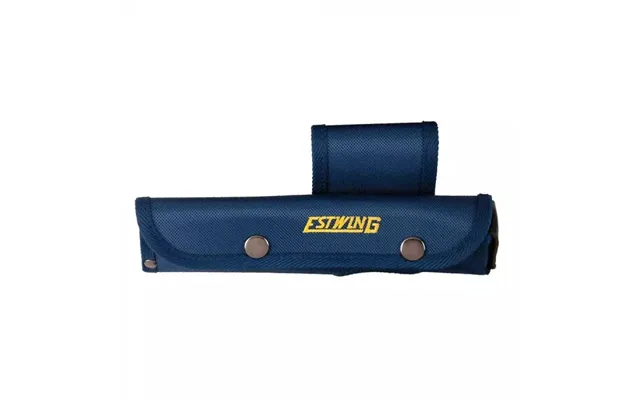
Hands-free carry keeps you moving safely, especially on ladders or roofs. A comfortable tool belt with a dedicated hammer loop or holster keeps your tool secure yet instantly accessible. If you’ve ever set down your hammer and spent five minutes looking for it, this upgrade pays for itself in saved time alone.
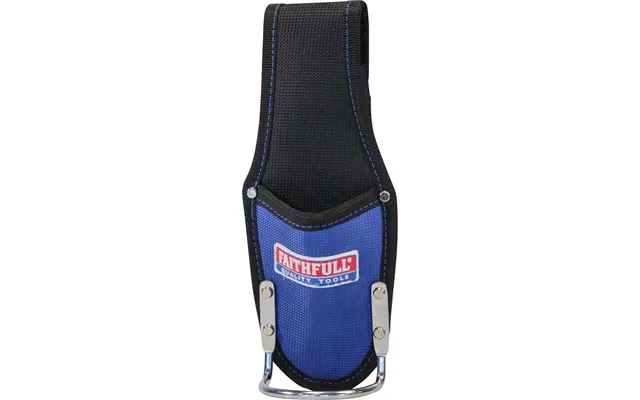
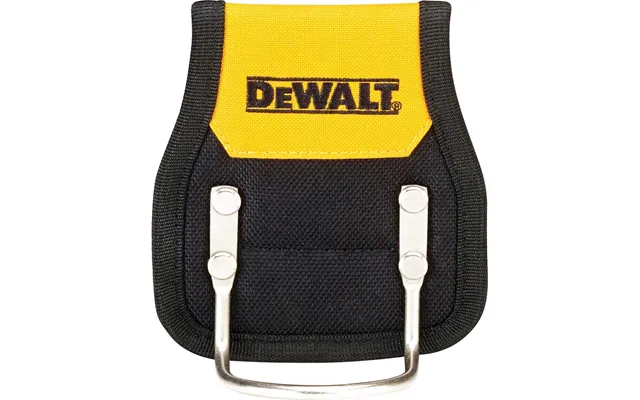
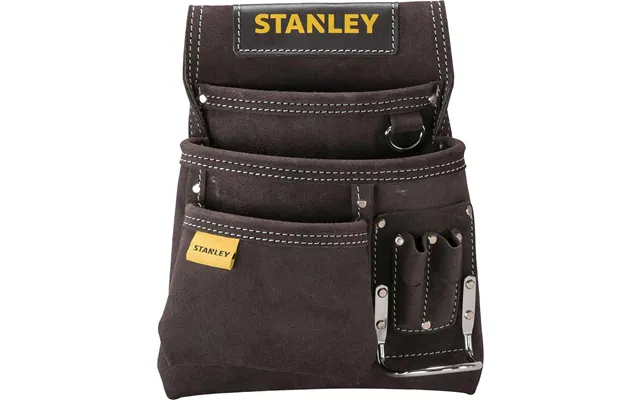
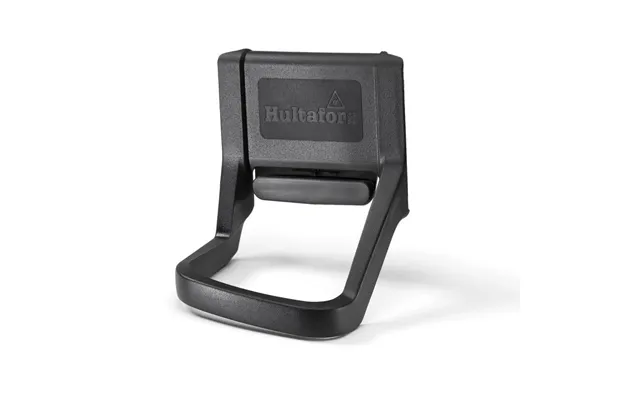
Holsters come in leather for durability, nylon for light weight, and hybrid designs with magnetic assists. A leather loop riveted to a 2 in belt is a classic that lasts for years. Magnetic holsters lightly hold the head or face to reduce swinging as you walk, which is a nice touch on scaffolding. Choose a holster with a wide opening so reholstering is quick without looking down.
Belt width matters for comfort. A padded 2 in to 3 in belt spreads weight better and reduces hip fatigue. If you carry a framing hammer, nails, and a speed square, consider suspenders to distribute the load across your shoulders. Keep heavy tools like your hammer near the side you swing with—usually the right hip for right-handers—to minimize twisting.
In the garage or shed, a simple wall rack with 16 in stud spacing and a few heavy-duty hooks keeps your hammers and accessories organized. Label a small bin for wedges and caps, and you’ll stop buying duplicates you can’t find. Order saves time and extends tool life because you’re less likely to dump everything in a damp corner.
When you step up to sledges and masonry hammers, toughness and protection matter even more. The impacts are bigger, the stakes are higher, and the accessories that prevent damage pay off fast.
A longer handle—say 30 in to 36 in—gives power, but it also needs protection. Shock collars or steel overstrike rings guard the neck where most breaks occur. A fiberglass sledge handle with a rubberized overstrike guard takes the sting out of mis-hits and stands up to rugged demo work.
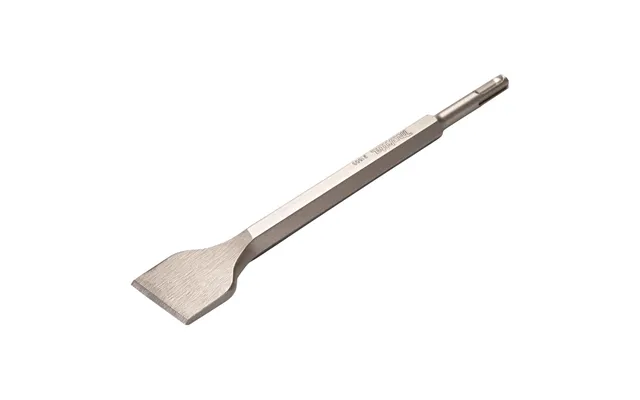
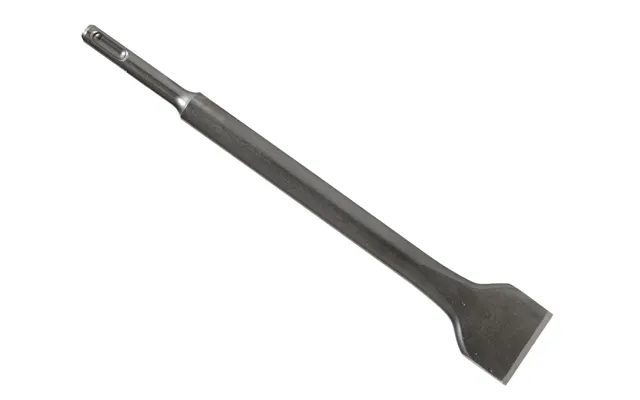
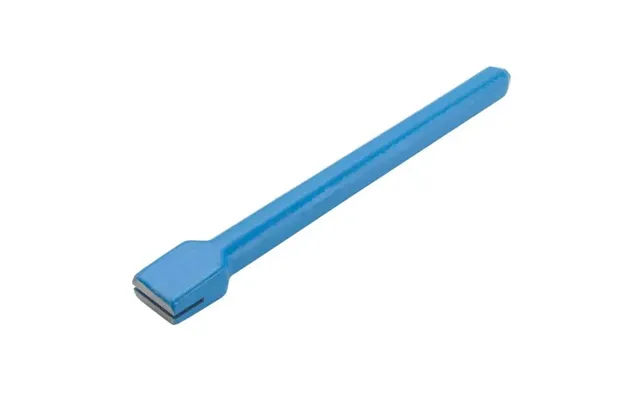
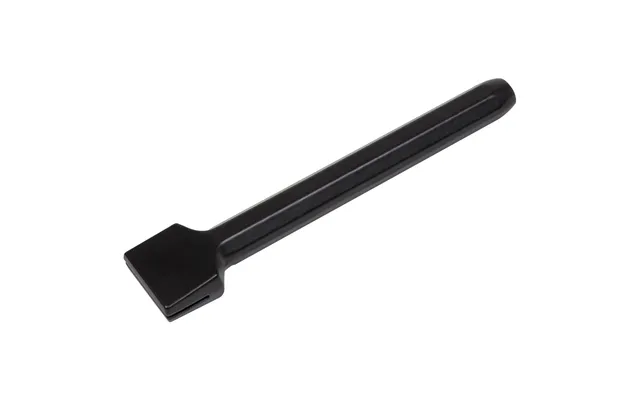
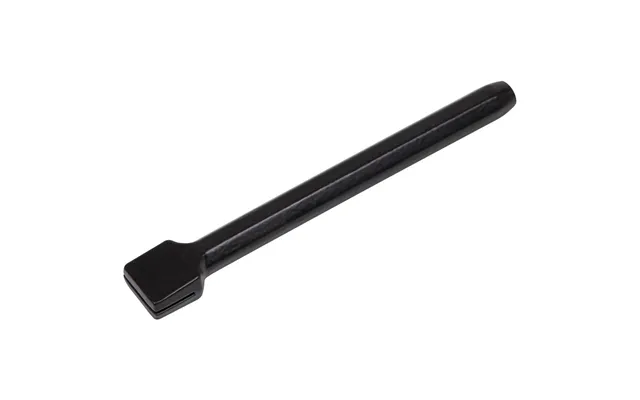
Pair your sledge with a thick striking pad when seating pavers or aligning heavy components. For masonry chisels, consider a chisel with a protective hand guard and use a soft-face cap on your hammer when you must strike close to delicate surfaces. The right combo keeps your hands intact and your work tidy.
Great tools deserve great care. A few minutes after each project keeps rust at bay, grips tacky, and heads tight. Treat your hammer setup like a pit crew treats a race car: quick checks, small tweaks, and consistent upkeep.
Wipe steel heads with a light oil after wet jobs, and clean sap or adhesive off handles before it hardens. If you see light rust, remove it with fine steel wool and oil. Store in a dry place off the floor, and avoid leaving tools in damp bags where moisture lingers.
Before each use, check for a loose head, cracked handle, or torn grip. If the head wiggles even slightly, re-wedge or re-epoxy before swinging. Inspect lanyard attachments and holster rivets so you don’t discover a failure at the top of a ladder.
Keep wedges, caps, extra faces, and nail sets in a small, divided box. Label slots by size—1/32 in, 1/16 in, 3/32 in—and you’ll grab the right one without guesswork. A little system goes a long way when the clock is ticking on a job.
Prices and specs for hammer accessories can vary widely, so comparing before you buy is smart. Use trusted comparison sites to scan offers from multiple retailers quickly—platforms like ZoneOffer help you see price drops, availability, and options side by side without bouncing between dozens of tabs. When you’re evaluating, weigh price against material, size, and warranty; a bargain that fails early isn’t a bargain at all.
Specs tell you sizes and materials; reviews tell you how those specs perform on a roof in the rain or on a remodel site. Scan for comments about fit, grip longevity, and how well wedges hold over time. Prioritize products with consistent feedback rather than one-off raves.
Look for bundles that combine handles, wedges, and grips, or sets that include multiple nail set sizes. Seasonal promotions—especially around spring DIY seasons and year-end clearances—often include hammer accessories. Comparing across sellers ensures you catch the real deals, not just flashy stickers.
Match handle eye shapes, face thread patterns, and belt widths to what you already own. A handle that’s 16 in long with a rectangular eye won’t fit a head designed for an oval eye. When in doubt, measure carefully and check the manufacturer’s specs before you hit buy.
Different jobs call for different setups. Your ideal kit should match your typical tasks so you spend less time fighting your tools and more time cruising through your to-do list.
For household fixes, a 16 oz smooth-face claw hammer with a 14 in to 16 in hickory handle, a 3-piece nail set, a basic leather hammer loop, and a pair of non-marring caps will cover most needs. Add a small cat’s paw for the occasional stubborn nail and a grip sleeve for comfort.
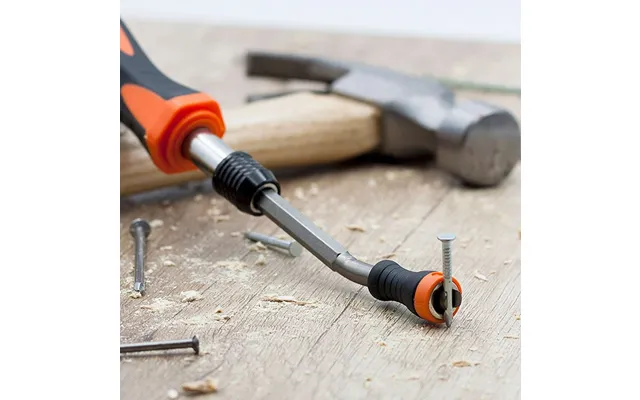
A 20 oz to 22 oz framing hammer with a milled face, a 16 in to 18 in hickory or titanium handle, a robust overstrike guard, and a tether for roof work is the core. Include a magnetic nail starter, a trio of nail sets, and a leather holster on a 2 in padded belt. Keep wedges and epoxy on hand for quick maintenance.
A specialized roofing hammer or hatchet with a durable fiberglass handle, a tethered holster, and extra non-marring caps makes life easier on shingles and flashing. Add a compact pry bar, magnetic holster, and anti-vibration gloves for long days under the sun.
Soft-face hammers with replacement nylon and copper faces, a dead-blow mallet, and a full punch set are essential. Keep faces in 1 in and 1.5 in sizes, plus a thick striking pad to protect parts. A sturdy wall rack in the shop keeps everything close and orderly.
A few pitfalls show up over and over, but they’re easy to dodge once you know them. Think of this as your shortcut to a pro setup without the painful lessons.
Measure before you buy. A 16 in handle won’t always fit a head designed for a 14 in seat, and oval vs. rectangular eyes matter. When handles don’t seat properly, they work loose quickly.
If you’re learning or you swing hard, overstrike guards are cheap insurance. Without one, a single bad hit can splinter a new handle and end your day early.
A slick grip leads to glancing blows and sore wrists. Replace worn sleeves and wraps at the first sign of hard glazing or tearing, and you’ll be safer and more accurate immediately.
Hitting hard steel with a soft urethane face can mushroom the face quickly; using rubber on hot or abrasive parts wears it out fast. Pick nylon for general non-marring strikes, copper for metal parts, and urethane when you need bounce control with decent durability.
On roofs, scaffolds, or lifts, a hammer without a tether is a hazard. Attach a 2 ft to 4 ft lanyard and clip it every single time. It’s a tiny habit that prevents big accidents.
Replacing a handle is straightforward, and doing it yourself saves money while keeping a favorite hammer in service. Set aside a little time and work methodically—you’ll be back to swinging before you know it.
You’ll need the new handle matched to your head’s eye, a wood wedge and a steel wedge, a saw, a punch, a mallet, epoxy if you’re using it, sandpaper, and an overstrike guard. A bench vise helps, but you can get by with clamps.
Secure the hammer head. If wood remains in the eye, saw it flush, then drill or punch out the core from the bottom side. A few controlled taps with a punch drives out stubborn pieces. Clean the eye thoroughly so the new handle seats correctly.
Dry-fit the handle. It should snug up with firm taps from a mallet. If using epoxy, apply a thin layer inside the eye and on the handle tongue. Seat the handle fully, drive in the wood wedge along the grain, then add a steel wedge crosswise. Wipe excess epoxy and ensure the head is aligned with the handle.
Install the overstrike guard, sand any rough spots on the grip area, and add your preferred sleeve or wrap. Let epoxy cure fully if used. Test with light taps first, then a few firm strikes. If there’s no movement or rattle, you’re good to go.
Hammer accessories may be small, but they punch far above their weight. A well-chosen handle, secure wedges, a comfortable grip, and the right caps, sets, and holsters make your hammer safer, stronger, and far more versatile. Whether you’re upgrading a beloved tool or assembling a kit from scratch, compare options, match accessories to your work, and invest in the pieces that keep you efficient and comfortable. The result is simple: cleaner results, fewer mistakes, and a hammer you actually enjoy using project after project.