All categories
Business & Offices
Electronics & Media
Fashion & Accessories
Groceries & Essentials
Health & Personal Care
Home & Living
Kids & Family
Sports & Outdoors
Search in ZoneOffer
Loading...
If you tinker with metalwork, fix gutters, patch car panels, or do DIY projects around the house, rivet pliers are one of those tools you’ll wonder how you ever lived without. They turn two separate pieces of metal, plastic, or composite into a single, secure joint with a neat, permanent fastener. Think of rivet pliers as the stapler of the heavy-duty world — quick, tidy, and reliable.
Rivet tools come in several flavors, each built for specific jobs and materials. Picking the right style can save you effort and give a much cleaner result, whether you’re working on a light home repair or a professional fabrication project.
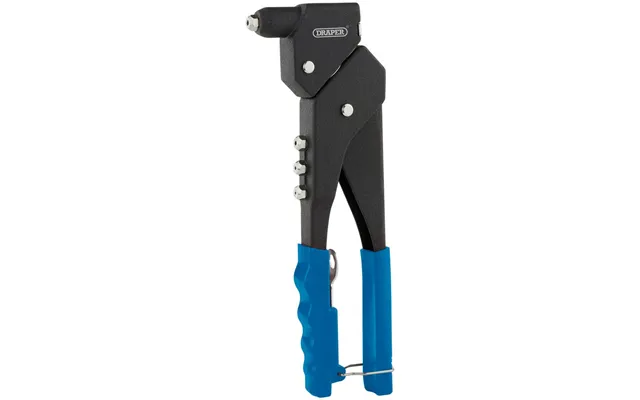
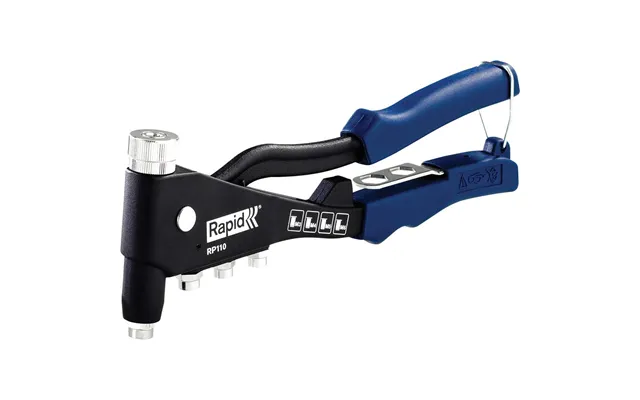
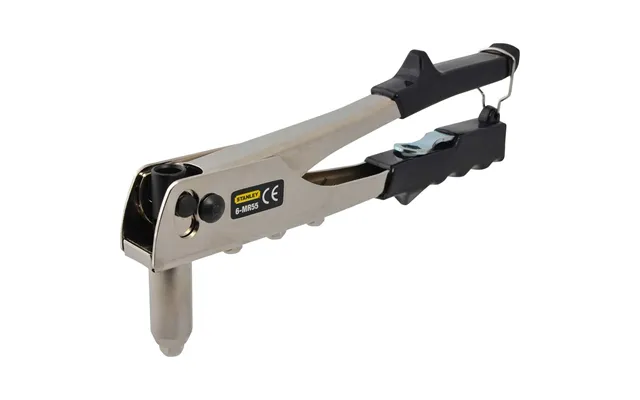
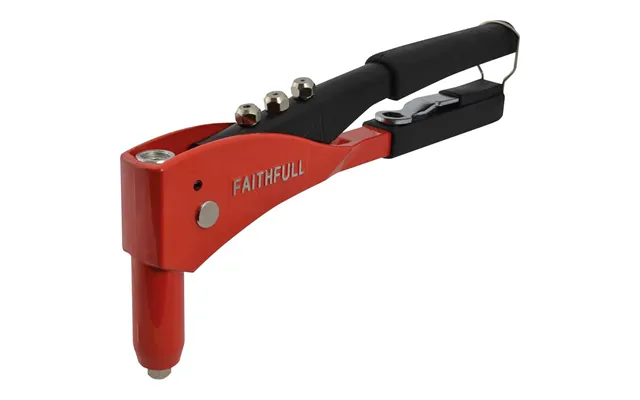
These are the classic pop rivet pliers you probably picture first: compact, economical, and driven by your muscle. They’re great for occasional use and small repairs. Most can handle typical rivet diameters such as 1/8" or 5/32" and are ideal for sheet metal, gutters, and household trim where pull force under a few hundred pounds is enough.
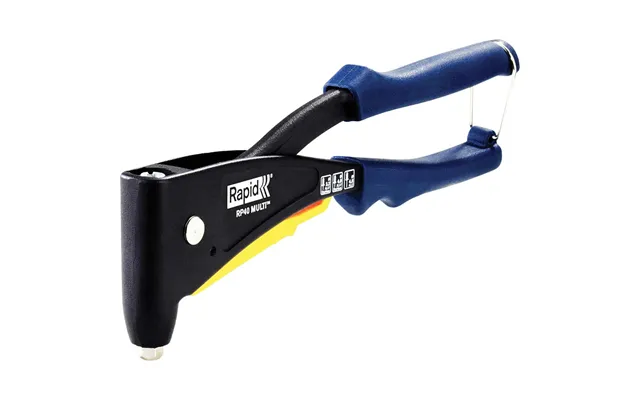
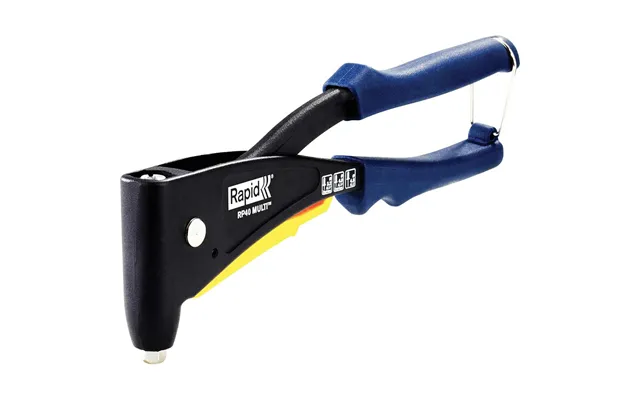
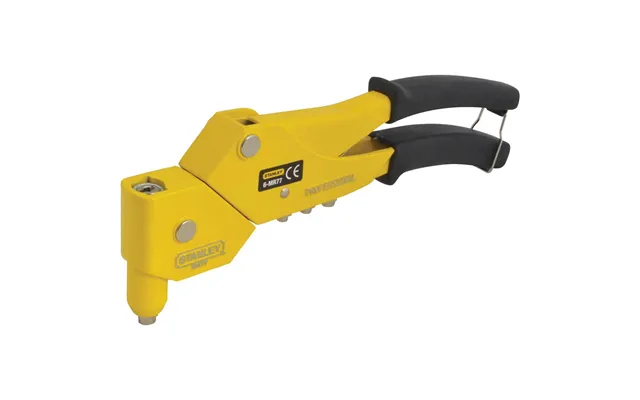
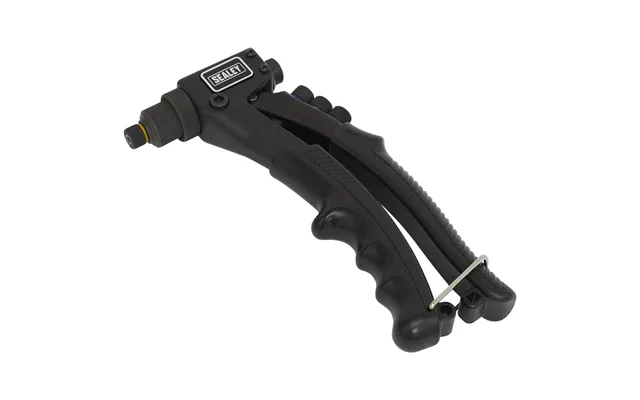
Long-nose variants let you reach awkward spots where a straight plier won’t fit — under brackets, inside recesses, or near obstructions. The offset head gives clearance while maintaining the same pulling action, making them a go-to for automotive trim and tight cabinetry work.
Rivet nut pliers set threaded inserts into thin materials so you can add a screw or bolt where otherwise there’d be nothing to bite into. They’re essential if you’re installing brackets or components that will need to be removed and reinstalled. Expect to work with sizes like 1/4"-20 or M equivalents if you come across metric specs — but we’ll stick to imperial here.
When the job gets heavy — think dozens or hundreds of rivets or thick material — pneumatic or hydraulic riveters are the answer. These powered tools deliver consistent pull forces measured in pounds, speed up the work, and reduce operator fatigue. They’re common in workshops and professional settings where efficiency matters.
Not all rivet pliers are created equal. Some design details make a big difference in comfort, durability, and performance. Here’s what I check first before buying one.
Look for pliers forged from drop-forged steel or hardened alloy with corrosion-resistant coatings. These materials hold up to repeated use without the jaws deforming. If you want a tool that feels solid, handle weight and balance matter — lighter isn’t always better for heavy work.
Handles around 7" to 12" often provide a good balance between leverage and control. Cushioned grips reduce hand fatigue when you’re setting many rivets, and longer handles translate to greater mechanical advantage, reducing the pounds of force you need to apply.
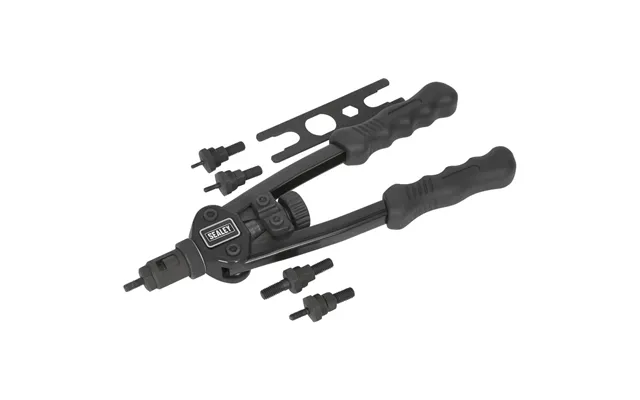
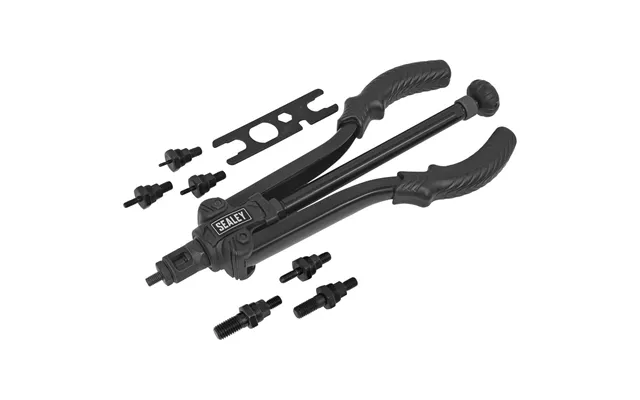
Most pliers come with multiple nosepieces to fit common rivet diameters like 3/32", 1/8", and 5/32". A kit that includes spare nosepieces or adapters will save you a trip to the hardware store. Check the maximum rivet diameter the tool supports — a typical manual plier handles up to about 5/32", while power tools do larger sizes.
Pull strength is the force required to set a rivet’s mandrel and flare the blind end so it clamps the materials. For manual tools, expect to work under a few hundred pounds of pull, which is fine for light to medium tasks. For thicker materials or larger rivets, pneumatic options offering thousands of pounds become necessary if you want consistent, repeatable results.
There’s a wide range of products on the market, from budget hand pliers to professional rivet guns. Knowing which type matches your needs helps you avoid paying for features you won’t use or buying something that won’t handle your workload.
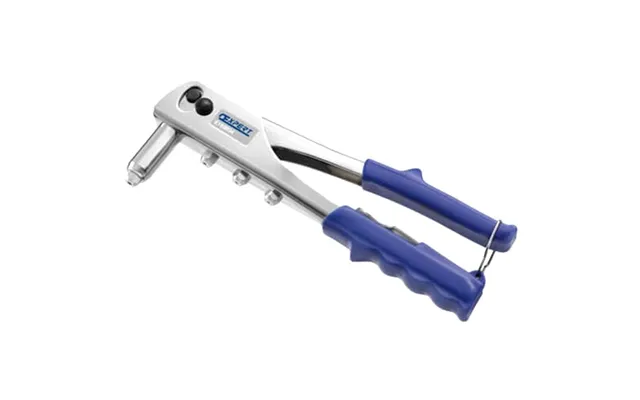
If you’re into weekend DIY and small home fixes, compact hand rivet pliers are perfect. They’re portable, affordable, and usually come with spare nosepieces for 3/32", 1/8", and 5/32" rivets. They’re lightweight and store easily alongside other hand tools.
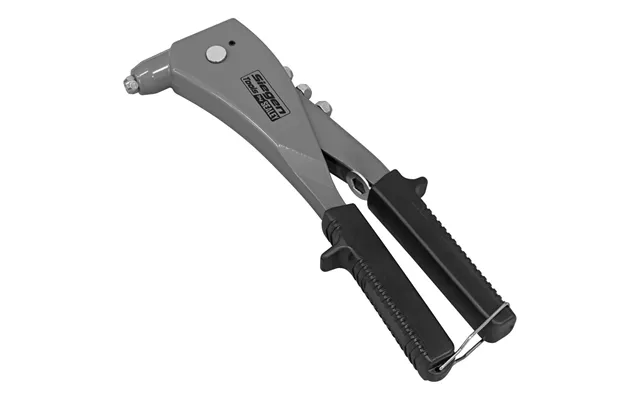
Long-handle mechanical pliers offer more leverage and are great for repetitive jobs. Professionals often choose them because the longer handles reduce hand strain and the thicker jaws stand up to higher pull forces. They’re the middle ground between hand tools and pneumatic systems.
Battery-powered rivet guns speed up work and remove the physical effort of manual setting. They’re especially handy when you’ve got to set dozens of rivets across a project. Battery models often handle a range of rivet sizes and include quick-change nosepieces.
For assembly lines, fabrication shops, or larger renovation work, pneumatic riveters are the go-to. Hooked up to an air compressor, they deliver fast cycle times and high pull strength, making them efficient for professional workloads.
Setting a rivet is straightforward but doing it right every time takes a little attention. Here’s a clean, easy workflow that I use to get consistent results, whether I’m repairing a metal panel or attaching a bracket.
Pick a rivet whose body diameter matches your hole and the thickness of the materials you’re joining. Common rivet diameters include 3/32" and 1/8". Drill a hole slightly larger than the rivet body — for example, use a 1/8" drill bit for a 1/8" rivet — and make sure your edges are clean and burr-free.
Push the rivet into the hole so the flange sits flush with the surface. Choose the nosepiece that matches the rivet mandrel diameter and screw it into the pliers. A snug fit prevents slipping and gives a clean set.
With manual pliers, squeeze the handles steadily until the mandrel snaps and the blind end flares against the back of the material. On powered tools, trigger according to the tool’s instructions. You should hear a distinct snap; that’s the mandrel breaking off and the rivet being set.
Check the head side to make sure the rivet is seated flush and the blind side has flared sufficiently to clamp the materials together. File any rough edges if necessary and remove leftover mandrel tips. If you see gaps or a loose fit, you may need a larger-diameter rivet next time.
Like any hand tool, rivet pliers last longer when you take care of them. Basic maintenance keeps jaws aligned and prevents corrosion, so you’re not halfway through a job when your tool fails.
Wipe off debris after each use and apply a light machine oil to the moving parts every few weeks if you use the tool frequently. Store the pliers in a dry place to prevent rust, and keep nosepieces and spare mandrels in a small container so you don’t lose them.
Check the jaw faces and nosepiece threads for damage. Replace worn nosepieces so rivets seat properly; a damaged nosepiece can produce loose or misshapen rivets. For powered tools, follow the manufacturer’s service schedule for air filters, seals, and motor maintenance.
Choosing between manual and powered rivet tools depends on frequency, rivet size, and your tolerance for hand fatigue. If you’re setting a handful of small rivets for a hobby project, manual pliers are quick and cheap. If you’re doing an ongoing series of installations or working with large-diameter rivets and thick materials, consider a battery or pneumatic tool for speed and consistency.
Having the right rivets and spare parts makes the job smoother and keeps your tool versatile. Keep a small inventory of common rivet types and sizes so you’re prepared for unexpected fixes.
Aluminum rivets are light and resist corrosion — great for general household use. Steel rivets give extra strength for structural work but can rust unless plated. Stainless-steel rivets are the premium option for exterior or marine applications where salt and moisture are a concern. Choose rivet material based on the project environment, not just cost.
Stock up on popular diameters: 3/32", 1/8", and 5/32". Match drill bit size to the rivet diameter — a 3/32" drill for a 3/32" rivet, and so on. For thicker materials, select longer rivets so the blind end can form properly on the back side.
Keep a set of nosepieces for varying rivet sizes, extra mandrels if your tool uses them, and a sturdy case to organize parts. A small magnetized tray helps catch mandrel tips and keeps your workspace tidy.
Riveting is generally safe, but the process involves small flying pieces and mechanical force. A few precautions go a long way in preventing injuries and protecting your workpieces.
A broken mandrel can fly off when it snaps, so always wear safety glasses. Gloves protect your hands from sharp sheet edges and help you grip tools more securely, but keep them snug so they don’t get caught in moving parts.
Clamp thinner materials to prevent flexing while you set the rivet. If the back of the joint isn’t supported, you’ll get a poor flange and a weak joint. A scrap piece underneath can act as a backing board during setting.
You don’t need to overspend to get a good rivet plier, but a few smart buying moves help you end up with a tool that lasts.
Don’t pay for a pneumatic system if you’ll use pliers once a season. Conversely, don’t buy a cheap set of pliers if you’ll be setting hundreds of rivets — the cheap jaws will wear out fast and cost you time. Think about frequency and rivet size before selecting a price range.
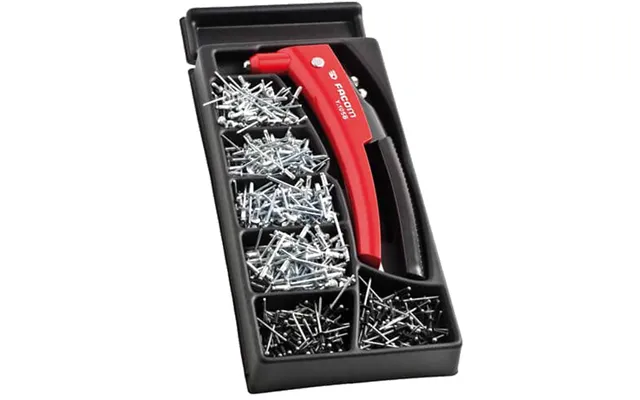
Kits that include common rivet sizes, spare nosepieces, and a carrying case give better value than bare tools. A warranty is a useful indicator of build confidence — longer coverage often reflects higher-quality components and manufacturing.
Shop around and read user reviews that describe real-world durability, not just marketing claims. Focus on comments about jaw longevity, ease of nosepiece changes, and performance on the exact materials you plan to use.
Rivet pliers are deceptively simple yet extremely handy. If you choose the right type for your needs, maintain it properly, and pair it with suitable rivets, you’ll be finishing joints that look clean and hold strong for years. Whether you’re a DIYer or a tradesperson, the right riveting setup saves time and produces professional results.
Now that you know the types, features, and smart buying habits, you’re ready to decide: small, handy manual pliers for occasional fixes, long-handle models for regular use, or powered riveters for heavy-duty consistency. Whichever route you take, invest a little time in learning proper technique and care — your rivet tool will reward you with dependable performance.
Happy riveting — and may your joints always hold tight like bolts in a bridge.
| Rivet Pliers | Price | |
|---|---|---|
| Arrow Arl100k Rivet Tool Kit | £ 18,68 | |
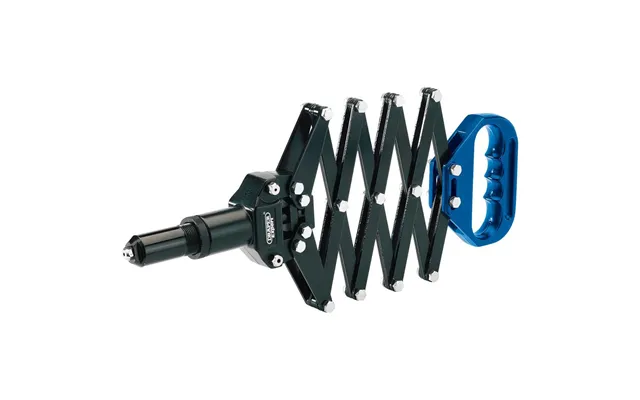
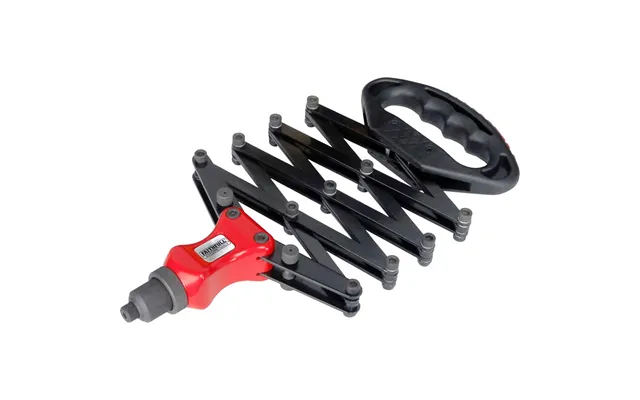
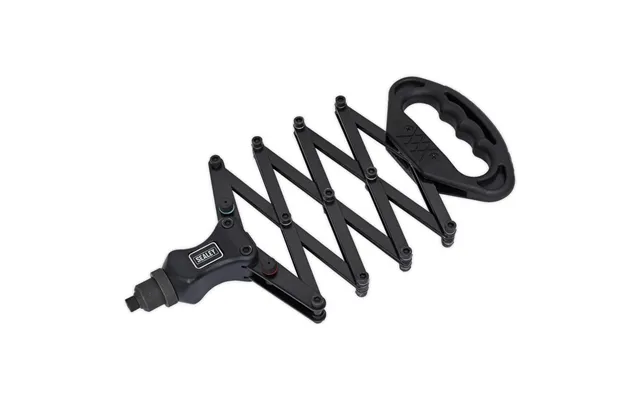
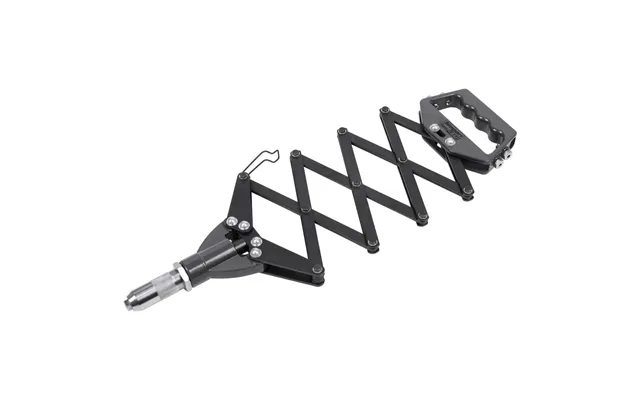
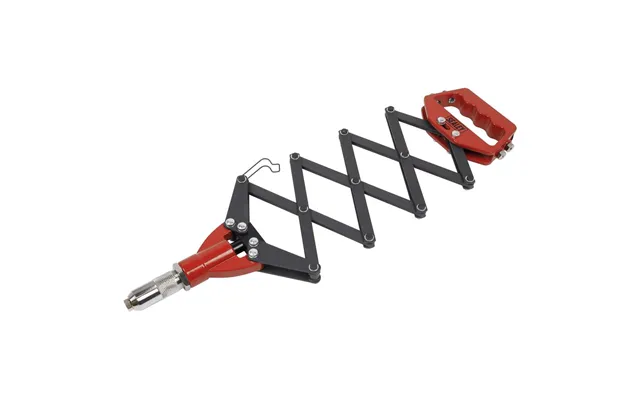
| Eclipse 2750c Compact Lazy Tong Riveter | £ 52,11 | |
| Eclipse 2750 Lazy Tong Riveter 3-5mm | £ 72,60 |