All categories
Business & Offices
Electronics & Media
Fashion & Accessories
Groceries & Essentials
Health & Personal Care
Home & Living
Kids & Family
Sports & Outdoors
Search in ZoneOffer

Loading...
When you shop for pest control, the big-ticket items like sprays and foggers often get the spotlight. But the “other” category is where many practical, targeted, and long-term solutions live — things like bait stations, monitoring devices, ultrasonic repellents, exclusion materials, and specialty tools. These items don’t always kill pests instantly, but they’re often the cleverest way to prevent, detect, or control a problem without spraying your home with chemicals.
Think of “other” pest-control products like the safety net under a tightrope walker. They catch problems early, reduce the need for harsh treatments, and keep small issues from becoming full-blown infestations. They’re ideal for households with kids or pets, rentals, and anyone who prefers less-spray, more-strategy solutions. Plus, many of these items are compact and affordable — a few inches of door sweep or a couple of bait stations can save you hours of hassle and hundreds of dollars later.
Glue boards are low-cost, simple traps that measure just a few inches across and are typically used inside cabinets, under appliances, or along baseboards. They’re great for early detection of mice, roaches, and crawling insects. Because they don’t use poison, they’re safe to place around kids and pets if positioned carefully.
Modern monitors can send alerts to your phone when motion or activity is detected in a run or bait station. These devices often cover a zone measured in square feet — for example, a single sensor might effectively monitor a 200–500 sq ft area. Smart monitoring helps you track patterns and know exactly where to target treatments.
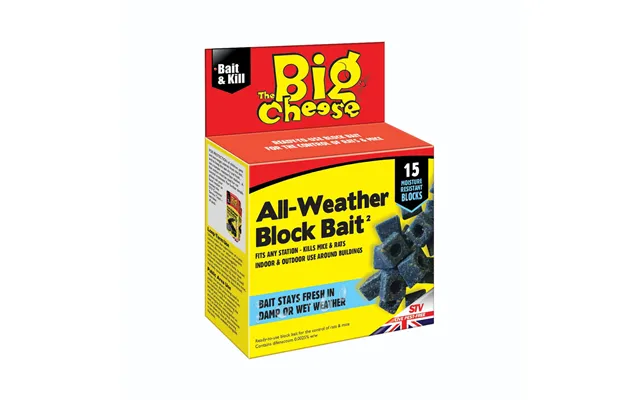
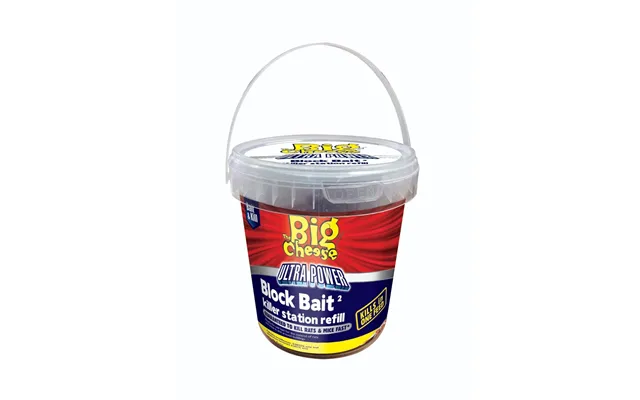
Rodent bait stations are locked plastic boxes roughly 6 to 8 inches long that hold bait securely inside, keeping it away from children and pets. They come in tamper-resistant designs and are used with blocks of rodenticide or bait pellets that typically weigh a few ounces each. These stations are essential for effective, legal, and safe rodent control around homes, garages, and sheds.
For ants and cockroaches, gel baits and enclosed roach bait stations offer targeted control. A pea-sized dab of gel (less than an ounce per application) near a nest can be more effective than broad sprays because the pests take bait back to the colony or harborage, spreading the treatment through social feeding behaviors.
Ultrasonic pest repellents claim to deter rodents and insects using high-frequency sound. Performance varies with brand and environment — a single plug-in unit might be touted to cover up to 600 sq ft, but factors like furniture, walls, and house layout affect real-world results. They’re worth trying as part of a multi-pronged approach, but don’t rely on them alone for severe infestations.
Prevention often beats treatment. A simple door sweep (typically 1 to 2 inches tall and cut to fit) keeps rodents and insects from slipping under doors, while stainless-steel mesh and steel wool are excellent for sealing holes around pipes and vents. Rodents can get through a gap the size of a quarter, so sealing cracks measured in inches can make a huge difference.
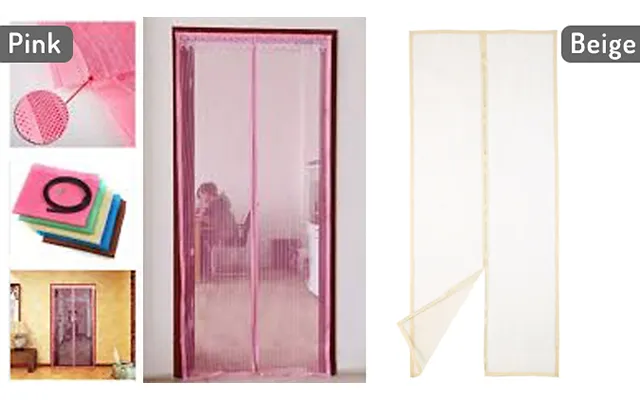
Adding or repairing window screens and vent guards prevents flies, wasps, and other flying pests from entering attics and living spaces. These screens are measured in inches across, and a tight fit keeps out pests without blocking airflow.
Bed bug mattress encasements zip around a mattress and box spring and are rated to trap or prevent bugs from hiding in seams. Sizes are listed in inches for mattress dimensions. Coupled with bed bug interceptors — small cups placed under bed legs to trap crawling insects — these items help monitor and break the bed bug life cycle.
Portable steamers designed for pest control reach surface temperatures over 200°F and are measured by their water tank capacity in pints or gallons. Steam kills bed bugs and eggs on contact without chemicals and is an excellent tool for treating furniture, seams, and crevices when used carefully.
Diatomaceous earth (DE) and boric acid are popular non-repellent powders. DE is often spread in a thin line using a duster and measured in ounces per treatment, while boric acid is commonly used in baits or lightly dusted into wall voids. Both work by disrupting insect physiology and are useful for long-term control when kept dry.
Essential oil-based sprays (like peppermint or cedar) can deter insects temporarily, while insect growth regulators (IGRs) interfere with development stages, stopping nymphs from becoming reproducing adults. IGRs are measured by the treated area in square feet and are especially helpful in controlling fleas and roaches over time.
Applying “other” pest-control products often requires proper tools: hand pump sprayers (1–3 gallons), trigger sprayers measured in ounces for spot treatments, bait guns for precise bait placement, and granular spreaders for outdoor perimeter treatments measured in pounds of product spread over a given area. Personal protective equipment — nitrile gloves, goggles, and a half-face respirator — measured in inches for fit and rated for particulates, is also a must for safe application.
Start by identifying the pest: droppings, tracks, or shed skins give clues. Next, consider location and household risks — children, pets, and food areas require low-toxicity, contained solutions like enclosed bait stations or glue boards. For larger infestations or structural pests, professional-grade options or a service may be necessary. Always check coverage: a bottle might treat 500 sq ft or a perimeter of 50 linear feet — understanding those numbers helps you compare value and effectiveness.
When comparing products, don’t just look at price per item — consider coverage, reusability, and safety. A high-quality tamper-resistant bait station may cost more up front but can be reused for seasons and reduces the need for multiple purchases. Similarly, a reliable smart monitor that runs on replaceable batteries might save money long-term by pinpointing problems early and reducing unnecessary treatments.
Pest control is rarely a one-shot deal. Use monitors and bait stations to track activity weekly, reseal exclusion points measured in inches, and rotate baits and strategies to prevent resistance. Seasonal checks — for example, inspecting basements and attics every 3 months — help keep issues small. Keep records of where you placed stations and monitors, noting dates and captured pests, and you’ll build a map of activity that makes future control faster and less costly.
Some situations clearly call for a trained technician: large rodent populations, suspected structural infestations (like termites), or pests that pose health risks, such as disease-carrying rodents. Professionals have access to treatments and tools not available to the general public, and can legally and safely apply them in ways that minimize risk to your household. If you’ve tried targeted “other” products for a few weeks with no improvement, it’s time to get expert help.
Always read labels carefully. Many pest-control products are regulated and have specific instructions about placement, protective gear, and legal restrictions. Use bait stations for rodenticides where required, never apply powders or baits where they can contaminate food, and dispose of used baits and traps according to local guidance. When in doubt, consult product documentation or a qualified professional.
Look for tamper-resistant features, clear coverage specifications in square feet, and consumer reviews that mention real-life effectiveness. Consider starter kits that bundle monitors, bait stations, and a few tools — these can be more economical than buying items individually. And remember: cheap doesn’t always mean better. A slightly higher-cost product with a clear warranty and good reviews will often save money and frustration down the road.
Ask yourself: What pest am I targeting? Is the treatment safe around kids and pets? How large is the area to be treated in square feet? Do I need a tamper-resistant or reusable solution? Answering these questions will steer you toward the right “other” products — whether you opt for monitoring tools, bait stations, exclusion materials, or eco-friendly powders.
Using “other” pest-control products smartly can transform your approach from reactive to proactive. They help catch problems early, reduce chemical use, and provide safer, targeted control. With a few well-chosen items and steady maintenance, you can keep pests at bay and avoid costly escalations down the line.
The “Pest Control - Other” category is where resourcefulness meets practicality. From bait stations and monitors to exclusion products and eco-friendly powders, these tools help you prevent and control infestations with precision. Prioritize safety, read labels, and choose products that fit your home size and household needs. When in doubt, combine smart DIY steps with professional guidance to protect your home effectively and responsibly.
| Pest Control - Other | Price | |
|---|---|---|
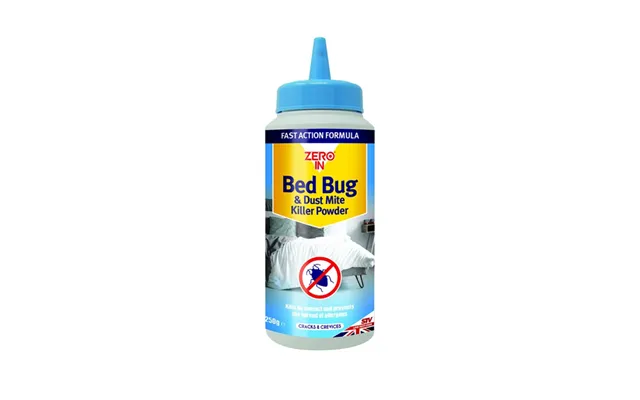
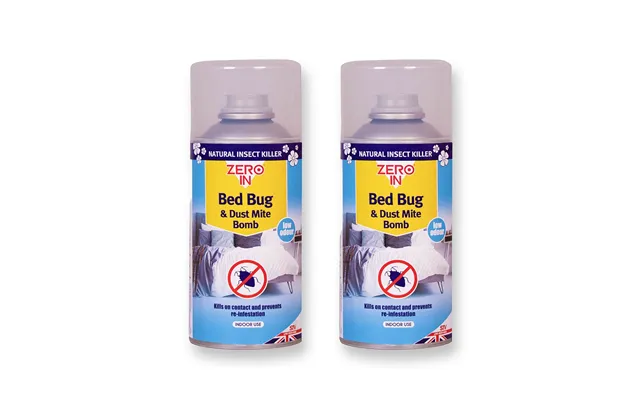
| Bed Bug & Dust Mite Killer Powder 250g | £ 11,99 |