






Food Steaming Bags
Loading...
Loading...
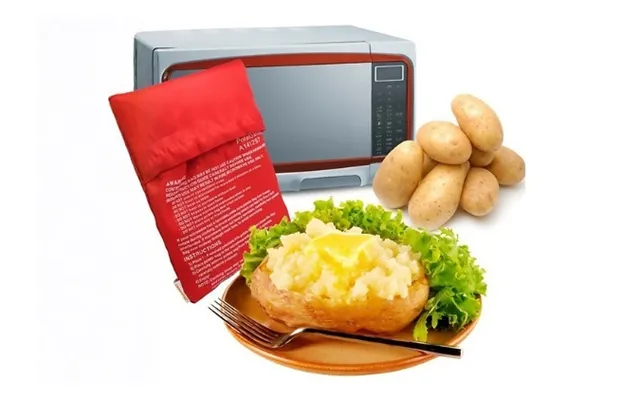
If you’ve ever wanted perfectly cooked vegetables, moist fish fillets, or mess-free meal prep without hauling out a bulky steamer, food steaming bags could be the small kitchen upgrade you didn’t know you needed. These bags let you steam in the microwave, boil on the stove, or use in an oven-safe setup, locking in flavors and nutrients while keeping cleanup simple. Think of them as a tiny steam chamber that fits in your kitchen routine—no extra pots, no steaming racks, and no guesswork.
Not all steaming bags are created equal. Picking the right type depends on how you cook and what you care about—speed, sustainability, or durability. Below are the main varieties you’ll see when shopping.
These are often lightweight, polymer-based bags designed for single use in the microwave. They’re convenient on busy mornings and usually come with built-in vents. Use them when you want a quick steam in 2–6 minutes. They’re great for reheating single portions or steaming a cup of frozen veggies, but they create waste with every use.
Reusable silicone bags—often made of food-grade silicone—have become popular because they’re durable, flexible, and dishwasher-safe. Many brands advertise oven and stovetop safety; typical temperature limits hover around 450°F to 500°F. Sizes commonly range from about 6 inches by 4 inches for single portions up to 12 inches by 9 inches for family portions. They’re pricier upfront but pay off fast if you steam regularly.
These breathable bags are usually nylon or polyester mesh and are perfect for steaming vegetables or shellfish in a pot or basket. They allow water and steam to circulate freely while keeping small pieces contained. Mesh bags are good for large batches—think a few pounds of corn or shellfish—and they dry quickly when hung up after washing.
Not a bag in the plastic sense, bamboo steamer baskets often use parchment or banana leaf liners to protect delicate foods from direct contact while letting steam through. They’re ideal for dim sum, dumplings, and buns. If you enjoy Asian-style steaming or want a rustic presentation, these are the classic choice.
Safety and material quality matter, especially when heat is involved. Here’s a quick checklist so you don’t end up with melted plastic or off flavors.
Look for bags marked “food-grade” and “BPA-free.” Food-grade silicone and high-temperature plastics avoid leaching chemicals into your food. If a product doesn’t clearly state its safety ratings and temperature limits, skip it.
If you plan to use a reusable silicone bag in an oven or on the stove, verify the maximum temperature—commonly 450°F to 500°F for high-quality silicone. Microwave-specific disposable bags will list safe microwave times and power levels, typically measured in minutes rather than temperature.
Zip closures, snap locks, or fold-over tops each have pros and cons. Zipper seals are leak-resistant for sauces, but they can be harder to clean. Fold-top or vented closures are simpler and often preferred for pure steaming jobs where you don’t want pressure buildup.
Size matters when it comes to even cooking. Here’s a simple guide to matching bag size to your needs, using imperial units to make it practical for kitchens in the U.S. and the U.K.
Small bags—about 6 inches by 4 inches—are perfect for single portions like a 4–6 ounce fish fillet or a 6–8 ounce serving of vegetables. Use these for packed lunches or quick dinners when one person is eating.
Medium bags around 9 inches by 6 inches handle up to roughly 16 ounces of mixed vegetables or two smaller fillets. For larger batches, choose a bag that’s 12 inches by 9 inches or more; these can hold up to 32 ounces or several servings for meal prep days.
Once you’ve got a few steaming bags on hand, a world of quick, healthy meals opens up. Here are practical ways to use them.
Carrots, broccoli, asparagus, and green beans steam in about 3–7 minutes depending on thickness. Cut vegetables into uniform pieces—about 1/2 inch to 1 inch—to ensure even cooking. Steam in the bag with a tablespoon or two of water to intensify flavor without turning them soggy.
A 6–8 ounce piece of salmon or cod takes about 6–8 minutes in a small bag in the microwave, or 8–12 minutes when poached in a simmering pot. Add lemon slices, fresh herbs, and a teaspoon of olive oil for restaurant-style results without the fuss.
Microwaving leftovers on plates often dries them out. Use a steam bag to reheat rice, pasta, or casseroles; the steam restores moisture and keeps textures pleasant. Reheat times will vary—start with 1–3 minutes for single servings and increase as needed.
Want to get cooking right away? Here are two foolproof recipes that show how versatile these bags are.
Place a 7-ounce salmon fillet on a bed of trimmed asparagus spears (about 8 ounces) inside a 9-inch by 6-inch silicone bag. Drizzle 1 tablespoon olive oil, sprinkle salt and pepper, and add two thin lemon slices. Microwave on high for 6–7 minutes, then let rest for 2 minutes before serving. Easy, fresh, and flaky.
Combine 12 ounces of mixed vegetables—snap peas, sliced carrots, and broccoli florets—in a mesh steaming bag. Add a splash of water to the pot and steam over simmering water for 5–8 minutes. Toss with 1 tablespoon butter and a clove of minced garlic for a simple side that pairs with any main course.
Reusable bags are a long-term investment, but they need a little love. Follow these tips to keep them in top shape.
Most reusable silicone bags are dishwasher-safe—place them on the top rack. For stubborn oils or sauces, scrub with warm water and a long, narrow brush or soak in a solution of warm water and mild soap. Avoid abrasive scouring pads that can damage the surface.
Air-dry thoroughly by propping the bag open—many find it helpful to hang them over a mug or bottle mouth. Store bags flat or upright with the seal open to prevent trapped moisture and odors.
Disposable steam bags are convenient, but they add up fast. If you steam several times a week, reusable silicone or mesh options reduce plastic waste and often cost less per use after a few months. Think of reusable bags as the “bring-your-own-bottle” mindset applied to steaming—small change, big impact.
A few simple missteps can ruin a great idea. Here’s what to watch for so your steaming bag cooking goes smoothly every time.
If you cram too much food into the bag, steam can’t circulate and results will be uneven. Leave at least 1–2 inches of headspace, especially when using microwave steam bags.
Some bags require venting to prevent pressure buildup. Always follow the manufacturer’s directions—pricking a small hole or using a vent flap can prevent unexpected bursts or splatters.
When comparing products, keep these features top of mind to get the best value and fit for your needs.
A quality reusable bag should last hundreds of uses. Check for warranty coverage on tears or seal failure—many brands offer a satisfaction guarantee or replacement policy.
Bags with wide openings and dishwasher-friendly materials save you time. Avoid complicated zipper tracks that trap food unless the brand offers an effective cleaning tool or design.
Expect to pay more upfront for reusable silicone than for disposables, but calculate cost-per-use. A $15 silicone bag used 150 times costs about $0.10 per use, while a $0.50 disposable adds recurring expense and waste.
Steaming bags work especially well alongside other compact cooking tools. Consider pairing them with a small microwave-safe plate for support or a multi-tiered bamboo steamer for larger dinners. They’re also handy for camping or tiny apartments where stovetop space is limited.
Comparison shopping is your friend. Look for bundles that include multiple sizes, and check for seasonal promotions on kitchen tools. Read reviews that mention longevity and real-world microwave or oven use—these give the best sense of how a bag performs week after week.
Want extra flavor? Add a splash of stock, a pat of butter, or a drizzle of soy sauce to the bag before sealing. For faster reheating, cut food into smaller pieces about 1/2 inch to 1 inch in size. And if you’re worried about leaking, place the bag on a microwave-safe plate to catch any accidental drips.
Food steaming bags offer a convenient, healthy, and often eco-friendly way to cook for one or many. Whether you choose reusable silicone bags for long-term savings or disposable microwave bags for occasional use, they’re a practical tool that simplifies mealtime and keeps flavors intact. Ready to streamline your cooking routine?
Start small—pick a size that fits your typical portions, try a simple steamed vegetable recipe this week, and see how much easier meal prep becomes.
Conclusion: Food steaming bags are a versatile addition to modern kitchens. They save time, preserve nutrients, reduce dishes, and can cut down on waste when you choose reusable options. With the right bag, a few minutes in the microwave or on the stovetop delivers delicious meals that taste fresh and look great. Embrace the steam and enjoy food that’s simple, fast, and full of flavor.