

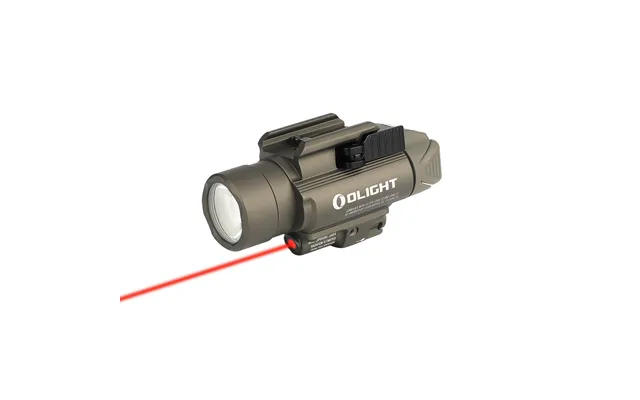
Gun Lights price list
Last updated Monday, 19 Oct 2026
| Gun Lights | Price |
|---|---|
| Baldr Rl Tactical Light & Red Laser - Desert Tan | £129.95 |




Loading...
Last updated Monday, 19 Oct 2026
| Gun Lights | Price |
|---|---|
| Baldr Rl Tactical Light & Red Laser - Desert Tan | £129.95 |
If you own a firearm for sport, work, or personal protection, adding a gun light changes the game. A quality weapon-mounted light not only illuminates your target in low-light situations but also helps identify threats, improve accuracy, and keep you safer by reducing the odds of misidentification. Think of a gun light like a car headlamp for your firearm — it lets you see farther, act faster, and make better choices under pressure. In the UK, options range from compact LED units that attach to a pistol rail to heavy-duty tactical lights made for rifles. This guide walks you through what to look for, popular models worth comparing, maintenance tips, and how to find the best deals across comparison sites.
Picking a gun light can feel overwhelming with specs like lumens, beam distance, and mounting compatibility thrown at you. Start by prioritising what matters most: brightness for your typical environment, how the unit mounts to your firearm, battery life for extended use, and the overall size and weight so it doesn't upset your handling. Below we break these features into digestible pieces so you can match a light to your real-world needs rather than marketing fluff.
Lumens measure raw light output, but beam distance — often quoted in feet — tells you how far that light projects. For close-quarters and room clearing, 200 to 600 lumens with a throw of 50 to 150 feet is usually ample. If you need to identify targets at longer ranges, look for 800 lumens or higher and throws approaching 300 feet. Remember: more lumens drains batteries faster, so balance brightness with runtime. Also consider beam pattern — a wide flood is great for nearby situational awareness, while a tighter, focused beam is better for spotting at distance.
Most modern firearms use a Picatinny or Weaver-style accessory rail, so ensure your chosen gun light is compatible. Many pistol lights clamp to a 1913 Picatinny rail or a proprietary rail on specific models. Some compact units are designed to fit beneath a trigger guard instead of a rail. If you plan to swap the light between platforms, choose a universal mount or confirm adapter availability. Mount stability matters — a loose mount can shift zero and frustrate you during sighting and drills.
Gun lights range from tiny, coin-sized units that add only a fraction of an inch to full-size tactical lights that extend several inches and weigh a few ounces. Consider how the extra bulk affects holster selection and handling. A bulky light may require a new holster, while a lightweight option might feel more natural on a concealed carry pistol. Ergonomics also include activation methods: thumb switches, ambidextrous push-buttons, or pressure pads. Choose what you can reliably operate under stress and while wearing gloves.
Battery chemistry matters. CR123A disposable cells give high power and cold-weather reliability, while rechargeable 18650 or 18350 lithium-ion cells offer cost savings over time and consistent performance. Many modern gun lights come with built-in rechargeable batteries and a USB charging port — convenient if you have access to power but less useful in extended field situations. Always check claimed runtime at different lumen settings, and consider carrying spare batteries measured in ounces so you can swap on the go.
Not all gun lights are created equal. Your use case — training, home defence, duty carry, or hunting — dictates the best type. Here’s a quick breakdown of the main categories and why you might choose each one.
Rail-mounted lights bolt onto a Picatinny or proprietary rail and are the most common option for pistols and rifles. They offer a secure mount and often higher lumen outputs than trigger-guard units. Examples include compact tactical lights that balance power and size for pistols, as well as larger rifle lights designed for long-range identification. Rail lights are great for duty use and home defence where quick, reliable activation is critical.
Trigger-guard lights attach to or replace the pistol’s trigger guard area, staying low-profile and often allowing easier holstering. These compact units excel for concealed carry or when you need to keep the overall footprint small. They typically provide enough light for short-range identification and are less likely to snag on clothing during a draw.
If you train with night vision or need an aiming aid, infrared illuminators and laser combos are essential. IR lights are invisible to the naked eye but visible through night vision optics, while integrated lasers (visible or IR) help with rapid target acquisition. These are specialised tools used by military, police, and advanced civilian shooters who understand the tactical trade-offs and legal considerations of laser use.
When shopping, some names consistently appear because they deliver reliable performance and are easy to resell or service. Below are well-regarded brands and example models to use as benchmarks when comparing deals on comparison sites.
SureFire X300 units are iconic for durability and reliable lumen output, often used by professionals. They typically offer robust mounts and intuitive ambidextrous switching. Expect a length around 3.5 to 4 inches and weight in the single-digit ounces depending on the model and batteries. These lights are a premium choice if budget allows.
Streamlight’s TLR series is popular for a reason — solid performance at competitive prices. The TLR-1 and TLR-7 offer different lumen levels and compact form factors. Streamlight often uses affordable battery types and provides models with quick-detach mounts, making them versatile for civilians and first responders alike.
Olight brought USB-rechargeable convenience to many models. The Baldr line combines a bright LED with an optional laser and a compact design that plays well with pistols used for duty or home defence. Their integrated recharge ports and multi-mode outputs appeal to users who prefer rechargeables over disposables.
Viridian is known for laser/light combos and smart activation systems. Inforce focuses on lightweight polymer housings that reduce overall weight while offering respectable lumen numbers. Both brands have strong followings among sport shooters who want technology and value combined.
In the UK, firearm and accessory ownership comes with strict legal and safety responsibilities. While owning lights and many accessories is often legal for licensed firearm owners, always check local laws and licensing conditions. Additionally, trivial mistakes in mounting or practice can create dangerous situations, so proper installation and regular training are essential.
After mounting a light, perform a function and fit check. Ensure the unit is secure, activation is predictable, and the light doesn’t shift your point of aim. While a light shouldn’t alter the firearm’s zero significantly, any shift in grip or height could. Dry-fire and live-fire drills under supervised conditions will confirm whether adjustments are needed.
Lighting changes how you operate. Train in low-light environments to practise target identification, activation under stress, and threat discrimination. Learn to use both momentary and constant-on modes, and practice with gloves if you expect to wear them. Training builds muscle memory so switching the light on doesn’t become a hesitation point when seconds count.
Take care of your weapon light like you would your firearm. Simple habits will extend its lifespan and keep it reliable when you need it most.
Keep lenses clean and free of oil, dirt, and fingerprints — a microfiber cloth works wonders. Check O-rings and seals for wear to maintain water resistance; many models are rated for rain and accidental immersion, but seals degrade over time. If you expect to use the light in wet conditions regularly, inspect seals before outings and replace as needed.
For rechargeable models, avoid leaving batteries fully depleted for long periods. Charge to a moderate level if storing for months and follow manufacturer charging cycles to prolong battery life. For disposables, carry spares in a waterproof pouch. Keep track of weight in ounces if every ounce matters in your setup.
A gun light is rarely a standalone purchase. Holsters, spare batteries, charging docks, and rail adapters all influence how well the system works for you. Think ahead so your accessory choices don’t force you into compromises later.
A light-equipped pistol usually needs a dedicated holster. Look for models rated to fit your specific light-and-gun combination; universal holsters often don't provide a secure fit. Consider retention level, draw angle, and concealability when selecting a holster for everyday carry or duty use.
If you choose a rechargeable light, a reliable charging dock or cable is essential. Carry a spare battery or a small power bank for field charging if you expect long days away from power. For disposable cells, lightweight storage solutions keep spares dry and accessible.
Price varies widely between models and vendors. Use comparison tools, read multiple reviews, and pay attention to the real-world specs rather than just the highest lumen number. Look for package bundles that include spare batteries, holsters, or mounts — sometimes a slightly higher ticket price offers better overall value.
Two lights might cost the same but offer different run times, beam distances, and build quality. Compile a short list of must-have features and filter deals according to those specs. Check user reviews for reliability over time rather than focusing solely on the initial price tag.
Factor in batteries, holster changes, potential mount adapters, and even training sessions. A cheaper light that requires expensive batteries or a new holster can end up costing more in the long run. Think in terms of ounces and inches — how a light fits and functions day after day matters more than a weekend bargain.
Choosing the right gun light in the UK comes down to matching your real needs with the right features: lumen output and beam distance for your environment, a secure mount compatible with your firearm, battery type that complements your lifestyle, and a size that doesn't complicate carry or handling. Top brands like SureFire, Streamlight, Olight, Viridian, and Inforce offer solid starting points, but always compare detailed specs and user feedback before buying. Treat a gun light as part of a system — combine it with training, the correct holster, and proper maintenance to get the most value and safety from your investment. When in doubt, use a comparison site to find current offers and bundle savings so you can make an informed decision without overspending.