

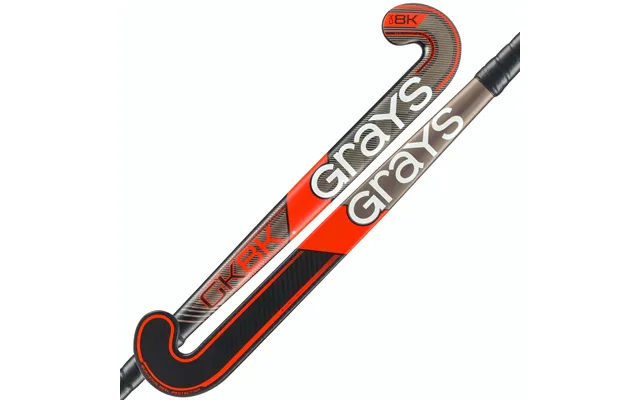
Hockey Sledges price list
Last updated Monday, 19 Oct 2026
| Hockey Sledges | Price |
|---|---|
| Grays Gk8k Elite Composite Goalie Hockey Stick - Size 37.5 Inches | £199.99 |





Loading...
Last updated Monday, 19 Oct 2026
| Hockey Sledges | Price |
|---|---|
| Grays Gk8k Elite Composite Goalie Hockey Stick - Size 37.5 Inches | £199.99 |
If you’ve ever watched sled hockey and thought, “That looks intense,” you’re not alone. A hockey sledge is a specialized sled designed for ice hockey play by athletes who sit in a bucket-style seat and propel themselves with short hockey sticks that have metal picks on the butt end. Players of all ages and abilities use sledges—from grassroots adaptive programs to elite Paralympic teams—and the sport is fast, physical, and tactical.
Hockey sledges serve two main audiences: adaptive sports participants who want to get on the ice for fun and fitness, and competitive players who train for club, national, or international events. Sledges can range from entry-level, heavier models geared for durability to lightweight, race-ready rigs designed for speed and maneuverability.
Understanding the parts of a sledge helps you pick the right model. Think of a sledge like a car—it has a chassis, a seat, steering mechanics (via body lean and stick control), and running gear. The major components are the frame, seat or bucket, runners/blades, and footrest/footplate. Each element affects comfort, performance, and maintenance.
Frames are usually aluminum or steel, and more expensive sledges may use aircraft-grade alloys to shave weight. Aluminum frames keep the sledge light—often under 30 pounds—while steel frames add durability but can push the weight above 40 pounds. If you prioritize speed and quick turns, aim for a lighter frame; if you need ruggedness for frequent rental or multiuser environments, a sturdier frame makes sense.
The bucket (seat) is where fit matters most. Buckets come in molded plastic or padded shells, and many have adjustable mounting points to move the seat forward or back. A snug but comfortable fit stabilizes the torso for better stick handling, while a poorly fitting bucket can cause chafing or reduce power transfer during pushes. Look for models with removable padding, straps for torso security, and options for custom adjustments.
Runners are the steel blades attached under the sledge that contact the ice. Blade profile, length, and mounting angle all influence glide, grip, and turning radius. Competitive players often choose lower-profile blades with precision mounting to maximize speed, while recreational sledges typically use thicker, more forgiving blades for stability.
Sharpen your sledge blades regularly—dull runners feel sloppy, especially when carving turns. A properly sharpened blade should have a consistent hollow and no rust. Keep blades dry after use, and use a blade cover when transporting to prevent nicks. If you’re unsure about sharpening, find a rink or skate shop that services hockey blades; they can usually accommodate sledge runners too.
Sticks in sled hockey do double duty: the blade end handles the puck, and the butt end has metal picks for propulsion. Sticks are shorter than stand-up hockey sticks—typically around 24 to 28 inches—so choosing the right length and shaft stiffness affects your reach and shot power. Composite shafts are common in higher-end sticks for lighter weight and better energy transfer.
Don’t forget helmet with full cage for protection, padded gloves with cut-resistant material on the palms, and a chest protector tailored to sled hockey motion. Seat belts or harnesses help stabilize players and are often adjustable. For rinks that double as training centers, protective blade covers, a carry bag for your sledge, and a small toolkit for quick frame or runner adjustments are practical additions.
Choosing the right sledge is about matching the equipment to the user’s goals, body size, and budget. Ask yourself: are you looking for a first-time sledge for recreational play, an upgrade for competitive performance, or a rental that must stand up to heavy use? That answer will guide you toward certain features and price points.
Size matters. Measure torso length and hip width to choose a bucket that provides good support without restricting movement. Weight matters too; lighter sledges are easier to accelerate and turn, but they can cost more. Adjustable footrests and seat mounts extend the life of the sledge as a player grows or changes position, which is especially valuable for juniors.
Budget considerations often force a choice between new and used sledges. New sledges give you warranty coverage and the latest materials; used sledges can offer high value but carry unknown wear on blades, frames, and seat mounts. Inspect used sledges for cracks in the frame welds, rusted runners, and loose fasteners. If possible, test a used sledge on ice before committing.
Good places to shop include specialized adaptive sports retailers, hockey pro shops that carry sled accessories, and club equipment inventories that periodically sell older sleds. Comparing models and prices across multiple sellers helps you spot a fair deal. Keep shipping costs in mind—sledges can be bulky and incur higher freight fees.
Routine care extends the life of a sledge and ensures safety. After each session, wipe down the frame and blades to remove moisture. Store the sledge in a dry place and invest in blade covers. Tighten bolts periodically and replace padding that becomes compressed. A small maintenance checklist can save you from costly repairs later.
Before long storage periods, remove batteries from any electronic accessories, apply a rust inhibitor to exposed metal, and check the integrity of straps and buckles. In the offseason, consider a tune-up with a shop: realigning blade mounts and checking welds can prevent surprises when you get back on the ice.
Customization can be a game-changer. Swapping to lighter runners, installing a different bucket, or adjusting the center of gravity can significantly affect handling. For competitive players, even small tweaks—like a millimeter change in blade cant—can improve edge control and speed.
Simple upgrades like changing padding and strap positions are safe DIY projects. More complex modifications such as cutting frames, altering blade mounts, or changing runner angles should be handled by professionals or experienced technicians to maintain structural integrity and safety compliance.
Training on a sledge is both physical and technical. Drills that improve upper-body strength, quick directional changes, and puck handling from a seated position translate directly to on-ice performance. Try interval-style pushing drills to build sprint endurance, and practice passing at different angles to sharpen on-ice decision making.
Upper-body conditioning is key: pull-ups, rowing, and medicine-ball throws build the power you need for explosive pushes. Core stability exercises help maintain balance in the bucket during contact. Flexibility training for shoulders and wrists reduces injury risk and improves reach.
Safety starts with the right gear and continues with smart habits. Helmets with full cages, neck guards, and reinforced gloves protect players in collisions and falls. Make sure harnesses or seat belts are secure but not restrictive. Coaches should enforce safe checking rules and ensure that new players learn how to fall and recover safely.
On-ice etiquette matters—keep awareness of other players, avoid dangerous checks near boards, and respect stoppages and whistle calls. For practices, use cones or markers to separate drills and minimize congestion that increases collision risk.
Trying a sledge before buying is ideal. Local adaptive sport programs, community rinks, and clubs often offer demo sledges and beginner clinics. If you must buy online, check return policies and ask detailed questions about sizing, weight, and included accessories. Photos and close-up shots of welds, blades, and mounts help you evaluate condition when purchasing used gear remotely.
Review warranty terms carefully. Frames and buckets typically have longer coverage, while wear items like blades and padding might be excluded. Reliable customer support from the seller or manufacturer is valuable if you need replacement parts or technical advice.
Hockey sledges come in different styles: recreational sledges for social play, competitive sledges for speed and agility, and adjustable sledges for youth development. Related equipment includes sled trainers, which let a standing player learn sled hockey basics on dry surfaces, and sledge-specific blade covers and transport carts for easier handling.
Adaptive hockey goes beyond sledges. Wheelchair hockey, stand-up adaptive sticks, and on-ice support devices broaden the sport’s accessibility. Investing in quality protective gear and training aids can help newcomers find success and enjoyment quickly.
Choosing a hockey sledge is a balance of fit, durability, and budget. If you’re new, start with a durable, adjustable sledge that can handle a few knocks and grow with the player. If you’re chasing speed and competitive edge, invest in lighter frames, precision blades, and custom adjustments. Above all, prioritize comfort and safety—those make every training session more effective and more fun.
Whether you’re shopping for your first sledge, upgrading to race-ready gear, or managing a club’s inventory, the right information and a bit of hands-on testing go a long way. Happy skating—and don’t be surprised if sled hockey becomes your new favorite way to own the ice.
Conclusion: Sled hockey is accessible, fast-paced, and endlessly adaptable. The right sledge and accessories make the difference between a frustrating experience and one that’s freeing and empowering. Use this guide to narrow your options, ask the right questions, and get on the ice with confidence.