All categories
Business & Offices
Electronics & Media
Fashion & Accessories
Groceries & Essentials
Health & Personal Care
Home & Living
Kids & Family
Sports & Outdoors
Search in ZoneOffer
Loading...
Looking to add a simple, effective tool to your home gym? Exercise balls—also called stability balls or Swiss balls—are one of those rare pieces of equipment that punch well above their size. They’re versatile for everything from improving posture to adding instability to strength moves so your core works harder. If you want to get stronger, steadier, and more mobile without needing a lot of space or complicated machines, an exercise ball is a smart bet.
Think of an exercise ball like a tiny challenge every time you sit, roll, or crunch: it forces small stabilizer muscles to engage, improving balance and functional strength. You’ll notice better posture, fewer aches in your lower back, and a steadier midline when you carry groceries or pick up the kids. Plus, the low-impact nature of ball workouts makes them ideal if you’re rehabbing an injury or easing into fitness.
Not all balls are created equal. When you shop, you’ll see a few different names—stability ball, Swiss ball, balance ball—and they’re mostly describing the same inflatable tool. But there are also foam balance balls, mini stability balls, and heavy medicine balls. Choosing the right type depends on your goals: core stability, dynamic training, or weighted resistance.
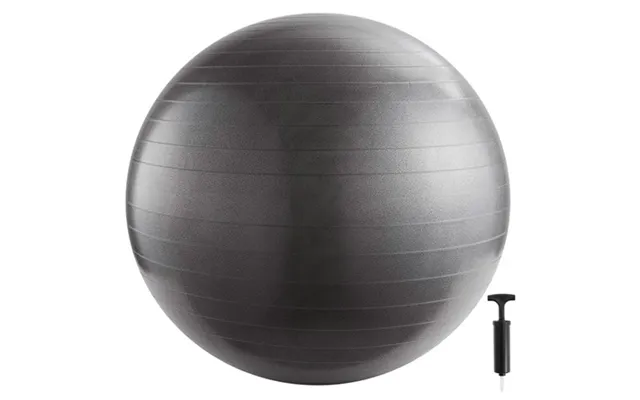
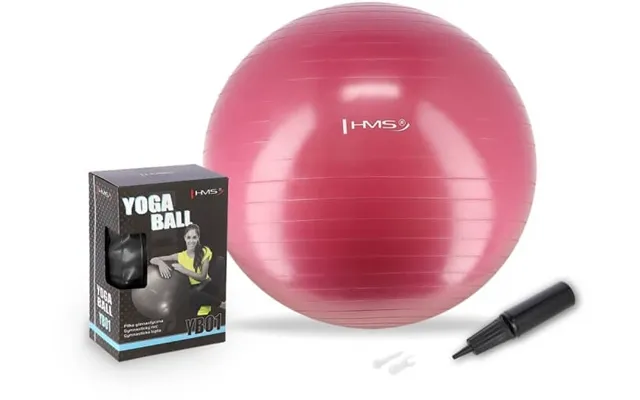
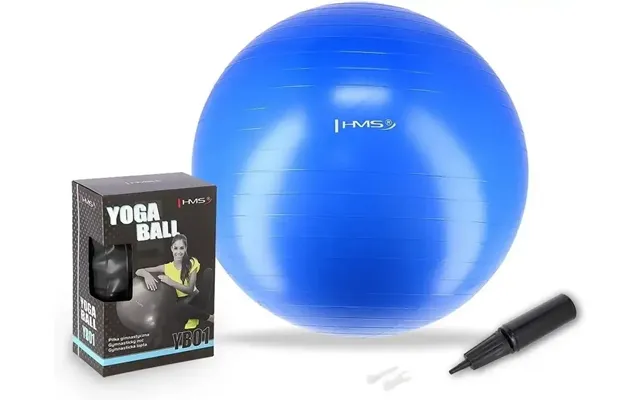
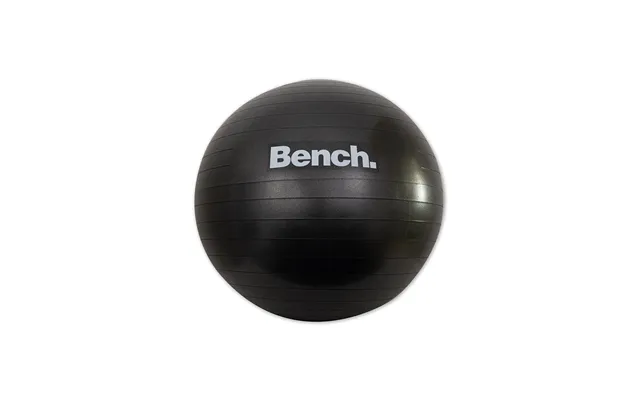
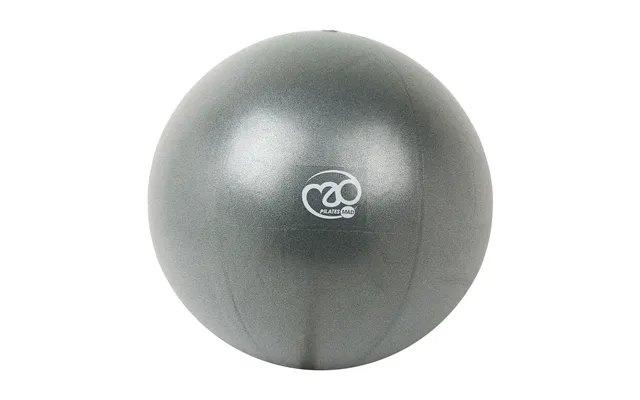
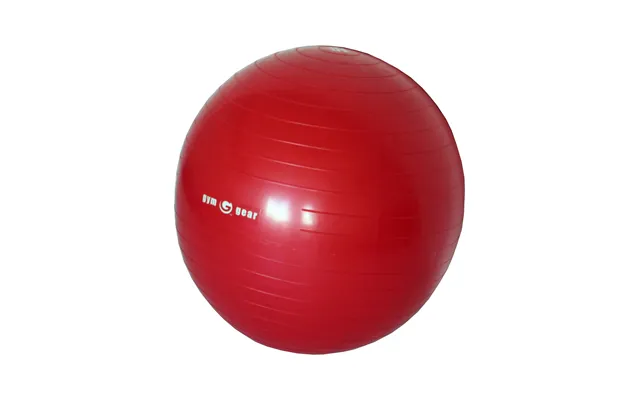
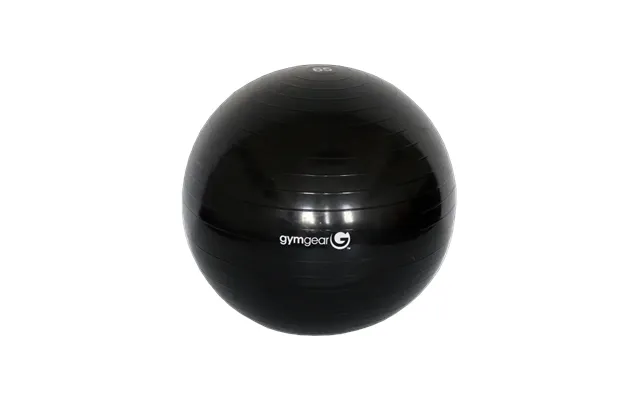
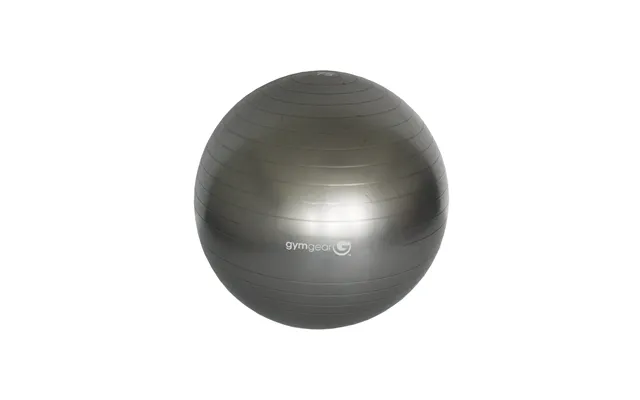
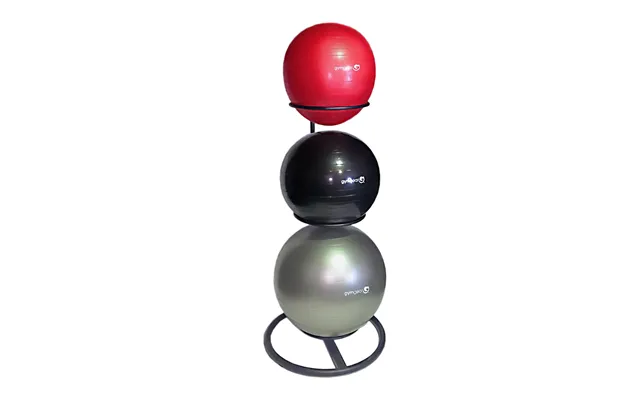
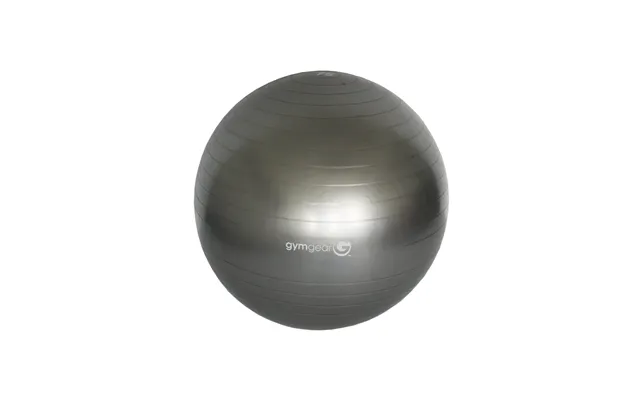
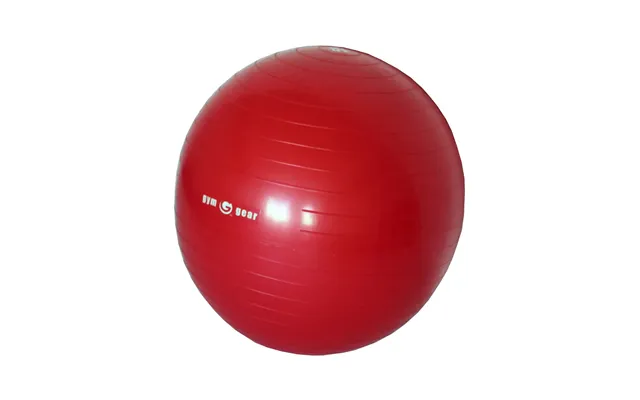
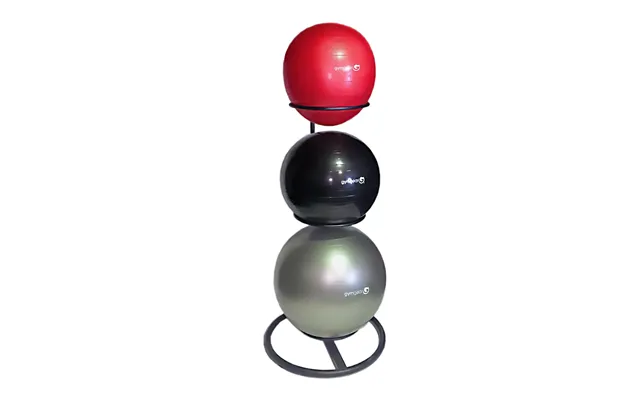
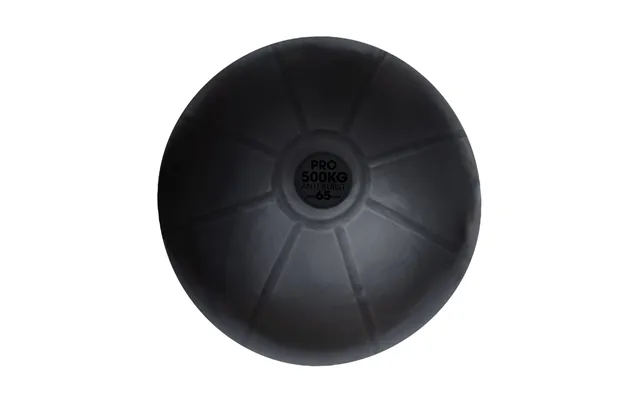
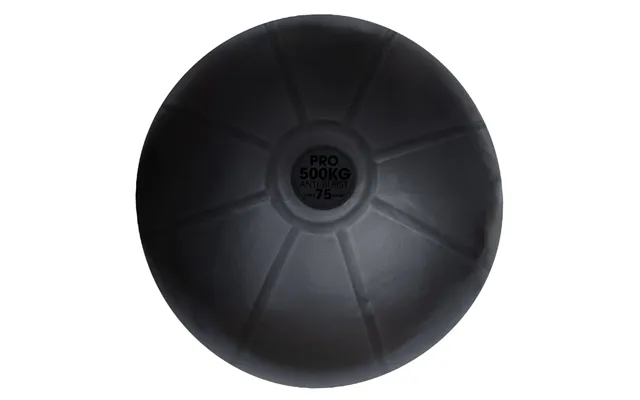
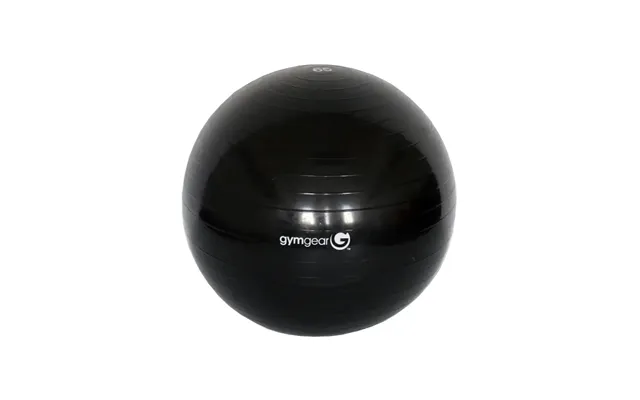
These are the classic inflatable balls used for sitting, balance training, and core workouts. They come in common diameters like 22 in, 26 in, 30 in, and 34 in. They’re light, portable, and usually come with a hand pump. With an anti-burst rating on many models, they’re safe for home use and able to support several hundred pounds when inflated properly.
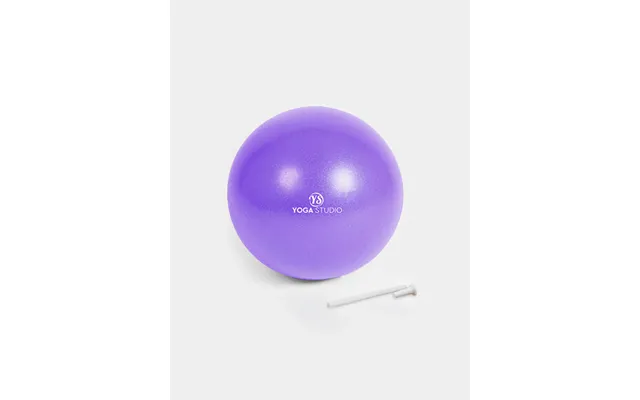
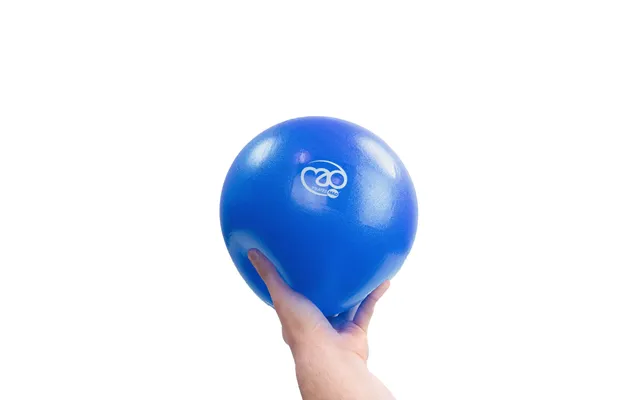
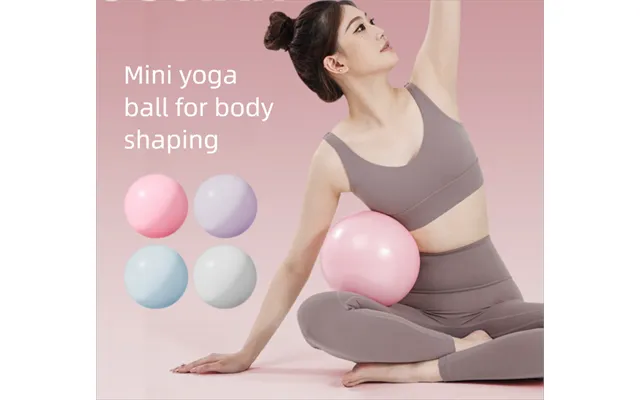
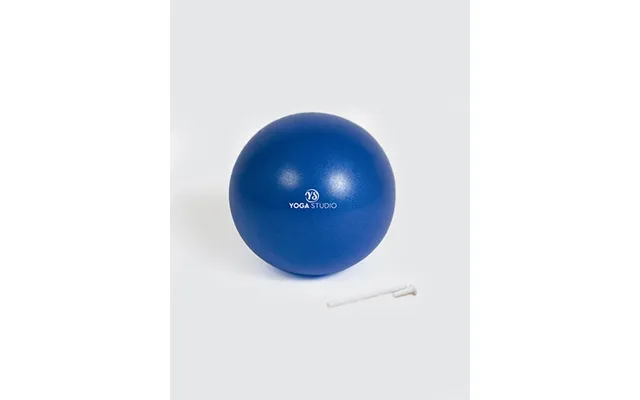
Mini stability balls (about 10–16 in) and balance discs give similar benefits in a compact size. Use them under your feet when sitting at a desk to activate your core, or choose a disc for seated balance drills. These are great for small spaces and for people who want subtle instability rather than rolling challenges.
Choosing the correct ball size matters more than you might think. If the diameter is wrong, you’ll sacrifice posture and form and the ball can feel awkward for exercises. Here’s a practical sizing guide in inches to help you pick the right fit.
General recommendations: if you’re under about 5'0" choose a 22 in ball; between 5'0" and 5'6" go with 26 in; 5'7" to 6'0" works well with a 30 in ball; and if you’re over 6'0" choose a 34 in ball. These are starting points—when you sit on the ball your knees should be roughly at a 90-degree angle and your hips slightly above your knees. If your knees point up or down too much, try the next size up or down.
Material quality and safety features are vital. A cheap ball can pop unexpectedly while you’re balancing, which isn’t just embarrassing—it can be dangerous. Look for exercise balls labeled “anti-burst” or “burst-resistant,” and check the stated weight limit in pounds. Higher-quality balls are typically thicker and use multi-layer PVC or thermoplastic materials.
Anti-burst doesn’t mean the ball is indestructible; it means the ball will deflate slowly rather than explode under pressure. Most reputable stability balls list weight capacities in the 300–2,200 lb range depending on construction—yes, some performance models are rated for over 1,000 lbs because that accounts for static loads and extra safety margin. Stick to a brand that lists a clear weight rating in pounds and provides user guidance on inflation.
One ball, countless options. Whether you’re a beginner or a seasoned lifter, the instability of a ball amplifies the effectiveness of many standard exercises. Here’s a mix of core, strength, and mobility moves you can build into a short circuit or a full workout.
Start with the basics: ball crunches (for controlled core flexion), ball planks (hands on the floor, feet on the ball), and roll-outs from a tall-kneeling position with the ball. Add hip thrusts with your upper back on the ball for glute focus, or perform push-ups with your feet or hands on the ball to tax stabilizers. For a cardio twist, try mountain climbers with hands on a ball—your heart rate spikes, and your balance gets a tune-up.
An exercise ball never travels alone—several small accessories make your sessions safer and more productive. These complement items expand the variety of workouts you can do and make maintenance easier over time.
Balance discs let you train subtle stability while standing or sitting, and they’re great for ankle rehab. Resistance bands pair with a ball to add tension to rows, presses, and leg work. Foam rollers help you loosen muscles after a ball session, improving recovery and mobility. Don’t forget a decent hand pump with a pressure gauge; over-inflating or under-inflating can ruin form and comfort. Many pumps include attachments, and some sell ball plugs or repair patches for quick fixes.
With dozens of brands and models, price can vary widely—but cheaper isn’t always worse, and expensive doesn’t always mean necessary. Comparison sites and price trackers are your friends when hunting for quality at the right price. They help you spot seasonal deals and compare specs like material, diameter in inches, and weight capacity in lbs.
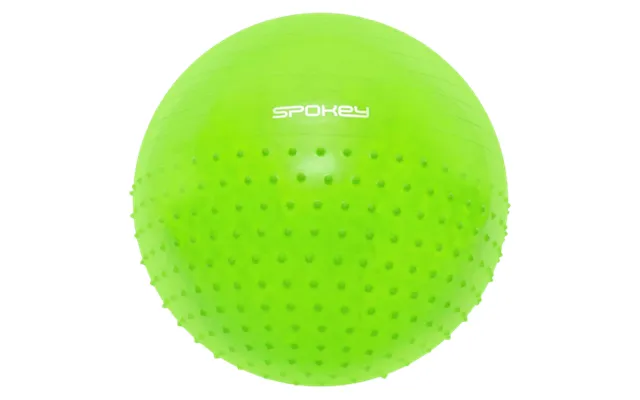
When you compare offers, key things to check are the exact diameter in inches, stated weight capacity (in pounds), anti-burst rating, included pump and plug, warranty length, and customer reviews that mention long-term durability. Photos that show texture or a non-slip surface are a plus if you plan to use the ball for active workouts rather than occasional sitting.
Want a quick starter routine? Here’s a simple 20–30 minute plan you can repeat 3–4 times a week. It’s balanced and effective whether your goal is fat loss, core strength, or mobility. Always warm up with a 5-minute dynamic mobility circuit before you begin.
Do 3 rounds with 45 seconds work, 15 seconds rest: (1) Ball squats: place the ball between your lower back and a wall, squat to parallel; (2) Ball bridge marches: heels on ball, bridge hips and march one foot at a time; (3) Ball plank: forearms on ball and hold; (4) Russian twists: sit on the floor with ball support behind your lower back, twist holding a light plate or band. Finish with gentle stretching on the ball for 3 minutes.
Even with a simple tool like an exercise ball, some mistakes can limit gains or increase injury risk. Awareness and a few easy tweaks will keep you moving safely and effectively.
Over- or under-inflation ruins the ball’s feel. Under-inflated balls reduce instability and can make exercises less effective; over-inflated balls can be too rigid and uncomfortable. Aim for a slightly firm bounce and check that your hips and knees form roughly a 90-degree angle when sitting. Also, avoid letting your lower back sag during planks or bridges—think about drawing your ribcage toward your pelvis to maintain a neutral spine.
Exercise balls are low maintenance if you follow a few basic rules. Clean, store, and check them periodically to extend the lifespan and keep workouts hygienic. Proper handling also preserves the anti-burst properties and prevents unnoticed micro-tears.
Inflate using a hand pump with a pressure gauge until the ball feels firm but still gives a bit under your weight. Avoid sharp objects and rough surfaces; a yoga mat or rug is a smart workout surface. Clean with a damp cloth and mild soap—harsh solvents can damage the material. For small punctures, most balls come with a patch kit; keep one around so you can repair and continue training instead of replacing immediately.
Short answer: almost everyone. Exercise balls serve a wide spectrum—from people rehabbing after injury, to desk workers who want active sitting, to athletes seeking to sharpen core stability. They’re especially useful for anyone wanting a gentle, low-impact way to strengthen the midline and improve mobility.
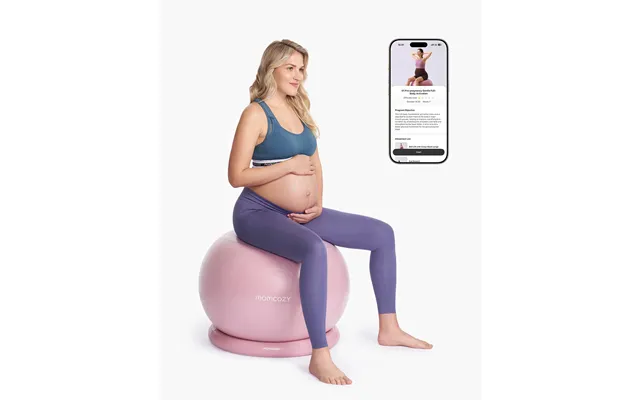
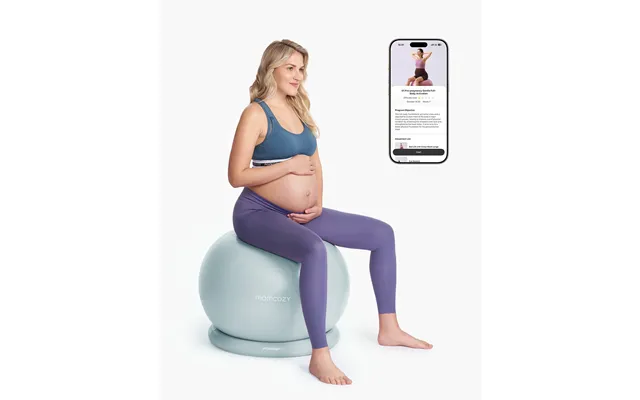
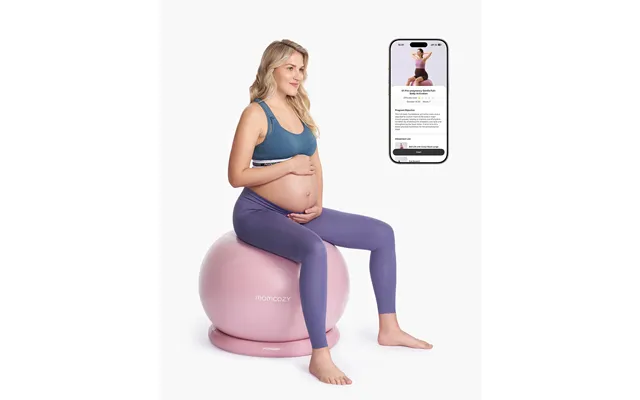
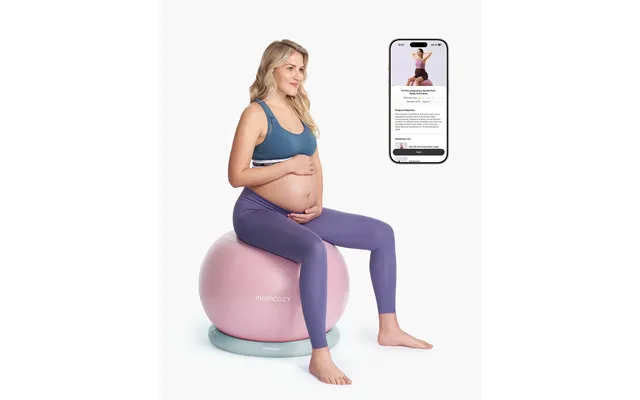
If you have acute balance disorders, uncontrolled vertigo, or certain advanced spinal conditions, check with a healthcare professional before trying instability training. Similarly, if you’re pregnant, choose exercises recommended by prenatal specialists and avoid supine work that compresses the abdomen after the first trimester unless cleared by your provider.
When you’re ready to buy, use a short checklist to make a confident choice. This simplifies decision-making and ensures you end up with a ball that fits your body, your workouts, and your budget.
Pick the right diameter in inches for your height, confirm the weight capacity in pounds, choose anti-burst material, look for included pump and repair kit, read recent reviews about durability, and compare prices across multiple sellers. If you want extra stability for heavy kettlebell or barbell work, opt for a premium-grade ball with a higher weight rating.
Exercise balls are an affordable, space-friendly investment with a surprising return: better posture, stronger core, and more dynamic workouts. Whether you’re buying a first ball or upgrading, the right size, features, and a few accessories will keep your training varied and effective for years.
Ready to roll? Check product specs carefully, try a size check if you can, and anchor your workouts with good technique. Your body—and your wallet—will thank you for choosing versatile gear that grows with your progress.
Conclusion: An exercise ball is one of the most cost-effective tools you can add to your fitness routine. It improves core strength, balance, and mobility while taking up almost no space. With the right size, a few accessories, and smart buying decisions, you’ll get a long-lasting, practical piece of equipment that supports many goals from rehabilitation to serious training.
| Exercise Balls | Price | |
|---|---|---|
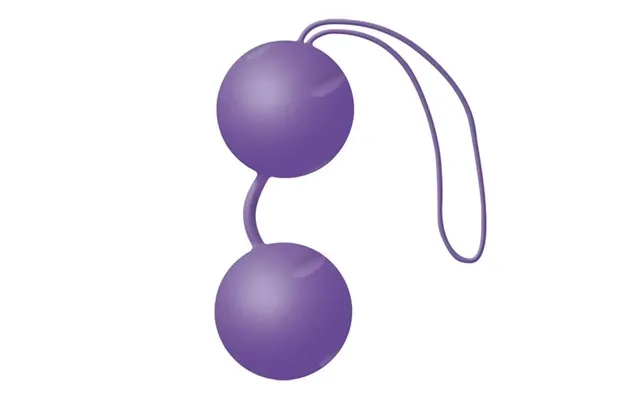
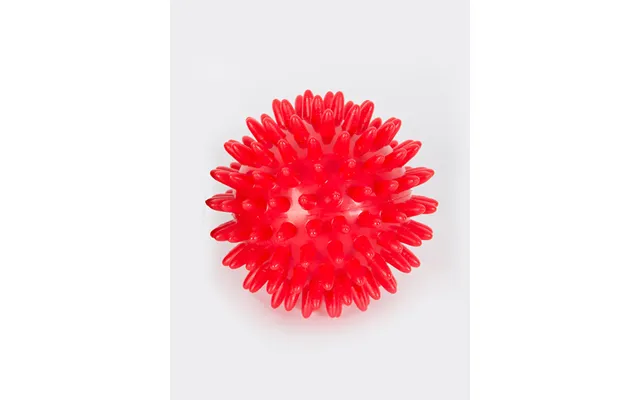
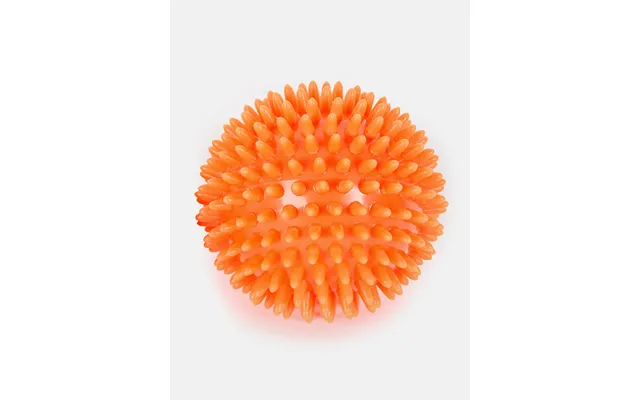
| Inshape Massage Balls - 2 Pcs | £ 4,28 | |
| Inshape Fitness Ball - Ã 65cm | £ 10,09 |