All categories
Business & Offices
Electronics & Media
Fashion & Accessories
Groceries & Essentials
Health & Personal Care
Home & Living
Kids & Family
Sports & Outdoors
Search in ZoneOffer

Loading...
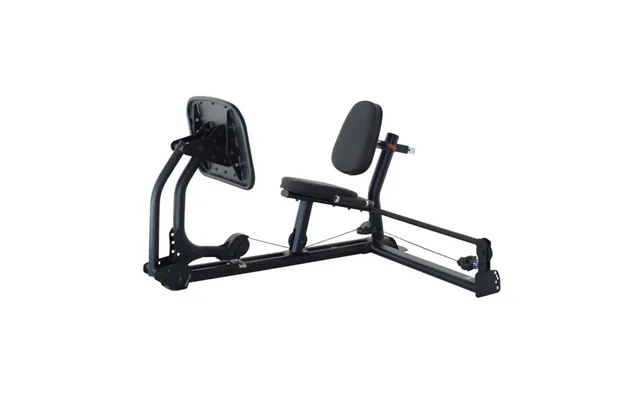
Thinking about building a home gym but not sure where to start? You're not alone. Investing in exercise machines and fitness sets can feel overwhelming, but the right pieces turn your living room into a sweat-friendly studio that saves commute time, keeps you consistent, and fits your goals. Whether you're chasing fat loss, strength, endurance, or stress relief, a thoughtful combination of cardio machines and strength sets will give you the best return on sweat equity.
There are a few stand-out machine types that consistently deliver results and value. Each machine targets different fitness needs, so learning what they excel at helps you mix and match equipment for a balanced plan.
Treadmills are perfect for anyone who loves walking, jogging, or sprint intervals. Look for models with at least a 2.5 horsepower motor and a belt width of 20 inches or more if you plan to run. Folding treadmills are handy if space is tight, and incline features add intensity without upping speed. Popular choices include commercial-style units and compact folding variants that fit in a closet or under a bed.
If joint-friendly workouts are a priority, ellipticals deliver cardio with minimal impact. They simulate running motions without pounding knees and ankles, and many models include adjustable stride length — ideal if more than one person uses the machine. Expect a good elliptical to feel smooth and stable, with stride options between 16 and 22 inches for a comfortable range of motion.
Rowers are deceptively intense. Each stroke works legs, core, and upper body, so 20 minutes on a quality rower can match a longer run. Air and magnetic resistance rowers both work well; air rowers offer a more dynamic feel while magnetic units are quieter. The Concept2-style machines set a reliable standard for build quality and durability.
Stationary bikes span the spectrum from upright, spin-style, to recumbent. Upright bikes are compact and great for interval training, while recumbents are gentler on the back. If you like tech-led classes, connected bikes provide on-demand rides and leaderboard motivation. Consider seat adjustability and frame stability to avoid discomfort on long rides.
Cardio will get you far, but strength gear builds muscle, protects joints, and speeds metabolism. A compact set of weights and accessories can be more transformative than a single bulky machine.
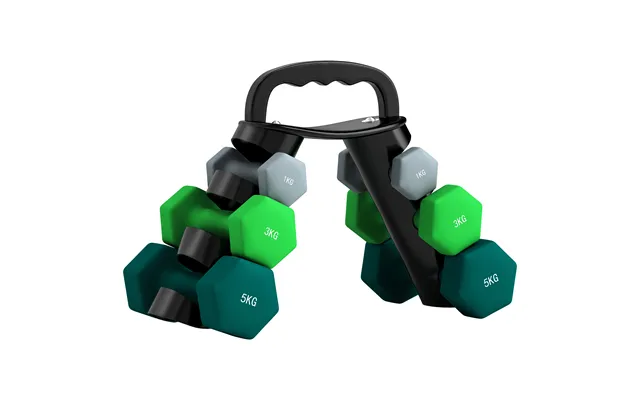
Adjustable dumbbells replace whole racks of plates and free up floor space. Look for sets that change weights smoothly and feel solid in the hand. Popular adjustable models cover a range from around 5 pounds up to 50 or 90 pounds per hand, letting you progress from light, high-rep work to heavy compound lifts without buying separate dumbbells.
Resistance bands are inexpensive and incredibly flexible — literally. They’re perfect for mobility, rehab, and adding variable resistance to moves like squats, presses, and rows. Choose a kit with multiple resistance levels and sturdy handles. Bands also travel well, so you can keep training on the road or outdoors.
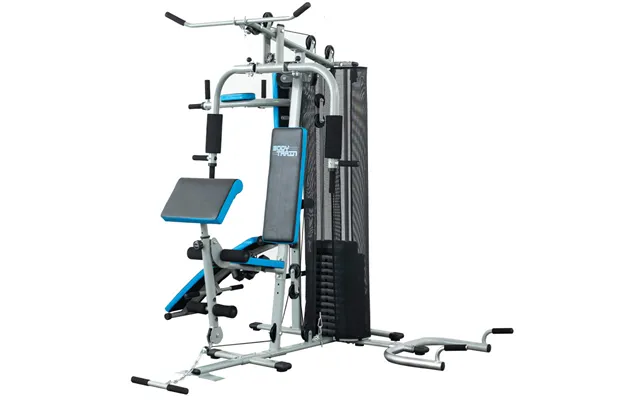
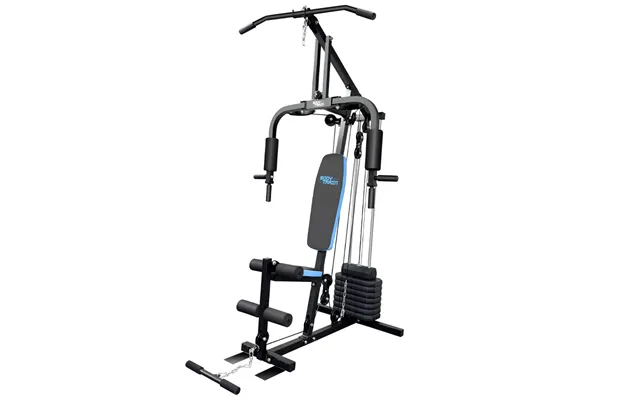
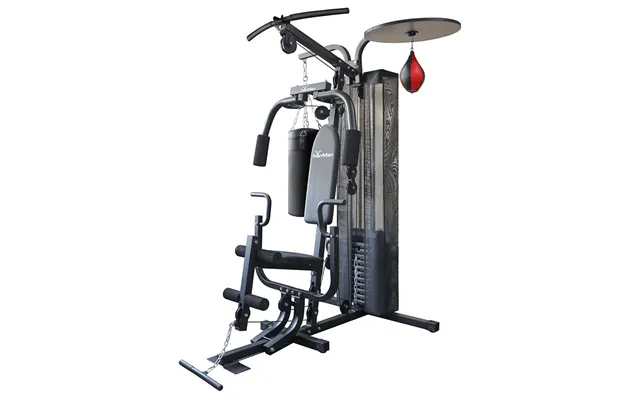
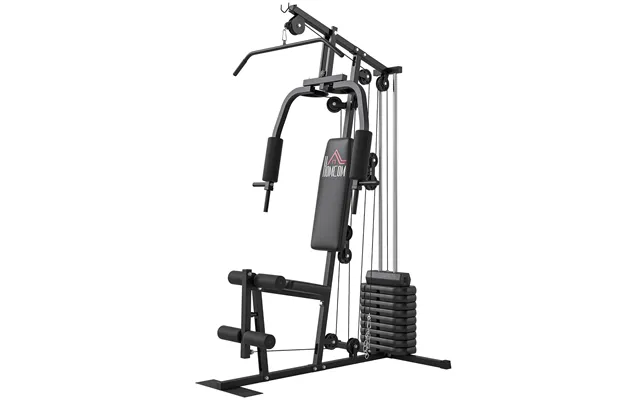
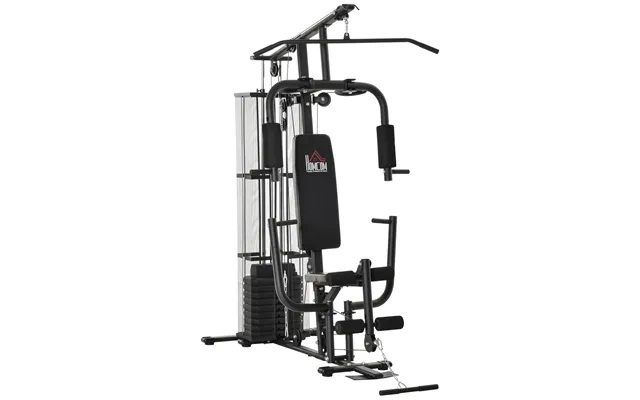
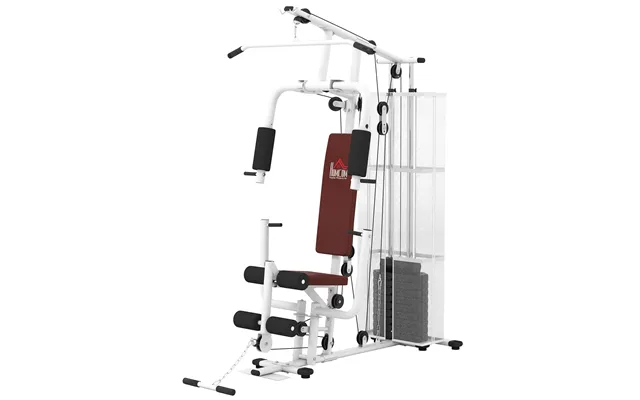
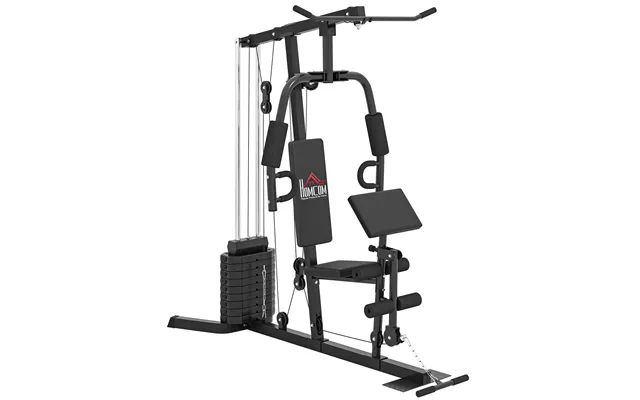
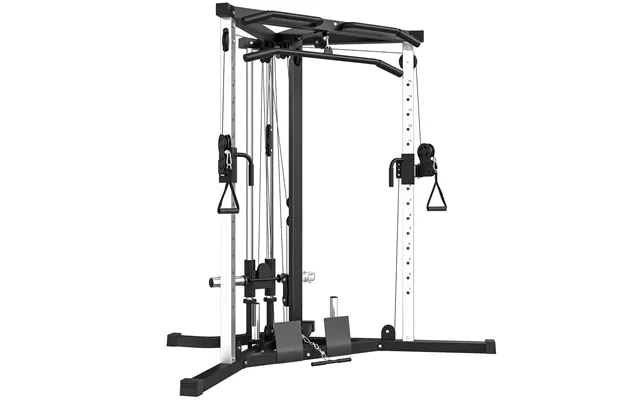
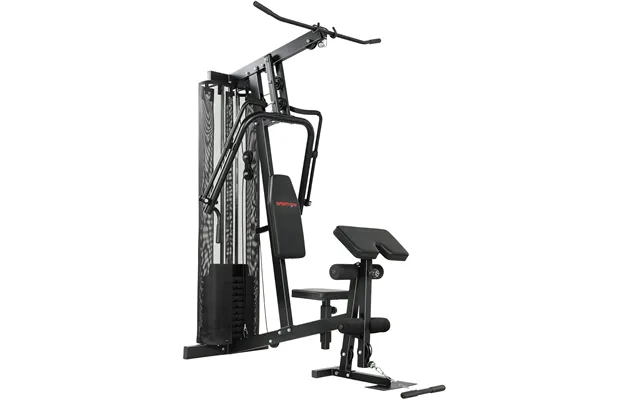
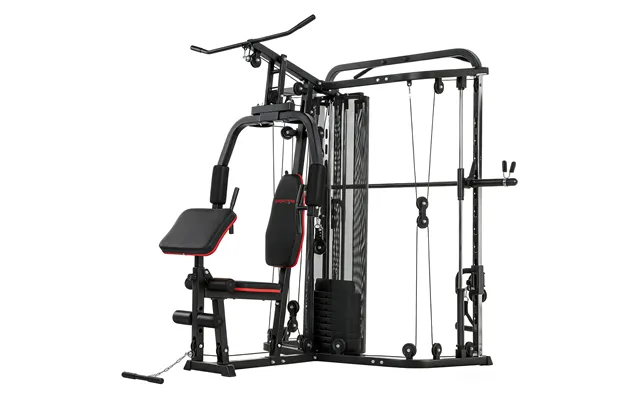
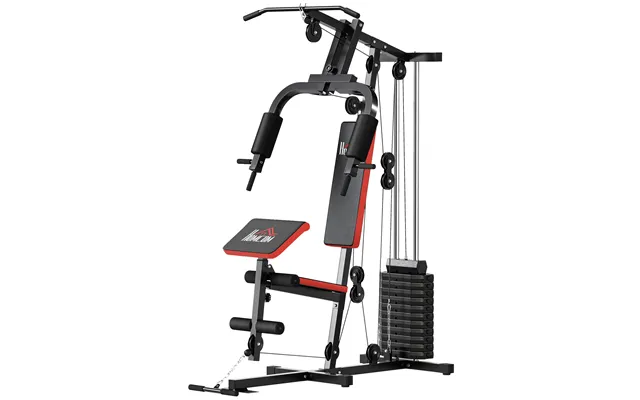
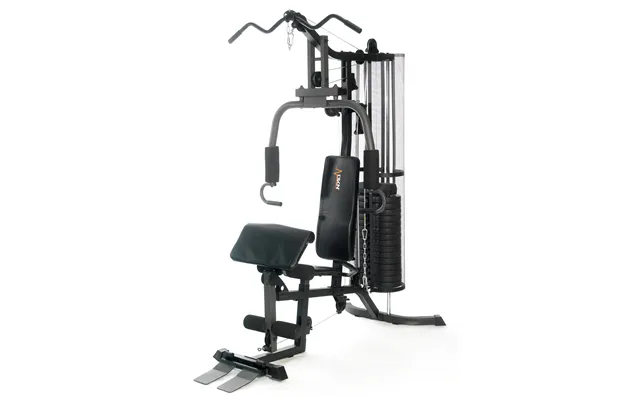
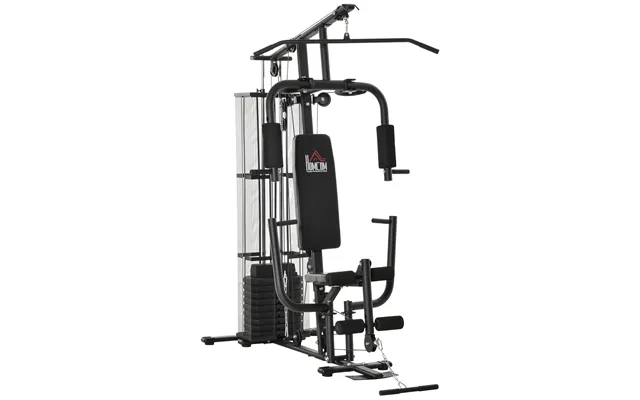
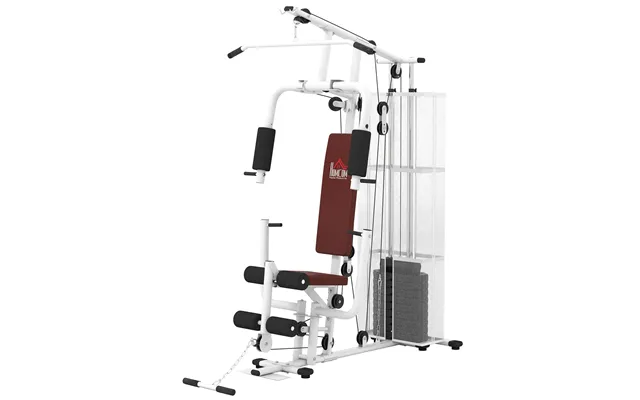
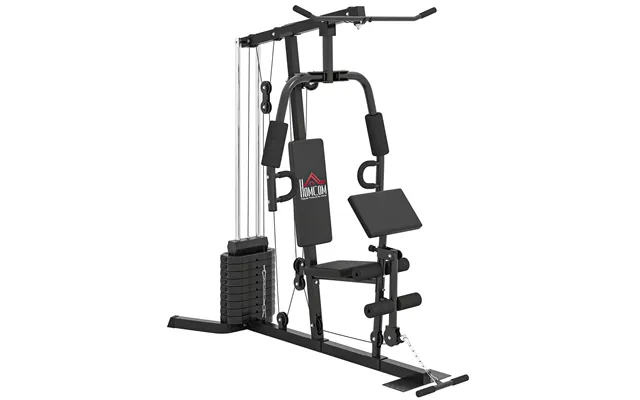
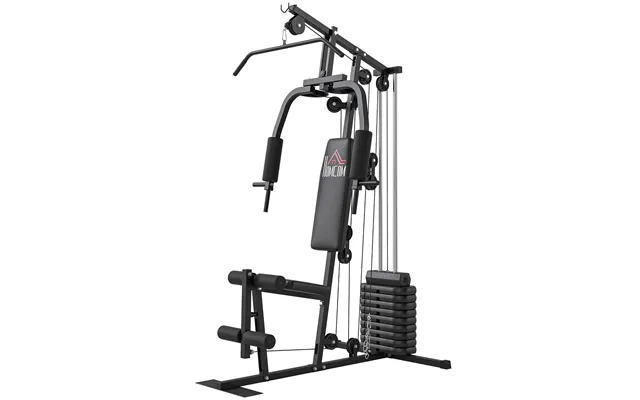
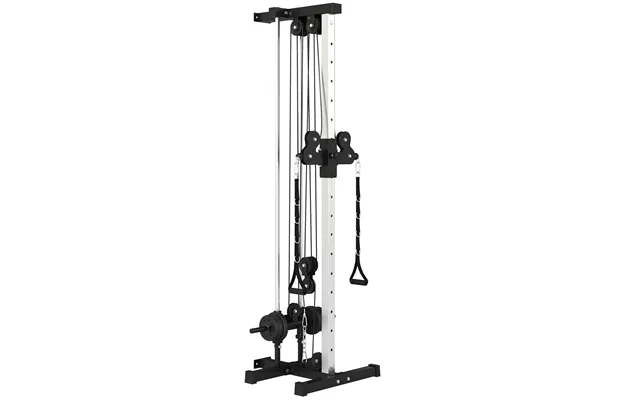
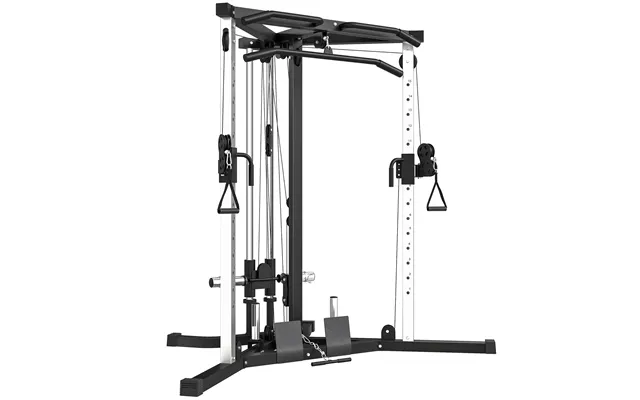
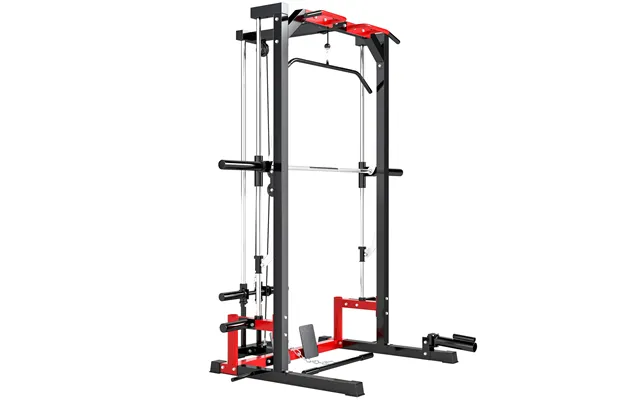
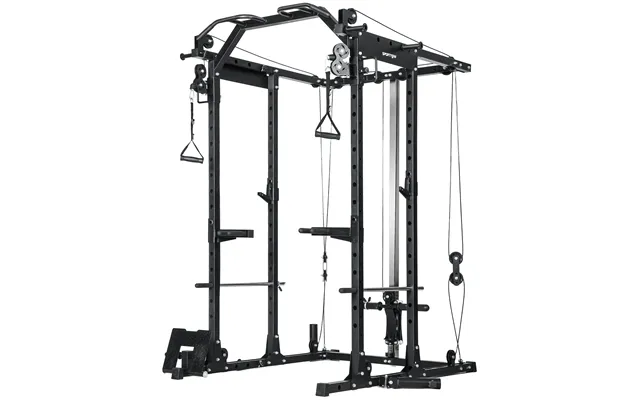
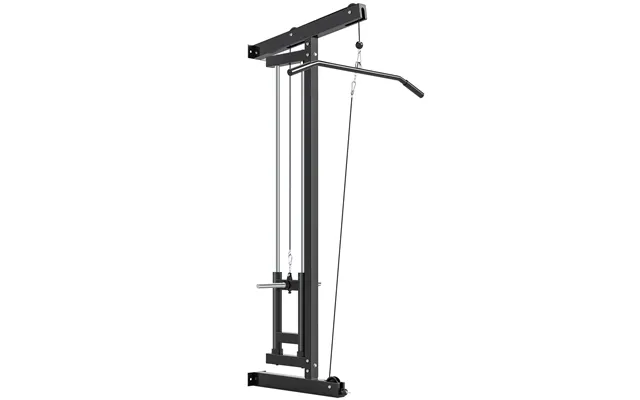
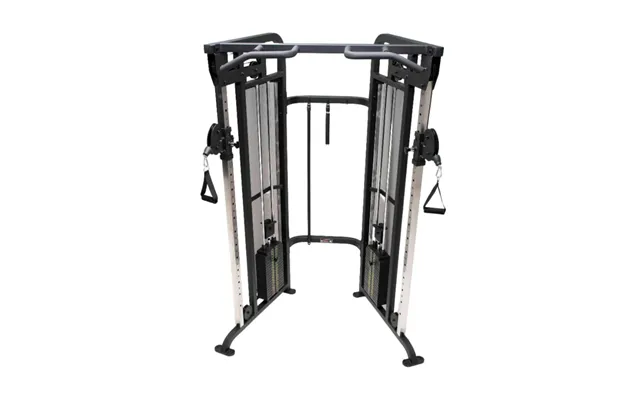
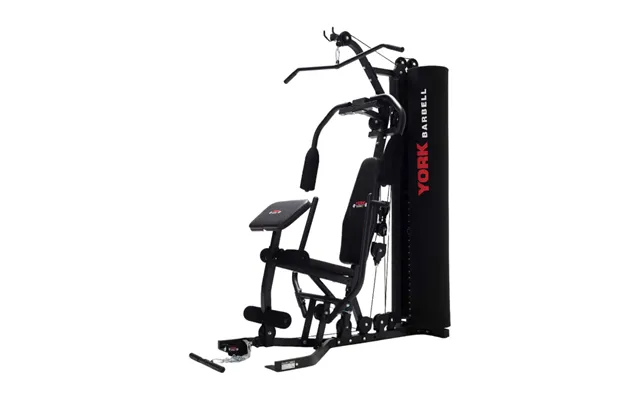
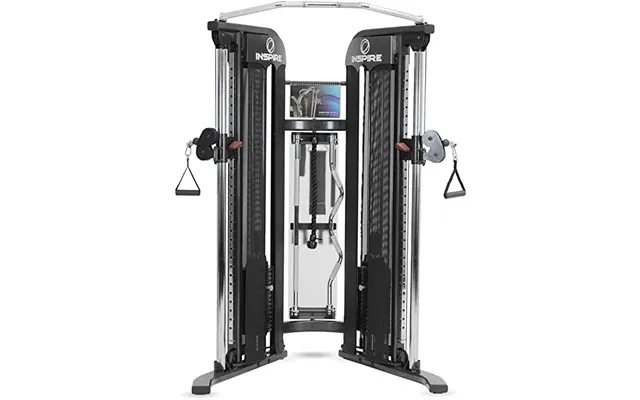
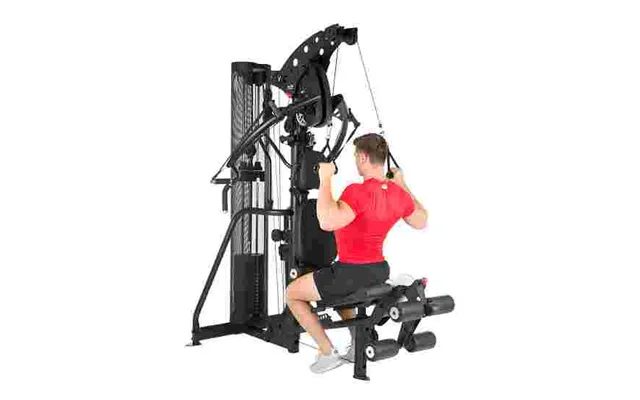
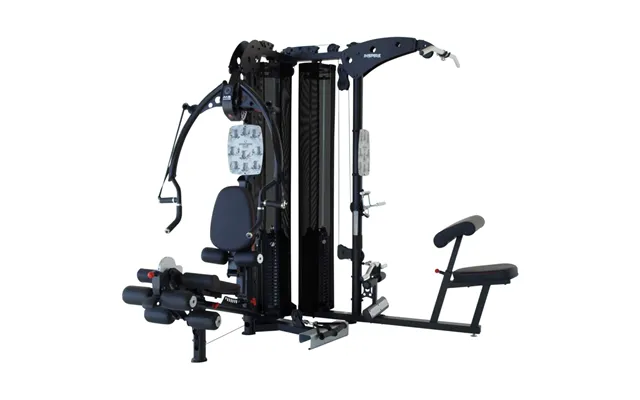
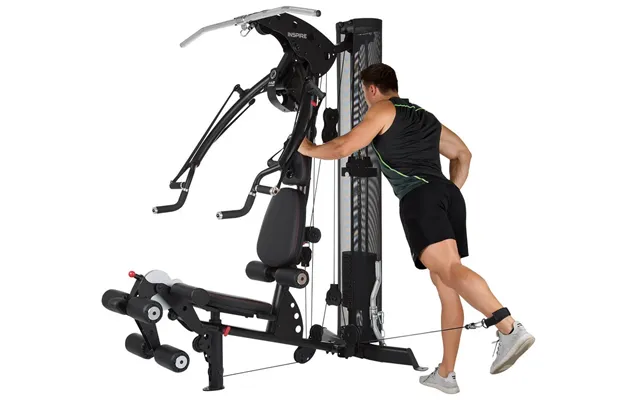
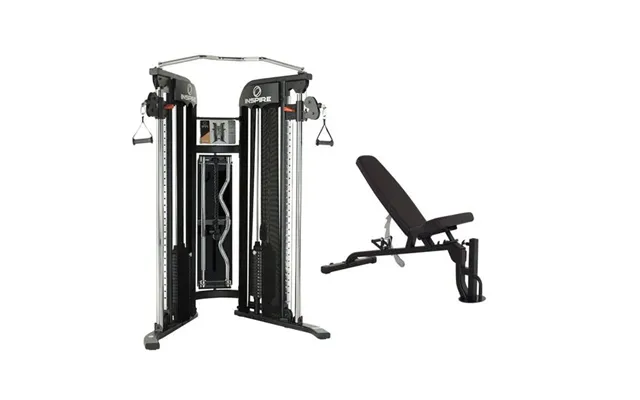
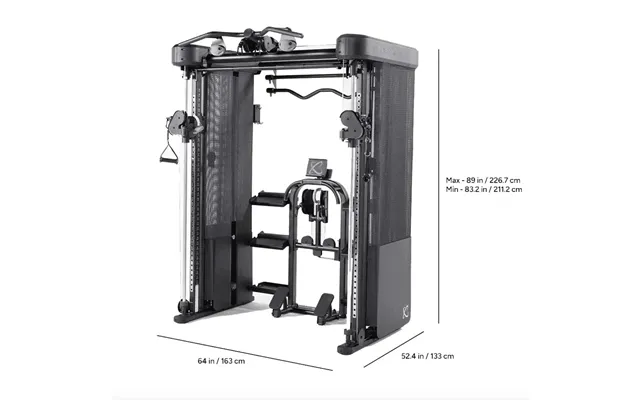
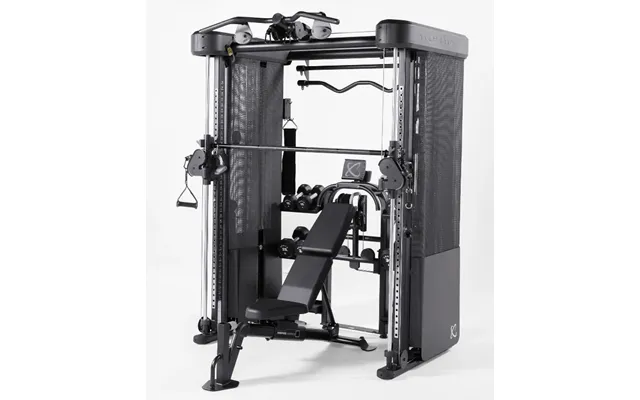
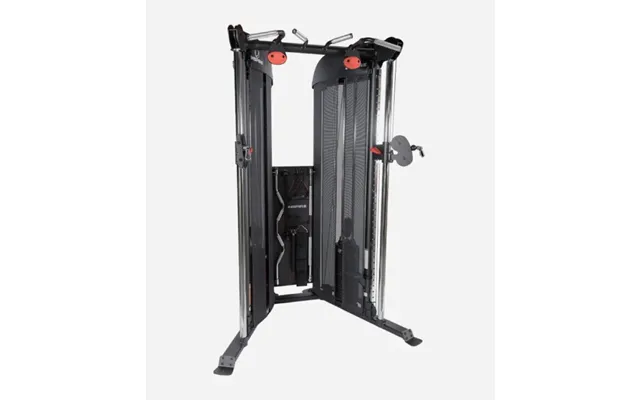
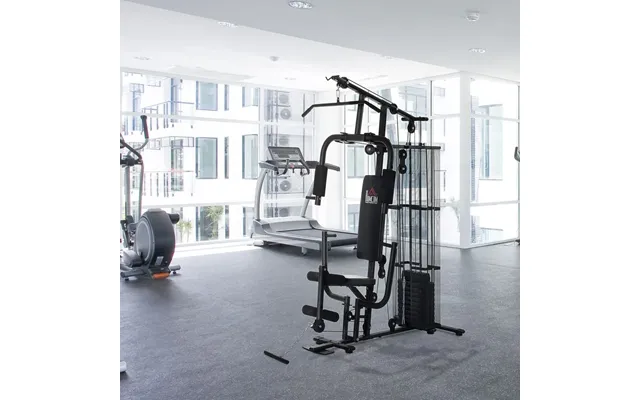
If you want a single footprint that covers everything, multi-station home gyms let you do presses, pulldowns, rows, leg extensions, and more. They’re bulkier but often deliver gym-like mechanics and safety. Check weight stack size (typically listed in pounds) and cable quality — smooth movement and solid plating matter for long-term use.
Don’t overlook mats, blocks, foam rollers, and stretch straps. These tools improve flexibility, speed recovery, and complement heavy lifting. A good yoga mat with adequate padding (around 1/4 inch or more) protects joints for floor work and strengthens the mind-body connection after intense sessions.
Room measurements and ceiling height are often overlooked until it’s time to fit the gear. Before buying, measure the space where the equipment will live. Factor in workout clearance around the machine — at least 2 feet behind and 1 foot on each side is a sensible minimum for most machines, and more for treadmill safety.
Convert your measurements to a layout: a typical treadmill might need 7 feet by 3 feet of floor area, plus headroom if you plan to run. Rowers often require around 8 feet of length when fully extended. Stationary bikes are compact, usually needing about 4 feet by 2 feet. Planning ensures the difference between a seamless setup and a frustrating return.
Movements like pull-ups, overhead presses, or tall stride on ellipticals require adequate headroom. If you’re in a basement with low ceilings, a compact elliptical or recumbent bike might be better choices than a machine that requires standing clearance above 8 feet.
If you live in shared housing, noise matters. Magnetic resistance machines and quiet belt-drive treadmills are better neighbors than heavy air-resistance rowers or chain-drive spin bikes. Add a floor mat to dampen vibration and protect floors; a 1/4 inch or thicker mat helps absorb sound and shock.
Exercise machines range from budget-friendly to premium commercial models. Here’s a quick guide to expected costs: basic folding treadmills around mid-hundreds of dollars, sturdy ellipticals and bikes in the mid-range, and high-end connected bikes or heavy-duty treadmills can reach into the thousands. Strength sets like adjustable dumbbells often offer the best bang-for-buck when you consider versatility and space efficiency.
Spending more upfront for a well-built product can save money if it lasts years instead of months. Consider warranty length and parts availability. A machine that feels solid and comes with a two- to five-year warranty often ends up cheaper per use than a flimsy model that needs replacement.
When comparing models, certain specifications are worth prioritizing because they affect performance and longevity. These features can make the difference between a machine that collects dust and one you love using every day.
Heavier frames typically feel more stable. Look for steel construction, well-placed stabilization feet, and a high user weight limit if multiple family members will use the machine. Frames that wobble under load create a safety risk and reduce workout efficiency.
Magnetic and motor-driven resistance systems tend to be quieter and require less maintenance than air or friction-based mechanisms. Smooth, consistent resistance supports controlled movement and reduces wear on parts.
Smart consoles with Bluetooth, heart rate compatibility, and a variety of preset programs keep workouts engaging. If you like streaming classes, check whether a machine supports third-party apps or includes a subscription option. Simple LCD screens work fine if you prefer to follow apps on a phone or tablet.
Even in a small apartment, you can create an effective workout area with smart choices. Prioritize foldable designs and modular equipment that stacks or tucks away. Here are practical storage hacks people actually use.
Folding treadmills and upright bikes that lock into a vertical position free up floor space when not in use. A vertical rack for adjustable dumbbells or weight plates keeps clutter at bay. For bands and jump ropes, a wall-mounted pegboard is an inexpensive, organized solution.
Creating a dedicated workout mat area not only protects your floor, it defines a mini-gym that feels intentional. Use interlocking foam tiles or a durable rubber mat of at least 3/8 inch thickness to protect floors and absorb impact from kettlebells and dumbbells.
Routine care extends the life of your equipment and keeps workouts safe. A little preventive maintenance goes a long way toward avoiding costly repairs or replacements.
Check fasteners, cables, and moving parts monthly. Treadmill belts may need occasional alignment and lubrication depending on the model. Replace worn parts immediately — a frayed cable or loose bolt is a small fix now but a big hazard later.
Sweat corrodes electronics and upholstery. Wipe down consoles, handles, and seats after use with a mild cleaner. Remove dust from vents and fans to prevent overheating on machines with motors. Regular cleaning keeps equipment looking and working like new.
Since you're likely comparison-shopping, here are several well-regarded options to research. They span price points and priorities so you can match them to your goals.
A benchmark for durability and performance, the Concept2 rower is air-resistance based and favored by serious trainers. It’s robust, easy to maintain, and performs well for interval and endurance work.
These replace a full rack of weights and are great for small spaces. Easy to adjust and comfortable for many exercises, they cover a wide weight range for progressive strength training.
Look for folding models with solid incline options and at least a 2.5 HP motor for regular running. For heavier use, invest in a commercial-grade frame with a larger deck and stronger motor to tolerate longer running sessions.
Connected bikes are motivating for people who love live or on-demand classes. If you prefer instructor-led programs and community features, these bikes are compelling, but factor in subscription costs.
Comparison sites are your friends when you want to quickly evaluate specs, prices, and availability across retailers. Use these tools to see price trends, check warranty differences, and locate seasonal discounts. Remember to compare shipping and assembly fees — heavy machines may have extra delivery costs that change the final price.
Customer reviews reveal how machines perform in real homes over months and years. Look for reviews that mention sturdiness, service experience, and how the machine feels in regular use. Video reviews and hands-on comparisons help you visualize size and noise levels in real-world settings.
Start with a clear fitness goal and budget, then prioritize features that match those goals: if you want running fitness, invest in a quality treadmill; if you want efficient calorie burn and full-body work, a rower plus adjustable dumbbells may be the best combo. Measure your space, plan for assembly, and think about long-term durability — your future self will thank you.
Choosing exercise machines and fitness sets is about finding the right balance between what you want to do and what you’ll actually use every week. Mix smart cardio gear with a small but potent strength set, and you’ll have a flexible, effective home gym that keeps you motivated through seasons and goals.
Happy hunting — and remember, comparing specs and user reviews helps you avoid common pitfalls and find gear that fits you like a glove.