
Climbing Harnesses price list
Last updated Friday, Sep 4, 2026
| Climbing Harnesses | Price |
|---|---|
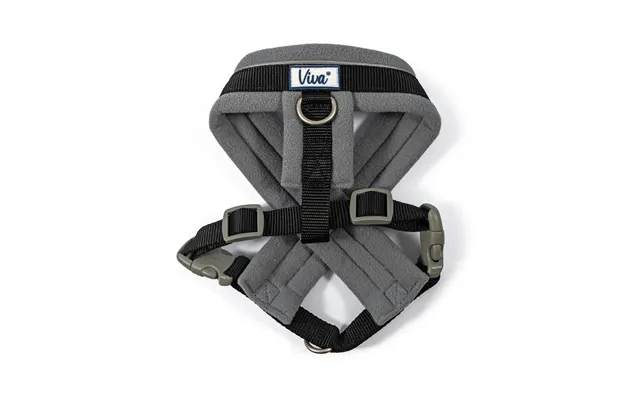
| Ancol Viva Padded Harness - Black 52cm | £13.45 |
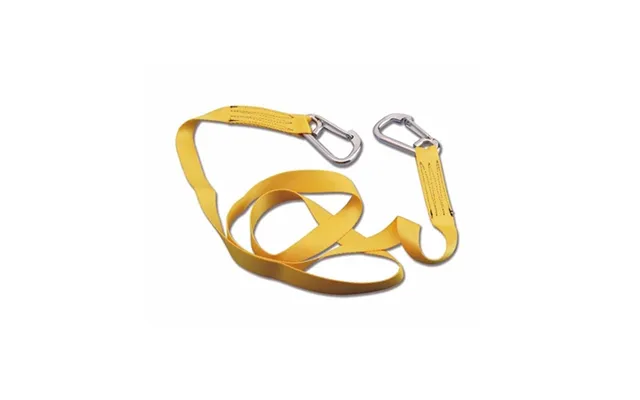
| Vevor Tree Climbing Spikes Set - 1 Pair Alloy Steel Climbing Spurs With Safety Rope And Safety Harness | £95.99 |




Loading...
Last updated Friday, Sep 4, 2026
| Climbing Harnesses | Price |
|---|---|
| Ancol Viva Padded Harness - Black 52cm | £13.45 |
| Vevor Tree Climbing Spikes Set - 1 Pair Alloy Steel Climbing Spurs With Safety Rope And Safety Harness | £95.99 |
Picking the right climbing harness is like choosing the right pair of shoes for a long hike — it can make the whole experience safer and more enjoyable. A harness is the central link between you, your rope, and your protection. Get it wrong and you’ll notice discomfort, restricted movement, or worse, a compromised safety setup. Get it right and you’ll barely notice it while you focus on the route, the rock, and the view.
Sport harnesses are built for gym climbing and single-pitch sport crags. They usually have a comfy waistbelt, several gear loops for quickdraws, and a non-adjustable or lightly adjustable leg loop. These harnesses favor comfort and breathability over ultra-lightweight design, so they’re perfect for long sessions on steep routes.
Trad harnesses emphasize gear capacity and durability. They typically have more robust gear loops, reinforced ties-in, and sometimes additional attachment points for hauling or anchoring. If you’re carrying cams, nuts, and multiple slings, a trad harness will help you organize and reach gear quickly.
Alpine harnesses are made for long days, mixed terrain, and colder conditions. They tend to be lighter than full-featured trad harnesses, with fewer bulky gear loops, but still include essentials like a belay loop and tie-in points. Some models pack down small so they fit in a pack on long approaches.
Youth harnesses are scaled-down for smaller bodies, with easy-to-use buckles and adjustable leg loops so they grow with the climber. They often have bright colors and safety-focused features to keep kids comfortable and parents confident.
Fit is everything. The waistbelt should sit above your hip bones and be snug enough that it won’t slip if you hang upside down. Comfort comes from padding distribution — more padding isn’t always better, but smartly placed foam that reduces pressure points will keep you climbing longer. Try a harness on with a belay loop loaded to simulate body weight; movement and ventilation are just as important as padding.
The belay loop is a strong central point for belaying and should be durable and easy to clip into. Separate waist and leg tie-in points reduce twisting and distribute forces more evenly. Check that the tie-in area is reinforced so repeated use won’t fray the webbing.
Think about how much gear you carry. Sport climbers may only need two to four gear loops for quickdraws, while trad climbers benefit from additional or removable gear loops to carry cams and slings. Look for reinforced hardwear or molded plastic on the load-bearing part of the loops to prevent wear.
Adjustable leg loops are useful when wearing thick pants or layering for alpine conditions. They also help when sharing harnesses in a group — quick cinches and releases let you switch users fast. For lightweight single-pitch climbing, a fixed-leg harness can save weight and bulk.
If you’re tackling long approaches, consider how much the harness weighs and how compact it packs. Ultralight harnesses shed ounces at the cost of padding or gear capacity, while heavier models emphasize comfort and durability. Choose what matches the climb: a light harness for long hikes, a padded one for long sport days.
Always check for certification labels such as CE or UIAA — these mean the harness meets internationally recognized safety tests. Don’t be swayed by looks alone; a stylish harness without certification is not worth the risk.
The Momentum is often recommended for newcomers because it blends comfort, ease of use, and a sensible price. It tends to have a comfortable waistbelt, breathable construction, and enough gear loops for sport climbing. If you want a harness that performs reliably in the gym and on crags without breaking the bank, this is a solid pick.
The Corax is a go-to for climbers who want one harness to do many jobs. It’s adjustable, light enough for longer approaches, and staggers gear loops so you can carry what you need for a trad day or a sport session. It’s a good choice if you’re still figuring out your climbing preferences.
For steep sport and competition-style climbing, a more performance-oriented harness can make a difference. These harnesses often have contoured padding and a snug fit for superior movement and heel hook comfort. Choose this type if you climb hard and want a harness that won’t get in the way of technical moves.
If shaving weight is a priority — say you’re into alpine climbing or long approaches — ultralight harnesses like the Sitta or Hirundos strip away excess padding and heavy gear loops to deliver a minimal, packable solution. They trade off some comfort and gear capacity for significant savings in ounces.
Mammut’s Ophir series is known for striking a balance between comfort and affordability. These harnesses suit climbers who want thoughtful padding, adjustable leg loops, and practical gear loop layouts without extreme technical bells and whistles.
Use a soft tape measure to get your waist measurement in inches at the level you plan to wear the harness — typically just above the hip bones. Check the manufacturer’s size chart and make sure your measurement falls comfortably within one size. If you’re between sizes, choose the larger one if you prefer layering or the smaller one for a snug performance fit.
Try the harness while wearing the pants and layers you’d normally climb in. Try a sit test with the belay loop loaded to simulate hanging weight. Walk, squat, and move through common climbing positions to confirm there are no pinch points and that the harness stays put during movement.
Adjust the leg loops so you can lift your knee high without the harness restricting you. For adjustable leg loops, ensure they tighten sufficiently while still allowing quick release when you’re done. For fixed leg loops, comfort and mobility should be immediately obvious when trying the harness on.
Harnesses come in a wide price range depending on materials, brand, and intended use. Budget harnesses are often sold under entry-level price tiers and are great for gym users and beginners. Mid-range harnesses balance comfort and features and are popular for weekend craggers. Premium harnesses target performance climbers and alpinists and can cost more, but they often deliver lighter weight, superior materials, and specialized designs.
Shopping on comparison sites can help you quickly filter models by price, feature set, and user reviews. Keep an eye out for seasonal discounts or end-of-line sales — you can often score a higher-tier harness at a mid-range price if you watch the deals. Remember to balance price with fit and features; a bargain harness that doesn’t fit is more costly in the long run.
Check webbing, buckles, and stitching for cuts, abrasions, or discoloration before each use. Pay attention to the tie-in points and belay loop, which show wear first. A quick hands-on inspection will reveal soft spots, fraying, or exposed core fibers that indicate the harness has been compromised.
Rinse your harness in cool water with a mild soap after sandy or salty crags. Avoid strong detergents and never machine-dry on high heat. Let it air dry in the shade away from direct sunlight and store it in a cool, dry place. Keep it away from chemicals and sharp objects that could damage the webbing.
Replace harnesses after significant falls, severe abrasion, or visible damage. Even without obvious damage, manufacturers often suggest retiring a harness after several years of heavy use or after exposure to chemicals or UV over long periods. If in doubt, consult the maker’s guidelines or replace the harness — it’s a small price for peace of mind.
Before you step off the ground, run a brief safety routine: check that the waistbelt is snug above the hips and buckled correctly, verify the tie-in knot is doubled securely, ensure carabiners and belay devices are correctly oriented, and confirm the belayer knows the plan. Quick habit checks like these prevent avoidable mistakes and become second nature with practice.
Match the harness to your climbing goals: choose comfort and moderate price for gym and sport climbing; prioritize gear capacity and durability for trad; opt for ultralight, packable models for alpine missions. If you’re between styles, pick a versatile harness that will cover most of your needs without forcing compromises.
Try harnesses in person where possible, because fit can vary dramatically across brands and models. Read user reviews and comparison guides to understand real-world performance. When shopping online, use comparison tools to filter by features and price, and look for retailer guarantees or return policies if you’re unsure about fit. Lastly, don't be afraid to invest a little more in a harness that fits well — comfort and proper fit will keep you climbing longer and safer.
Buying a climbing harness is a mix of personal fit, intended use, and value. Whether you’re just starting in the gym or heading into multi-day alpine routes, the right harness will keep you comfortable and safe. Focus on fit first, features second, and price third — and use comparison tools and reviews to hunt down the best deals. With the right research and a good try-on session, you’ll be strapped in and ready to enjoy more confident climbing.