

Roller Skis price list
Last updated Wednesday, 14 Oct 2026
| Roller Skis | Price |
|---|---|
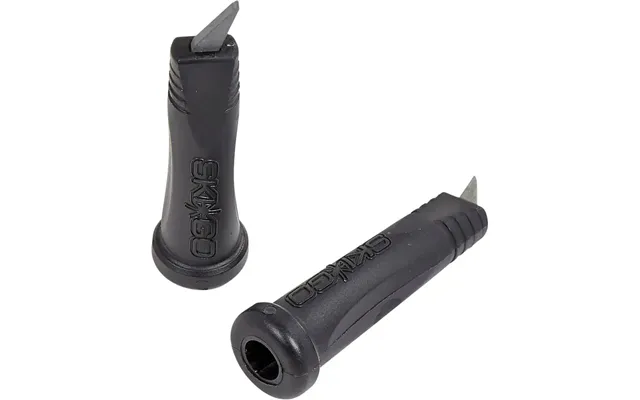
| Tip For Standardized Roller Ski Poles Skigo | £19.46 |
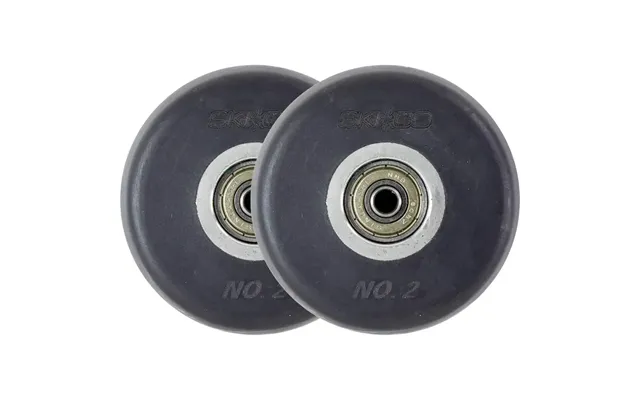
| Front Wheel Slow Skigo Classic X2 | £65.76 |




Loading...
Last updated Wednesday, 14 Oct 2026
| Roller Skis | Price |
|---|---|
| Tip For Standardized Roller Ski Poles Skigo | £19.46 |
| Front Wheel Slow Skigo Classic X2 | £65.76 |
If you love cross-country skiing or want a low-impact, high-cardio workout, roller skis are the closest thing to being on snow without the chill. Think of roller skis as skinny skis on wheels—perfect for simulating the push, balance, and technique of Nordic skiing on asphalt and smooth paths. They keep your muscles tuned, improve balance, and give you that satisfying glide even when winter’s miles away.
Roller skiing preserves the movement patterns you use on snow, so when the first flakes fall you don’t feel rusty. It’s also an efficient way to burn calories and build endurance—sessions often rival running in intensity but are easier on the knees and hips. Plus, roller skis double as a fun way to explore neighborhoods and parks; imagine carving corners on a quiet country lane at 15 to 25 miles per hour with the wind on your face.
Not all roller skis are made the same. Understanding the main categories will save you frustration and money when shopping: skate roller skis, classic roller skis, and training or commuter models designed for mixed surfaces.
Skate roller skis mimic skate-skiing technique and usually have stiffer frames and larger wheels to support higher speeds. Classic roller skis are built for diagonal stride—often with a ratchet or binding system that allows kick-and-glide. If you ski both styles, you might need one pair of each; if you only skate, keep your investment focused on skate-specific models.
Wheel diameter is typically discussed in millimeters, but to keep things familiar, most common sizes translate to about 3.1 inches (80 mm), 3.5 inches (90 mm), and 3.94 inches (100 mm). Larger wheels roll faster and handle rough pavement better; smaller wheels accelerate quicker and are lighter. Softer rubber grips better in wet conditions while harder compounds last longer but can feel twitchy. Think of wheels the way you’d pick tires: speed, grip, and durability need to be balanced for your roads and riding style.
Shopping for roller skis involves several trade-offs—weight versus stability, speed versus control, and price versus durability. Focus on the features that align with your goals: fitness, speed training, or commuting.
Frames are usually aluminum or carbon. Aluminum frames cost less and are durable; carbon frames are lighter and stiffer but pricier. Check binding compatibility—some frames accept standard cross-country bindings (NNN, SNS), while others use dedicated mounting systems. If you already own ski boots, ensure the roller skis match your binding standard to avoid buying unnecessary boots.
Not all roller skis have brakes. If you ride hilly or often train on mixed terrain, a model with a built-in braking system or the option to add a brake is smart. Brakes give peace of mind for descents and tight turns—like having a parachute you can control instead of hoping friction will win.
Several established brands dominate the roller ski world thanks to decades of ski tech experience. Popular names often deliver consistent quality, parts availability, and a range of models for beginners to racers.
Madshus and Fischer bring ski-brand heritage to roller skis—expect refined frames and reliable bindings. Swenor and Marwe specialize in training models and commuter-friendly designs, often with options for larger wheels and brakes. Looking through popular offers on comparison sites will reveal demo models and seasonal discounts from these and other makers.
Roller skis alone get you rolling, but the right accessories make the sport safe, comfortable, and more effective. Don’t skimp—good accessories last and improve both performance and safety.
A certified helmet is non-negotiable. Add knee and elbow pads, wrist guards, and high-quality gloves to protect your palms in case of a fall. Gloves designed for Nordic skiing help protect your hands and improve grip on poles, especially during longer sessions.
Poles need carbide or metal tips suitable for pavement. Keep spare tips and know how to switch them out. High-quality wheel bearings reduce rolling resistance—clean and lubricate them regularly and you’ll notice faster, smoother rides. You can also fine-tune glide by replacing softer wheels or bearings depending on conditions.
Beginner? Go stable. Speed fanatic? Lean toward stiffer, lighter race models. Your body weight, experience, and training goals help determine the right stiffness, wheel size, and brake setup.
Heavier riders typically need stiffer frames and larger wheels to maintain stability and speed, while lighter riders can prioritize lightweight carbon frames. If you’re just starting out, a forgiving aluminum frame with medium-sized wheels and a good brake will build confidence and technique without breaking the bank.
Taking care of your roller skis not only prolongs their life but also keeps you safer. Regular maintenance is straightforward and pays off.
After wet or dusty rides, wipe down frames and wheels. Remove bearings seasonally, clean with a solvent, dry, and relubricate with a light oil. Check screws and bolts before every ride—loosened hardware can lead to ugly crashes. Store your skis indoors at room temperature; extreme cold or heat can warp wheels or affect rubber compounds.
Roller skiing is exhilarating but requires respect for speed and traffic. Keep safety top of mind: ride predictably, wear bright clothing, and always plan for braking distance.
Choose quiet lanes, bike paths, or park roads with smooth surfaces and minimal traffic. Avoid busy streets until you’re very confident. Use lights and reflective gear if you ride near dusk—being visible is as important as mastering technique.
Roller skiing is a great way to hone power, rhythm, and balance. Whether you’re prepping for a race or using roller skis for fitness, structured workouts accelerate progress.
Start with a 30 to 45-minute session focusing on balanced strides and pole timing. Alternate 5 minutes of steady skiing with 2 minutes of technique drills—pause to work on single-leg balance and weight transfer. Over weeks, add mileage in 1-mile increments so your body adapts without overuse injuries.
Warm up for 15 minutes, then do 6 to 8 intervals of 2 to 4 minutes at near-max effort with equal rest time. These sessions build VO2 capacity and replicate race pacing. Finish with a cool-down to flush lactic acid and reduce soreness.
With roller skis growing in popularity, seasonal sales, demo events, and used markets can yield excellent deals. Use comparison tools to scan multiple offers—you’ll often find last season’s race models at a fraction of the new price.
Spring and late summer often bring discounts as shops clear inventory or demo models are sold off. Keep an eye out for warranty coverage and spare parts availability. Buying used is great for beginners, but check wheel condition, frame straightness, and bearing play to avoid hidden costs.
Beyond training, roller skis can be a fun commuting alternative if you live close to work and have suitable paths. They’re faster than walking and kinder to joints than running—plus they make the daily routine feel like a mini-adventure.
Pack a lightweight backpack with a change of clothes and helmet. Plan a route with smooth pavement and safe storage at your destination. For mixed surfaces, carry spare wheels or choose models with all-terrain wheels to reduce surprises.
Beginners often overestimate how quickly they can progress—rushing technique or skipping safety gear leads to falls and frustration. Start slow, practice balance and glide, and treat roller skiing like a skill sport rather than a raw cardio workout.
Mix roller skiing with strength training and mobility work. Pay attention to shoulder and core strength—these areas support efficient poling. Rest days and cross-training help prevent repetitive strain; consider indoor ski trainers or low-impact cycling as complements.
Demo days at local shops or ski clubs are gold. Trying before you buy demystifies wheel feel, frame flex, and how a specific binding system fits your boots. You’ll learn more in 30 minutes on a demo pair than hours of online reading.
Ask about binding compatibility, recommended wheel compounds for your local roads, and whether the model accepts a brake. Try different wheel sizes and note how they affect acceleration and comfort. If you like a set, compare prices across retailers and check for demo discounts.
Before you click buy, run through a checklist: Does the binding match your boots? Are wheels suitable for your surfaces? Is there a brake option? Do you have a helmet, poles with proper tips, and spare parts? If the answer to any of these is “no,” you’ll either need extra purchases or a different model.
Balance budget with long-term goals. A mid-range aluminum pair often serves most recreational skiers well; invest in carbon frames when you’re committed to racing or shaving every second from your time. And remember—wheels and bearings are consumables: budget for replacements and upgrades.
Roller skis open a door to year-round skiing, faster fitness gains, and a whole new way to enjoy roads and paths. Whether you’re hunting for popular offers, comparing models, or getting ready to try your first stride, the right setup and a little practice will make the ride unforgettable.
Conclusion: Roller skiing is accessible, effective, and fun. Start with the basics, protect yourself with the right gear, and use demos and comparison tools to find the best deals. With the right pair and consistent training, you’ll carry your snow-season skills through every sunny mile.