All categories
Business & Offices
Electronics & Media
Fashion & Accessories
Groceries & Essentials
Health & Personal Care
Home & Living
Kids & Family
Sports & Outdoors
Search in ZoneOffer
Loading...
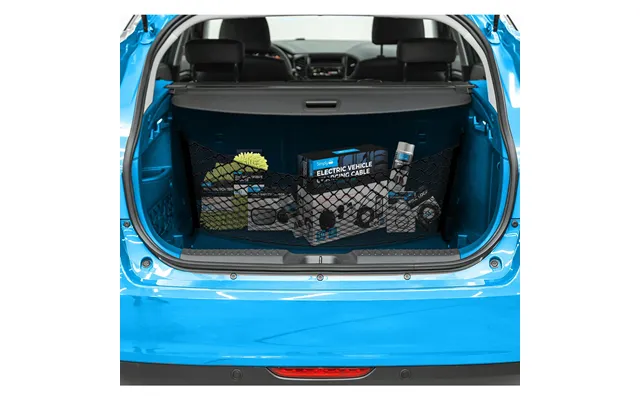
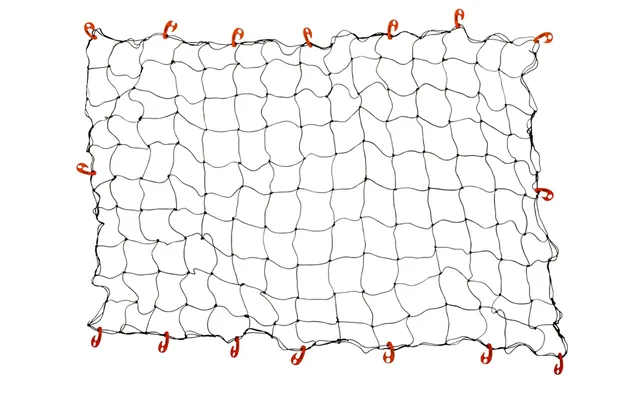
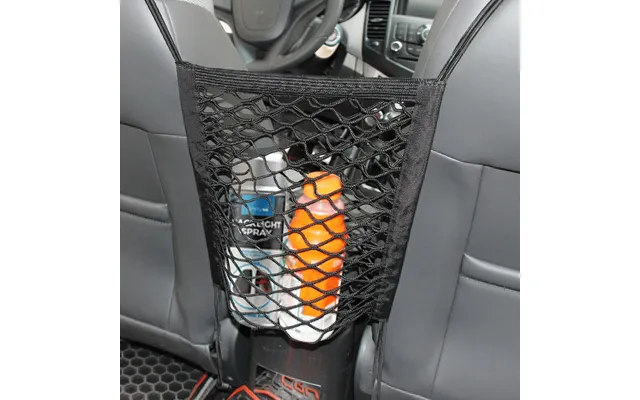
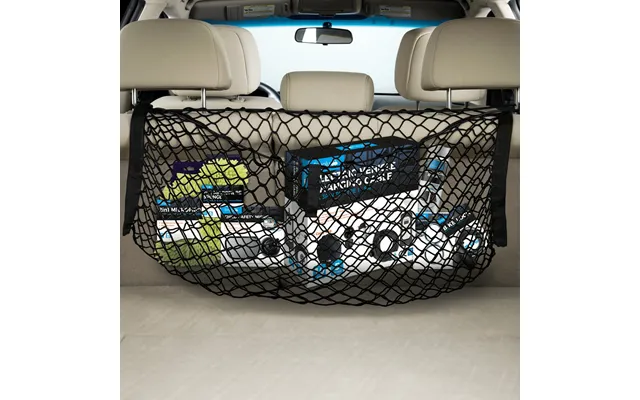
Have you ever shoved a pile of gear into the back of your truck or the boot of your car and worried it might go flying out the moment you hit the brakes? That’s where motor vehicle cargo nets come in. These are flexible, webbed restraints designed to hold items in place during transit. Think of them like a hammock or a net you’d use at the beach, but rugged enough to keep boxes, tools, and outdoor gear from shifting around while you drive.
Not all cargo nets are created equal. If you’re hauling heavy or irregular loads, a heavy-duty net saves you time and stress. It reduces load movement, protects your cargo and vehicle interior, and can prevent dangerous situations on the road. Plus, they’re quick to install and remove — ideal for weekend warriors, tradespeople, and anyone who values peace of mind when transporting stuff.
Most robust nets are made from materials like nylon or polyester webbing with reinforced edges and steel hooks. You’ll see strength listed in pounds — for example, a heavy-duty net might have a break strength of 2,000 to 5,000 lbs. That number tells you how much force the net can withstand before failing, so match your net to the weight and risk profile of your cargo.
When shopping, always measure the area you’ll cover in feet and inches. Common sizes include 4 ft x 4 ft nets for small pickups, 6 ft x 8 ft for larger trucks, and cargo bed nets that stretch to cover the full length and width of a pickup. If you’re carrying odd-shaped loads like kayaks or ladders, look for nets with stretch or elastic portions that can adapt to the shape without leaving gaps.
Cargo nets are one of several tools in the load-securing toolbox. Others include ratchet straps, tie-down straps, bungee cords, cargo bars, roof racks, and tailgate nets. Each has strengths: ratchet straps deliver high clamping force for heavy items, while cargo nets spread pressure and prevent smaller items from sliding. Often, the best solution is a combination — a net to contain and straps to anchor.
So when should you use a ratchet strap over a net? Ratchet straps are best for securing a few heavy, stable objects like a pallet or a stack of lumber; they compress and lock. Cargo nets, meanwhile, are ideal for loose, bulky, or irregular loads where containment is more important than compression. Use both together when hauling heavy but awkward loads to get containment and strength in one go.
Bungee cords are great for light items and quick fixes but shouldn’t be relied on for heavy or sharp loads. Tailgate nets are a specific net type that attaches to the tailgate and the sides of the truck bed to keep items from sliding out when the tailgate is down. They’re handy for moving a few bags or light tools but pair them with proper straps for anything heavier than a few dozen pounds.
Installation is simple, but doing it right matters. First, clear and arrange your load so weight is evenly distributed. Next, hook the net’s corners to solid anchor points like bed tie-downs or D-rings. If your net has adjustable hooks or buckles, get it snug but not over-stretched — you want containment without placing all the load on a few hooks. For tall or stacked cargo, drape the net from front to back and secure multiple anchor points to prevent shifting.
Want your net to last? Store it dry and out of direct sunlight when not in use, since UV rays and moisture can degrade fibers over time. Inspect your net regularly for fraying, broken hooks, or stretched sections. If a net has worn areas or a hook is rusted, replace it — your safety depends on it. And always check the net’s rated capacity; don’t assume a large net can handle any weight you throw at it.
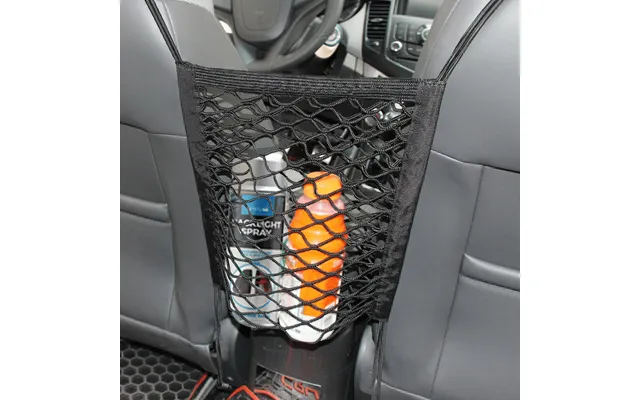
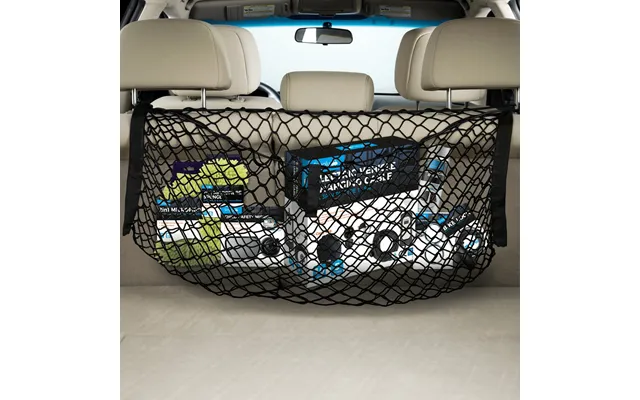
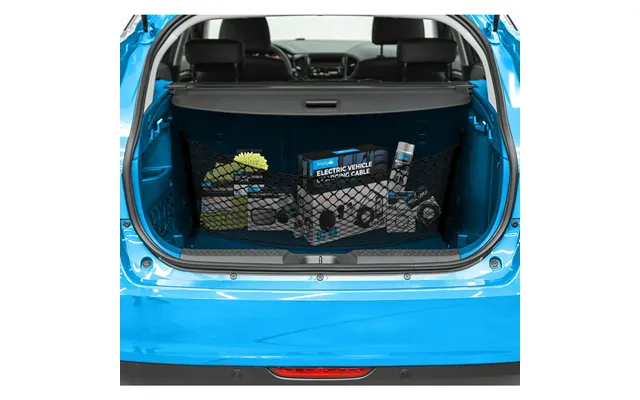
Different items require different approaches. Groceries and luggage need containment to stop sliding; use a mesh net or cargo liner for small items. Furniture and appliances need distribution and tie-downs; combine a cargo net with ratchet straps and corner protectors. For bikes or motorcycles, use wheel chocks, ratchet straps, and a snug net to keep everything upright during transport.
If you’re hauling something over 200 lbs, don’t rely on a net alone. Use two or more ratchet straps anchored to points on the vehicle frame, and add a cargo net to prevent secondary movement. Position heavy items low and centered in the cargo area to keep your center of gravity stable. Think of the cargo as a single unit: compress and anchor it as if you’re securing a heavy crate.
Bulky items like ladders, kayaks, or roofing materials are tricky because they catch wind and can pivot. Use longer straps that run fore-and-aft and cross-over straps to prevent lateral movement. Attach nets over the load for debris containment and to keep smaller items from falling out. Edge protectors help avoid strap abrasion when ropes and netting rub against corners.
When you compare nets, keep an eye on mesh size, web thickness, hook quality, and whether the net is UV-treated or water-resistant. Mesh size matters: tight mesh keeps small items contained, while larger mesh lets sand and dirt pass through without clogging. Hooks should be heavy-gauge steel with corrosion-resistant coating. Also check for certifications or industry load ratings — that gives you confidence the net meets expected safety standards.
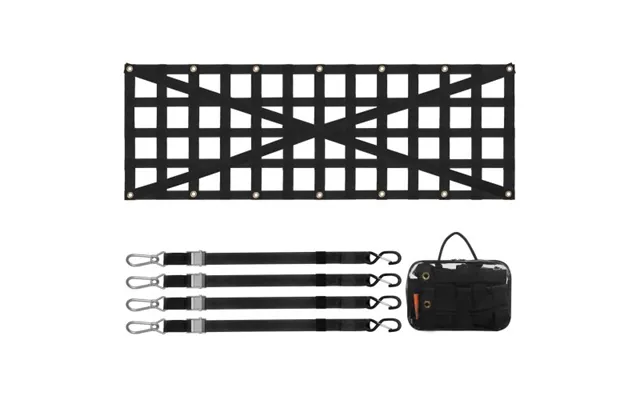
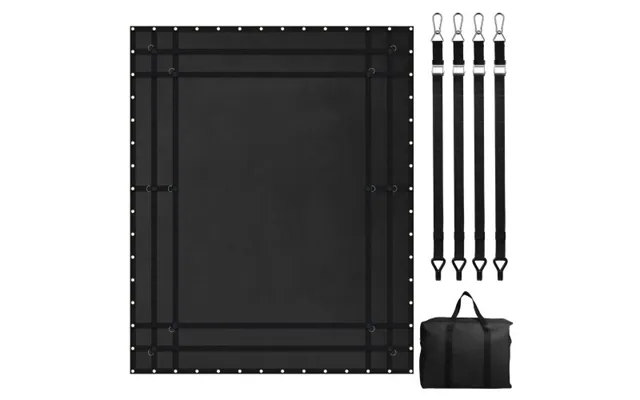
Buying a net paired with complementary accessories saves trips to the store and improves safety. Look for bundles with ratchet straps, tie-down anchors, reinforced hooks, and storage bags. Add corner protectors, a cargo barrier for the cab, and a rubberized floor liner to prevent sliding. A small kit with 3 to 4 straps rated at 1,500 to 3,000 lbs each and a medium cargo net will cover most everyday hauling needs.
Measuring correctly is part science and part common sense. Measure the length and width of the cargo area in feet and inches. If your truck bed is 6 ft long and 5 ft wide, you need at minimum a net that covers that footprint, but allow extra for attaching to side rails or extending up over taller items. If your load will stack 2 to 3 ft high, choose a net that can accommodate vertical stretch or combine with vertical straps for added security.
Loose cargo can be illegal in many places if it risks falling onto the road. Always secure loads to prevent debris and shifted items, and check local regulations for required safety measures like red flags for overhanging items. If you’re hauling equipment that exceeds the bed length by more than a few feet, use visibility markers and ensure proper lights or flags are attached. It’s not just about avoiding a ticket — it’s about preventing accidents.
There are quality nets at various price points. A budget net might be useful for occasional light-duty work, while a mid-range to premium net with reinforced edges and superior hooks is a better investment for regular use. Expect to spend anywhere from around $20 for a basic net to $100 or more for heavy-duty, high-capacity models. Think of it like buying shoes: cheap ones work for short walks, but if you’re on the road every day you’ll want durable footwear.
Here are a few common scenarios: moving house? Use a full-bed net and ratchet straps for big items like boxes and a small dresser. Going to a weekend fishing trip? Secure coolers and tackle boxes with a medium mesh net and clip on bungee cords for odd-shaped gear. Transporting a motorcycle? Use chocks and multiple straps and drape a net over the whole setup to stop any loose parts from sliding. Each situation benefits from tailoring tools to the job.
Before you drive off, run through a simple checklist: is the net properly anchored at all corners? Are straps snug, not over-tensioned? Is the cargo balanced and low? Any sharp edges covered with protectors? Do the hooks and straps have visible wear? Taking two extra minutes to check these items can save you a headache or worse on the highway.
Conclusion: A good cargo net is more than an accessory — it’s part of safe, responsible transportation. Whether you’re hauling tools across town or taking the family kayak to the lake, the right net paired with proper tie-downs reduces risk, protects your gear, and keeps you legally compliant. Measure, match strength, and maintain your equipment, and you’ll be moving loads with confidence.
| Motor Vehicle Cargo Nets | Price | |
|---|---|---|
| Trailernet Hdpe 2 X 3,5 M Black | kr. 274,- | |
| Containernet Hdpe 3,5 X 5 M Black | kr. 320,- | |
| Containernet Hdpe 3,5 X 6 M Black | kr. 390,- | |
| Containernet Hdpe 3,5 X 6 M Black | kr. 400,- | |
| Proplus Trailernet With Elastic Cord 2,50 X 3,50 M | kr. 406,- | |
| Trailernet With Elastic Cord 2,50 X 3,50 M | kr. 416,- | |
| Containernet Hdpe 3 X 7 M Black | kr. 426,- | |
| Containernet Hdpe 3 X 7 M Black | kr. 436,- | |
| Containernet Hdpe 4 X 8 M Black | kr. 476,- | |
| Containernet Hdpe 4 X 9 M Black | kr. 562,- |