

Bern Helmets price list
Last updated Sunday, 27 Sept 2026





| Store | Status | today | distance |
|---|
Loading...
Loading...
Last updated Sunday, 27 Sept 2026
Bern Helmets started as a small idea that grew into a brand people trust. It began when a few riders wanted helmets that looked good, felt comfortable, and protected well across different sports. Instead of making helmets only for cyclists, Bern made them for snowboarders, skaters, and commuters too. That multi-sport mindset helped the brand find a foothold in the UK market, where people want versatile gear that fits city life and outdoor play.
Getting into the UK wasn't an overnight success. Bern’s entry into the British market was gradual. The brand first attracted niche audiences — urban riders, snowboarders, and active families — who liked the clean design and practical features. Word-of-mouth, independent retailers, and a growing online presence helped spread the name. Over time, Bern moved from being a curiosity to a familiar option in bike shops and outdoor stores across the UK.
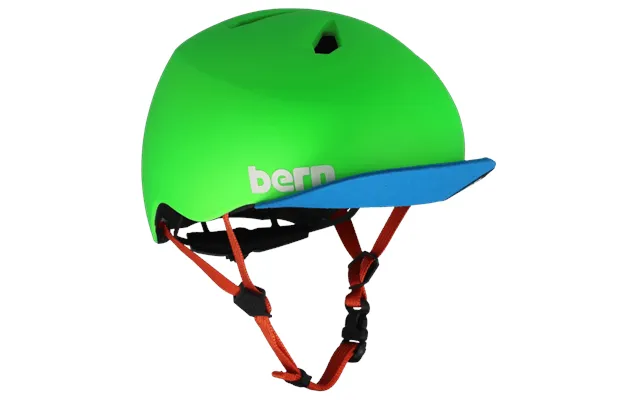
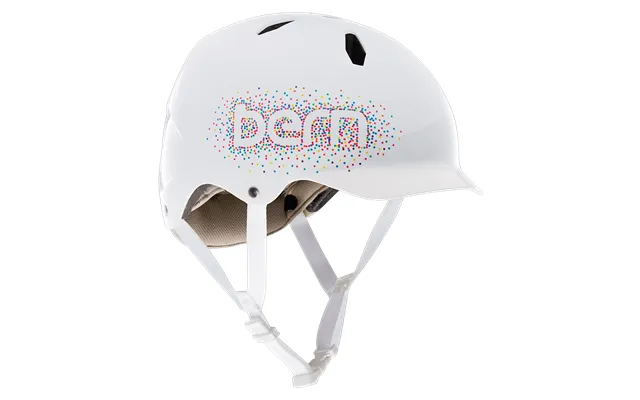
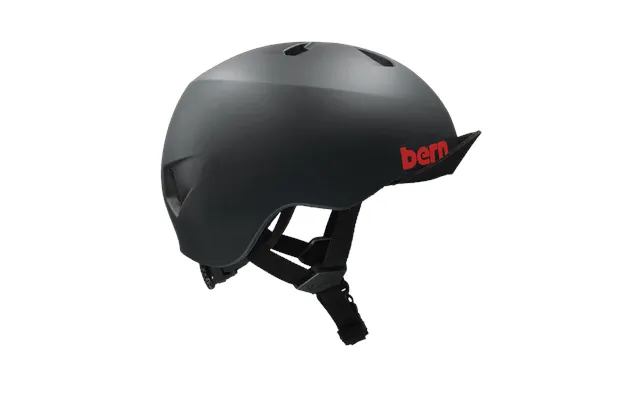
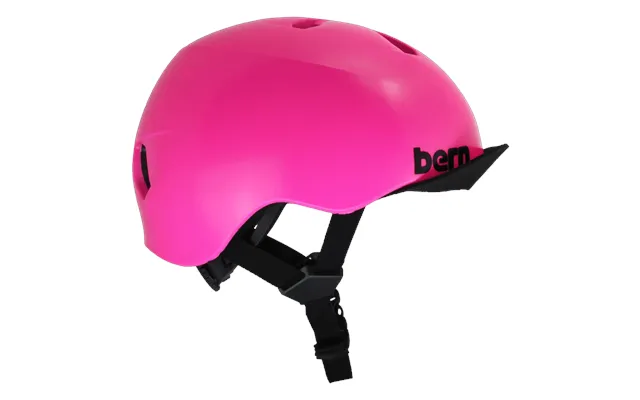
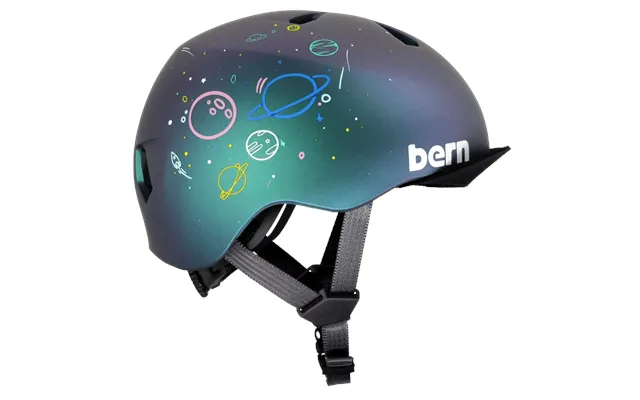
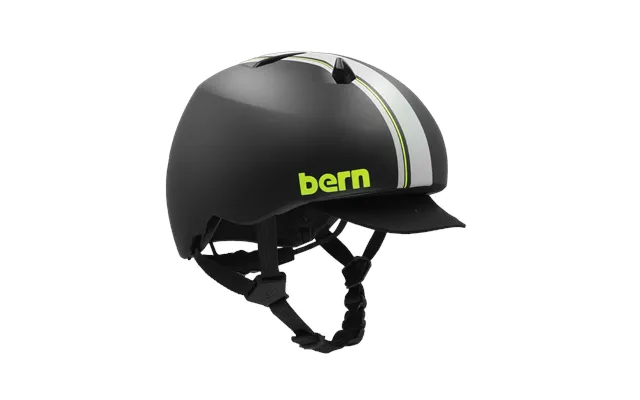
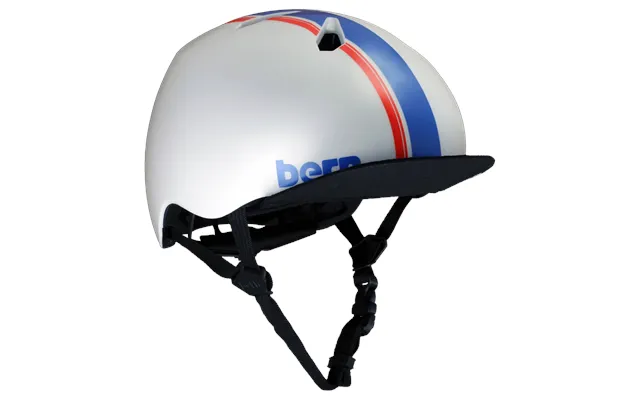
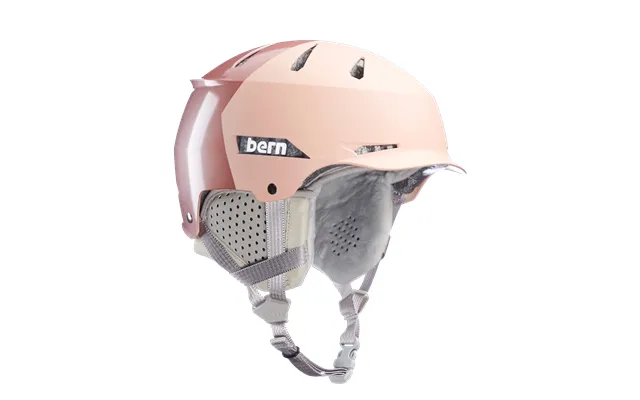
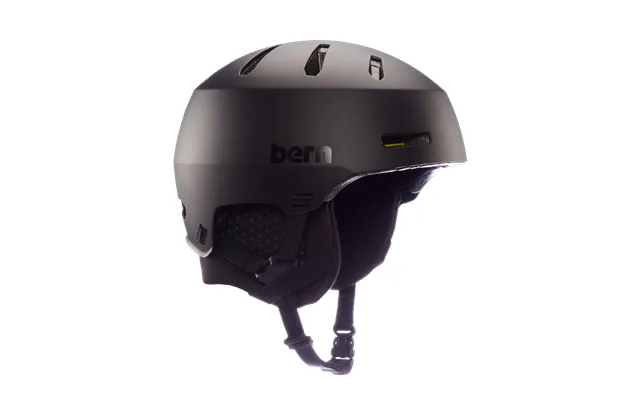
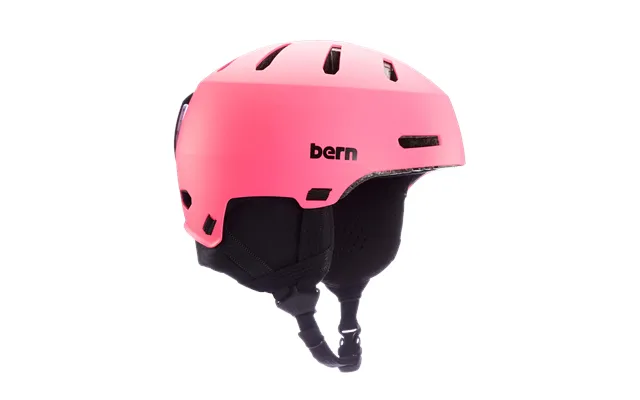
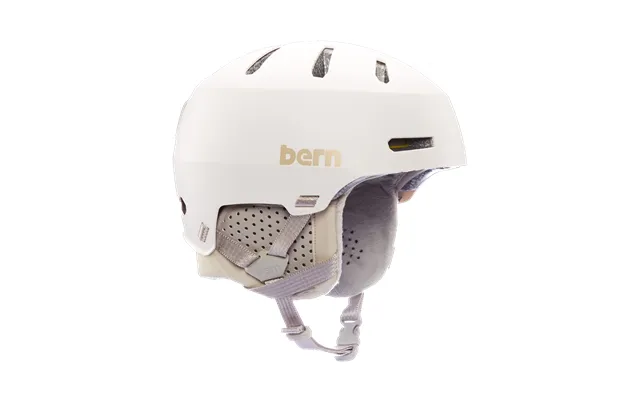
Bern’s design is simple: safety, comfort, and style in one package. They make helmets with a low profile, good ventilation, and liners you can remove and wash. Many of their models include a visor or a cap, which riders appreciate for both sun protection and style. The range covers urban commuting, road cycling, mountain biking, skiing, and snowboarding, so one brand serves many needs. That versatility is one reason British customers like Bern.
Bern helmets often feature a thick, comfortable liner, easy strap adjustments, and clean, minimal aesthetics. Some models use MIPS or similar technologies for added rotation protection, while others focus on traditional EPS foam and hard shells. The result is a product that balances safety with daily usability — helmets that people are happy to wear for short runs, school runs, or a weekend shred in the hills.
Bern’s approach to selling in the UK mixes local retailers and online shops. You’ll find Bern helmets in independent bike stores, specialty snow shops, and on major online platforms. That mix helps shoppers try helmets in person and buy online for convenience. The brand also relies on seasonal partnerships — ski shops in winter, cycle shops in spring and summer — which keeps the product relevant year-round.
Independent shops in the UK have been key to Bern’s growth. These stores advise customers on fit and safety — things you can’t always get right online. Bern supports this with product training and marketing materials, helping staff explain the differences between models. For many buyers, trying a helmet on in person and getting expert advice seals the deal.
Bern’s marketing focuses on lifestyle rather than high-tech bragging. Their images show real people riding to work, hitting a park, or skiing with friends. The brand talks about comfort and everyday protection more than head-to-head safety claims. This tone resonates in the UK, where many shoppers want sensible, stylish helmets that fit their everyday life.
Rather than heavy advertising, Bern invests in community. They sponsor local events, work with independent shops, and rely on user photos and reviews. That grassroots approach builds trust. When someone sees a friend wearing a Bern helmet on a commute or a local rider sporting one in a skate park, the product feels accessible and real.
People who buy Bern helmets in the UK typically praise comfort and fit. The soft liners and simple fastenings get positive mentions. Customer service is generally handled by local retailers or the online sellers who stock the helmets. Warranty and replacement policies vary by seller, so UK buyers often look to trusted local stores for aftercare support.
Fit matters more than brand for many shoppers. Bern’s low-profile shapes suit round and oval heads well, but the only real test is trying one on. That’s why independent stores are important. They let customers feel the padding, tweak the fit systems, and pick the right size. For people buying online, clear sizing charts and return policies are a must.
In the UK market, Bern faces several strong rivals. Some brands focus purely on cycling, like Giro and Bell. Others, like Smith and POC, push higher-end tech or specialist designs. Retailers such as Wiggle, Chain Reaction, Evans Cycles, and Halfords carry multiple brands. Let’s break down how Bern stacks up against these players.
Giro and Bell are heavyweights in cycling. They make helmets with advanced ventilation, aerodynamic shapes, and often top-tier safety tech. Bern doesn't always match the race-focused features of Giro or Bell, but Bern often beats them on versatility and style. If you're after a helmet for commuting, general urban use, or multi-sport activities, Bern is a very strong contender. For pure road racing or high-speed mountain biking, Giro and Bell offer more performance-specific models.
POC and Smith tend to aim higher on protection and innovation. They experiment with materials and safety systems and price their helmets accordingly. Bern competes by being more affordable and more approachable in design. Where POC or Smith might target the tech-savvy rider, Bern targets the everyday rider who wants solid protection and a clean look without the high-end price tag.
These retailers sell many brands, including Bern. The difference comes down to shopping experience. Halfords and Wiggle offer wide choice and convenience. Independent stores offer fitting expertise. Bern fits into both channels but benefits most when the buyer can try a helmet first. For shoppers who prioritize fit and local support, independent bike shops often provide the best experience when buying Bern.
Bern sits in a middle price band. Its helmets are generally cheaper than the top-end performance models but pricier than the absolute budget options. That middle ground is attractive. You get decent protection, useful features, and good looks without breaking the bank. For commuters, families, and casual riders, Bern gives clear value.
One practical tip: Bern models often go on sale during off-season windows — winter helmets after spring, or snow helmets in summer. UK retailers will stock different models depending on the season, so it pays to watch for discounts if you’re not in a hurry. Popular colors and limited editions move fast, so acting quickly helps.
Bern helmets sold in the UK meet required safety standards. The brand emphasizes real-world protection over flashy claims. Some models include extra tech like MIPS or turbostructures; others rely on tested shell and foam combos. Reviews and test results from independent bodies matter to UK buyers, and Bern generally performs well in everyday impact scenarios.
Lab tests offer controlled results, but real-world crashes are messy. Bern focuses on helmets people will actually wear every day. That increases overall safety: the best helmet is the one you put on. In that sense, Bern’s comfortable liners and user-friendly fit systems help prevent riders from leaving helmets at home.
Bern’s aesthetic is a big part of its appeal in the UK. The look is clean, often minimalist, and the colour palette ranges from neutral to bright. They offer matte and gloss finishes and sometimes collaborate on limited editions. For shoppers who care about style as much as function, Bern’s designs hit the right note — not too loud, not boring.
Urban riders, commuters, and parents often pick Bern because the helmets look like everyday caps. They don’t scream “sports gear,” which makes them easy to wear on the school run or into the office. That subtle design approach helps Bern stand out from brands that emphasize racing or extreme sports aesthetics.
No brand is perfect. For Bern, two areas stand out: broader access to higher-end safety tech and clearer warranty pathways in the UK. Some riders want more ventilated helmets for long rides or lighter race-style shapes. Others want guaranteed MIPS on more models. Strengthening aftercare and warranty messaging with UK partners would also build trust further.
Bern could grow by expanding partnerships with UK bike schools, urban cycling groups, and commuter programs. More demo days and pop-ups would let potential buyers try helmets and feel the comfort firsthand. A push into school safety programs could also introduce Bern to families early on.
Bern Helmets in the UK have made a name by being practical, stylish, and approachable. They weren’t built to win time trials or gold medals. They were built to be worn — every day, in many conditions, by many people. That simplicity is powerful. When a helmet is comfortable, looks good, and offers solid protection, people wear it. And worn helmets save heads.