

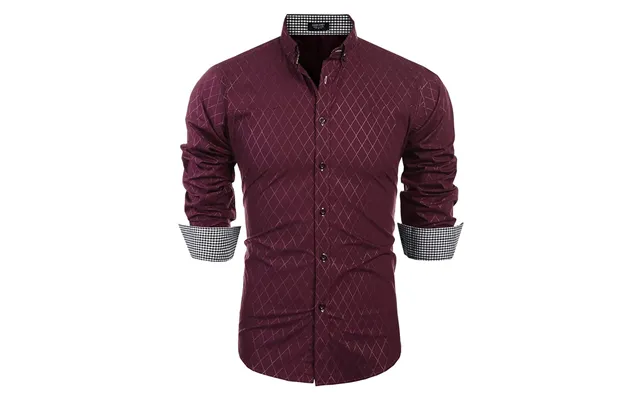
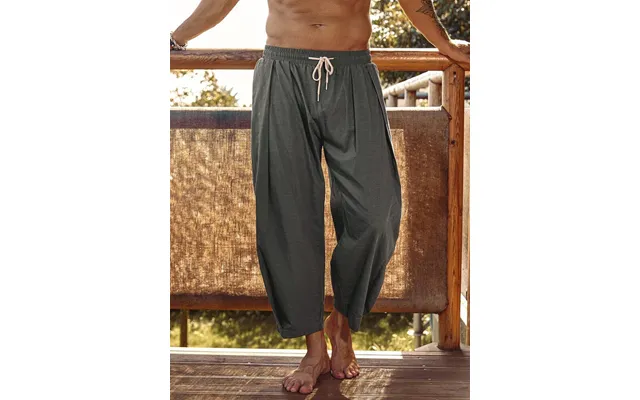
COOFANDY price list
Last updated Sunday, 27 Sept 2026
| COOFANDY | Price |
|---|---|
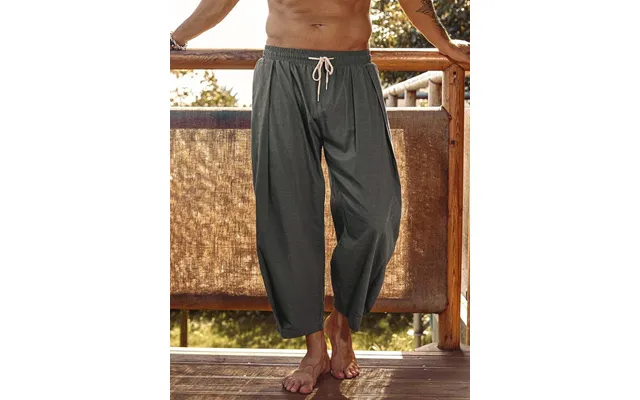
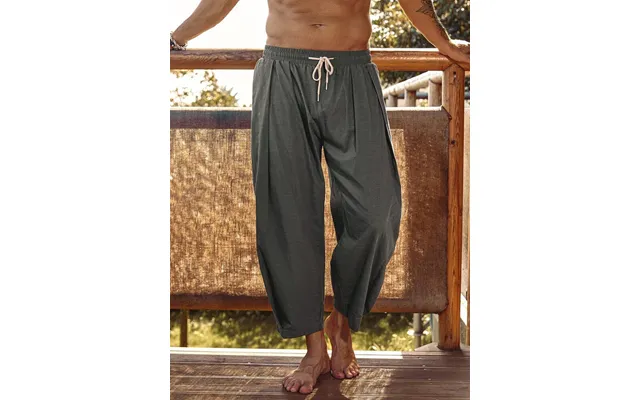
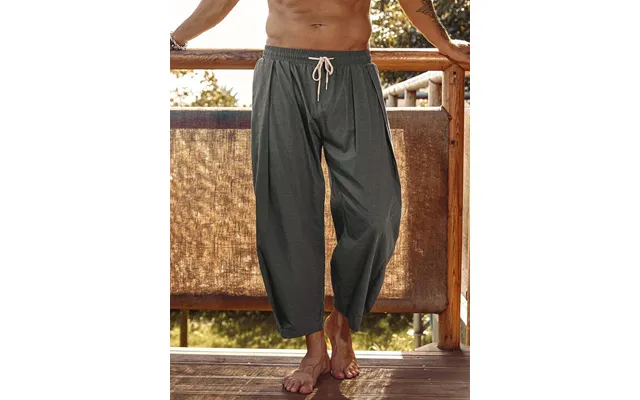
| Loose Yoga Pants With Pockets Us Only | £26.99 |
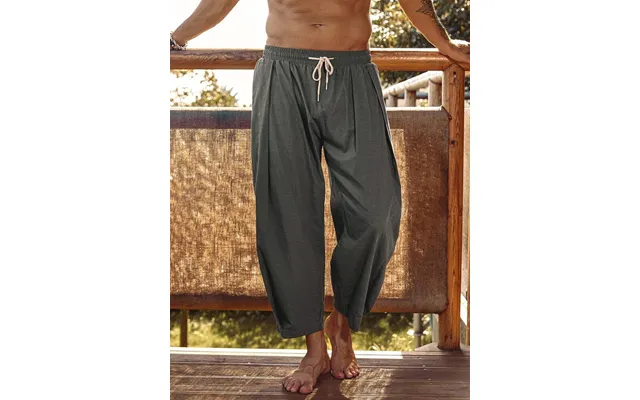
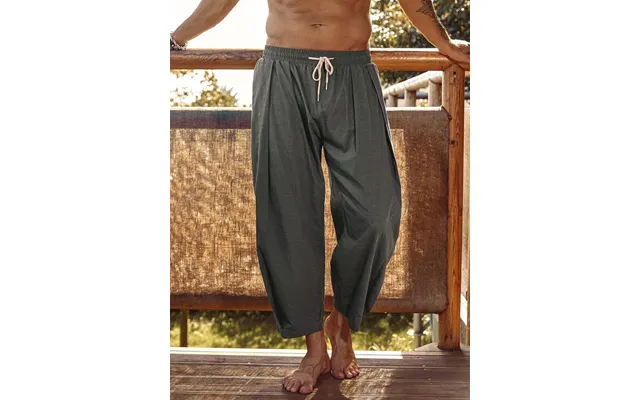
| Loose Yoga Pants With Pockets Us Only | £26.99 |
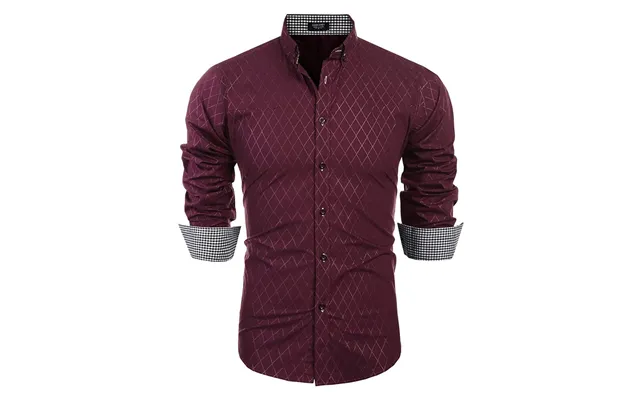
| Business Dress Shirt Us Only | £34.97 |
| Business Dress Shirt Us Only | £34.97 |





| Store | Status | today | distance |
|---|
Loading...
Loading...
Last updated Sunday, 27 Sept 2026
| COOFANDY | Price |
|---|---|
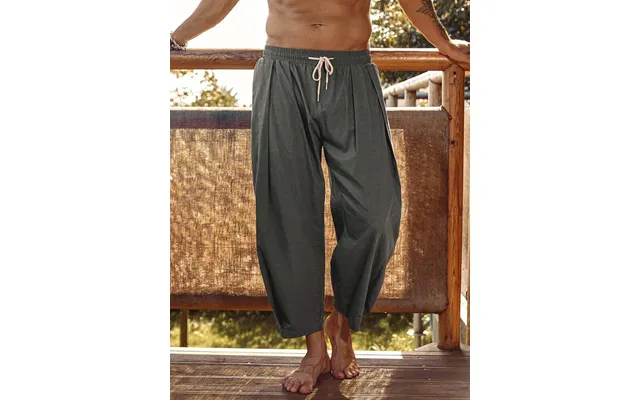
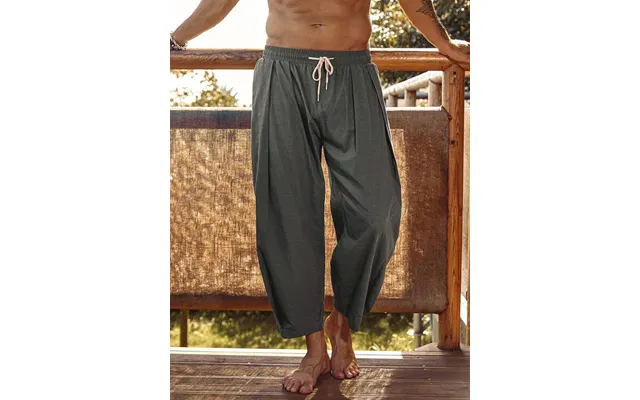
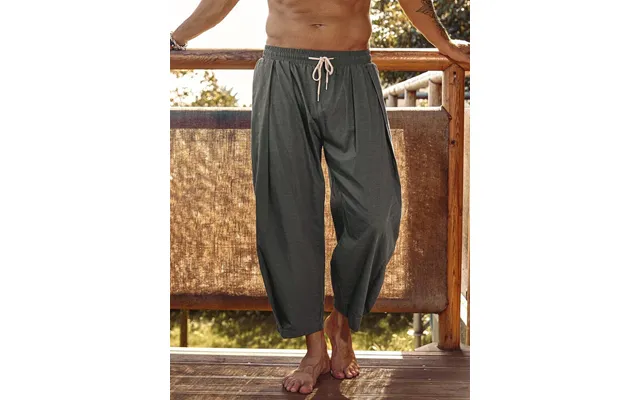
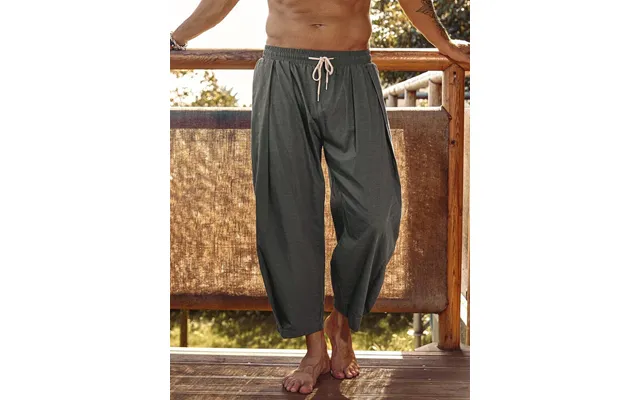
| Loose Yoga Pants With Pockets Us Only | £26.99 |
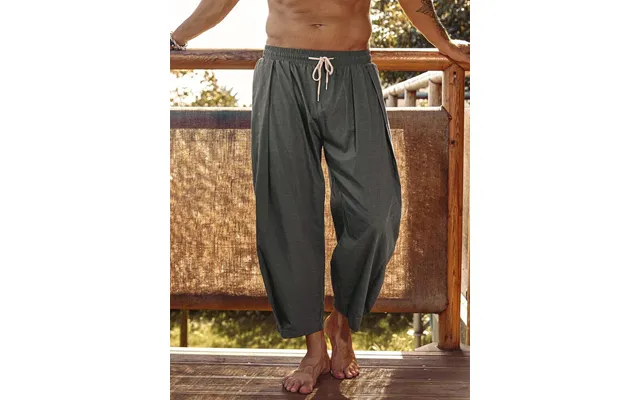
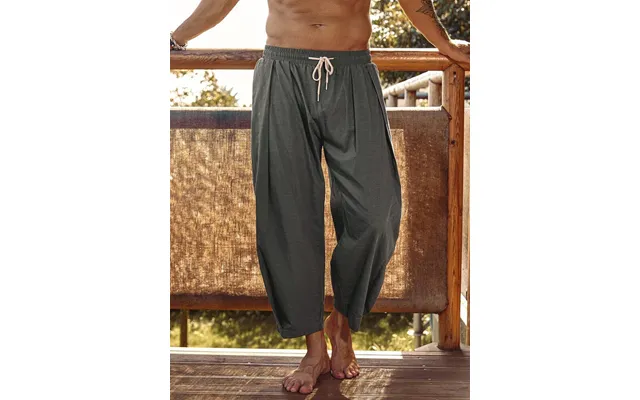
| Loose Yoga Pants With Pockets Us Only | £26.99 |
| Business Dress Shirt Us Only | £34.97 |
| Business Dress Shirt Us Only | £34.97 |
Have you noticed COOFANDY popping up in search results or on social feeds? You're not alone. This brand, known for affordable men’s suits and smart casual wear, has quietly built a presence in the UK market. In this article we’ll unpack the brand’s journey in Britain, what it offers, and how it compares to familiar names like Moss Bros, Charles Tyrwhitt, ASOS, and Zara. Expect simple language, practical comparisons, and straight talk about where COOFANDY fits for UK shoppers.
COOFANDY began as part of a wave of online-first apparel brands that focus on cost-effective tailoring and seasonal trends. Though its roots lie outside the UK, it focused early on global markets where demand for wallet-friendly menswear was growing. The brand built a reputation for offering ready-to-wear suits, blazers, chinos, and shirts that aim to deliver decent style at low prices. What matters for UK shoppers is how that global approach translated to local taste, fit, and value.
COOFANDY is primarily an online retailer, using digital channels to reach customers rather than a network of flagship stores. This strategy keeps costs down. For the UK market, that meant shipping to British customers through its website and international platforms, and appearing on marketplaces and social media where budget-conscious consumers hunt for good deals.
The brand’s product mix leans heavily into smart casual and formal men’s wear: suits, blazers, dress shirts, and chinos dominate. Think of classic cuts with modern twists—slim fits, stretch fabrics, and playful patterns. The aim is to balance everyday wearability with the occasional pick for events like weddings, interviews, or office days. COOFANDY’s style voice targets men who want to look decent without breaking the bank.
When COOFANDY turned attention to the UK, it wasn’t a grand retail blitz. Instead, it followed a pragmatic route: establish an online footprint, test demand, and refine the offering based on customer feedback. The UK, with its strong tailoring heritage and high standards for fit, presented both opportunity and challenge.
For any overseas brand, the devil is in logistics. COOFANDY had to make shipping straightforward, ensure reasonable delivery times, and offer a clear returns policy to win trust. Many UK customers expect free or low-cost returns and simple exchanges. COOFANDY’s ability to accommodate these expectations shaped the first impressions and repeat-business potential in Britain.
Marketing matters. COOFANDY used digital ads, social platforms, and seasonal promotions to catch the attention of UK shoppers. Messaging emphasized value—stylish suits and shirts at prices lower than traditional high-street tailors. The brand also leaned on product photography and customer reviews to communicate fit and quality, which are crucial for online clothing purchases.
How does COOFANDY perform when it comes to what every UK customer really cares about—fit, fabric, and finish? The answers are mixed but clear: it’s a budget-friendly option with reasonable quality for the price, but it’s not a premium tailor.
COOFANDY’s garments typically use blended fabrics, machine stitching, and simpler linings. That keeps prices down. If you want something sturdy enough for occasional wear—events, presentations, or a few months of office wear—the brand often delivers. But for frequent wear or long-term investment pieces, customers may find fabrics wear faster than those from higher-end British brands.
Fit is a major point. UK customers often report that sizing can run differently than local brands—this is common for import-led labels. COOFANDY tends to target a slimmer silhouette. If you’re between sizes, checking the size chart and reading reviews becomes essential. Tailoring small adjustments after purchase can make an affordable suit look much smarter.
COOFANDY’s main selling point in the UK is value. Their pricing usually undercuts traditional tailors and many high-street labels. For students, first-jobbers, or anyone on a budget, the proposition is simple: you can buy a whole suit for what others charge for a single jacket. But low price doesn’t mean zero quality—it means trade-offs in fabric weight, stitching, and long-term durability.
Frequent discounts and promotions make COOFANDY especially attractive. Seasonal sales, bundle deals, and first-time-customer discounts reduce the barrier to trying the brand. Perceived value increases when the purchase fits well and is worn confidently. One smart suit can uplift the impression more than two cheap ones that don’t fit.
Reviews in the UK tend to cluster around delivery speed, accuracy of product descriptions, and the ease of returns. COOFANDY has received a mix of praise for affordability and criticism when items didn’t match expectations. That’s typical for online-first budget brands. Active customer service, transparent policies, and responsive returns can turn a skeptical shopper into a repeat buyer.
Brands that grow in the UK often do so by tightening after-sales care. COOFANDY’s responsiveness to complaints and willingness to facilitate returns plays a big role in building trust. If a jacket arrives with fit issues or a shirt differs from the photo, quick solutions matter. UK shoppers have high expectations born from strong retail competition.
Let’s compare COOFANDY to familiar British and international players. We’ll look at Moss Bros, Charles Tyrwhitt, ASOS, Zara, and H&M. These comparisons focus on price, quality, fit, and shopping experience so you can decide where COOFANDY sits on the spectrum.
Moss Bros is a long-standing British name known for suits, formal hire, and personal fittings. Moss Bros offers in-store tailoring and a heritage of service. COOFANDY beats Moss Bros on price, but not on service, tailoring options, or fabric quality. If you need a suit for a wedding and want alterations and in-person advice, Moss Bros is usually the safer pick. If you want a budget-friendly suit for a one-off event, COOFANDY can do the job.
Charles Tyrwhitt focuses on shirts and formalwear with classic British styling and higher-grade fabrics than typical budget brands. Their sizing and finish lean conservative and polished. COOFANDY offers lower prices and trendier silhouettes, while Charles Tyrwhitt offers better fabric and tailored fits. For workwear that needs to last, Charles Tyrwhitt will often be more reliable. For trend-driven, low-cost pieces, consider COOFANDY.
ASOS is an online giant with a mix of in-house labels and third-party brands. ASOS offers a wide size range, fast shipping, and easy returns in the UK. COOFANDY competes on price and focused men’s formal wear. ASOS wins on convenience and breadth, plus strong UK-based logistics. COOFANDY might have niche styles or price points ASOS doesn’t match, but ASOS’s marketplace and customer service are hard to beat for local shoppers.
Zara and H&M are high-street fashion powerhouses with quick trend turnover. They offer better in-store experiences and a touch more quality in fabrics compared to budget online brands. COOFANDY often undercuts them on price for formal pieces, but Zara and H&M provide faster returns, in-person trying, and a stronger feel for European sizing. If you like to try clothes on and adjust style on the fly, head to the high street. If you want a bargain formal outfit delivered, COOFANDY is an option.
COOFANDY has clear strengths: affordability, a focused product range, and a visual aesthetic that appeals to younger buyers and event shoppers on a budget. The brand is useful for people who need quick, inexpensive outfits for milestone events, new jobs, or trialing styles without big investment.
Who should consider COOFANDY? Think students, early-career professionals, and budget-conscious buyers looking for occasional wear. Also, people not attached to high-end fabrics but who want the look of a suit can find a match. It’s a practical choice when you need something presentable without a large spend.
Buy COOFANDY when you need a backup suit, a costume for a themed event, or a quick outfit for a one-off occasion. If a suit will be worn infrequently, a lower-cost COOFANDY option can make sense. Just plan for possible tailoring to get that sharp finish.
There are trade-offs. Fabric durability, long-term wear, and tailoring excellence aren’t COOFANDY’s strengths. If you want a garment to last years, or you need made-to-measure service, look elsewhere. Also, inconsistent sizing and limited physical presence in the UK can be a hurdle for shoppers who prefer trying clothes on.
Avoid COOFANDY if you value classic British tailoring, premium wool blends, and long-lasting construction. If your job requires daily formal attire, investing in higher-quality suits from established tailors or premium high-street brands will likely pay off in comfort and longevity.
Shopping smart reduces surprises. Here are practical tips for UK buyers interested in COOFANDY.
Always check the size chart. Compare your measurements with the brand’s guidance, and read reviews that mention fit and fabric feel. UK customers often leave detailed feedback—use it to size up or down.
If a jacket or pair of trousers fits in the shoulders and waist roughly right, tailoring can transform a budget suit. Factor in alteration costs when judging value. A small investment in tailoring often yields a professional look.
Look out for free shipping thresholds and return policies. These can significantly affect the final cost of your purchase. If returns are costly or slow, that can erase much of the initial bargain.
What’s next for COOFANDY in the UK? Growth depends on improving fit consistency, investing in faster logistics, and customer service tailored to local expectations. If COOFANDY can tighten these areas, it could expand its market share among budget-conscious buyers. Conversely, competition from large online marketplaces and fast-fashion chains will keep pressure on prices and service.
Opportunities include collaboration with UK influencers, pop-up events to allow in-person trials, and expanded size ranges. Building a small UK-based warehouse for faster shipping and easier returns would also help conversion and repeat purchases.
Tightening competition, rising shipping costs, and stricter import rules could affect pricing and availability. Also, UK shoppers continue to demand sustainability and transparency—areas where online budget brands are increasingly expected to improve.
COOFANDY offers a clear proposition: decent-looking men’s wear at low prices, delivered mainly online. For shoppers who need affordable suits and aren’t chasing premium fabrics or bespoke tailoring, the brand is a sensible option. But for long-term staples, traditional tailors and higher-end brands still hold the edge. In short, COOFANDY is a useful player in the UK wardrobe toolkit—just know when to use it and when to invest elsewhere.