


Craftiosity price list
Last updated Sunday, 27 Sept 2026





| Store | Status | today | distance |
|---|
Loading...
Loading...
Last updated Sunday, 27 Sept 2026
Every shop has a beginning. Craftiosity began as a small idea scribbled on a napkin during a rainy afternoon in Manchester. The founder, a lifelong tinkerer and teacher, wanted a place where ordinary people could discover the joy of making. Not an exclusive boutique. Not a museum. A hands-on workshop that doubled as a friendly shop. That simple seed grew into a local hub where people met, learned, and left with something made by their own hands. Sound familiar? Most great community projects start like that—humble, stubborn, and a little stubbornly optimistic.
The transition from hobby to business was messy and exciting. Early days involved weekend craft classes in community centres, pooling tools in the back of a van, and selling handmade items at weekend markets. Customers came for repairs, tips, and sometimes just a warm smile. Slowly, demand grew. What began as pop-up workshops evolved into a permanent shopfront. The first Craftiosity store opened with modest shelves, a big worktable, and a chalkboard full of upcoming classes. It wasn’t flashy. It felt like home.
Behind the paint-splattered tables and twine bundles, Craftiosity developed a clear mission: to make craft accessible, sustainable, and social. Accessibility meant offering beginner-friendly classes, drop-in sessions, and affordable materials. Sustainability guided the store’s sourcing—recycled paper, low-VOC paints, and partnerships with small suppliers who used responsible practices. Socially, Craftiosity prioritized community: hosting local makers, collaborating with schools, and offering subsidised workshops for seniors and young people. These values gave the store identity. People didn’t just come to buy supplies—they came to belong.
Community input influenced everything. Local artists suggested workshops; parents requested weekend kids’ craft clubs; older residents asked for day-time meetups. Craftiosity responded. The shop adapted opening hours, introduced craft-at-home kits during winter months, and organised pop-up markets to showcase makers. That responsiveness built loyalty. Many customers say they came for a class and stayed for friendships. It’s a powerful reminder: when a business listens, it becomes part of the neighbourhood fabric.
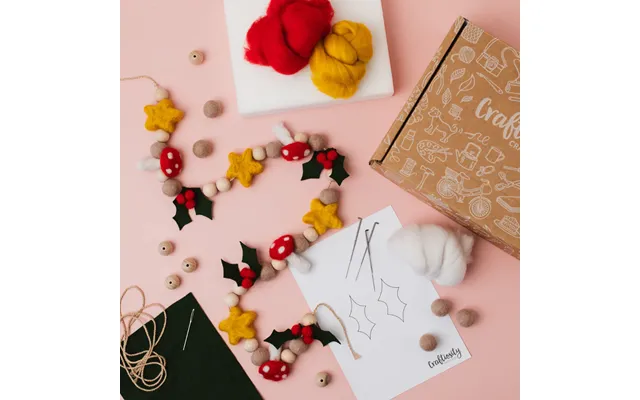
Walk into Craftiosity and you’ll find an inviting chaos: rows of colourful yarn, jars of buttons, neatly stacked paper, and tools that promise new skills. The product mix is practical and inspiring—basic supplies for everyday crafters plus curated kits for specific projects. The emphasis is on usability. Instead of overwhelming shoppers with every brand, the store offers well-tested supplies and expert recommendations. The workshop table sits at the centre, encouraging browsing shoppers to pause and try a stitch or a brushstroke. That tactile experience—feeling material, testing tools—sets Craftiosity apart from online-only competitors.
Workshops are where Craftiosity truly shines. They range from quick two-hour starters to multi-week courses. Topics span sewing, pottery, screen printing, and even basic electronics for crafty beginners who like blinking lights. Instructors are local makers, chosen for teaching ability rather than fame. The result is approachable classes that focus on practical skills and encouragement. Many attendees leave with a project and a plan to return. The classes also act as a low-effort way for shoppers to try new crafts before committing to tools or larger purchases.
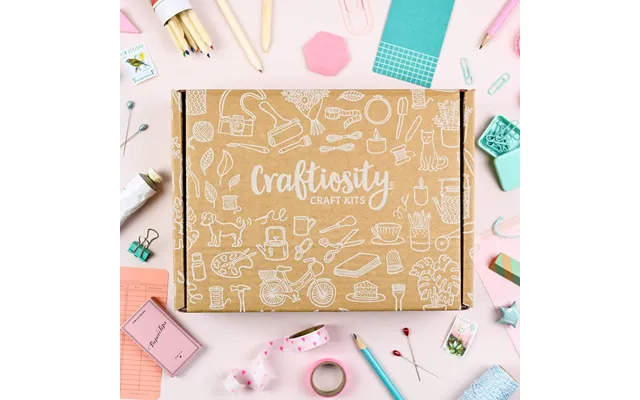
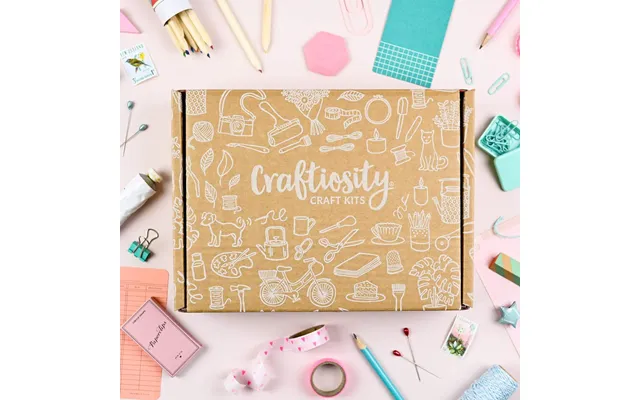
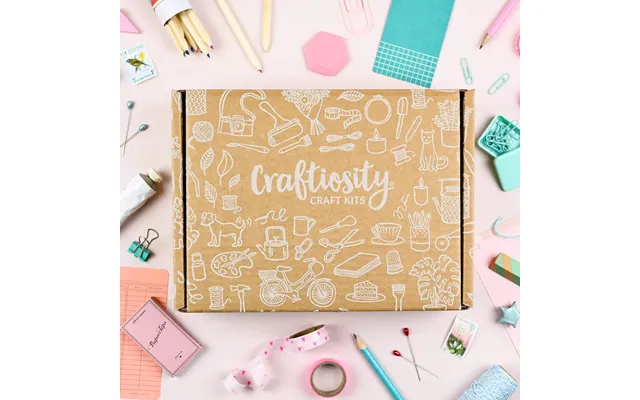
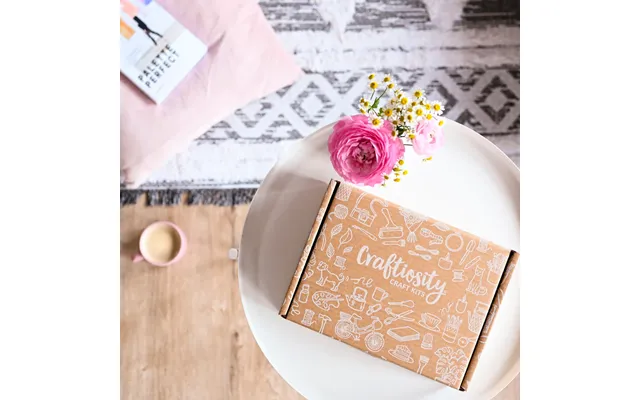
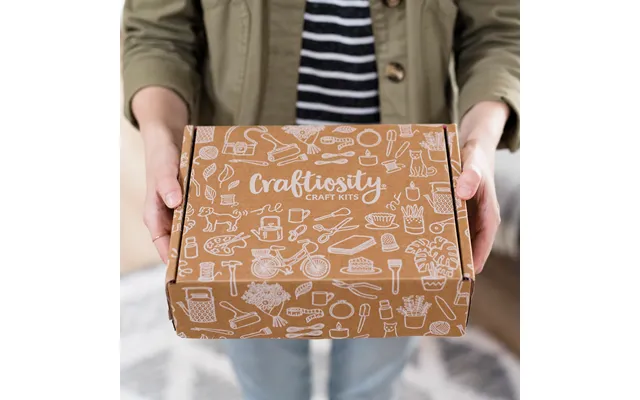
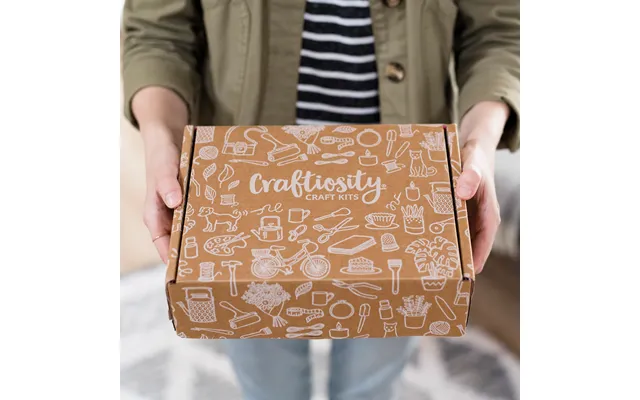
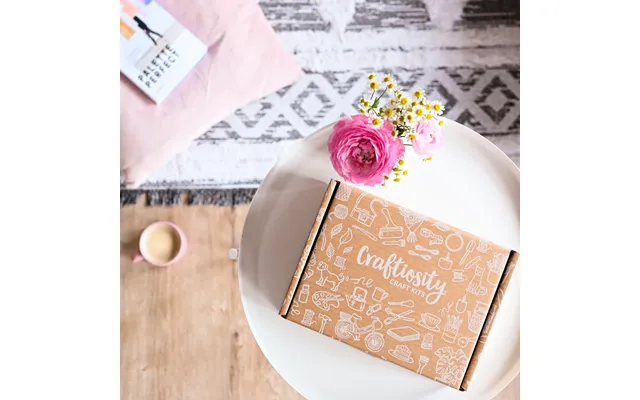
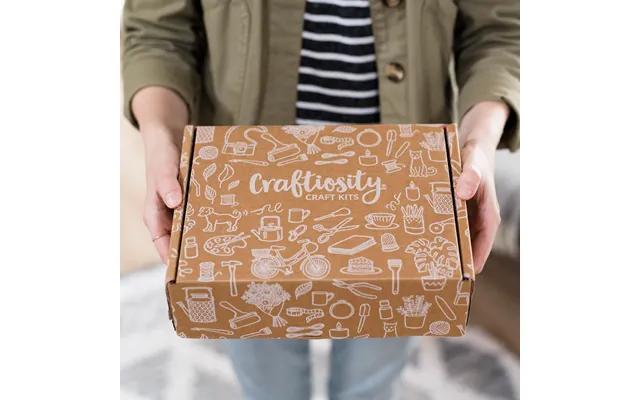
Growth wasn’t a straight line. There were bumps—supply chain headaches, rising rents, and quieter retail months. Yet Craftiosity adapted. It embraced online sales for non-perishable items, launched gift cards, and introduced monthly subscription boxes of curated craft projects. During challenging periods, the shop doubled down on community: offering charity workshops, collaborating with local councils, and hosting repair cafes to encourage re-use. These moves didn’t just keep the lights on; they solidified the store’s role as a community anchor.
Many craft stores either go fully digital or remain stubbornly analogue. Craftiosity carved a middle path. The website became a helpful catalogue with clear how-tos, video previews of classes, and a simple checkout. Social media shared behind-the-scenes snippets—messy workbenches, student wins, and quick tips. But the brand refused to sacrifice the in-person experience; the workshop table remained central to the shop’s identity. The digital presence acted as a bridge—bringing in new customers while inviting them to the real-world space where craft is most alive.
The UK market hosts a mix of players: big chains, independent specialists, and online marketplaces. Craftiosity sits somewhere in the middle—more personal than chains, broader in scope than single-focus shops, and more hands-on than online-only platforms. To understand its place, let’s compare it with three common types of competitors: national chains, specialist independents, and online craft retailers.
National chains offer wide stock, low prices, and predictable product ranges. They can be convenient, especially for basic supplies. But they often lack the local feel and the teaching ethos. Craftiosity’s advantage is experience: tailored advice, workshops, and a curated selection that prioritises quality over quantity. While chains might win on price and variety, Craftiosity wins on community, expertise, and in-person testing. For people who value guidance and a creative atmosphere, that matters more than a five-pound bargain.
Specialist independents focus on one craft—leatherwork, quilting, or pottery pots—and they do it deeply. They stock niche materials and attract highly committed hobbyists. Craftiosity, by contrast, is multidisciplinary. That breadth appeals to beginners or people who like to dabble. The trade-off is depth: specialists may offer advanced tools or rare materials that Craftiosity does not. However, Craftiosity makes up for that with accessibility and variety—perfect for someone exploring multiple crafts or teaching a friend new skills.
Online craft retailers boast massive catalogues and convenience. You can buy everything at once and wait for it to arrive. But online shopping misses the sensory experience: the feel of paper, the stretch of yarn, the weight of a tool. Craftiosity counters by allowing customers to test materials and join classes. Plus, the store offers immediate guidance—a quick question to a staff member can save hours of frustration. For many crafters, the online purchase follows an initial in-person discovery at a store like Craftiosity.
Numbers are useful, but stories stick. People talk about the retiree who rediscovered painting, the teenager who made their first plush toy, or the couple who bonded over a pottery class. These small wins ripple outward. Local schools began bringing classes, cafes partnered for combined events, and a Saturday market featured Craftiosity graduates. The store also created jobs—both part-time instructor roles and full-time staff. Its presence nudged the local creative economy forward, proving that a small shop can have outsized social impact.
One way Craftiosity bolstered the local scene was by stocking items from local makers. This created a virtuous cycle: makers gained visibility, customers found unique goods, and the store enriched its inventory with handmade stories. Events like maker fairs and "meet the maker" evenings blurred the line between retail and community. Customers weren’t just buying products; they were buying into stories and supporting people they could meet and thank in person.
No story of growth is complete without obstacles. Craftiosity weathered slow retail months, logistical headaches, and the constant push-pull between expansion and staying true to its roots. A major lesson was focus: the shop learned to prioritise high-value activities—workshops, curated kits, and quality supplies—over trying to compete with big-box stores on every SKU. It also learned the value of diversification: events, online content, and community partnerships helped stabilise income streams.
Flexibility became a survival skill. When supply disruptions hit, the store leaned into local suppliers. When foot traffic dropped, Craftiosity increased online engagement and launched virtual workshops. These shifts weren’t about abandoning the brand’s values; they were about applying those values creatively. The store that began on a rainy afternoon learned to dance in the storm.
The future of crafting in the UK looks like a mix of tradition and tech. People still crave hands-on experiences, but they also want convenience and inspiration from digital channels. Craftiosity is well-placed for this blend. Its community-first model, combined with a practical digital strategy, gives it room to grow without losing its soul. Expect more hybrid offerings—kits that tie into video classes, DIY subscription boxes with local twists, and collaboration with makers across regions. The shop’s adaptability suggests it won’t just survive trends; it will shape them.
Expansion doesn’t have to mean dozens of new stores. Craftiosity could scale through pop-up collaborations, franchising the workshop model carefully, or licensing course plans to community centres. Each path carries risks—diluting the brand, losing quality control—but done selectively, these moves could spread the philosophy of accessible crafting further across the UK.
Craftiosity’s story is a reminder that retail can be more than transactions. It can be an invitation: try this, fail safely, laugh, and try again. Whether you're a curious beginner or a seasoned maker, the shop’s mix of practical supplies, welcoming workshops, and community focus creates a place you want to return to. In an age of fast consumption, Craftiosity champions slow, meaningful making.