

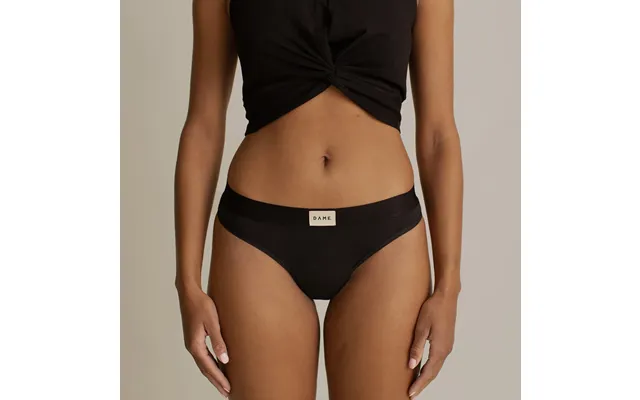
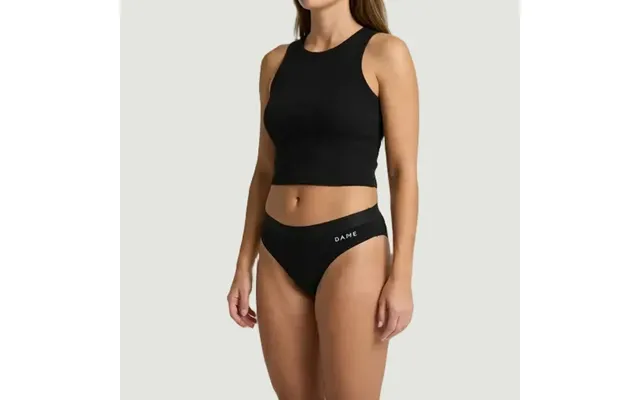
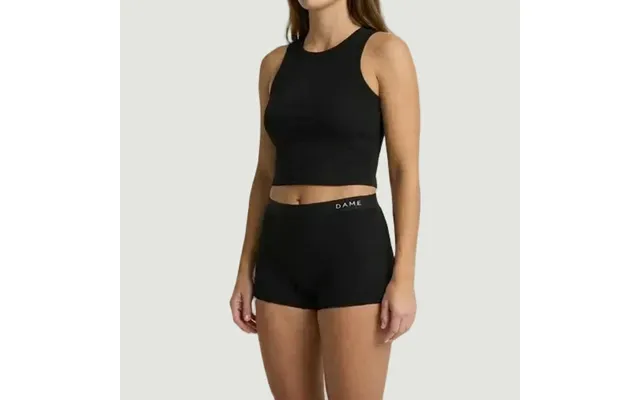
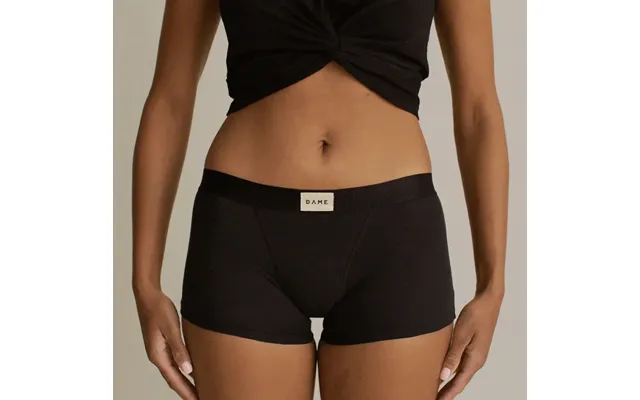
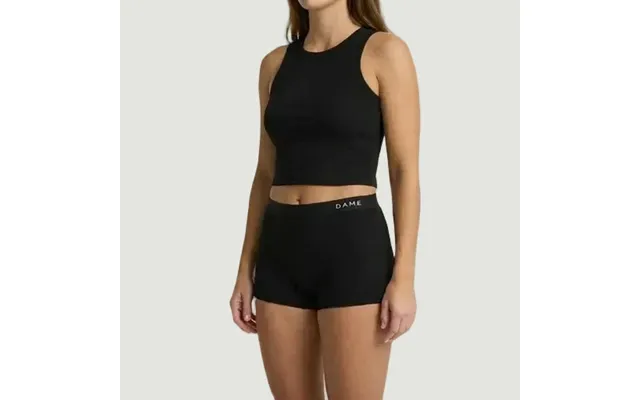
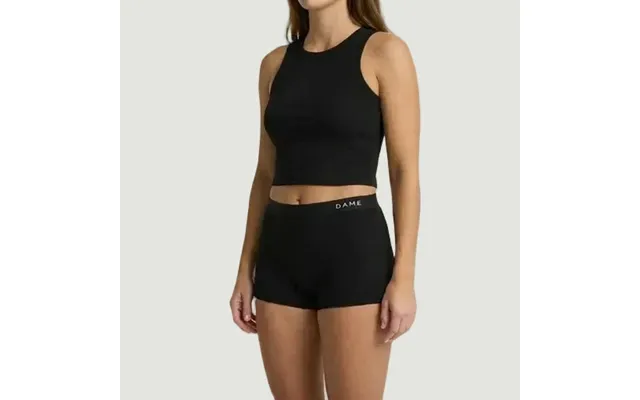
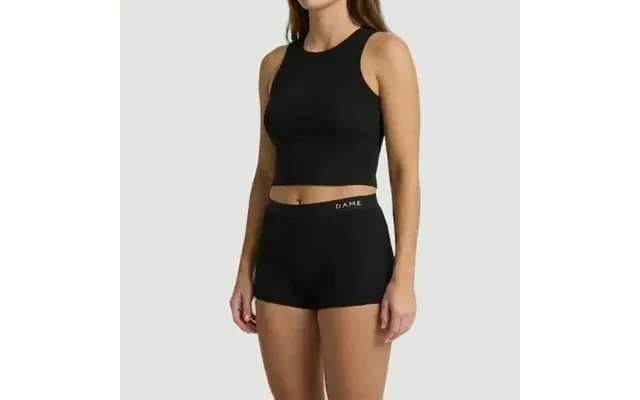
DAME price list
Last updated Sunday, 27 Sept 2026






| Store | Status | today | distance |
|---|
Loading...
Loading...
Last updated Sunday, 27 Sept 2026
DAME arrived on the UK scene as a focused, values-driven retailer, built around one clear idea: sell better products for intimate care that are kinder to people and the planet. Instead of following big-box retail instincts, the founders aimed for honesty, transparency, and design. They wanted customers to feel comfortable, informed, and empowered when buying intimate-care items. That simple starting point gave DAME personality and purpose — and that drew attention fast.
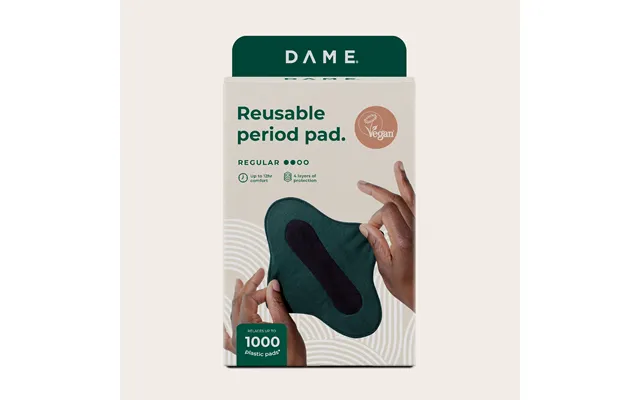
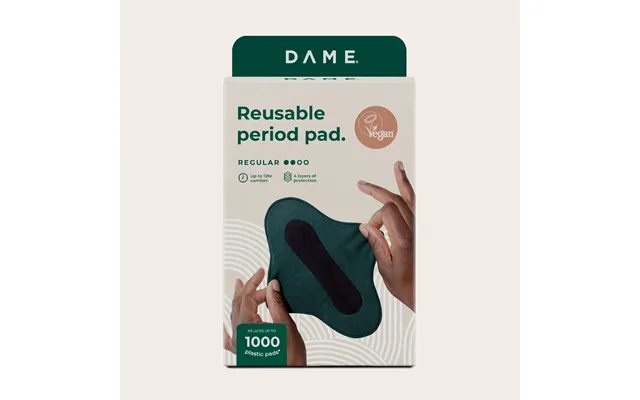
From its opening days, DAME stood out by choosing products that solved real problems and reduced waste. The shop prioritized reusable and thoughtfully designed items, such as non-disposable menstrual options and sustainably made accessories. The core philosophy was easy to understand: small daily choices, like switching to a reusable product, add up to big environmental benefits. People noticed. Customers who wanted practical solutions without greenwashing found DAME appealing.
DAME didn’t just sell goods; it sold design-led solutions. Packaging, materials, and instructions were all designed to be user-friendly. This approach reassured shoppers who might be nervous about trying non-disposable products. Clear guides, calm visuals, and a good return policy helped remove the friction that often stops people from changing habits. In other words, DAME focused on making the new normal feel familiar.
As word spread, DAME expanded beyond a single physical outlet. The business developed an online store to reach buyers across the UK and abroad. Ecommerce gave the brand scale while physical locations — when available — kept the human touch alive. Customers could read thoughtful product descriptions online and still visit a friendly shop to see and feel items in person. The dual approach was smart: it combined convenience with trust.
Another key growth driver was community building. DAME invested time in educating customers through in-store demos, blog posts, and social media. The brand’s educational content demystified reusable intimate-care options and tackled awkward topics with a calm, normal tone. That openness created loyal customers who felt like they were part of a movement rather than a transaction.
Like many retailers, DAME had to navigate the disruption of the COVID-19 pandemic. The store shifted more resources into e-commerce, contactless delivery, and customer service. The brand leaned into helpful content — how to use, clean, and store reusable products safely during uncertain times. This responsiveness kept the community engaged and helped the store weather a challenging period.
Scaling sustainably isn’t easy. DAME faced the usual growing pains: sourcing materials ethically, ensuring consistent production quality, and managing shipping emissions. The brand took steps to vet suppliers and minimize packaging, but none of this happened overnight. The journey involved trial and error. Those efforts, however, reinforced the brand’s credibility with customers who cared about more than price alone.
DAME’s marketing has been notably human. The brand avoids aggressive sales language and flashy tricks. Instead, it uses straightforward explanations, user stories, and clear visuals. This style builds trust. People appreciate a voice that sounds like a knowledgeable friend rather than a loud advertisement. That led to strong word-of-mouth and steady traffic from people who prefer authenticity over pushy tactics.
To grow reach and credibility, DAME partnered with like-minded brands, NGOs, and health educators. These collaborations amplified their message and provided real-world utility — for example, co-hosted workshops, shared content with health professionals, and product bundles with trusted partners. Partnerships helped DAME connect with audiences it might not have reached alone.
Walking into a DAME shop or browsing its website feels intentionally calm. Shelves are curated, not cluttered. Staffers (or content pieces online) take time to explain benefits and trade-offs. That slower, informed pace contrasts with the rush of larger stores where choices can feel overwhelming. DAME emphasizes quality over quantity, which resonates with customers tired of disposable culture.
DAME treats customer service as part of the product. Clear return policies, friendly answers to awkward questions, and follow-up support for first-time users make a difference. People trying a reusable product for the first time often need guidance. DAME’s approach reduces anxiety and increases repeat purchases.
It helps to put DAME in context. The UK retail landscape has a mix of big chains and niche specialists. Each serves shoppers differently. Below I compare DAME with three types of competitors: major pharmacy chains, online direct-to-consumer brands, and independent ethical retailers.
Boots and Superdrug dominate the pharmacy and personal-care category. They offer a vast selection and convenient locations. Price and availability are their strengths. But they can lack depth when it comes to specialized reusable items and expert advice. DAME, by contrast, focuses tightly on a curated range and deeper education. If you want choice and convenience, go to a chain; if you want guidance and sustainably minded products, DAME is a better fit.
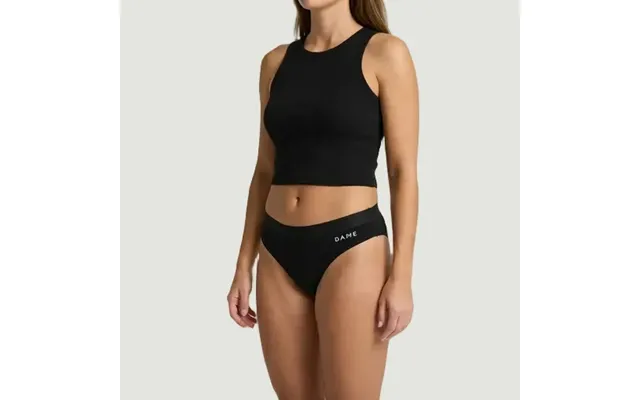
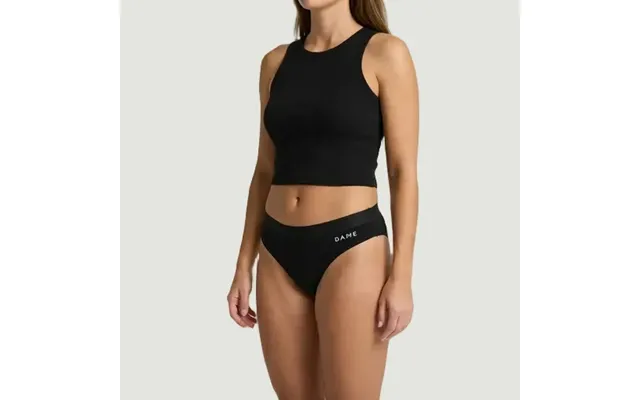
Direct-to-consumer brands like Modibodi and Thinx emphasize innovative product design for period management, especially period underwear. These brands often compete on product-specific benefits, tech fabrics, and bold marketing. DAME differs because it acts more like a curated storefront than a single-product brand. DAME stocks items from several designers, including DTC players, and provides in-person help and comparisons. So while Modibodi and Thinx sell signature products, DAME sells a shopping experience and choice across categories.
Other independent shops in the UK also focus on low-waste and ethical living. Many share common ground with DAME — small batches, sustainable sourcing, and community events. The difference often comes down to niche focus and scale. Some shops emphasize zero waste across the whole home; others specialize in organic beauty or food. DAME’s sweet spot is intimate-care essentials and design-led reusable items. That specialization helps DAME stand out in a crowded ethical market.
Price matters. Reusable products often cost more up front, even though they save money over time. DAME has had to balance sustainability with accessibility. The store offers entry-level options alongside premium designs to appeal to a range of customers. Payment plans, bundles, and starter kits have helped reduce the barrier to trial. It’s a simple arithmetic: fewer one-time shoppers, more long-term adopters when entry costs are reasonable.
Expanding availability without losing brand values is tricky. DAME focused on smart growth — selective physical stores and strong online fulfillment. This model meant it could maintain training for staff and quality control. For customers far from urban centers, the online store and clear shipping policies make DAME products reachable. Still, presence in high streets and collaborations with larger retailers could further boost accessibility.
Reputation is everything for a brand that challenges norms. Reviews of DAME often highlight the educational aspect: customers feel better informed and supported. People thank the brand for clear cleaning instructions, comfortable products, and reliable customer service. Critics sometimes point to price or limited physical locations. Overall, though, the narrative is positive — DAME is seen as trustworthy and worth trying by people curious about reusable options.
No brand escapes criticism. DAME has handled negative feedback by listening, adjusting product descriptions, and improving aftercare. That kind of responsiveness strengthens trust. Brands that ignore complaints lose customers. DAME’s pattern has been to treat feedback as an opportunity to refine both product and messaging.
Looking forward, DAME is well-positioned in a market that values sustainability and transparency. As consumers demand better products and clearer corporate values, niche stores with genuine commitments will have an advantage. DAME can grow by deepening community ties, expanding educational content, and forming strategic partnerships that maintain authenticity while increasing reach.
Opportunities: education-driven marketing, subscription models for refills, and partnerships with healthcare providers. Risks: larger retailers ramping up sustainable ranges, supply-chain pressures, and the possibility that greenwashing dilutes clear choices. The best path for DAME is to stay rooted in its core values and remain customer-centered.
At the end of the day, DAME is more than a shop. It’s a small movement toward better daily choices. That matters to people who want real, practical change rather than slogans.
Shopping with DAME feels like picking a thoughtfully made tool rather than a disposable fix. That gives people confidence to try new things and share their experiences. That ripple — one customer telling another — is how niche brands become part of mainstream life.