

Dry Drinker price list
Last updated Sunday, 27 Sept 2026



| Store | Status | today | distance |
|---|
Loading...
Loading...
Last updated Sunday, 27 Sept 2026
Have you ever wondered how a tiny niche idea turned into a noticeable movement on UK high streets? Dry Drinker is one of those stories. It began by serving people who wanted the ritual of drinking without the alcohol. Today it stands as a notable brand in the non-alcoholic drinks market. This article traces that journey, compares Dry Drinker with similar UK stores, and explains why it matters to shoppers and communities.
Dry Drinker started from a simple premise: make low- and no-alcohol drinks accessible, attractive, and mainstream. In its early days, it was the kind of shop you might walk past and think, "Interesting." The founders saw a gap — people who wanted alternatives to alcohol but few places provided variety and quality. So they created a space that looked like a boutique, stocked like a specialist, and felt welcoming like a local pub without the boozy pressure.
The vision was straightforward. Provide taste-first drinks that happen to be alcohol-free. No preaching. No judgment. Just good drinks and smart options. The idea resonated with a growing crowd: pregnant people, designated drivers, health-focused consumers, and anyone curious about sober socialising. Dry Drinker positioned itself as the meeting point for all those groups.
Getting started wasn’t easy. Suppliers were limited. Retail shelf space was hard to negotiate. Many shoppers still equated “alcohol-free” with “boring.” Dry Drinker tackled this by sourcing innovative brands, investing in eye-catching packaging, and offering in-store tastings. They built trust through education and by treating non-alcoholic drinks with the same seriousness as craft beer or fine wine.
Once people tried the drinks, word spread. Social media played a part. Local press covered the concept. Dry Drinker grew from a single outlet to a small chain and online presence. Expansion focused on areas with high footfall and a consumer base open to new lifestyles: city centres, university towns, and upmarket neighbourhoods.
Moving online was a turning point. An e-commerce platform allowed Dry Drinker to reach beyond local catchments and offer curated selections, monthly boxes, and subscription services. The website became an educational hub with tasting notes, food-pairing tips, and guides explaining the difference between alcohol-free, low-alcohol, and dealcoholised beverages.
Dry Drinker also invested in events — tastings, sober socials, and collaborative pop-ups. These created community and gave people a safe way to try drinks without the stigma. People met friends, discovered new favourites, and learned how non-alcoholic drinks could fit into real life: parties, dinners, and even as nightcap alternatives.
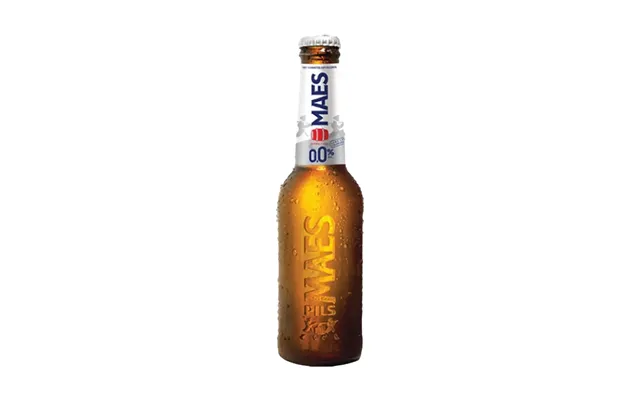
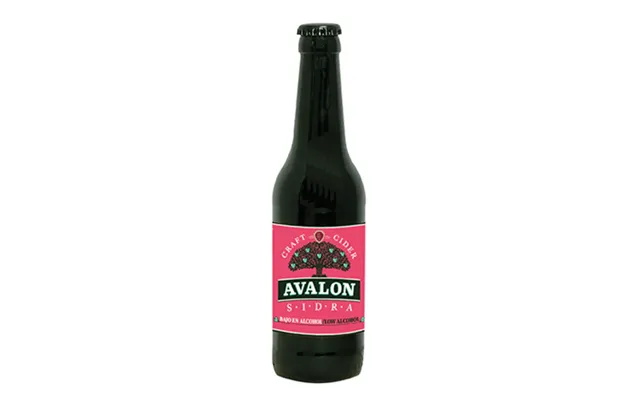
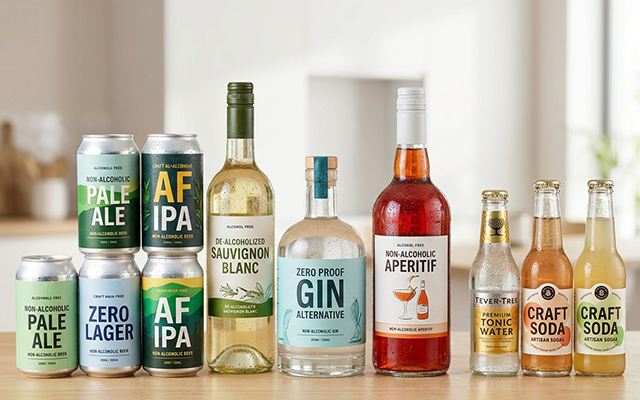
What sets Dry Drinker apart is curation. The shelves hold more than fizzy grape juice. Expect craft non-alcoholic beers, sophisticated dealcoholised wines, and botanical-based spirits designed for cocktails. The store focuses on taste, provenance, and innovation. They test products, pick winners, and remove items that don’t deliver.
Instead of overwhelming customers with options, Dry Drinker chooses quality. That means smaller ranges but higher satisfaction. Each product has a story: how it was made, its flavour profile, and suggested uses. This curatorial approach helps shoppers feel confident in their choices and reduces buyer’s remorse.
To broaden offerings and boost margins, Dry Drinker sometimes develops private-label lines and limited collaborations with small producers. These exclusive items create excitement and help the brand control product quality and uniqueness. Customers often seek these exclusives because they can’t be found in supermarkets.
Dry Drinker markets itself as modern and inclusive. Their messaging avoids moralising. Instead, it highlights choice, taste, and social connection. They use friendly imagery, real people in ads, and straightforward language. The brand appeals to both curious newcomers and committed sober-curious consumers.
On the digital side, Dry Drinker invests in content that educates and converts. Blog posts on how to create mocktail recipes, guides to non-alcoholic wine, and lists such as “best sober-friendly drinks for summer” help attract organic traffic. This content strategy nudges shoppers from interest to purchase, especially when paired with email offers and social proof.
Customer service is personal. Staff are trained to explain complex differences between products and to suggest pairings. In-store tasting stations and online chat support help shoppers make decisions. That human touch builds loyalty and encourages repeat visits.
The UK market for non-alcoholic drinks has grown, and several stores vie for attention. Let’s compare Dry Drinker with a few types of competitors: supermarket ranges, specialist online retailers, and local independent shops.
Supermarkets now stock non-alcoholic options, but they often prioritise mass-market brands and price over taste. Dry Drinker’s advantage is curation and depth of knowledge. Where supermarkets offer convenience and lower prices, Dry Drinker offers discovery and quality. If you want a weekly shop, the supermarket wins. If you want discovery and expert picks, Dry Drinker is better.
There are online-only specialists that sell non-alcoholic drinks across the UK. They compete on range and price, and some have strong direct relationships with producers. Dry Drinker competes by offering a hybrid model: physical touchpoints plus online convenience. That brick-and-mortar element adds trust and the chance to sample before you buy — a major advantage in this category.
Independent local shops and artisan grocers often carry curated lists too. They share similarities with Dry Drinker in focus and quality. However, Dry Drinker’s branding, events, and broader partnerships give it scale. Independents may offer more local charm and niche products; Dry Drinker offers a more consistent, branded experience.
Customer feedback matters. Many shoppers praise Dry Drinker for its variety and staff knowledge. They mention the thrill of finding a non-alcoholic beer that tastes like the real thing or a dealcoholised wine that pairs well with dinner. Negative comments sometimes note price — boutique selections cost more than supermarket alternatives. But most customers accept the premium in exchange for better taste and unique finds.
Some customers credit Dry Drinker with changing their social lives. People who gave up alcohol found they could still enjoy dinners and nights out. Others used the store to explore sober holidays and pregnancy-friendly drinks. These success stories show how a retail brand can influence lifestyles and social norms.
Opportunities remain. Expanding to more towns, offering loyalty discounts, and negotiating better prices from suppliers could lower costs for customers. Increasing education around how to mix non-alcoholic cocktails would also attract DIY home entertainers.
The shift away from alcohol isn’t a fad. Market data shows consistent growth in no- and low-alcohol categories. Health and wellness trends, combined with better product development, mean more people will try sober options. Dry Drinker is positioned to benefit if it continues to innovate and scale responsibly.
Expect more sophisticated non-alcoholic spirits, aged dealcoholised wines, and botanical beers. As producers invest in flavour science, the quality gap between alcoholic and non-alcoholic drinks will narrow. Dry Drinker’s role will be curating and translating these innovations for customers.
Growth could mean more stores, wholesale partnerships with hospitality, and collaborations with event organisers for alcohol-free bars. These moves broaden reach and normalise sober options in mainstream social settings.
If you’re curious about trying Dry Drinker or similar stores, here are some quick tips. First, don’t expect identical replacements; celebrate new flavours. Second, ask staff for pairing and mixing suggestions. Third, attend tastings — they’re low-risk and high-reward. Finally, consider subscriptions if you find favourites; they often save money and remove decision fatigue.
Choose a supermarket for convenience and price. Pick an independent for charm and rare finds. Use specialist online retailers for broad selection and delivery. Choose Dry Drinker if you want curated excellence, helpful staff, and the ability to sample before you buy.
One of the biggest barriers to switching is social expectation. Make it easier by bringing a standout bottle to a dinner, offering mocktails at parties, or hosting a sober-tasting night. Dry Drinker’s curated selection gives you conversation starters and the confidence to skip alcohol without missing out.
Dry Drinker matters because it legitimises non-alcoholic drinking. It normalises choice. It shows that a vibrant social life doesn’t require alcohol. In a society rethinking health, mental wellness, and social habits, Dry Drinker adds tangible options. It’s not just a shop. It’s part of a cultural shift.
Access to good non-alcoholic drinks supports healthier choices. Communities benefit when social spaces accommodate different needs. Dry Drinker helps by making alternatives visible, enjoyable, and acceptable.
Beyond health, there’s an economic angle. Dry Drinker supports small producers, creates jobs, and inspires innovation in food and drink. Culturally, it nudges norms — people expect better-for-you options and are less embarrassed to choose them.
Dry Drinker’s journey from a niche idea to a recognised player in the UK non-alcoholic market illustrates how retail can drive change. It blends curation, community, and commerce to make sober options tasteful and social. Whether you’re sober by choice or curious about cutting back, stores like Dry Drinker make the switch easier and more enjoyable.