


Eurogames price list
Last updated Sunday, 27 Sept 2026




| Store | Status | today | distance |
|---|
Loading...
Loading...
Last updated Sunday, 27 Sept 2026
The story of Eurogames in the UK starts like many small retail legends: with a passion and a clear gap in the market. Founded by a group of board game fans and hobbyists, Eurogames began as a modest shop focused on European-style board games—those strategy-driven, low-luck titles that encourage thinking and planning. The founders wanted a place where people could buy, play, and learn about modern board games without feeling intimidated. They chose a convenient town-centre location to be visible to families, students, and hobbyists alike. Word spread quickly: Eurogames offered a selection that was hard to find in mainstream stores, and a staff who actually recommended games rather than just shelving them.
In the early years, Eurogames relied on community buzz. Demo nights, gentle word-of-mouth, and a small but fervent local fanbase turned the shop from a niche outlet into a neighbourhood staple. People who came in to buy a single title often stayed for a weekly game night. That community element became the shop’s heartbeat. The business model was simple: stock great games, host events, and treat customers like friends. It worked. The store grew slowly but steadily, building loyalty and a reputation for being where you go to discover new games and meet other players.
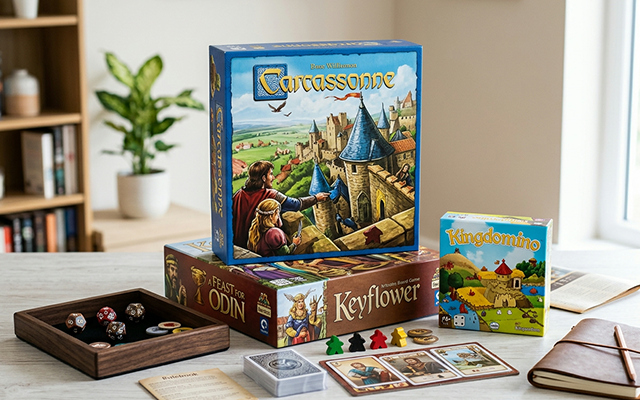
Eurogames began with a tight focus on Euro-style board games, but over time the shelves broadened. Today, a typical Eurogames store carries a wide mix: strategy board games, family games, party games, card games, roleplaying systems, miniature wargames, accessories, and even puzzles. The emphasis remains on quality and replayability. Staff curate selections carefully, favouring titles that spark conversation and offer long-term enjoyment. Special releases, indie publishers, and classic eurotitles sit alongside big-name hits. This balance attracts both newcomers and veteran players.
To add value, Eurogames often stocks limited editions and collector boxes. These items appeal to enthusiasts who want something special—a finely produced, deluxe version of a favourite game. Limited runs help create excitement and drive visits, both in-store and online.
If a retail shop is only a shop, it won’t last long in the tabletop world. Eurogames made community-building a priority. The calendar includes weekly open-play nights, structured tournaments, family afternoons, and cosy beginner sessions. These events do more than sell games. They build relationships, teach rules, and create regular footfall. New players feel safe asking questions. Longtime customers get a place to try new titles with experienced opponents. The result is a loyal customer base that sees the shop as a social hub, not just a place to buy boxes.
Many Eurogames locations have hosted workshops and meetups where designers present prototypes, publishers run playtests, and creative minds swap notes. These events give customers direct access to the design process and make the store feel like part of the wider hobby ecosystem. It’s also a draw for curious gamers who want behind-the-scenes insight.
As shopping habits changed, Eurogames expanded online. The store built an e-commerce platform to reach customers beyond walking distance and to handle stock fluctuations more effectively. Online listings, customer reviews, and curated recommendations helped the shop compete with national chains and big online marketplaces. Social media channels spotlighted new releases and event highlights, while newsletters kept fans in the loop. Importantly, the online presence mirrored the in-store experience: helpful descriptions, thoughtful suggestions, and a friendly tone.
To bridge online convenience with local service, Eurogames introduced click-and-collect and local delivery options. These services appealed to busy shoppers who wanted to guarantee availability without sacrificing speed. It also kept community members engaged—many still preferred to pick up orders and chat with staff.
Running a specialist store is not without hurdles. Eurogames navigated supply chain issues, rising costs, and fierce competition from both online giants and specialized chains. Seasonal fluctuations put pressure on inventory. To adapt, the store refined its buying strategy, improved inventory forecasting, and leaned into special-order services. It emphasized experiences—play events, local tournaments, and exclusive content—that big-box retailers couldn’t easily replicate. Marketing shifted towards targeted online campaigns, local partnerships, and collaborations with cafes and schools to expand outreach.
One of Eurogames’ biggest strengths is knowledgeable staff. Investing in employee training paid off: well-informed staff guide customers to the right games, teach rules, and run demo sessions. That human touch is a major differentiator compared to algorithm-driven recommendations online.
How does Eurogames stack up against other UK stores? The short answer: it competes well because of its community focus and curated selection. But different shops fill different needs. Here’s a look at common types of competitors and how Eurogames compares.
National chains tend to have larger budgets and multiple locations. They offer wide stock and brand-name visibility, and often secure early allocations of big releases. However, bigger stores can feel impersonal. Eurogames, by contrast, wins on customer service and community events. While Eurogames may not always beat a chain on sheer breadth, it often matches or surpasses them in staff expertise and local engagement.
Online marketplaces offer convenience and low prices. You can find rare bargains and a massive catalogue. The downside is that online purchases lack immediate personal guidance and the social element of play. Eurogames counters this by offering expert advice, demo play, and curated recommendations. For many customers, that human touch is worth paying a little extra.
Specialist hobby stores focus on specific categories like miniatures, roleplay, or wargaming. They attract deep expertise in those niches and host niche events. Eurogames often appeals to a broader crowd by balancing across categories. Where a specialist shop might be the best place for deep, technical knowledge about miniatures painting or tournament-level wargaming, Eurogames provides a friendlier entry point and a wider family-friendly selection.
Independent boutiques share Eurogames’ values: curation, community, and service. The difference often comes down to scale and focus. Some boutiques are tiny and highly specialised, while Eurogames aims for a middle ground: big enough to offer variety, small enough to stay personal. That balance helps Eurogames draw in families as well as hobbyists.
Pricing is a common concern for buyers. Eurogames positions itself as competitive but realistic. It rarely competes on lowest-price alone. Instead, it offers value through service—try-before-you-buy, demo events, and packaging advice. Promotions, loyalty schemes, and bundle deals help keep prices attractive. During high-demand launches, Eurogames may charge a small premium, but many customers consider the guaranteed availability and expert support worth it.
To reward repeat customers, Eurogames runs loyalty programs and memberships that provide discounts, early access, and members-only events. These programs deepen customer relationships and encourage repeat visits. For regular players, the savings and extra perks quickly add up.
In a crowded market, visibility matters. Eurogames invests in targeted marketing: local SEO, social media content, email newsletters, and event listings. The store prioritises long-tail keywords like “best board game store near me,” “family game nights UK,” and “buy euro-style board games UK.” Blog posts, how-to guides, and event recaps help build organic traffic and show the store’s expertise. This content-driven approach attracts new customers and keeps existing ones engaged.
Eurogames forms partnerships with local cafes, schools, and community centres. These collaborations introduce tabletop gaming to broader audiences—parents at schools, students at universities, or casual drinkers at a café event. Cross-promotion increases foot traffic and builds goodwill.
Customers typically praise Eurogames for its friendly staff, knowledgeable recommendations, and lively events. Newcomers appreciate patient demonstrations. Seasoned players value the curated selection and community atmosphere. Criticisms, when they arise, usually touch on stock limits for rare titles or occasional higher prices on hot releases. Still, the consistent positive feedback highlights that Eurogames offers a shopping experience many other outlets struggle to match.
Customer service matters. Eurogames keeps clear return policies and responsive support. When mistakes happen—mis-shipped items or damaged goods—the staff aims to resolve issues quickly, often with goodwill gestures like discounts or free event passes. That responsiveness builds trust.
The tabletop market is evolving, and Eurogames is adapting. Expect more hybrid offerings: virtual demo sessions, livestreamed events, and enhanced online community forums. The shop will likely deepen local ties while improving its online catalogue and logistics. Sustainability and inclusivity may play larger roles—offering eco-friendly products, diversifying event times, and creating safe, welcoming spaces for all players. The key will be staying true to the core strengths: curation, community, and service.
Expansion could take several forms: more store locations, stronger online presence, or pop-up events in other cities. Partnerships with publishers for exclusive releases or co-hosted events could also boost visibility. Whatever path Eurogames chooses, maintaining the personal touch will be crucial.
Eurogames’ story—growing from a small, community-driven shop to a recognized name in the UK tabletop scene—is one of steady care, attention to players, and a willingness to evolve. It’s a reminder that retail can be more than transactions; it can be about bringing people together over shared fun.