

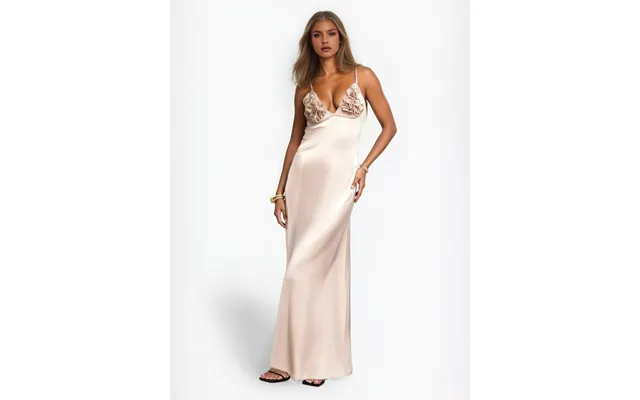
Fleurwear price list
Last updated Sunday, 27 Sept 2026






| Store | Status | today | distance |
|---|
Loading...
Loading...
Last updated Sunday, 27 Sept 2026
Fleurwear has attracted attention in the UK fashion scene with a style that feels current, relaxed and easy to wear. The store appeals to shoppers who want clothing with personality, but who also value comfort, simple styling and an online shopping experience that feels personal. In a market filled with large chains and fast-fashion giants, Fleurwear aims to offer something more considered.
But where did Fleurwear come from? How has the store developed, and how does it compare with similar UK fashion retailers? These questions matter because a shop is more than a collection of products. Its history, visual identity, customer service and approach to trends all shape the way shoppers see it.
This article explores the story of Fleurwear in the UK, its apparent place within the modern fashion market, and the reasons it may appeal to customers looking beyond the biggest high-street names. Because detailed corporate information about smaller independent retailers can be limited, this overview focuses on the brand’s public-facing identity, retail approach and wider market context rather than presenting unverified claims about exact launch dates, founders or private business milestones.
Fleurwear appears to belong to a newer generation of UK fashion stores: digitally led, visually focused and built around a clear lifestyle mood. Unlike traditional retailers that often begin with a physical shop and later move online, many modern boutiques grow through websites, social media and direct communication with customers. Fleurwear fits naturally into that shift.
The name itself suggests softness, individuality and a connection with style rather than rigid seasonal fashion rules. “Fleur” evokes flowers, freshness and a feminine touch, while “wear” keeps the idea practical. Together, the name creates an image of clothing that can move easily through everyday life. It feels approachable rather than intimidating. That matters in a sector where some shoppers want fashion guidance without feeling pressured by luxury branding.
Fleurwear’s development should also be viewed against the changing shape of UK retail. Customers now discover products through Instagram-style imagery, short videos, email updates and recommendations from friends. They may browse on a phone during a lunch break, save an item for later, and complete a purchase days afterwards. A store such as Fleurwear must therefore do more than stock clothes. It must build recognition and trust across several digital touchpoints.
The classic boutique model depends on atmosphere. A customer enters a shop, feels the fabric, sees a carefully arranged rail and receives advice from a member of staff. Online fashion stores cannot recreate every part of that experience, but they can translate its best features into digital form. Clear photographs, useful product descriptions, outfit ideas and friendly communication can make a website feel more like a curated wardrobe than a huge warehouse.
That boutique influence is important when considering Fleurwear’s history. The brand’s appeal is not based only on volume. It is linked to selection. Shoppers are often drawn to smaller stores because they want to avoid endless scrolling through thousands of almost identical items. A focused edit can save time and make buying feel more enjoyable.
This approach has become especially relevant in the UK, where independent fashion businesses compete with international platforms that can release new designs at remarkable speed. Fleurwear’s likely strength lies in offering a more personal alternative. It can speak in a warmer voice, highlight styling ideas and create a sense of discovery.
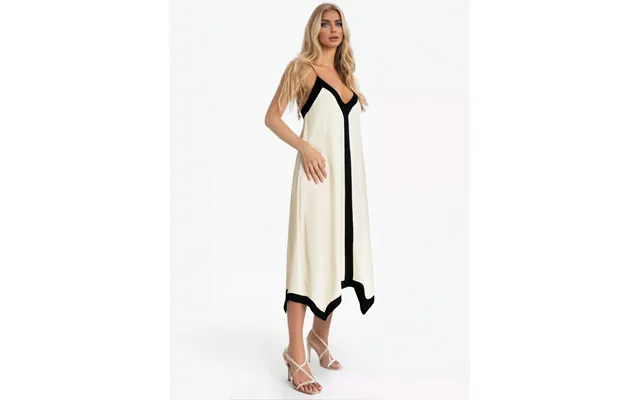
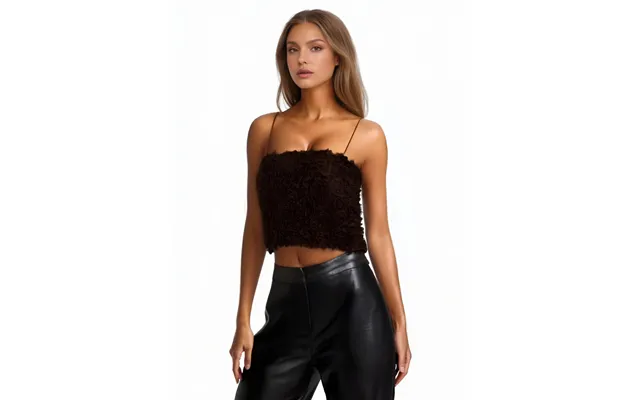
A fashion store’s identity is created through repeated details. The colours used on its website, the tone of its product descriptions, the way clothes are photographed and the kind of outfits it promotes all send a message. Fleurwear’s identity appears to centre on wearable fashion with a polished but relaxed feel.
This balance is useful. If a retailer looks too formal, shoppers may assume that its clothing is difficult to wear or suited only to special occasions. If it looks too casual, the brand may struggle to communicate quality. Fleurwear sits in the middle of those two ideas. Its appeal is likely to be strongest among customers who want items that can work for workdays, weekends, dinners and holidays with only small changes in styling.
That flexibility reflects how people dress now. The boundaries between office clothing, leisurewear and occasionwear have become less strict. A blouse may be worn with tailored trousers one day and denim the next. A relaxed dress can work with trainers in the afternoon and boots in the evening. Retailers that understand this need can make their clothing feel more valuable because each item has several possible uses.
Fleurwear’s visual language also suggests a soft, feminine direction. That does not have to mean delicate or overly decorative. Modern femininity can include bold colour, clean shapes, relaxed fits and practical fabrics. The strongest independent fashion stores know that customers want to feel attractive without sacrificing movement or comfort.
In this sense, Fleurwear can be seen as a confidence-led retailer. It presents fashion as a tool for self-expression, not a strict set of rules. You do not need to copy a complete look. You can choose one piece, pair it with clothing already in your wardrobe and create something that feels like you.
This direct and friendly idea helps smaller brands compete. Customers may remember a store not because it has the largest product range, but because its clothes made them feel understood. That emotional connection is one of the most valuable assets a boutique can build.
The UK fashion market is crowded and highly competitive. Shoppers can choose from department stores, supermarket clothing ranges, high-street chains, online marketplaces, independent boutiques and premium labels. Each type of retailer offers a different promise. Some compete on price, others on speed, brand status, ethical production, design or customer service.
Fleurwear occupies a space closer to the independent online boutique than to the mass-market chain. That position brings both opportunities and risks. A smaller retailer can react quickly, communicate directly and create a strong personality. However, it may not have the purchasing power, delivery network or advertising budget of a major competitor.
Customers often compare more than the garment itself. They look at delivery charges, return policies, size information, payment options, stock levels and reviews. A beautiful dress is not enough if the shopper cannot understand the fit or feels uncertain about returning it. For Fleurwear, clear information and reliable service are therefore just as important as visual style.
It is easy to assume that large retailers will eventually dominate every part of fashion. They have broad recognition, strong logistics and the ability to discount heavily. Yet independent stores continue to attract loyal customers because they provide difference. Their products may feel less predictable, and their presentation can be more carefully edited.
Shopping with an independent retailer can also feel like finding a hidden gem. Instead of seeing the same product everywhere, a customer discovers a piece that feels personal. That sense of discovery has real value. It turns shopping into a conversation between the customer and the brand.
Fleurwear benefits from this wider consumer interest in smaller businesses. Many UK shoppers want to support independent companies, particularly when the service feels warm and the products appear thoughtfully chosen. They may still shop at major chains, but they also look for alternatives when buying something special or building a more individual wardrobe.
To understand Fleurwear properly, it helps to compare it with retailers that occupy nearby parts of the UK market. No two stores are identical, and product ranges can change regularly. The comparison below focuses on broad retail models, customer experience and brand positioning rather than claiming that every item or policy remains the same at all times.
Nobody’s Child is a recognisable UK fashion brand with a strong focus on feminine dresses, modern prints and a more developed sustainability message. Its identity is more established at national level, and it benefits from wider visibility and a larger marketing presence.
Fleurwear may feel more intimate by comparison. A smaller store can offer a more compact selection and a less corporate tone. Nobody’s Child may suit shoppers who want a clearly defined brand with a sizeable online presence, while Fleurwear may appeal to customers who prefer boutique discovery and a more personal atmosphere.
The difference can be compared to choosing between a well-known magazine and a carefully made local newsletter. One gives you a broad, polished view with strong recognition. The other may feel closer, more selective and more surprising.
Oliver Bonas occupies a broad lifestyle position. Alongside women’s clothing, it sells accessories, jewellery, homeware and gifts. Its shops are colourful, distinctive and easy to recognise on the UK high street. The brand is useful for customers who want to build a complete look or buy fashion and lifestyle products in one place.
Fleurwear appears more focused as a fashion destination. That narrower identity can be an advantage for shoppers who want to concentrate on clothing rather than browse a large lifestyle collection. Oliver Bonas offers scale and strong physical retail visibility; Fleurwear’s appeal is more likely to come from its boutique character and selective range.
Price can also vary between products and collections, so shoppers should compare individual items rather than assume that one store is always cheaper. Value includes fit, fabric, versatility, service and how often the garment will be worn.
SilkFred is an online fashion marketplace that brings together products from many independent designers and labels. Its major strength is choice. Customers can browse a wide selection of dresses, tops, trousers, accessories and occasionwear from different sellers.
Fleurwear offers a different experience because its identity is concentrated in one store. A marketplace gives shoppers breadth, but a boutique can give them stronger consistency. If you already like Fleurwear’s visual direction, browsing its products may feel quicker and less overwhelming than searching through a large multi-brand platform.
SilkFred may be especially useful for shoppers comparing several independent labels in one place. Fleurwear may suit those who want a more guided edit, a simpler brand story and a closer relationship with one retailer.
New Look and H&M compete at much greater scale. They offer extensive ranges, frequent product launches and a broad choice of price points. Their high-street presence makes them convenient, while their size helps them respond quickly to popular trends.
Fleurwear cannot compete with those chains on volume. That is not necessarily a weakness. Its opportunity is to offer pieces that feel less mass-produced, a more distinctive shopping journey and a clearer boutique mood. Shoppers who need a low-cost basic may choose a major chain. Someone searching for a special blouse, a holiday outfit or a less familiar style may look to Fleurwear instead.
The comparison highlights a simple truth: the best store depends on the customer’s goal. High-street chains are useful for speed, basics and budget shopping. Independent boutiques are often stronger when the shopper wants personality, curation and a sense of difference.
Fleurwear’s attraction comes from several features working together. The first is visual clarity. Customers want to understand a brand quickly. They need to see what kind of clothing it sells, who might wear it and how the pieces could fit into everyday life.
The second is versatility. UK weather is changeable, and lifestyles are mixed. A wardrobe must handle commutes, weekends, social events and travel. Clothing that can be layered or styled in several ways offers practical value. Fleurwear’s boutique positioning works best when its products feel beautiful but not precious.
The third is discovery. Customers enjoy finding a store that their friends may not know yet. In a world where many people see the same high-street campaigns, a smaller brand can offer freshness. That feeling encourages social sharing and word-of-mouth recommendations.
Social media has changed how UK shoppers find clothing. A customer may not search for a specific retailer at first. They may see an outfit, save an image, visit a profile and then explore the website. This means photographs and styling content can be as important as traditional advertising.
For Fleurwear, social media can act like a digital shop window. It can show garments in motion, demonstrate different fits and answer questions about styling. User-generated content can add another layer of trust because shoppers see how real customers wear the clothes.
However, social media also raises expectations. Customers want quick replies, accurate stock information and honest images. They may ask about sizing in a comment or send a direct message before buying. A friendly answer can win a sale; silence can send the shopper elsewhere.
Trust is central to every online fashion store. Customers cannot touch the fabric or try on the garment before paying. They depend on photographs, measurements, descriptions and reviews. For that reason, Fleurwear’s long-term success will depend not only on attractive collections but also on the accuracy of the shopping information it provides.
Good sizing guidance should explain how an item fits rather than simply list small, medium and large. Is the shape relaxed, fitted, cropped or oversized? Does the material stretch? Would a customer with a fuller bust or longer sleeve preference need to consider another size? Simple details can remove doubt.
Return information must also be easy to locate. No customer wants to search through several pages to understand the process. Clear terms create confidence, even when a shopper is unsure about placing an order. Good service makes the store feel dependable, and dependability is especially important for smaller brands trying to build repeat business.
Price remains important, particularly as UK households manage rising living costs. Yet the cheapest item is not always the best value. A garment worn once is expensive in practical terms, while a slightly higher-priced item worn regularly may offer better value over time.
Fleurwear can strengthen its position by explaining why its products deserve a place in the customer’s wardrobe. Styling suggestions, fabric details and care advice all help. They show shoppers how an item can work beyond one photograph or one season.
This is where independent retailers can compete intelligently. They may not win a price battle with a giant chain, but they can offer relevance, service and a more memorable experience. Value becomes a wider idea: what the customer receives for the money, not just the number on the price tag.
The future of Fleurwear will depend on how well it responds to changing customer expectations. Online shoppers now want convenience, but they also want transparency. They care about delivery speed, packaging, fabric information, returns and the wider impact of their purchases.
Many customers are becoming more selective. They may buy fewer items, research brands more carefully and look for clothing that lasts beyond a single trend. This does not mean fashion has become dull. It means shoppers want creativity with purpose. A successful boutique can meet that demand by combining attractive design with useful information.
Fleurwear also has the chance to deepen its community. Email content, styling guides, customer photographs and behind-the-scenes stories can help shoppers feel involved. A brand does not need to be enormous to be influential. It needs to be consistent and responsive.
One possible growth path is a stronger focus on signature categories. If customers begin to associate Fleurwear with a particular type of dress, print, fit or styling mood, the brand becomes easier to remember. Another opportunity is improved personalisation, such as recommendations based on previous purchases or carefully chosen outfit edits.
Physical events could also support the online business. Pop-up shops, local collaborations and styling appointments allow customers to see products in person while giving the brand a stronger connection to its community. These activities do not need to replace online retail. They can make it feel more human.
There are challenges, of course. Stock planning is difficult for smaller retailers, and a popular item can sell out quickly. Delivery costs, returns and online advertising can also reduce margins. The brands that succeed will be those that remain flexible without losing the personality that made customers notice them in the first place.
Fleurwear represents an important part of the UK fashion landscape: the independent, style-led retailer that sits between a personal boutique and a modern online brand. Its story is less about enormous expansion and more about the changing way people discover and buy clothing.
Compared with high-street chains, Fleurwear offers a more focused and individual feel. Compared with larger online boutiques, it may provide a closer and more consistent brand experience. Compared with established lifestyle retailers, its strength is its fashion-led identity rather than a wide range of home and gift products.
That does not make Fleurwear the right choice for every shopper. Someone seeking the lowest price, a very broad size range or next-day access to hundreds of basics may prefer a major retailer. But for customers who value feminine style, wearable outfits, boutique discovery and a more personal shopping atmosphere, Fleurwear can offer a compelling alternative.
The history of a young or independent store is often still being written. Each collection, customer review, social post and repeat order adds another line to the story. Fleurwear’s future will depend on whether it can keep its identity clear while meeting the practical demands of modern UK shoppers. If it continues to combine attractive fashion with honest information and dependable service, it has a strong reason to remain part of the conversation.