




Gains Nutrition price list
Last updated Saturday, 10 Oct 2026






| Store | Status | today | distance |
|---|
Loading...
Loading...
Last updated Saturday, 10 Oct 2026
Gains Nutrition began as a small idea with a big aim: to make high-quality sports nutrition accessible and straightforward for everyday people. Founded in the mid-2010s in the UK, the brand grew from a passion for fitness and a frustration with complicated supplement choices. The founders wanted a shop where shoppers could walk in, ask simple questions, and walk out with products they understood and could trust. That clarity and directness shaped Gains’ early identity.
The first Gains Nutrition stores and online presence were launched in response to the evolving fitness scene in Britain. Gyms were popping up, home workouts were getting popular, and people needed reliable supplements without the hype. The team behind Gains focused on transparent labeling, effective product lines, and friendly in-store staff. They built credibility by blending science-backed products with practical advice.
Growth at Gains Nutrition was steady rather than explosive. Instead of chasing quick expansion, they invested in local communities. Think sponsorships of amateur sports teams, local nutrition seminars, and real conversations with customers. That grassroots approach fostered loyalty. Regular customers weren’t just buyers; they became advocates. That word-of-mouth helped the brand gain traction across several UK cities.
Gains Nutrition made a habit of showing up where people train. Whether it was local CrossFit boxes or university gyms, their staff and ambassadors built relationships. This wasn’t about flashy advertising. It felt human. People liked that. They trusted staff who trained and lived the lifestyle they were selling. That trust turned into repeat business and steady growth.
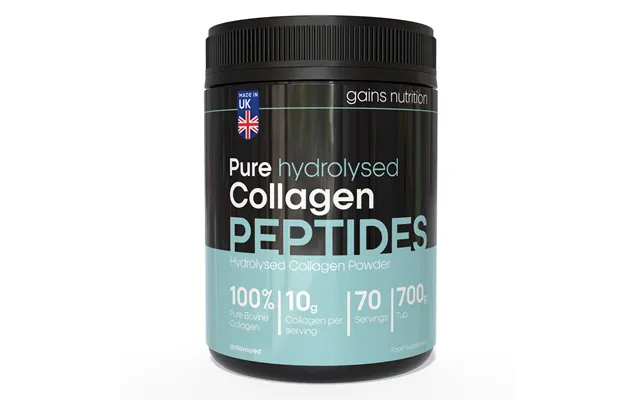
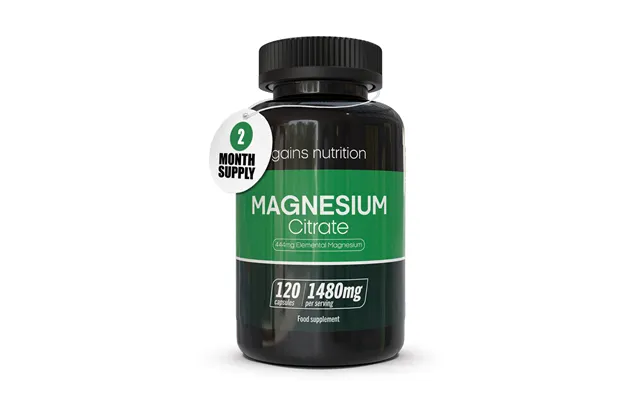
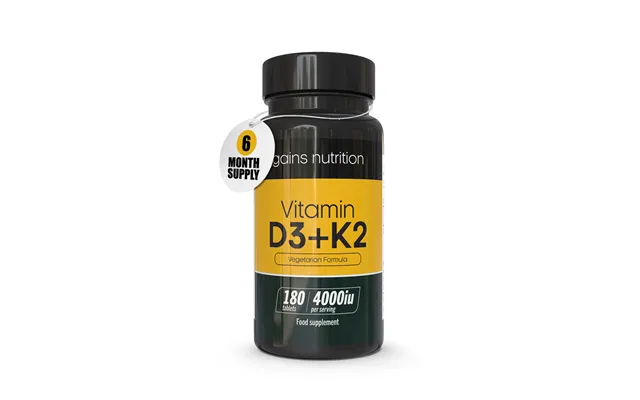
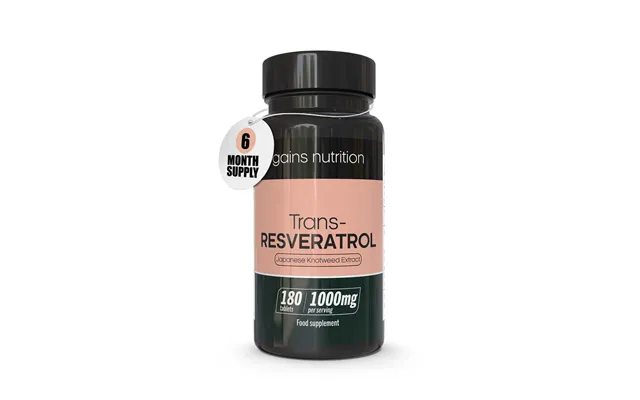
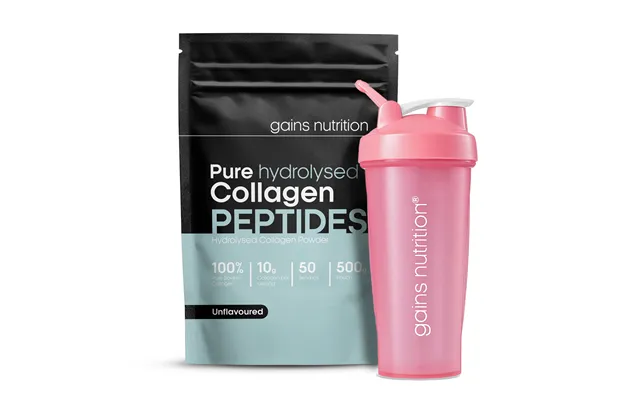
Gains Nutrition developed a product line focused on essentials: whey proteins, creatine, pre-workouts, vitamins, and snacks. Over time, they introduced private-label products tailored to the UK market. Private labels let them control quality and price. They could offer clean, value-driven products that stood up against big names. These items became the backbone of their in-store offers and online catalogues.
They invested in transparent sourcing. Ingredients lists were readable. No hidden proprietary blends meant customers knew what they were getting. That transparency appealed to shoppers tired of exaggerated claims. Gains balanced affordability with quality. Not every product was premium-priced, but many were formulated to deliver results at a realistic cost.
Recognising the importance of e-commerce, Gains Nutrition ramped up its online platform. The website was designed for easy browsing, quick answers, and fast deliveries. They added customer reviews and product guides to help new buyers. Meanwhile, physical stores remained important. In-store experiences gave customers a place to try, ask, and learn. This dual approach—digital convenience plus physical presence—helped them compete in a crowded marketplace.
Gains’ omnichannel strategy meant online promotions matched in-store deals. Click-and-collect options, local stock visibility, and responsive social media support improved customer satisfaction. The brand learned to use data from online sales to stock the right products in the right stores. That reduced waste and kept shoppers happy.
Marketing for Gains Nutrition was intentionally simple. Their voice was direct, real, and slightly cheeky at times. Instead of lofty promises, they talked about real workouts, realistic goals, and real results. Social media featured user transformations, basic nutrition tips, and short, punchy content that people could digest between sets. Customer service aimed to be quick and human. Real staff answered questions rather than automated scripts. That human touch kept customers returning.
One of the brand’s strengths is how it handled misinformation. Gains frequently published clear product breakdowns and practical advice. They didn’t chase every fitness trend; instead, they stuck to what was proven. This steady, honest approach built credibility with both beginners and seasoned gym-goers.
Like any growing business, Gains Nutrition faced bumps. Supply chain issues, regulatory changes around supplements, and intense competition forced strategic shifts. The COVID-19 pandemic both challenged and helped the business. Lockdowns hit physical stores, but online demand for health products climbed. Gains adapted, improving logistics and upping their digital marketing. They survived by staying flexible and listening to customers.
The supplement industry can be confusing. New regulations and testing requirements meant Gains had to invest in quality assurance. They tightened supplier relationships and increased lab testing for certain product lines. These moves cost money up front but paid off in customer trust and fewer returns.
Gains Nutrition sits in a competitive landscape. Let’s compare it to the major players: Holland & Barrett, Myprotein (The Hut Group), Bulk (formerly Bulk Powders), and local independent stores. Each has strengths and weaknesses. Understanding these differences helps shoppers pick the right store for their needs.
Holland & Barrett is a long-established health retailer with a huge national footprint and a broad product range, including herbal remedies and vegan options. They’re trusted and ubiquitous. Gains Nutrition, however, focuses more narrowly on sports nutrition and performance. While Holland & Barrett offers variety and brand recognition, Gains offers more specialist sports guidance, clearer labeling for athletes, and often better prices on core supplements. If you want sports-specific advice and affordable protein powders, Gains usually has the edge. If you need a broad range of wellness products or supplements for general health conditions, Holland & Barrett may be the safer bet.
Myprotein is an online giant with huge selection and competitive pricing, especially for powders and bulk buys. Their R&D capabilities and frequent sales are hard to beat. Gains competes by offering in-store experiences and personalised service. For immediate needs, hands-on advice, and trying samples, Gains wins. For deep discounts and a massive selection—especially for niche flavours and formats—Myprotein often leads. Both are solid; your choice depends on whether you value physical interaction or wide online choice.
Bulk focuses on clean sports nutrition and professional-grade products. They target serious athletes and those who want minimal ingredient lists. Gains overlaps with Bulk in transparency and clean formulations. Gains typically appeals more to the everyday gym-goer, with friendlier pricing and simpler choices. Bulk might edge ahead in specialist products for performance athletes. Gains shines for straightforward shopping and local accessibility.
Local independent supplement shops are often tiny, highly personalised, and community-rooted—just like Gains in its early days. The key difference is scale. Local indies may offer unique local relationships and highly tailored advice but lack the supply chain or product range of Gains. Gains balances personal service with more consistent stock and often better online ordering options. If you want boutique service and niche items, a local indie might be your pick. If you want a broader product choice with friendly staff and reliable availability, Gains is practical.
Gains Nutrition positions itself as a value-focused brand. They don’t always have the rock-bottom prices of huge online-only players during big sales, but they offer consistent deals and loyalty programs that reward repeat shoppers. Members get discounts, early access to new products, and occasional bundled offers. For frequent buyers, these perks quickly add up.
Expect Gains to sit in the middle of the pack. Myprotein and Bulk often undercut them on bulk orders and flash sales. Holland & Barrett sometimes prices higher on sports powders but has broad high-street visibility. Gains’ sweet spot is consistent, fair pricing combined with quality control and local customer service. That balance appeals to people who want dependable value rather than chasing every sale.
Walking into a Gains Nutrition store is meant to feel like stepping into a friendly, slightly energetic spot. Bright shelves. Clean labels. Staff who train and can talk through options without judgment. Online, the site keeps that same tone: straightforward, helpful, and easy to navigate. Gains deliberately avoids overwhelming customers with endless SKU choices. They curate.
Too many choices can freeze shoppers. Gains’ curated shelf helps typical customers decide faster. It reduces buyer’s remorse. Curation also lets the brand highlight the products they believe in. That guidance builds trust and reduces returns.
The supplement industry is under pressure to improve sustainability—from packaging to ingredient sourcing. Gains has started making changes: recyclable packaging, clearer supplier ethics, and reduced plastic where possible. It’s a work in progress. Compared to larger players with bigger budgets for green initiatives, Gains is still catching up. But they show intent, and customers notice that effort.
Future growth might include more clean-label ranges, sustainable packaging, and partnerships with fitness tech brands. Continued investment in online education—think video guides and personalised plans—would broaden appeal. Expanding into targeted nutrition for seniors or clinical-backed lines could also diversify their market.
Gains Nutrition doesn’t try to be everything to everyone. It plays a focused game: clear sports nutrition, friendly local service, and sensible pricing. That focus helps it stand out among massive generalists and pure-play online giants. If you want quick answers, practical products, and a human touch, Gains is a solid choice. If you need the widest selection or the absolute lowest price on bulk powders, other players might fit better.
The brand’s story is one of steady growth, community focus, and a pragmatic approach to product quality. They’ve navigated industry challenges and carved out a niche that resonates with the everyday athlete. That resonance will be their most important asset moving forward.