


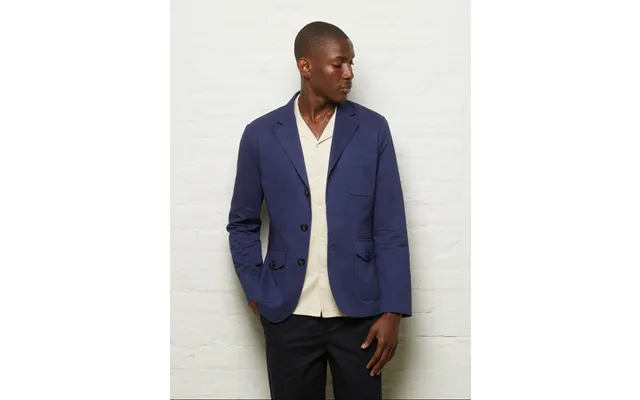





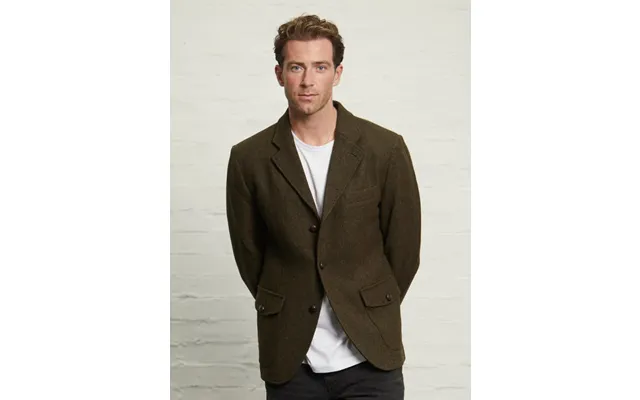

Guards London price list
Last updated Monday, 19 Oct 2026






| Store | Status | today | distance |
|---|
Loading...
Loading...
Last updated Monday, 19 Oct 2026
Guards London has built a name around a simple but powerful idea: clothing should feel personal, confident and connected to the city around it. In a UK retail market filled with large chains, online marketplaces and fast-moving fashion trends, the store offers a more focused alternative. It speaks to shoppers who want distinctive pieces, careful styling and a stronger sense of identity.
The story of Guards London is closely linked to London itself. The capital has always been a meeting point for music, art, street culture, tailoring and youth movements. Its fashion scene changes quickly, yet it also respects quality and tradition. Guards London sits somewhere in that mix. It draws energy from the street while presenting a more considered shopping experience.
For customers, the appeal is not only about buying a jacket, pair of trousers or accessory. It is about finding products that fit a certain mood. The store’s name suggests strength, confidence and protection, but its retail character is more welcoming than formal. That contrast helps explain why the brand has attracted attention among shoppers looking beyond ordinary high-street fashion.
The publicly available history of Guards London is not as widely documented as the story of major British retailers such as Selfridges, END. or JD Sports. That is important to recognise. Smaller independent stores often grow through local reputation, social media, private networks and customer recommendations rather than through large press campaigns. Their history is felt in the community before it appears in business profiles.
Guards London emerged within this independent retail culture. Rather than trying to appeal to every shopper, the store appears to focus on a defined customer who values modern style, strong visual presentation and products with character. This focused approach can be a major advantage. A large department store may offer thousands of items, but a specialist store can make the selection feel more relevant.
In London, that relevance matters. Customers are exposed to fashion from across the world, yet they still look for something that feels local. A store with a London identity can use the city as more than a location. It can use London as a design language: practical, sharp, layered and slightly unpredictable.
London fashion rarely follows one straight path. It includes classic tailoring from Mayfair, sportswear from West London, punk history from King’s Road, grime-inspired style, vintage markets and luxury streetwear. Guards London benefits from this rich background because the city gives the store a deep cultural reference point.
A London-based name also creates an immediate emotional connection. Buyers may imagine wet pavements, late trains, crowded streets and the quiet confidence of someone who knows exactly what they want to wear. That image can be more persuasive than a long product description. It turns a shop into a scene.
Still, a London label must do more than borrow the city’s reputation. Shoppers today are careful. They want reliable service, clear product information, good quality and a smooth online experience. A strong identity may attract a customer once, but trust is what brings that person back.
Independent fashion stores often develop in stages. First comes the idea: create a sharper alternative to ordinary retail. Then comes the curation process, where the owner or buying team decides what fits the store’s world. Finally, the brand grows through customer response. Each sale, message, review and social media post helps shape the next chapter.
Guards London’s retail character appears to be built around curation rather than endless choice. That difference is easy to miss, but it changes how people shop. When a store carries fewer, more focused products, each item has to earn its place. Customers can browse without feeling buried under dozens of similar options.
This approach also supports a stronger visual identity. Store photography, packaging, product styling and social media content can all tell the same story. When those details work together, the customer experiences one complete world rather than a random collection of products.
The rise of online shopping has changed the way independent stores grow. A physical shop may serve a local audience, but a well-managed website can introduce the brand to customers throughout the UK and beyond. Social media adds another layer. A customer might discover Guards London through an outfit photograph, a product video or a recommendation from a friend.
Digital discovery is especially useful for fashion retailers with a distinctive point of view. The customer does not need to search for a generic black jacket. Instead, the customer finds a store whose entire presentation already feels appealing. That is a major shift from traditional retail advertising.
Yet online growth brings pressure. Product images need to be accurate. Sizing information must be clear. Delivery and return policies should be easy to understand. Independent retailers cannot always match the logistics of huge online platforms, but they can compete through personality, service and trust.
Guards London appeals to shoppers who want clothing with presence. The style can be understood as modern urban fashion, where comfort and visual impact work together. This may include relaxed shapes, strong outerwear, everyday separates, graphic details and accessories that complete an outfit without making it look overworked.
The best independent stores understand that customers do not buy categories; they buy possibilities. A customer sees a coat and imagines a winter commute. They see a sweatshirt and picture a weekend with friends. They see a pair of trainers and imagine how the shoes will work with everything already in the wardrobe.
That is where styling becomes important. Guards London’s role is not simply to display products. It is to show how pieces can live together. A practical jacket may work with denim, tailored trousers or loose-fit cargos. A simple top may become more expressive when combined with a statement accessory. Good retail leaves room for the shopper’s own personality.
Many shoppers now question the logic of buying large amounts of inexpensive clothing. They want fewer pieces that last longer, feel better and offer more versatility. This change has created opportunities for specialist retailers. A carefully selected product can seem more valuable than an item designed only to chase a short trend.
Scarcity can also create interest. Limited availability, seasonal drops and small collections give customers a reason to pay attention. However, scarcity works only when it feels genuine. If every item is described as rare, the message quickly loses power. The strongest stores balance excitement with honesty.
For Guards London, the challenge is to keep its selection fresh without losing its identity. A store can evolve, but it should not become unrecognisable. Customers return because they know what kind of feeling they will find there, even when the products change.
Guards London operates in a crowded market. The UK has a wide range of retailers serving customers interested in streetwear, contemporary fashion, sneakers and premium casual clothing. Comparing these businesses helps show where Guards London fits and why its approach may appeal to a particular shopper.
END. is one of the most recognised names in UK contemporary and streetwear retail. It offers a broad range of international brands, sneakers, clothing and accessories. Its strengths include scale, large product releases, global reach and a highly developed online platform.
Guards London is more intimate by comparison. A smaller retailer may not offer the same volume or number of major collaborations, but it can provide a more concentrated point of view. The customer may feel that the selection has been edited by people with a clear understanding of the store’s audience.
Choose END. if you want maximum choice, major launches and access to global labels. Choose Guards London if you prefer a more personal environment and a tighter fashion direction. One feels like a large digital fashion destination; the other feels closer to a specialist boutique.
Goodhood has long been associated with independent fashion, design and a carefully considered London aesthetic. Its appeal comes from strong curation, contemporary labels and a lifestyle-led shopping experience. It attracts customers who care about the wider culture surrounding clothing.
Guards London shares that interest in curation, but its tone may feel more direct and urban. Goodhood often presents fashion through design, interiors and wider lifestyle ideas. Guards London can compete by making its identity more immediate: sharper product choices, bolder styling and a clear connection with modern street culture.
The difference is subtle rather than absolute. Both stores understand that retail is about atmosphere. Both aim to make customers feel part of something. The choice comes down to personal taste and the kind of wardrobe a shopper wants to build.
Footpatrol is strongly linked with sneaker culture and streetwear. It has a loyal audience, a recognisable identity and a history connected to sought-after footwear releases. For customers who follow trainers closely, Footpatrol offers specialist knowledge and excitement around launches.
Guards London may appeal more to customers who want a complete look rather than a sneaker-focused purchase. Clothing, accessories and styling can carry more weight in the shopping experience. In simple terms, Footpatrol is a natural destination for sneaker enthusiasts, while Guards London can serve the wider outfit.
That does not mean the two audiences are entirely separate. Many fashion-conscious shoppers move between specialist stores. They may buy trainers from one retailer, outerwear from another and accessories from a smaller independent shop. The modern customer is comfortable mixing sources.
JD Sports is one of the UK’s biggest sports-fashion retailers. Its advantages are obvious: extensive store coverage, strong brand recognition, broad product availability and access to major sportswear names. It is convenient and familiar to millions of shoppers.
Guards London competes on a different level. It cannot match JD Sports for national reach, but it can offer a more selective and distinctive experience. The products may feel less mass-market, and the store’s presentation can create a stronger sense of discovery.
JD Sports suits customers who want popular sportswear quickly and easily. Guards London suits those who want to explore a more individual direction. Neither model is automatically better. They solve different shopping problems.
Independent retail offers something large chains often struggle to provide: a visible human point of view. When you shop with a smaller store, you may notice that the selection has a reason behind it. The products are not simply there because an algorithm predicts demand. They are there because someone believes they belong.
This can make the experience more enjoyable. Shopping becomes less like searching a warehouse and more like entering a conversation. You discover a brand, ask a question, compare ideas and perhaps leave with something you would not have found elsewhere.
Independent retailers also tend to feel closer to their communities. Their customers may share local references, music tastes, creative interests or a love of London style. That community does not need to be formal. It can grow through repeated visits, online interaction and word of mouth.
Good service is one of the clearest ways a smaller store can compete with a giant retailer. Fast replies, honest sizing advice, careful packaging and sensible returns can turn a first-time buyer into a regular customer. People remember how a store made them feel, especially when something goes wrong.
Trust is even more important online. Before placing an order, shoppers often look for signs that a retailer is genuine and dependable. Clear contact details, accurate stock information, secure payment options and transparent policies all matter. A stylish website is helpful, but reliability closes the sale.
Guards London’s future success will depend partly on maintaining this balance. The store needs to protect its personality while making the buying process simple. Customers want individuality, but they also expect modern convenience.
The UK fashion market is changing quickly. Customers are more aware of sustainability, pricing and the impact of overproduction. At the same time, they still want novelty. They want clothing that feels current, but they do not want to waste money on pieces that lose their appeal after a few weeks.
This creates a useful opening for stores with a strong identity. Guards London can position itself as a guide rather than just a seller. It can help customers understand why a product matters, how it fits into a wardrobe and what makes it different from a cheaper alternative.
Content will likely become even more important. Styling advice, interviews, behind-the-scenes buying stories and local creative partnerships can give the store greater depth. These ideas help customers see the people and thought behind the products.
There is also room for carefully chosen events. A launch, pop-up, exhibition or collaboration can bring the online audience into a physical space. London has no shortage of artists, designers, musicians and makers. Working with the right partners could help Guards London strengthen its cultural role.
Growth can be exciting, but it can also create risk. If a specialist store expands too quickly, its selection may become less focused. If it follows every trend, its original character may fade. If it competes only on price, it enters a battle that larger retailers usually win.
The strongest path is likely controlled growth. Guards London should keep its London connection, protect its sense of selection and listen closely to customers. The store does not need to become the biggest name in the UK. It needs to remain memorable to the right people.
That is a valuable lesson for modern retail. Size attracts attention, but relevance creates loyalty. A smaller store with a clear voice can stay in a customer’s mind long after a huge website has been forgotten.
Guards London represents a part of British retail that is easy to overlook but important to the wider fashion scene. It shows how a store can build interest through a clear identity, a focused product mix and a connection with its city. It does not need to copy the biggest names. Its strength comes from offering another route.
For shoppers, that route may feel more personal. You can browse with fewer distractions, discover brands outside the mainstream and build outfits that feel less predictable. For the market, Guards London adds variety. It reminds customers that fashion is not only about scale, speed or celebrity. It is also about taste.
Its history is still developing, and that may be part of the attraction. Unlike a century-old department store with a fixed public story, an independent retailer can change in front of its audience. Every collection, customer and collaboration adds another layer. The next chapter will depend on how well Guards London combines its London roots with the expectations of a digital-first UK shopper.
Guards London stands apart by offering a curated, city-led alternative to mass retail. Compared with END., Goodhood, Footpatrol and JD Sports, it may not compete through sheer size or product volume. Instead, it can compete through personality, discovery and a closer relationship with its audience. In a market where shoppers increasingly want meaning as well as merchandise, that difference could become its greatest strength.