

Seep price list
Last updated Sunday, 20 Sept 2026




| Store | Status | today | distance |
|---|
Loading...
Loading...
Last updated Sunday, 20 Sept 2026
Seep has quietly become a familiar name on the UK retail scene. You might pass a store on a high street or spot its logo online and not give it a second thought. But Seep’s story is more than a logo; it is a tale of clever positioning, adapting to shifting customer habits, and carving a niche in a crowded market. This article walks you through Seep’s past, how it evolved, and how it stacks up against similar UK retailers. Expect clarity, comparisons, and practical takeaways.
Seep began as a small family venture in the early 2000s. The founders wanted a store that mixed convenience with quality — a middle ground between big supermarkets and tiny local shops. Their idea was simple: stock useful household items, affordable electronics, and seasonal goods with friendly service. Simple ideas often work best, and Seep tapped into everyday needs rather than chasing fads.
The first successful store allowed the founders to open a few more outlets across a region. Expansion was cautious at first. They chose locations with steady footfall — near train stations, town centres, and growing suburbs. Word-of-mouth helped; locals appreciated the clear pricing and predictable stock. Soon Seep moved from a single storefront to a regional chain with a recognizable local brand.
The 2010s tested many UK retailers. Online shopping grew, costs rose, and customer attention shortened. Seep responded by improving two things: store layout and online presence. Stores got brighter, shelving became clearer, and staff focused on fast, helpful service. Online, Seep launched a basic e-commerce platform and used social media to showcase deals. It wasn’t flashy, but it worked.
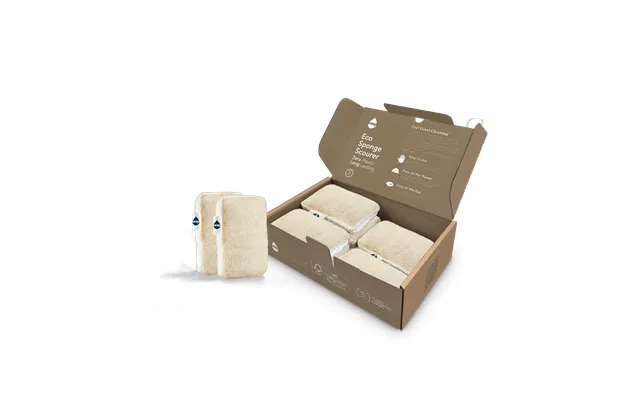
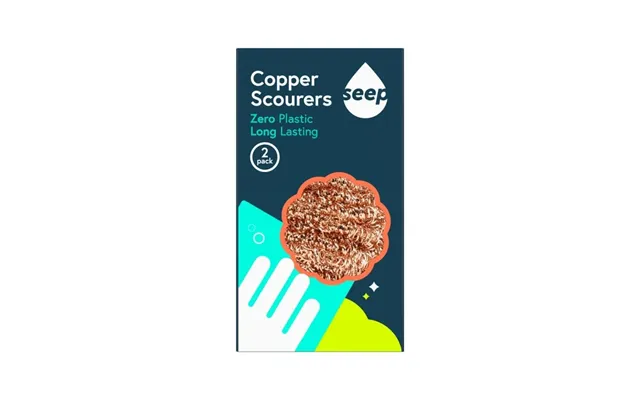
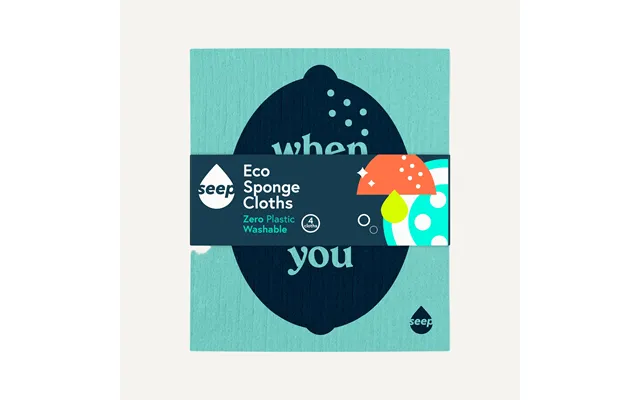
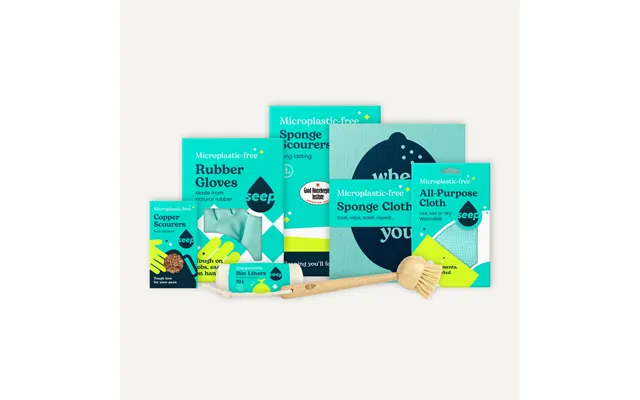
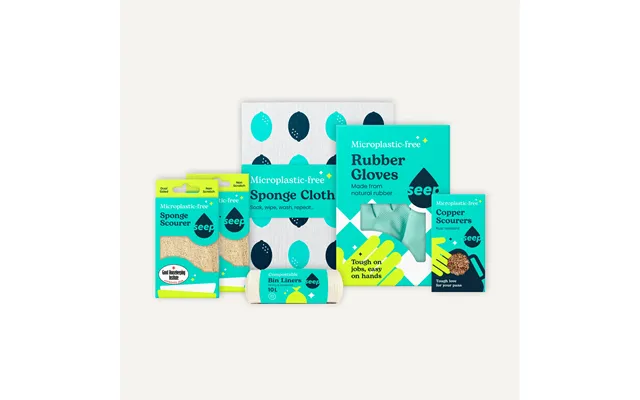
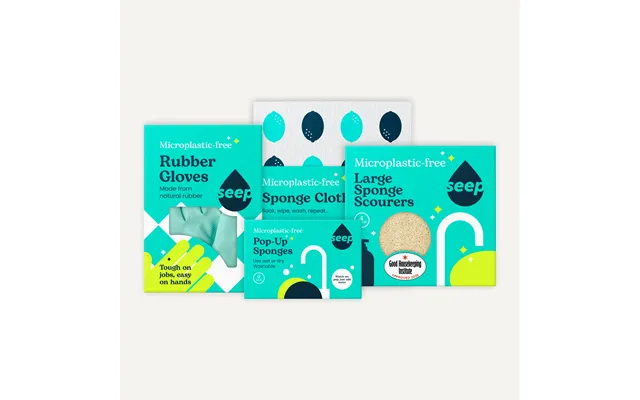
To boost margins and stand out, Seep introduced private-label lines. These were simple, well-packaged products — cleaning supplies, kitchen basics, and seasonal items — that matched the quality customers expected but at lower prices. Private labels also helped Seep manage supply chain pressures and offer exclusive options you wouldn’t find in every rival store.
Seep’s model is straightforward: deliver value. They balance staples (like toiletries and cleaning products) with impulse buys (gadgets, snacks, seasonal decorations). The idea is to be the go-to spot for quick trips and last-minute needs. Margins are tighter than specialty shops, but volume and repeat customers keep things profitable.
Seep invests in friendly service. Staff are trained to be efficient, not salesy. That makes shopping quick and pleasant. Many regulars mention the friendly cashier or the helpful assistant who points them to items fast. That human touch matters, especially as online shopping lacks that immediate human interaction.
Seep didn’t rush into flashy tech, but it did introduce click-and-collect and basic home delivery. This hybrid approach let them reach customers who wanted convenience without huge logistics expenses. Click-and-collect also brought people into stores, often leading to additional purchases — a smart way to blend digital and physical channels.
Instead of national ad splashes, Seep focused on hyper-local marketing. Store managers ran local social pages, posted weekly deals, and engaged with community events. This grassroots strategy built loyalty where it matters: in local neighborhoods. Small budgets, when used smartly, can beat big ad campaigns in local retail.
Seep frequently partners with local charities, school fairs, and community centres. These partnerships are genuine and practical — donation drives, discounted supplies for local events, and sponsorship of small projects. That local involvement builds goodwill and a stable customer base that sees Seep as part of the community fabric.
Many of Seep’s employees come from nearby areas. The chain has training schemes focused on entry-level retail skills. That creates loyal staff and reduces turnover costs. Staff who understand the local area also serve customers better — they know what stock will sell and how to handle local busy periods.
Argos is known for catalogue shopping and wide product ranges, particularly electronics and home goods. Seep’s edge over Argos is neighborhood convenience and a friendlier, quicker in-store experience. Argos offers broader selection and national scale; Seep offers speed, local stock, and a simpler shopping trip. If you need a big-ticket item, Argos wins. For a quick kitchen gadget or household staple, Seep often wins.
B&M and Home Bargains are discount heavyweights. They drive footfall with rock-bottom prices and big stores. Seep competes by being more curated and convenient. It won’t always match B&M on price for clearance goods, but it provides a cleaner layout and faster checkout. Consumers choose B&M when hunting bargains and Seep when seeking convenience and quick trips.
Wilko historically focused on homewares, DIY, and garden items, much like Seep’s product mix. Where Wilko had size and range, Seep offers fresher merchandising and a more community-led approach. After Wilko’s financial struggles in the late 2010s and early 2020s, Seep picked up customers who wanted similar products but preferred a smaller, friendlier store format.
Poundland trades mainly on ultra-low price points and simple offerings. Seep’s strategy is to provide slightly better quality and a wider product mix while remaining affordable. Poundland attracts value hunters and impulse buyers; Seep targets shoppers who want reasonable quality without hunting for bargains aisle after aisle.
Seep stores are usually in walkable locations. That convenience is gold. Shoppers value small trips where they can grab essentials without navigating a huge supermarket. Seep’s format matches the rhythm of daily life, and that regular footfall is a steady revenue source.
Because Seep focuses on commonly needed items, turnover is fast. Fast turnover reduces stock waste and keeps stores looking fresh. Managers can quickly respond to trends — a sudden demand for a kitchen gadget, seasonal decor, or budget tech. That agility matters in retail.
Seep lacks the buying power of big national chains. This limits bulk discounts and negotiating leverage with suppliers. As a result, some items cost more in Seep than in national discounters. To counter this, Seep leans on private labels and supplier relationships to keep prices competitive.
Seep’s digital presence is solid but not cutting edge. They offer click-and-collect and basic home delivery, but advanced personalization, sophisticated apps, or extremely streamlined logistics are areas for improvement. Investing in these could bring more online sales and customer loyalty.
Seep has started simple sustainability measures: energy-efficient lighting, reduced plastic bags, and sourcing some products from ethical suppliers. This is not headline-grabbing, but it’s practical. Customers notice small, genuine steps — a bag option at checkout or clear labeling of recycled products.
Seep can do more: improve supply chain transparency, reduce packaging, and expand recycled product lines. These moves will cost money initially but pay off in customer trust and reduced waste. Sustainability is a competitive edge if it’s authentic.
Seep’s most realistic path is modest expansion — more stores in similar demographic areas and deeper local partnerships. Collaborations with local producers and small brands could strengthen unique product ranges. Those partnerships create differentiation without massive capital investment.
To grow, Seep should refine its digital presence. A simple app with a loyalty program, personalized deals, and timely notifications would keep customers returning. Small shops benefit hugely from loyalty systems because repeat visits drive margins more than one-off big sales.
Shoppers praise Seep for quick service, clear pricing, and staff who help. Many mention the convenience of being able to “pop in” and leave with exactly what they need. That straightforward praise is central to Seep’s brand.
Criticisms usually focus on price against big discounters and occasional out-of-stock items. Some shoppers want a wider range or deeper discounts on big-ticket items. These are fair points and areas Seep can address with targeted strategies.
Seep’s story is one of steady, local-focused growth. It didn’t explode overnight, and it doesn’t pretend to be everything. Instead, it offers an honest promise: quick, useful, friendly shopping. That might sound simple, but in a world of complicated choices, simplicity sells.
If you’re a customer, Seep is a practical stop for daily needs. If you’re a retail watcher, its model shows how local presence, sensible online integration, and community ties can sustain a mid-sized retailer. Seep isn’t the cheapest, nor the largest. It’s the reliable neighbour in a crowded retail street.