

Spiral Direct price list
Last updated Sunday, 27 Sept 2026





| Store | Status | today | distance |
|---|
Loading...
Loading...
Last updated Sunday, 27 Sept 2026
Spiral Direct started small, like many memorable brands. In the late 1980s and early 1990s, a handful of designers in the UK wanted to make bold, graphic tees and alternative clothing that didn’t follow the mainstream. They loved heavy metal art, gothic imagery, fantasy and horror. They mixed those passions with screen-printing skills and a stubborn DIY attitude. The result was Spiral Direct: a brand that felt raw, creative and very British.
At first, Spiral Direct ran as a niche operation. Designs were sketched late at night and then printed in small batches. Word-of-mouth was the engine. Fans discovered their unusual prints at gigs, independent shops, and through early mail-order catalogues. Slowly, the brand built a reputation for strong artwork, durable printing, and a clear alternative vibe. That’s how bedroom ideas turned into a recognisable label across the UK and beyond.
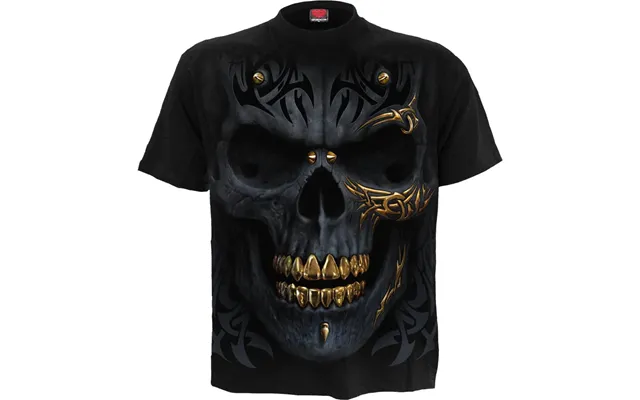
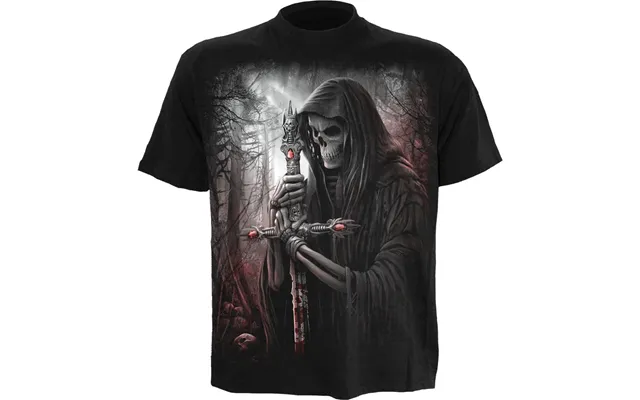
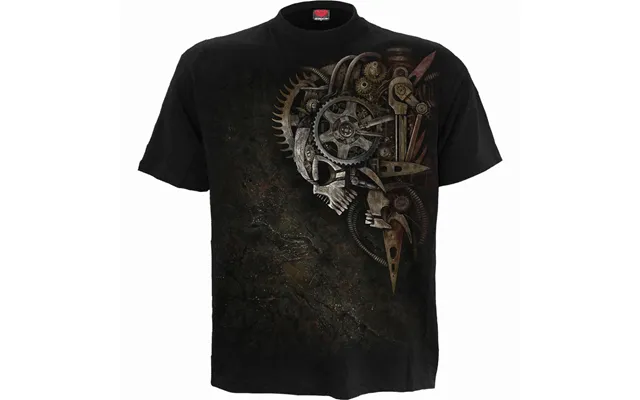
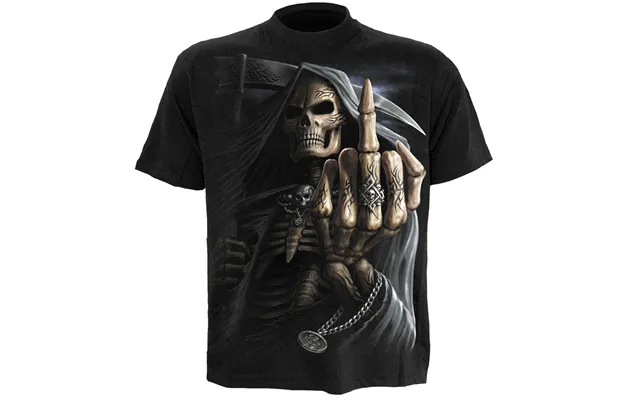
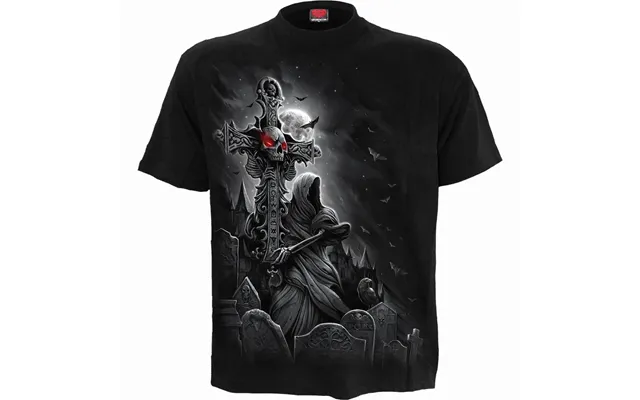
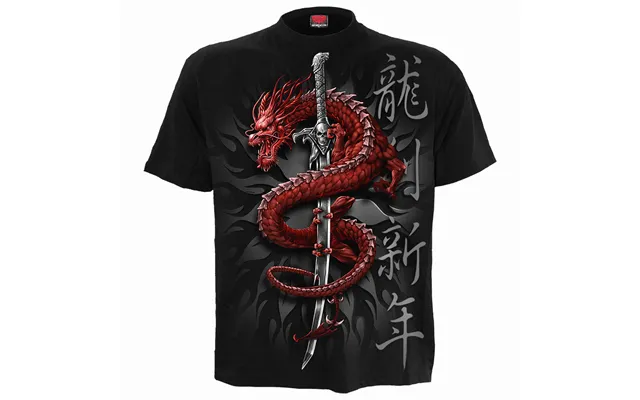
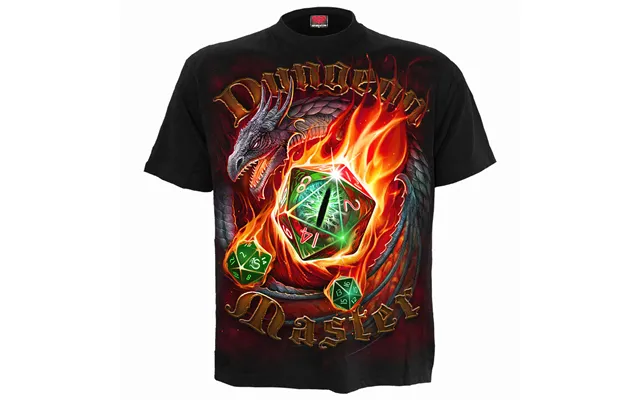
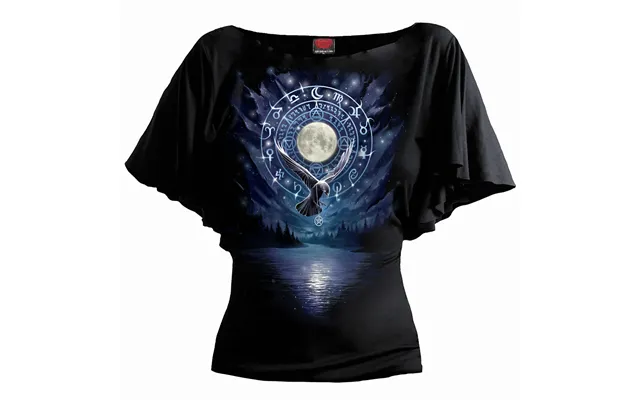
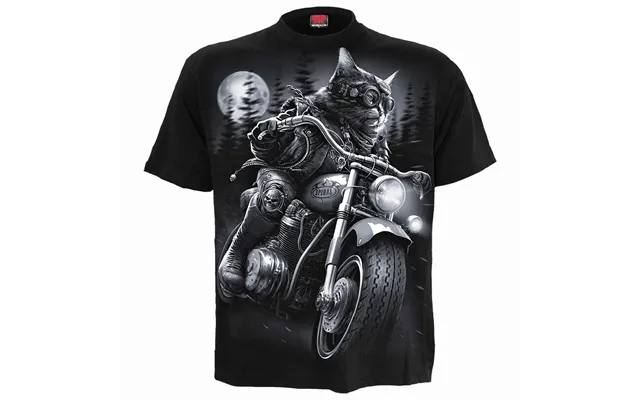
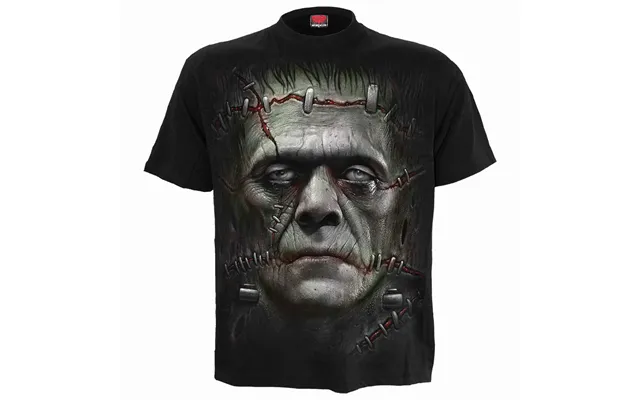
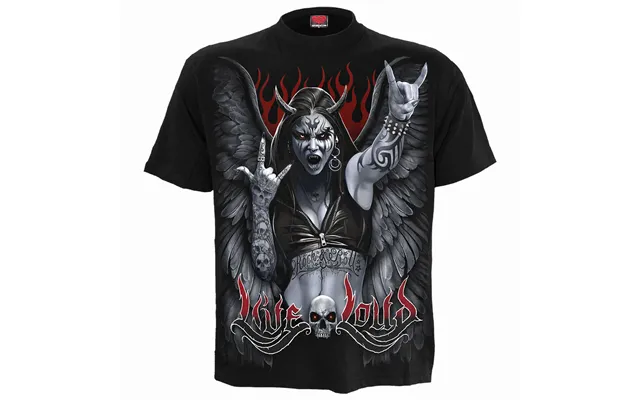
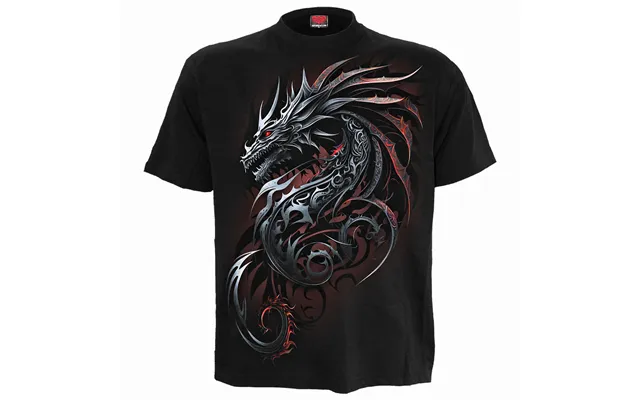
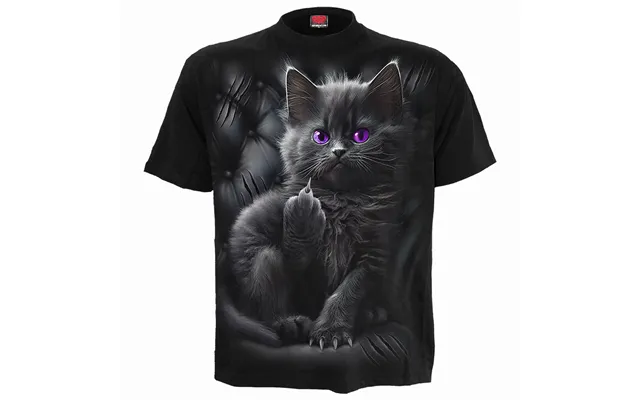
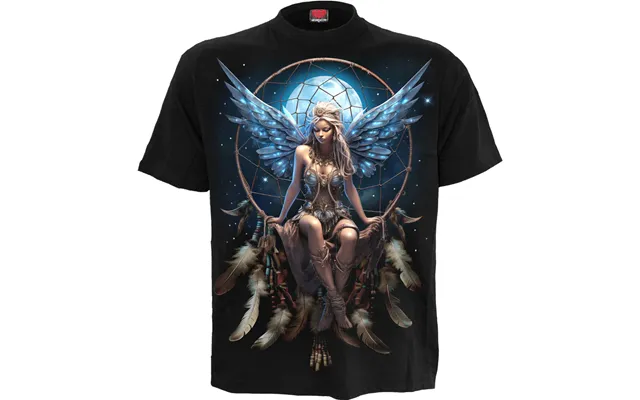
Spiral Direct put art front and center. Their shirts often feature detailed illustrations—skulls, warriors, dragons, and mythic scenes—paired with clever textual elements. The art isn't just decorative; it tells stories. The brand taps into subcultures like metal, goth, and fantasy. That’s part of what makes Spiral Direct feel authentic. The designs speak to fans instead of trying to grab attention with empty slogans.
One big reason Spiral Direct stands out is their printing. They leaned heavily into screen printing early on, which gives designs depth and durability. This matters. A cheap digital print fades and cracks. A well-done screen print lasts. Fans notice that difference. They wash their shirts and the image holds. For a brand tied to music and lifestyle—often worn at festivals and gigs—this reliability builds trust.
Sure, Spiral Direct became famous for t-shirts. But they didn’t stop there. Over time they expanded into hoodies, jackets, leggings, accessories and even homeware. They created seasonal collections that mix new artwork with classic motifs. This keeps long-time fans engaged while pulling in new customers who might want something other than a tee.
Limited runs and niche collections are part of the brand’s DNA. Whether a heavy metal collab or a fantasy-themed line, Spiral Direct often releases items in smaller quantities. That drives desirability. Fans feel like they own something unique. Collectors enjoy hunting down older prints. This strategy also helps the brand stay flexible and experimental without overextending risk.
Spiral Direct grew steadily. Early success in the UK led to wider distribution. They began shipping internationally, tapping into global metal, goth and alternative communities. Online shopping amplified this reach. Independent record stores, alternative boutiques and festival stalls helped, too. The brand’s image—dark, detailed, unapologetic—translated across borders.
When e-commerce became essential, Spiral Direct adapted. They invested in a user-friendly website and improved international shipping. Social media became a tool for showcasing art and engaging with fans. They also listened to customer feedback, tweaking fits, and adding sizes. This adaptability kept them relevant in a fast-moving retail environment.
Fans often praise Spiral Direct for quality. Heavyweight fabrics. Solid seams. Prints that survive repeated washes. That focus on quality is not an accident; it’s a decision the company made early on, to stand out from cheap, throwaway fashion.
In recent years, Spiral Direct has taken steps to be more ethical. They began using fairer manufacturing sources, improved packaging, and offered some organic or responsibly-sourced items. It’s not perfect. But the company moved in the right direction. For many buyers in the alternative scene, that gesture matters. It aligns the brand with values like authenticity and respect for workers.
What truly defines Spiral Direct is its community. Fans are loyal. They come from metal shows, goth nights, fantasy conventions, and online forums. These customers are passionate. They want unique artwork. They value quality. They also enjoy being part of a subculture. Spiral Direct supports that by releasing designs that reference music, mythology and counterculture themes.
Collaborations with bands and artists helped fuel the brand’s growth. Limited edition band shirts and artist collabs brought in new audiences. Appearances at festivals and stalls at conventions helped the brand meet customers face-to-face. That mix of online convenience and in-person presence strengthened community bonds.
The UK alternative market has several players. To understand where Spiral Direct sits, let’s compare it to notable competitors: EMP (formerly UK-based EMP/ Mymusicshop), Killstar, Rockabilia, TruffleShuffle and smaller indie labels. Each has strengths. Spiral Direct’s niche is clear: heavy, detailed graphics and durable clothing aimed at metal, gothic and fantasy fans.
EMP operates on a broad scale. They sell band merch, licensed pop culture items, and mainstream alternative fashion. EMP’s advantage is variety and official licences. They carry many brands under one roof. Spiral Direct, by contrast, stays more focused on original artwork and subcultural authenticity. If you want a one-stop shop for a wide spectrum, EMP is handy. If you want shirt art with personality and a tight brand identity, Spiral Direct often wins.
Killstar leans heavily into gothic, occult and trendy alternative fashion. They offer sleek, fashion-forward designs—dresses, boots, accessories—often with a refined style. Spiral Direct is rougher around the edges. Their look leans to illustrative and statement pieces rather than runway goth. If you want gothic dresses or fashion silhouettes, choose Killstar. If you want bold, graphic tees and metal-ready gear, Spiral Direct is the pick.
Rockabilia focuses on licensed band merchandise, especially vintage and collectible shirts. They serve collectors who chase original tour tees and band memorabilia. Spiral Direct creates original band-style artwork but with its own voice. Rockabilia is ideal for band collectors. Spiral Direct appeals to those who want original art that channels music and fantasy without relying on licences.
TruffleShuffle specialises in pop culture and retro designs—think film, TV, and nostalgic prints. Their aesthetic is playful and bright. Spiral Direct is darker, edgier, and more subcultural. Both have strong niches. The choice comes down to mood: playful nostalgia (TruffleShuffle) versus gritty alternative art (Spiral Direct).
Spiral Direct’s prices sit in the mid-range. You pay more than fast-fashion tees, but you get higher-quality fabric and printing. For many shoppers, the value equation—durability, unique design, and ethical steps—makes the higher price reasonable. Availability can vary. Limited runs sell out fast. That scarcity helps maintain appeal but can frustrate new customers.
The store runs sales and occasional discounts, especially during seasonal events. Customer service is generally responsive, with helpful sizing guides and clear shipping information. Shipping is better in the UK, naturally, but international buyers can order too. The website experience is straightforward: clean product pages, good photography, and clear sizing charts. That reduces returns and improves satisfaction.
Spiral Direct’s marketing is straightforward and a bit rebellious. They don’t try to be everything to everyone. Their messages target a particular crowd—people who value heavy art, alternative themes and sturdy clothing. Social media posts show new designs, backstage moments, and fan photos. That personal approach feels more like a conversation than a sales pitch.
The brand uses storytelling in product descriptions and lookbooks. Instead of bland bullet points, they describe the inspiration behind a design. That helps customers feel connected. It works. People buy not just for a shirt, but for a story to wear. That emotional layer gives Spiral Direct an edge over more sterile fashion retailers.
No business is without challenges. Spiral Direct faces competition from large online retailers, shifting fashion trends, and the constant need to innovate. Limited runs can alienate customers who miss releases. Sustainability demands are rising, and there’s pressure to move further toward ethical production.
There are clear opportunities. Expanding responsibly-sourced ranges, increasing size inclusivity, and building more artist collaborations could widen the fan base. Pop-up stores and festival partnerships remain powerful ways to meet new customers. Digital tools—like AR try-ons, better international shipping and loyalty programs—could boost sales without losing brand identity.
At its core, Spiral Direct offers authenticity. That’s the main reason for loyalty. Fans want art that feels real. They want durable pieces that survive gigs and laundries. They appreciate a brand that speaks their language—dark, passionate, unapologetic. You can buy mainstream tees anywhere. But Spiral Direct gives you a story and a community wrapped around your clothing.
Spiral Direct holds a special place in the UK alternative scene. It’s not the biggest, nor the flashiest. It’s the one that has kept a steady commitment to art, quality and subculture. In a crowded market, that’s an advantage. Fans recognise consistency. They recognise passion. And in fashion, those qualities often matter more than trends.
Spiral Direct’s journey is a lesson in staying true to your roots while adapting to modern retail. Their focus on bold artwork, reliable printing, and niche community has kept them relevant. They compete well against larger retailers by being distinct. If you love graphic tees with a story, Spiral Direct remains a firm favourite in the UK alternative wardrobe.