





The Happy Puzzle Company price list
Last updated Sunday, 27 Sept 2026




| Store | Status | today | distance |
|---|
Loading...
Loading...
Last updated Sunday, 27 Sept 2026
The Happy Puzzle Company began as a small, passionate venture in the UK, built by puzzle lovers who wanted more than just a hobby shop. They wanted a place where clever ideas met playful design. From simple beginnings, they focused on creating puzzles that invite thought, laughter, and a spark of "aha!" moments. This was not just about selling boxes; it was about crafting experiences that linger in the mind.
The founders were teachers, designers, or just plain obsessive puzzlers — people who knew the power of a good brain-tease. Their vision was clear: make puzzles that were smart, accessible, and fun for families and educators alike. Early years saw slow and steady growth: simple mail-order catalogues, stall appearances, and word of mouth among teachers and parents who wanted something different for children’s learning and family time.
Over time, The Happy Puzzle Company grew into a recognizable UK brand. They expanded product lines, improved packaging, and developed strong online sales channels. Strategic partnerships with schools and gift shops helped them reach more customers. The brand kept its heart — thoughtful puzzles — but scaled its reach with better distribution and targeted marketing.
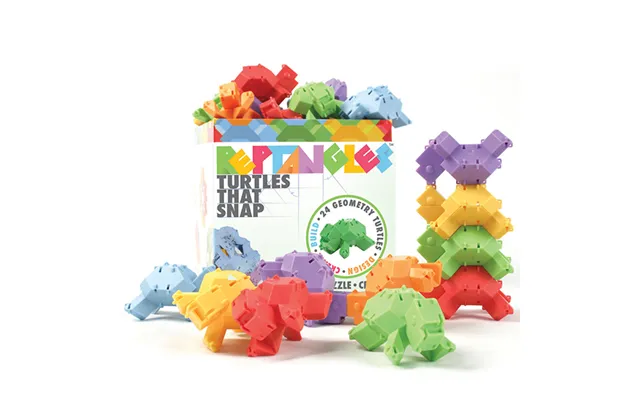
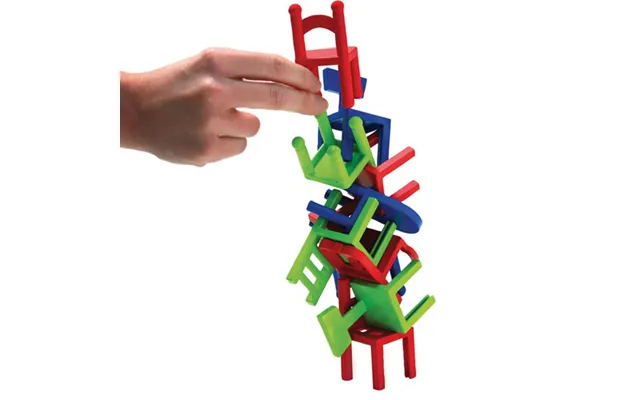
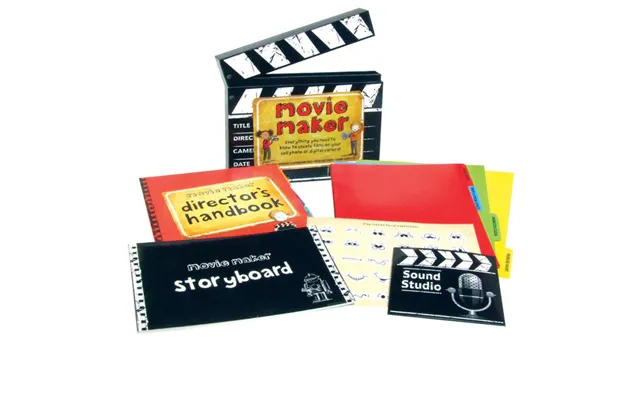
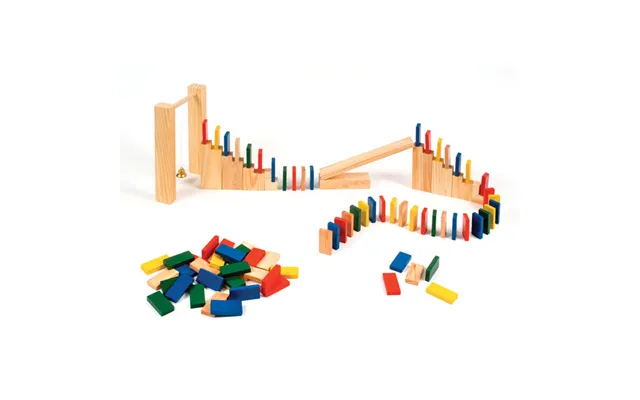
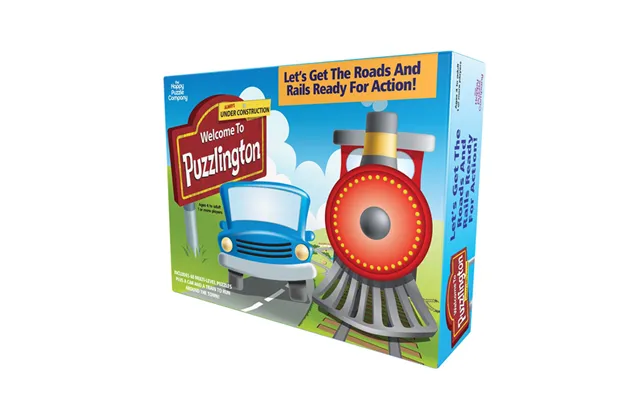
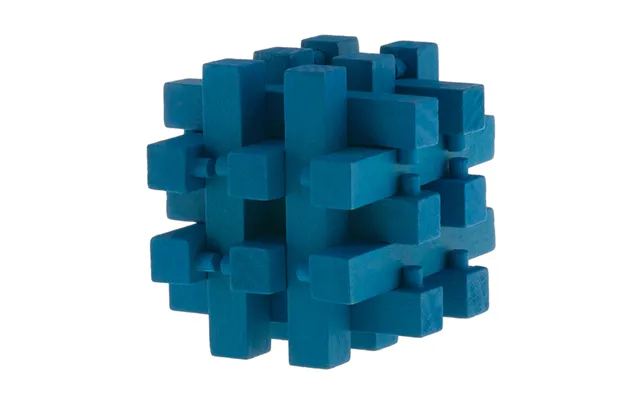
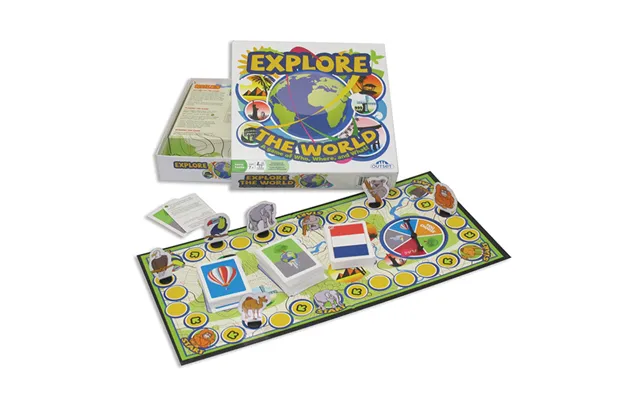
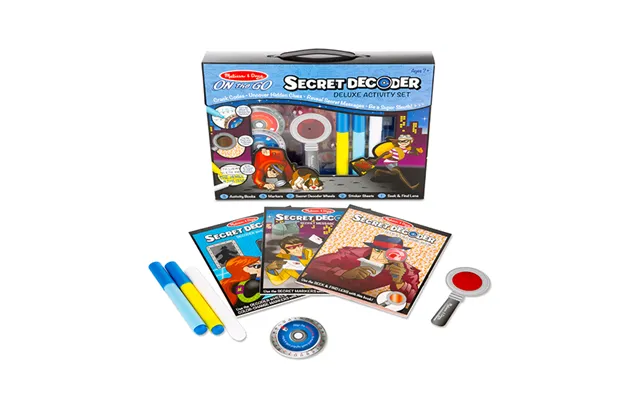
Look inside their catalog and you’ll find a wide range: wooden puzzles, logic challenges, mathematical games, classroom packs, and family board-style activities. What sets them apart is the blend of play and pedagogy. Their puzzles are often designed for learning while entertaining — not the other way around. That balance makes them a go-to for parents who want screen-free stimulation and for teachers who want engaging classroom resources.
The design approach is simple: puzzles should be smart but not show-offs. Pieces fit well, instructions are clear, and difficulty ramps up in a way that keeps players motivated. They use tactile materials like wood to create a premium feel. Packaging often includes an educational angle, showing teachers and parents why a puzzle matters beyond just occupying time.
Many products explicitly target learning outcomes: pattern recognition, spatial reasoning, logical deduction, and basic arithmetic. This makes them attractive to nurseries and schools. Instead of being flashy, their puzzles aim to build cognitive habits — patience, strategy, and persistence. That educational backbone is a major selling point in the UK market.
The Happy Puzzle Company invests in customer relationships. Their website features helpful guides, age recommendations, and classroom resources. They run newsletters and social media posts showcasing solving tips, user photos, and puzzle challenges. That creates a sense of community: customers feel like they’re part of a club that values clever thinking and shared accomplishment.
They don’t just sell puzzles; they host workshops and events in schools and at festivals. These sessions turn abstract benefits into real outcomes: children collaborating, teachers observing engagement, adults rediscovering playful learning. Events are a powerful way to demonstrate the product’s value in person — and convert curious visitors into repeat buyers.
Good customer service matters for niche products. The company provides quick responses to queries, clear returns policies, and replacements for damaged items. For teachers using products in classrooms, reliable support builds trust. Happy customers become advocates — recommending the brand in parent groups and teacher forums.
The UK puzzle and educational toy market is crowded. High-street toy stores, online giants, and boutique brands all compete for attention. The Happy Puzzle Company positions itself between mainstream retailers and highly specialized makers. It’s not a mass-market novelty brand, but it’s accessible enough for everyday shoppers. The key is credibility: teachers recognize the educational value, and parents trust the quality.
Their customers range from parents of young children to educators, to gift buyers and puzzle enthusiasts. This broad base helps insulate the company from seasonal swings. For instance, school terms bring steady purchases of classroom packs, while holidays drive gift sales. That diversification is a smart market strategy.
Prices are mid-range: not the cheapest, but reasonable for the quality. The wooden puzzles and larger classroom packs command premium pricing, while smaller novelty items are affordable. This tiered pricing helps the brand appeal across income levels while maintaining a reputation for durable, well-made products.
How does The Happy Puzzle Company compare with competitors like John Adams, Ravensburger, and national toy chains such as The Entertainer? Each of these players has strengths, and the comparison helps highlight what makes The Happy Puzzle Company stand out.
Mass-market stores offer a wide range of toys and generally focus on trends. They stock many puzzles but often choose mainstream, low-cost options to appeal to broad audiences. The Happy Puzzle Company differs by focusing on educational value and specialized puzzle design, rather than chasing every toy fad. Think of mass-market shops as supermarkets and The Happy Puzzle Company as a boutique grocer specializing in wholesome, thoughtfully prepared goods.
Ravensburger and Gibsons are well-known for jigsaw puzzles and board games. They have strong brand recognition and huge catalogues. The Happy Puzzle Company competes by offering more educational and classroom-oriented options. Where Ravensburger might offer a beautiful 1,000-piece landscape for quiet evenings, The Happy Puzzle Company offers collaborative problem-solving activities meant for classrooms and family bonding. Both have value, but their purposes differ.
Specialist educational suppliers target schools and early years settings with curriculum-aligned products. The Happy Puzzle Company overlaps with them, but keeps a stronger consumer focus. Schools buy from either, yet The Happy Puzzle Company often brings more creative, puzzle-specific designs rather than broad curriculum kits. It’s like comparing a specialist spice merchant to a wholesaler — both supply cooks, but one offers unusual flavors and the other offers bulk staples.
No brand is perfect. The Happy Puzzle Company has clear strengths and a few limitations. Understanding both helps customers decide when and why to buy.
Top strengths include strong educational credibility, durable products, and a friendly brand voice. Their focus on teacher packs and age-appropriate guidance makes them popular in classrooms. Quality materials, especially wooden puzzles, give a tactile satisfaction that plastic often lacks. They also cultivate a community around their products — workshops, contests, and helpful online content.
Weaknesses include less global reach compared to giants like Ravensburger and limited product variety compared to mass-market retailers. They may not be the first place you think of for commercial-scale orders if you need thousands of items fast. Also, while designs are clever, they sometimes lack the novelty packaging or celebrity tie-ins that make certain toys fly off shelves during seasonal rushes.
The company uses a mix of online and offline marketing. SEO and content marketing are vital: blog posts about the benefits of puzzles, classroom resources, and gift guides attract organic search traffic. Social media showcases product use, and email newsletters keep customers coming back. Offline, they rely on trade shows, school events, and partnerships with retailers to expand reach.
SEO strengths include content that answers parents' and teachers' questions: "best puzzles for kids," "classroom problem-solving activities," and "wooden puzzles UK." These are search terms that drive qualified traffic. Their content often includes solving tips, age recommendations, and educational benefits — all of which align well with what searchers want.
They could expand video content — short clips showing puzzle use in a classroom or family setting. User-generated content and more international SEO could grow visibility outside the UK. Influencer partnerships with parenting bloggers or educational YouTubers could also widen their audience quickly.
Puzzles are not going out of fashion. With screen fatigue and a push for hands-on learning, demand for tactile, brain-stretching activities remains strong. The Happy Puzzle Company can ride this wave by expanding digital resources for teachers, creating hybrid puzzle-AR products, or producing limited-edition collaboration puzzles that excite collectors and educators alike.
Think of puzzles that pair physical pieces with an app for hints — not to spoil the puzzle, but to guide struggling players. Creating series with progressive difficulty or storylines could turn puzzle-solving into an ongoing adventure, encouraging repeat purchases. Small runs of collectible designs could attract adult puzzlers too.
Expanding distribution into more independent toy shops across the UK, and increased exports to educational buyers in Europe and beyond, could grow sales. Partnering with curriculum developers to align certain puzzles with classroom goals would make procurement decisions easier for schools.
The Happy Puzzle Company occupies a sweet spot in the UK market: trusted by educators, loved by parents, and respected by puzzle fans. Its mix of quality, educational focus, and community engagement differentiates it from larger, more generic retailers. While it faces competition from mass-market giants and established puzzle brands, it retains a distinct identity built on clever design and purposeful play.
If you care about giving a child or a classroom a tool that builds thinking skills — not just kills time — this brand is worth a look. It blends the rigor of a good brain-teaser with the warmth of a family game night. In a market crowded with noise, it quietly wins by being smart and sincere.