

Scalpel Blades price list
Last updated Monday, 19 Oct 2026



Loading...
Last updated Monday, 19 Oct 2026
Whether you’re in a surgical theatre, a vet clinic, a research lab, or even a craft studio, scalpel blades are the unsung heroes of precision. They make clean cuts, save time, and reduce frustration when accuracy matters most. But with so many blade numbers, materials, and pack options out there, it’s easy to feel overwhelmed. The good news? Once you understand a few core ideas—like blade types, compatible handles, and where to find trusted offers—you’ll shop faster and smarter. Ready to cut through the noise? Let’s dive in.
A scalpel blade is a razor-sharp cutting edge designed for high-precision work. It’s typically a small, single-use blade that attaches to a reusable handle (or comes built into a disposable scalpel). Most blades are numbered—No. 10, 11, 15, 20, and so on—and those numbers aren’t random. Each number represents a distinct shape and purpose, from broad, curved edges for sweeping incisions to needle-like tips for piercing and fine detail work.
Here’s the classic match-up. Stainless steel blades resist rust and corrosion better, making them a top pick in environments where moisture and repeated handling are common. Carbon steel blades often feel a touch sharper initially and can deliver ultra-crisp cuts, which is why many professionals still favor them for intricate work. If you want durability and less fuss, stainless steel is brilliant. If ultimate edge bite matters most, carbon steel might be your go-to. There’s no universal “best”—it’s about the job at hand.
Sterile blades are individually wrapped to ensure they’re surgery-ready as soon as you open them. Non-sterile blades are great for non-clinical applications like model making or lab tasks where aseptic technique isn’t required. Disposable scalpels combine a blade and handle in a ready-to-use, single-use format. Think of them as the grab-and-go option—convenient, consistent, and safe to discard after use.
Blade numbers are like shirt sizes—they help you quickly match the tool to the task. Once you’ve used a few, you’ll instinctively reach for the right one. Here are the go-to picks professionals and enthusiasts lean on every day.
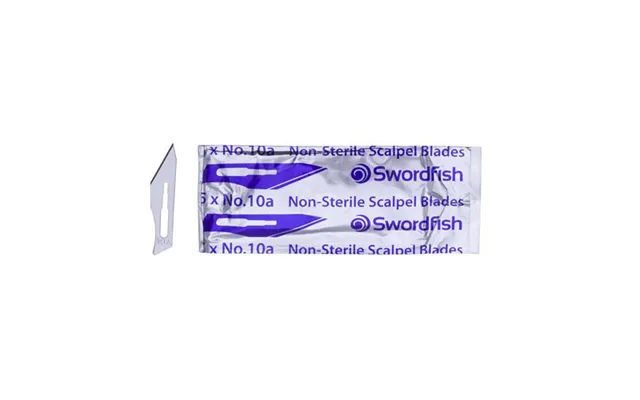
No. 10 is a classic: a broad, curved cutting edge designed for smooth, controlled incisions. It’s a staple in surgical settings and also a favorite for crafts that need long, sweeping cuts without jagged edges. The 10A is slightly more refined for detail work while retaining that curved profile. If you want an all-rounder, start here.
Think arrowhead. The No. 11 blade is sharply pointed and ideal for punctures, stab incisions, and tight angles. It’s perfect when you need to initiate a precise opening or trace corners. In crafts, it’s brilliant for scoring and fine, geometric cuts.
Compact and curved, the No. 15 excels in delicate work where you need finesse over force. Surgical pros use it for shorter, controlled incisions; makers use it for trimming, carving, and finishing touches. If your work demands gentle, exact movements, the 15 is your friend.
This family of blades is wider and longer, favored for more substantial incisions and tasks that require a bigger cutting surface. They shine when you need power and presence over fine-line precision. They’re commonly paired with larger handles for added stability.
Blades don’t work alone—they lock onto specific handles. The most common handle families are No. 3 and No. 4. The handle number determines which blades fit, so it’s crucial to match them correctly before you buy or you’ll end up with parts that won’t connect.
As a simple rule of thumb, smaller blades (like No. 10, 11, and 15) typically fit a No. 3 handle. Larger blades (like 20–24) usually fit a No. 4 handle. Many professionals keep one of each on hand to cover all bases. If you prefer disposable scalpels, this pairing problem disappears because blade and handle arrive as one unit.
Some handles feature textured grips, finger contours, or slightly wider bodies to reduce hand fatigue during long sessions. Safety-forward designs may include retractable guards or magnetic quick-release features that help avoid accidental nicks during blade changes. If you’re working for long stretches or training learners, ergonomic or safety handles are worth a look.
Both options have fans, and for good reason. Disposable scalpels deliver convenience: remove the cap, make your cut, and dispose of the entire unit. They’re consistent and easy to inventory. Blade-and-handle systems offer flexibility and can save money in high-volume environments since you’re only replacing the blade. If you switch blade shapes often or need different sizes on the fly, a reusable handle with assorted blades is incredibly efficient.
Scalpels are precision tools, not finger tests. Safe handling isn’t optional—it’s essential. A few smart accessories go a long way in keeping your workspace accident-free and your workflow smooth.
Dedicated blade removers let you detach a used blade without touching the sharp edge. Some are reusable devices; others are compact, single-use containers. Either way, they reduce the chance of slips and make blade changes quick and confident.
Keep blades capped when not in use. Sheaths prevent accidental cuts, protect the cutting edge, and make transport safer. If you carry kits between locations, consider rigid cases with foam slots to hold handles, spare blades, and extras securely.
Unsure where to start? Use this fast decision map. First, define your task: long incision, fine detail, or puncture? Next, pick a blade shape that matches—No. 10/10A for sweeping cuts, No. 15 for delicate work, No. 11 for piercing. Then choose your material: stainless for corrosion resistance and consistent durability, carbon steel for an extra-sharp bite. Finally, decide on format: disposable for convenience or separate blades and handles for flexibility. In two minutes, you’re set.
Not all blades are created equal, and a great deal is only great if the product performs. Keep these factors in mind and you’ll shop with confidence.
You want a blade that starts sharp and stays sharp through the task. Look for reputable brands with consistent manufacturing standards. If you notice chattering, snagging, or quick dulling, it’s worth testing another brand or material.
Some blades come with specialty finishes designed to reduce drag and improve glide. While subtle, these coatings can make delicate cuts feel smoother and more predictable. If you’ve ever felt a blade “stick” mid-cut, a better finish can be a game changer.
For clinical use, sterile, individually wrapped blades are non-negotiable. For non-clinical settings, non-sterile bulk packs may be more economical. Check seals and expiry prints, and store unopened packs in a dry, stable environment. If the seal looks compromised, don’t use it.
Shopping smart is about aligning quantity, quality, and purpose. In the UK, you’ll find a wide range of offers on scalpel blades—from small boxes perfect for occasional use to bulk packs designed for clinics, labs, and studios. Comparison platforms like ZoneOffer let you view deals from multiple sellers side by side, helping you weigh price, pack size, and delivery options before you commit. The aim isn’t simply to spend less—it’s to get the right blades at the right value.
If you’re testing blade types, start small with single blades or mini-packs. Once you know your favorites, bulk boxes can slash your cost per blade. It’s the classic stock-up strategy: buy more of what you actually use. For mixed tasks, variety packs offer a convenient way to keep No. 10, 11, and 15 within arm’s reach.
Top-tier brands usually guarantee tighter tolerances and consistent sharpness, which can reduce waste and rework. That said, value brands have improved dramatically. If your application allows, do a side-by-side test: one premium pack and one value pack. Measure how many clean cuts you get from each before replacing. The winner is the one that saves you time and delivers dependable performance.
Scalpel blades aren’t only for operating rooms. Makers, model builders, and restoration pros love them for their control and crisp edges. In labs, blades are used for dissections, sample prep, and precise trimming. Artists use them to clean edges, remove paint flecks, and cut stencils with laser-like accuracy. Once you’ve worked with a good blade, it’s hard to go back to a dull utility knife.
In veterinary settings, a sturdy handle with convenient blade changes keeps things efficient. Dental and aesthetic practices often rely on smaller blades for delicate, localized work. Disposable scalpels shine in these environments because they reduce handling and simplify workflows—open, use, dispose, done.
You can elevate your whole setup with a few add-ons that pay for themselves in time saved and accidents avoided. Think of them as the support crew for your star tool.
If you’re handling blades frequently, consider lightweight, cut-resistant gloves. They add a layer of confidence without sacrificing dexterity. Pair them with a self-healing cutting mat so your blades glide consistently and stay sharper longer. Small change, big payoff.
Organization reduces mishaps. A simple tray with labeled sections or a magnetic rack for handles keeps your workstation tidy. When everything has a home, you save minutes every day and cut down on dulling from accidental bumps or clutter.
Scalpel blades are tough but not invincible. Treat them right and they’ll deliver peak performance when you need it. Store sealed packs in a cool, dry space away from direct sunlight. Avoid damp environments that can encourage corrosion, especially with carbon steel. Once opened, keep blades sheathed and seated securely. As for shelf life, trust the packaging—if the seal is intact and the date is good, you’re set.
Humidity is the quiet saboteur of sharp edges. If your space runs humid, consider sealed containers with desiccant packs to protect spares. Always check pouches before you open them—if there’s any tear or loose seal, replace it. Better to be cautious than risk a compromised edge.
Getting ragged cuts or quick dulling? Try a different material (stainless vs. carbon), switch to a fresh blade sooner, or adjust your angle and pressure. If the blade flexes or chatters, consider a sturdier handle or a larger blade that matches your task. Sometimes the solution is as simple as using a sharp, new blade rather than pushing one past its prime.
There’s no prize for squeezing one more cut out of a tired blade. If you feel drag, see tearing, or notice tiny burrs along the edge, it’s time to swap. Fresh blades not only cut cleaner; they’re safer because you’re less likely to apply excessive force.
Precision tools create waste if used carelessly. Match the blade to the job, don’t over-purchase what you won’t use soon, and dispose of sharps responsibly in approved containers. Many facilities streamline by standardizing on a small set of blade numbers that cover most tasks—less variety, less waste, more efficiency.
Reusable handles paired with single-use blades strike a practical balance. Keep a lean inventory of your most-used blade numbers and reorder in cycles that fit your workflow. If you’re testing new brands, buy small first. Once you’re confident, scale up to bulk packs for better value.
Here’s the cheat sheet. Pick the shape that fits your task (10/10A for sweeping, 11 for piercing, 15 for detail, 20–24 for larger cuts). Choose stainless for corrosion resistance or carbon steel for a razor-crisp edge. Decide on disposable versus separate blade-and-handle systems based on convenience and frequency of blade changes. Add safety tools like blade removers and guards. Compare offers across multiple sellers using a reliable comparison platform to spot the best value. That’s it—you’re ready to work sharper, faster, and safer.
Scalpel blades are small tools with big impact. The right choice turns tricky cuts into smooth, confident motions, whether you’re in a clinical setting or crafting a perfect model edge. Focus on shape, material, compatibility, and safety. Then shop smart: assess pack sizes, compare deals, and stick with brands that deliver consistent performance. When everything clicks—the blade, the handle, the workflow—you’ll feel it immediately. Precision stops being a struggle and becomes your everyday standard.