








All categories
Business & Offices
Electronics & Media
Fashion & Accessories
Groceries & Essentials
Health & Personal Care
Home & Living
Kids & Family
Sports & Outdoors
Search in ZoneOffer

Loading...
If your pantry looks like a game of Jenga and you wish your fridge would cooperate more, dried vegetables can feel like magic. They’re lightweight, shelf-stable, and can turn a simple meal into something satisfying in minutes. Whether you’re stocking up for everyday cooking, prepping for camping, or hunting for budget-friendly options, dried vegetables deserve a serious look. Ready to explore how they work, what to buy, and how to use them? Let’s dig in.
Dried vegetables are fresh vegetables that have had most of their water removed through methods like air-drying, freeze-drying, or sun-drying. Removing moisture prevents microbial growth and spoilage, so these veggies can last months or even years when stored properly. Think of them as concentrated flavor bombs—smaller in size but big on convenience and shelf life.
Not all dried vegetables are created equal. The drying method affects texture, flavor retention, and nutritional value. Let’s break down the main methods so you know what you’re buying.
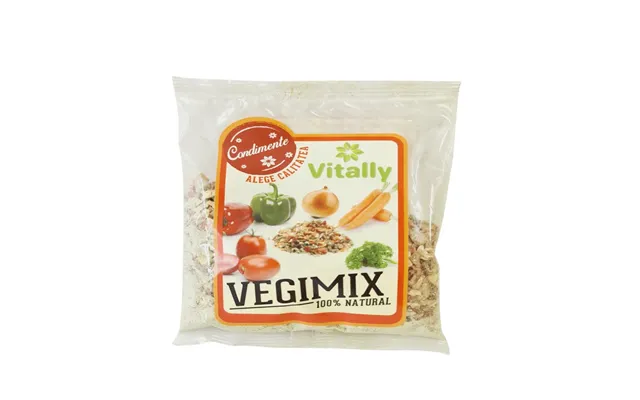
Dehydration uses warm air to draw out moisture slowly. The result is lightweight vegetables that are slightly chewy and rehydrate well in soups and stews. Dehydrated onion, garlic, and bell pepper flakes are pantry staples because they’re versatile and inexpensive.
Freeze-drying freezes the vegetables and then removes ice via sublimation, preserving structure and flavor exceptionally well. Freeze-dried peas, corn, and spinach keep a lot of their original texture and are great for snacking, salads, or quick rehydration in hot dishes. They’re usually pricier but offer top-notch quality.
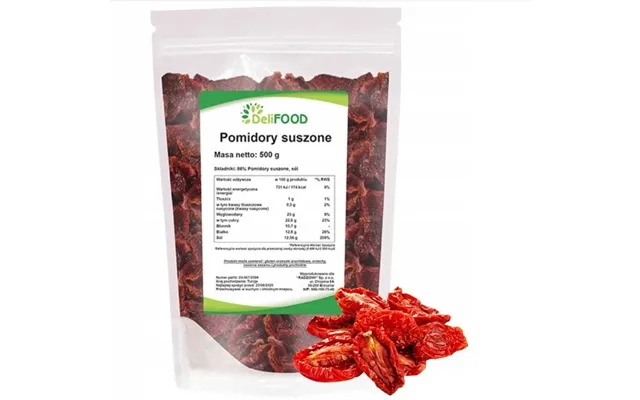
Sun-drying is an old-school method best known for tomatoes. Sun-dried tomatoes concentrate sweetness and develop a rich, chewy texture. They’re terrific in pastas, salads, and sandwiches. Sun-dried items often have olive oil or salt added, so check the label.
Here are some of the most useful dried vegetables you’ll find and everyday ways to use them. Picture them as your pantry’s secret weapons.
Sun-dried tomatoes pack intense tomato flavor. Toss them into pasta sauces, blend into dressings, or rehydrate in warm water or olive oil for 10 to 15 minutes. A little goes a long way—use just a handful to amplify flavor in a 1-pound pasta dish.
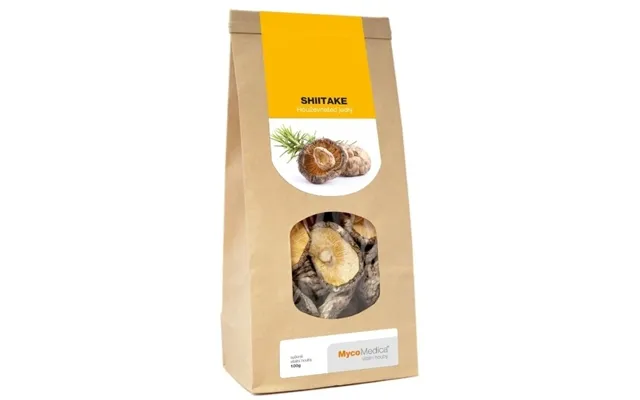
Dried mushrooms concentrate earthy, umami notes. Rehydrate in hot water for 15 to 30 minutes, then add both the mushrooms and the soaking liquid to risottos, soups, or sauces. A small ounce of dried mushrooms can flavor several servings—think of them as culinary gold dust.
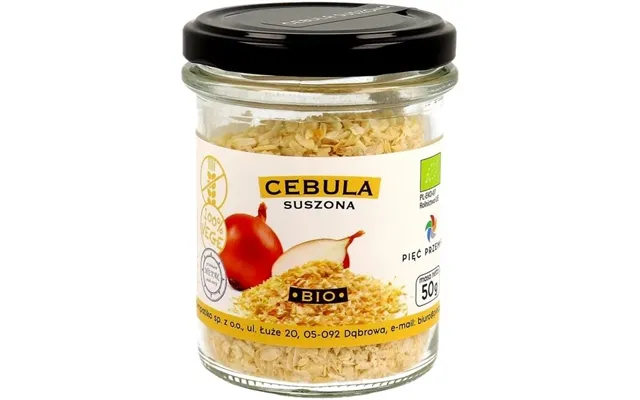
Onion flakes and granules are the quick shortcut to onion flavor without chopping. Use 1 tablespoon of onion flakes in place of a medium onion, or sprinkle them into rubs, marinades, and slow-cooked dishes.
Freeze-dried peas and corn rehydrate quickly and retain bright color and sweetness. Add them to casseroles, pot pies, or a quick side dish. A 2-ounce pouch of freeze-dried peas can easily serve 2 to 3 people once rehydrated.
Leafy greens are great when dried—spinach or kale chips can be used as seasoning or snacking. Rehydrated greens work well in quiches, soups, and smoothies. A cup of dried spinach rehydrates into several cups of fresh-like leaves, making it space-efficient.
Dried vegetables retain much of their vitamins, minerals, and fiber, but the drying process can reduce some heat-sensitive nutrients like vitamin C. Freeze-dried products generally preserve nutrients best, while sun-dried and dehydrated products can lose a bit more. Still, dried vegetables beat many processed alternatives and are a smart way to add plant-based nutrients to meals with minimal fuss.
Rehydrating is simple, but a few tricks make a big difference. Warm water, a little time, and optional seasoning are all you need to turn a small pouch into a flavor-loaded ingredient.
Place dried vegetables in a bowl and cover with warm water. For most types, let them soak 10 to 30 minutes. Drain excess water or reserve the soaking liquid to use as a flavorful broth in soups or risottos. The soaking time depends on size and dryness—thin flakes rehydrate faster than whole pieces.
If you’re in a hurry, add the dried vegetables directly to boiling liquid; the heat speeds up rehydration and infuses your dish with flavor. For example, toss freeze-dried peas into a boiling pot of stew for immediate texture restoration in under 5 minutes.
One of the best reasons to keep dried vegetables is shelf life. Stored right, they can last from several months to a few years. Here’s how to keep them tasting their best.
Store dried vegetables in airtight containers in a cool, dark pantry. A mason jar or resealable bag with the air squeezed out works well. Avoid sunny spots and keep them away from heat sources like stoves and ovens.
If you’re stocking up for emergency food or long-term storage, add oxygen absorbers to your jars and store them in a cool, dry place. Properly sealed freeze-dried vegetables can last several years, while typical dehydrated vegetables usually stay tasty for 6 to 12 months.
Choosing dried vegetables can feel like walking into a candy store for grown-ups—so many options and formats. Here are practical tips to compare products and get the best value for your money.
Check for added salt, oil, or preservatives. Sun-dried tomatoes that come packed in olive oil are delicious but add calories and fat. If you want a low-sodium option, pick plain dried vegetables without added salt or sauces.
Stores sometimes sell similar-looking pouches with different net weights. Compare ounces carefully—10-ounce and 4-ounce bags are not the same deal. Also check how many servings are listed to see the true cost per serving rather than the price per bag.
Buying in bulk is usually cheaper per ounce, but consider how quickly you’ll use them. A 1-pound bag of dehydrated mixed vegetables is great for families or frequent cooks, while single-serve pouches are perfect for backpacks and trial runs.
Prices vary widely: dehydrated onion flakes and mixed vegetables are inexpensive, often costing under a few dollars for a small bag, while freeze-dried specialty items like mushrooms or organic blends can be pricier. Use comparison sites to check price-per-ounce and track seasonal discounts. A little comparison shopping can save you a bundle, especially when buying specialty freeze-dried items.
Dried vegetables are more flexible than you might think. Here are quick recipe ideas that turn a handful of dried veggies into a satisfying meal in no time.
Saute a tablespoon of oil with garlic, add 3 cups of chicken or vegetable stock, then add 1 cup of mixed dehydrated vegetables. Simmer 15 minutes, season to taste, and finish with a splash of lemon or a sprinkle of cheese. It’s the fastest way to comfort on a busy night.
Combine 4 ounces of freeze-dried peas and corn, 2 tablespoons of powdered cheese, and 1 cup of instant rice in a lightweight bag. At camp, add 2 cups of boiling water, stir, cover, and let sit for 10 minutes—simple, lightweight, and energizing.
Rehydrate sun-dried tomatoes in warm water for 10 minutes, chop them, and stir into a cream sauce for a quick 1-pound pasta meal. Add a handful of dried spinach and a splash of reserved soaking liquid to deepen the flavor.
Dried vegetables are great for plant-forward diets and add fiber and micronutrients to meals. If you’re watching sodium, read labels because some dried products are pre-seasoned. For keto or low-carb diets, consider portion sizes—freeze-dried corn and peas contain more carbs than leafy greens or mushrooms.
Dried vegetables can reduce food waste because they last longer than fresh produce. They’re lighter to ship and store, which can mean a smaller carbon footprint compared to frequent trips to the store. Plus, they cut down prep time and reduce the need to throw out wilted produce—thinking of them as little green money-savers is fair.
Before you click “buy,” run through this quick checklist: check net weight in ounces, look for added salt or oil, decide on the drying method you want, compare price per serving, and consider packaging—resealable pouches are a convenience win. Don’t forget to read reviews for taste and texture; they tell you if the product rehydrates well or if it’s more suited for snacking.
Dried vegetables are a smart, versatile addition to any kitchen. They save space, last longer than fresh produce, and can bring a powerful punch of flavor to simple dishes. Whether you opt for inexpensive dehydrated onion flakes or premium freeze-dried mushrooms, the right choices depend on your cooking habits, storage needs, and budget. Experiment with a few pouches, learn rehydration tricks, and soon your pantry will feel like a tiny, mighty grocery store ready to whip up meals any time.
| Dried Vegetables | Price | |
|---|---|---|
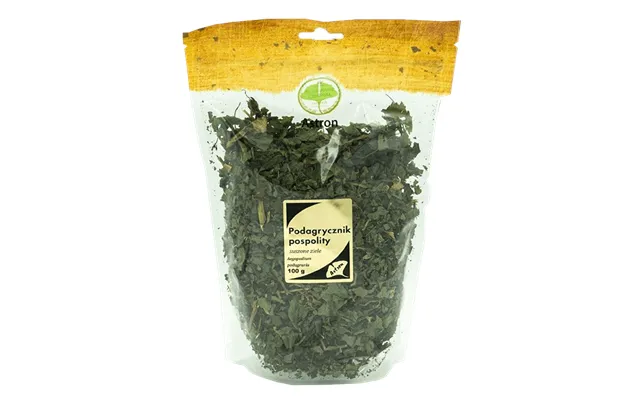
| Astron Common Agrimony - Dried Plant | £ 3,10 | |
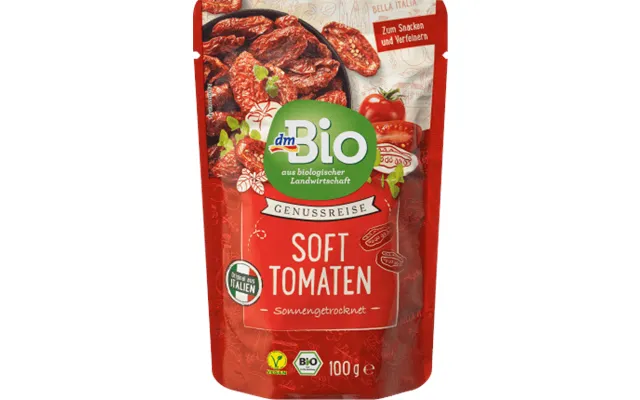
| Dmbio Eco Dried Tomatoes - 100 G | £ 3,60 | |
| Popote Organic Eggplant Capsule 120 G | £ 3,90 | |
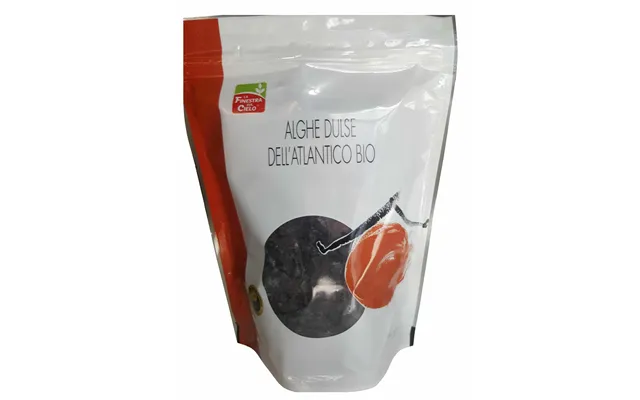
| Seaweed Bio Dulse - 50 G | £ 13,60 | |
| Activlab Lion S Mane Mushroom - 100 G | £ 13,90 |
