

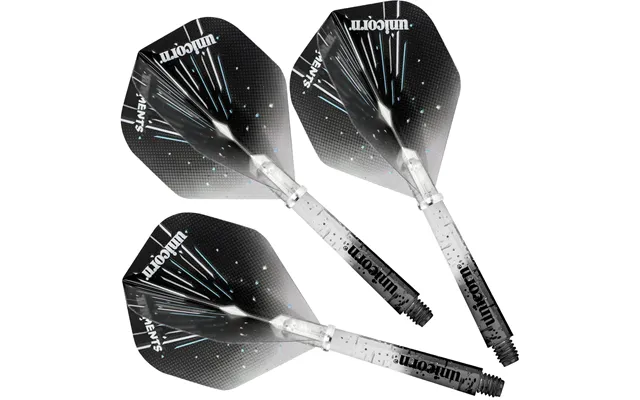
Kite Accessories price list
Last updated Sunday, 18 Oct 2026
| Kite Accessories | Price |
|---|---|
| Unicorn Gripper 4 Elements - Combo Kit | £2.85 |





Loading...
Last updated Sunday, 18 Oct 2026
| Kite Accessories | Price |
|---|---|
| Unicorn Gripper 4 Elements - Combo Kit | £2.85 |
Think a kite is just fabric and string? Not quite. The right kite accessories turn an average afternoon at the park into a soaring, swooping, grin-inducing experience. From durable lines that won’t snap at the first gust to comfortable handles that respond like a sports car, accessories are the small upgrades that create big results. If you’re browsing popular offers or a kite accessories price list in the UK, it helps to know what actually matters. This guide breaks down the essentials, the nice-to-haves, and the pro tools, so you can compare smarter and fly higher.
Whether you’re flying a simple diamond kite with your kids or carving figure-eights with a stunt kite, a few core accessories make your life easier and your sessions safer. Think strongest links in the chain: lines, handles, reels, and tails. Get these right, and everything else clicks into place. You don’t need to go overboard, but choosing wisely at the start saves money, prevents frustration, and protects your kite on breezy days at the beach or in the park.
Kite lines are your lifeline—literally. Strength is measured in pounds, and choice boils down to the size of your kite and the winds you expect. For small single-line kites, 30 to 50 lb line is common. Step up to a stunt or dual-line kite and you might want 80 to 150 lb lines for crisp control. Power and traction kites often jump to 200 lb or more. Low-stretch materials like Dyneema or Spectra offer taut control and durability. Consider line length too: 75 to 150 ft is typical for parks, and 200 ft can be great on wide beaches with steady winds.
Great control begins with a good grip. Foam or molded plastic handles feel comfortable and cut down fatigue for dual-line kites, while padded wrist straps often suit power and traction kites for better leverage. Some pilots love control bars because they offer a unified feel, especially with larger foils. Look for textured grips, robust webbing, and reinforced attachment points. If your hands get sore or your kite feels twitchy, upgrading handles or straps can transform the ride from jerky to silky.
A simple winder keeps your lines tangle-free and ready to fly. For single-line kites, a hoop or figure-eight winder does the job. If you fly bigger kites or in stronger winds, a reel with a smooth payout and quick retrieval saves time and prevents knots. Choose spools with rounded edges to protect lines, and favor durable plastics or lightweight aluminum. The goal? Spend less time untangling and more time carving up the sky.
Tails aren’t just decorative—they stabilize your kite and smooth out wobbles in gusty winds. Long ribbon tails, tube tails, and even drogue chutes add drag to calm shaky flight. For small kites, a 10 to 20 ft tail can settle things nicely. Larger kites might want a 30 ft streamer or a sock-style tail. Pick high-visibility colors to make your kite pop from far away, and choose ripstop materials that don’t soak up moisture or shred on rough sand.
A confident launch sets the tone for the whole session. The right ground tools keep your lines tidy, your kite anchored, and your setup process quick and repeatable. It’s a simple kit—stake, anchor, bag, connectors—but once you have it, you’ll wonder how you ever flew without it. No more sand-blasted kites or lines blowing into brambles while you sort your bridle.
A sturdy ground stake gives you a third hand while you set up. Look for a wide T-handle and a blunt tip that holds well but won’t shred line by accident. For beach days, a sand anchor (a fabric bag you fill with sand) holds remarkably well. Some pilots use screw-in anchors for extra security. Keep a short lanyard attached so you can clip your line while walking downwind to lay everything out neatly.
Kite bags protect your gear from grit, UV, and everyday bumps. A good bag has segmented pockets for frames, lines, and spare parts. For long spars, look for 36 in or longer compartments. Ventilated panels help air out salt and sand, extending the life of your fabric. Prefer shoulder straps for hands-free carrying? Many bags include them, and they’re worth it if you hike to your favorite windy spot.
These tiny heroes keep your lines twist-free and your setup speedy. Ball-bearing swivels prevent spin from traveling up into your lines. Pigtails—short line loops—make it easy to adjust bridle settings or swap handles. Quick connects save time when changing kites or detangling after an enthusiastic loop. Choose corrosion-resistant hardware if you fly near saltwater, and keep a few spares tucked in your bag.
If you’re chasing steady improvement, treat safety and maintenance as part of your hobby, not an afterthought. Gloves spare your palms from line burn, leashes give you a fail-safe, and a simple repair kit keeps you flying when the unexpected happens. The best kit is smart, small, and reliable—ready for anything from a nicked sail to a cracked spar.
Think of gloves as traction control for your hands. Full-finger sailing or work gloves with good grip and breathable fabric are ideal. For traction or buggy kiting, a lightweight helmet adds peace of mind, and knee or elbow pads never hurt. If you’re coaching kids, a pair of junior gloves can make the first sessions safer and more fun. The goal is simple: confidence and comfort from launch to landing.
Power kite flyers swear by kite killers—wrist leashes that depower the kite if you let go. For dual-line kites, a basic safety leash prevents flyaways and protects bystanders. Always attach leashes to a fixed point on the wrist or harness, never to fingers. In stronger winds, a leash can be the difference between a controlled rest and an unintended chase down the beach.
Stuff happens: a thorny landing, a snagged frame, a scuff on the sail. Repair tape (ripstop nylon tape) can fix small tears on the spot—carry 1 to 2 in wide rolls. For deeper fixes, a patch kit with adhesive-backed fabric, spare end caps, and a couple of replacement spars is pure gold. Carbon and fiberglass rods are common; measure carefully and keep a small hacksaw and sandpaper handy for custom fits. A tidy fix today means a perfect flight tomorrow.
Once you’ve nailed the basics, a few pro-level tools sharpen your edge. They help you read the wind, trim lines precisely, and keep your kit tuned like a musical instrument. It’s a small investment that pays off every time you find yourself in variable winds or switching between kites for different tricks or pull levels.
Knowing the wind beats guessing. A pocket wind meter gives instant readings in mph, so you can pick the right kite and line strength for the conditions. Pair it with a simple compass to judge true wind direction—handy when obstacles or dunes skew your feel on the ground. If you’ve ever wondered, “Is it too gusty for this setup?” a quick reading clears things up fast.
Consistent line lengths matter, especially for dual-line and quad-line flyers. Mark your lines at 5 ft or 10 ft intervals with permanent ink or heat-shrink markers so you can match pairs precisely. A small ruler or measuring tape in inches keeps you honest. Balanced lines translate to balanced flight—no more mysterious pull to one side or sluggish turns.
Most ram-air foils inflate on their own, but larger foil and inflatable designs sometimes benefit from a compact pump to speed launch or top up internal bladders. Choose a pump with a reliable hose and a pressure gauge if your kite requires it. Keep sand out of fittings with caps or tape when not in use. A quick preflight boost can save your session on low-wind days.
Not all kites are created equal. Single-line, dual-line, and power kites prefer different setups. Picking accessories that suit your kite style makes every flight feel custom-tuned. Here’s how to dial it in whether you’re teaching a first-timer or building your own trick repertoire.
Simple and joyful. For small deltas and diamonds, 30 to 50 lb line and a basic hoop winder is perfect. Add a colorful 15 to 30 ft tail for stability and fun visual flair. A ground stake speeds setup, and a compact bag keeps the kite safe between outings. For younger pilots, consider a soft-foil single-line kite—no rigid spars, so it packs small and survives bumps like a champ.
Precision and play meet here. Choose low-stretch 80 to 150 lb lines, matched in length within an inch. Comfortable handles or a slim control bar keep inputs crisp. A wind meter helps you pick the right sail—vented kites for stronger winds, standard sails for moderate conditions. Keep swivels at your leaders to tame twists when practicing loops and axels. A small repair kit is non-negotiable; trick practice can be, well, energetic.
More pull means more planning. Opt for 200 lb or stronger lines, padded wrist straps or a harness, and a dependable safety leash or kite killer. Ground anchors, helmets, and gloves jump from “nice” to “essential.” If you buggy or landboard, protect knees, elbows, and shins. Start in steady winds, use generous field space, and take it slow. Power kiting rewards respect and preparation with massive grins and smooth power arcs.
With so many options, it helps to focus on quality, compatibility, and value. It’s easy to be dazzled by bright colors and slick marketing, but a few quick checks will tell you if accessories are built to last. A smart buyer’s eye beats impulse every time, especially when comparing UK deals across brands and retailers.
Look for ripstop nylon or polyester with tight weaves, double-stitching on stress points, and reinforced edges on tails and bags. For lines, Dyneema or Spectra offers high strength-to-weight and low stretch. Hardware should be stainless or anodized to shrug off salt and moisture. Try a gentle pull test: if seams or attachments creep or squeak, keep browsing.
Match line strength to kite size and wind range. Handles should fit your hands without hotspots; straps should rest comfortably without pinching. Spars must match diameter and length within a fraction of an inch, and end caps should seat cleanly. If you’re pairing accessories from different brands, check connector styles and bridle loop sizes so everything mates smoothly.
Don’t just skim numbers on a kite accessories price list—factor in what you actually need. A slightly pricier set of low-stretch lines or a sturdier winder can outlast bargain gear several times over. Read product specs, compare warranties, and glance at owner feedback. Comparison sites help you weigh options side-by-side so you can snag popular offers without compromising on quality.
Kite gear faces sun, sand, salt, and the occasional thump to earth. Treat it well and it’ll repay you with seasons of smooth flight. A few routine habits—cleaning, drying, coiling lines properly—make all the difference. Think of it like caring for a favorite bike: quick tune-ups beat big repairs.
After salt and sand exposure, shake out your sail and lightly brush seams. If fabric feels gritty, rinse with fresh water and air-dry out of direct sun. Wipe handles and bars to keep grips tacky, not slippery. A damp cloth on lines restores smooth payout and reduces abrasion. Never pack wet gear—trap moisture and you invite mold, odors, and weakened fibers.
Coil lines on a winder with gentle figure-eight patterns to reduce twist. Store spars straight—avoid bending in tight spaces—and cap ends to prevent punctures. Keep kites in breathable bags in a cool, dry place. If space is tight, hang bags vertically so frames stay straight and fabric lies smooth. Label bags with kite type and line strength so you’re always grab-and-go ready.
Want a smoother setup, fewer tangles, and a kite that leaps into the sky like it’s reading your mind? A few practical habits go a long way. Prepare at home, arrive with a plan, and adapt quickly to whatever the wind throws at you. That’s how you turn good days into great ones.
Before you leave, tick off the essentials: kite, lines, handles or bar, winder, stake or anchor, gloves, safety leash, repair tape, spare end caps, and a small multi-tool. Toss in sunglasses and a hat for comfort. Check wind forecasts in mph and pick your line strength accordingly. Arrive with everything you need and your only “problem” will be choosing which tricks to try first.
Lines crossed? Lay the handles on the ground, walk down the lines, and lift them apart one at a time. Sail flutters? Add a longer tail or a drogue for quick stability. Loose bridle knot? Re-tie with a small stopper knot and mark the position with a pen line for next time. A few minutes of patient tinkering often turns a doubtful day into a keeper.
The UK kite scene is buzzing—beaches, commons, and breezy hilltops make perfect flying grounds. When you’re hunting popular offers, compare specs, read real-user insights, and pay attention to shipping times and warranties. Comparison sites can be your best friend, laying out options so you can focus on fit and value rather than getting lost in tabs. Aim for gear that balances quality with price, and remember that a great line set or a robust winder can outlast trends by years.
A kite is only as good as the accessories that support it. Lines that match the wind, handles that feel right, anchors that hold steady, and a tidy repair kit—these details add up to confident launches, smooth tricks, and relaxed landings. Whether you’re browsing a kite accessories price list or scanning popular offers, focus on materials, compatibility, and safety. Choose well, care for your gear, and the sky becomes your playground—every gust a chance to write a new line in the air.