All categories
Business & Offices
Electronics & Media
Fashion & Accessories
Groceries & Essentials
Health & Personal Care
Home & Living
Kids & Family
Sports & Outdoors
Search in ZoneOffer
Loading...
Small animal treats are more than cute nibbles in a pouch—they’re tools for bonding, training, enrichment, and even dental health. Whether you share your home with a rabbit, guinea pig, hamster, gerbil, rat, mouse, chinchilla, or ferret, choosing the right treat can make a real difference. The trick? Finding snacks that delight your pet without derailing their nutrition. Think of treats like sprinkles on a sundae: a fun extra, not the main course.
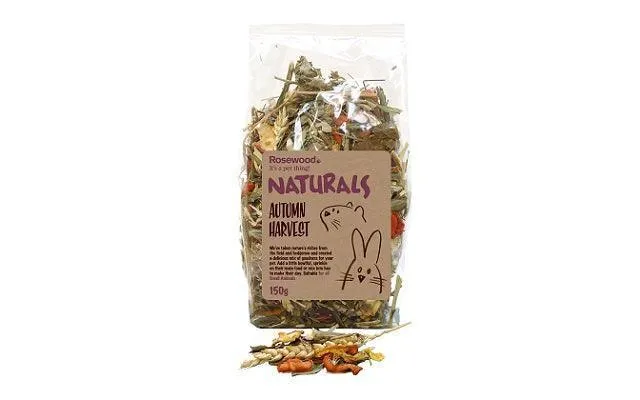
Ever catch yourself handing out “just one more” treat? We’ve all been there. But for small animals, balance is everything. Their main diet should be high-quality hay (for herbivores) or a species-appropriate base feed, with treats making up a small portion of daily intake. Use treats for training, enrichment, and occasional rewards. When you keep the foundation solid, those special snacks round out the day without tipping the scales.
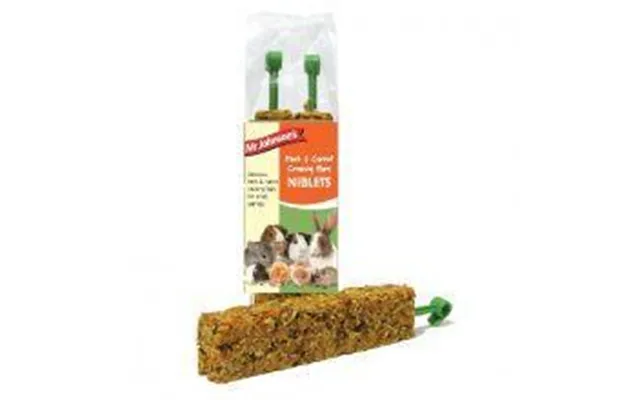
Hay-based treats are the gold standard for rabbits, guinea pigs, and chinchillas because they align with what these pets naturally eat. Products made from timothy hay, meadow hay, or alfalfa (for young or growing animals) support digestion and help keep the gut moving. Crunchy hay biscuits also promote chewing, which naturally wears down teeth. When in doubt, a hay-forward biscuit is a safe, fiber-rich choice for herbivores.
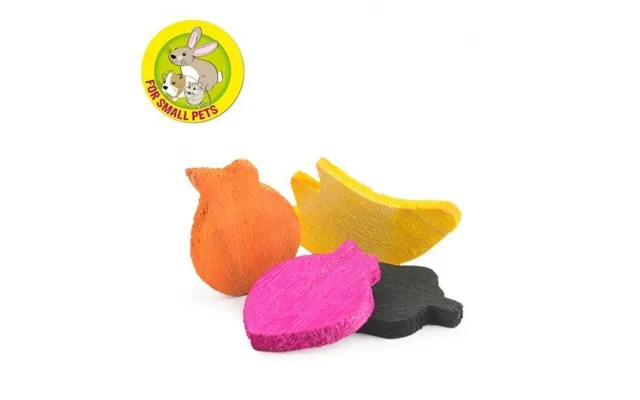
Chew sticks made from apple, willow, or pear wood scratch two itches at once: they satisfy the urge to gnaw and support dental wear. They’re especially helpful for rabbits, guinea pigs, chinchillas, and degus, whose teeth never stop growing. Look for untreated, natural woods. Bonus points if the product lists the specific wood type, and double bonus if it includes bark—many pets adore the extra texture.
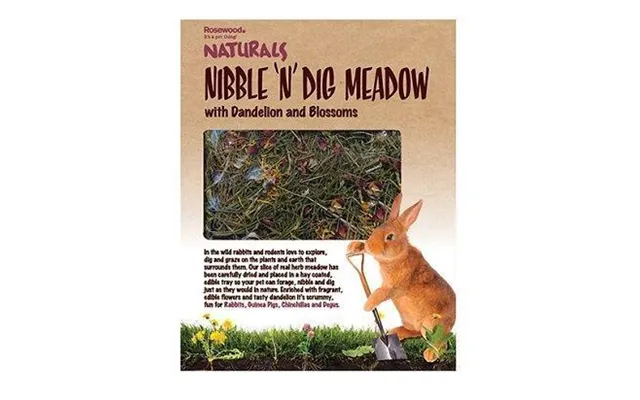
Forage blends turn snack time into an adventure. These mixes might include dried dandelion, chamomile, plantain, marigold, rose petals, and leafy greens. Scatter a pinch into hay or tuck it into a cardboard tube to encourage natural foraging behavior. It’s like hiding treasure in plain sight—your pet gets to hunt, sniff, and nibble their way to a happy brain and belly.
Seed clusters and grain-based bars can be a hit with hamsters and gerbils, but moderation matters. Because these treats are energy-dense, they’re best reserved as occasional rewards or training tools. Choose options with wholesome seeds and minimal added sugars or glazes. If the bar is sticky or shiny, there’s a good chance it’s loaded with syrups—save those for rare occasions, if at all.
Rats, mice, and some hamsters benefit from small amounts of animal protein. Freeze-dried mealworms, shrimp, or tiny morsels of high-protein treats can be used sparingly. These are snack-sized boosts, not daily staples. Think of them like a power-up in a video game—handy in the right moment, but not the whole journey. Always keep portions tiny and infrequent to avoid excess fat intake.
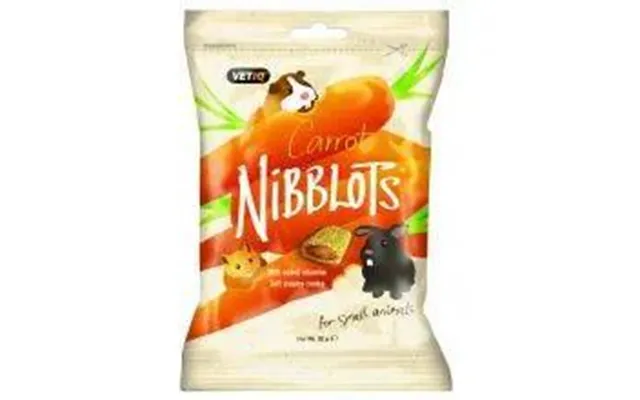
Soft treats are great for quick rewards during training because they’re easy to break into tiny pieces. For herbivores, choose veggie-forward drops with limited ingredients and no dairy. For omnivores, look for small, lean protein-based bites. If the ingredient list reads like a dessert menu, it’s not the everyday training buddy you want. Less sugar, more simplicity, better results.
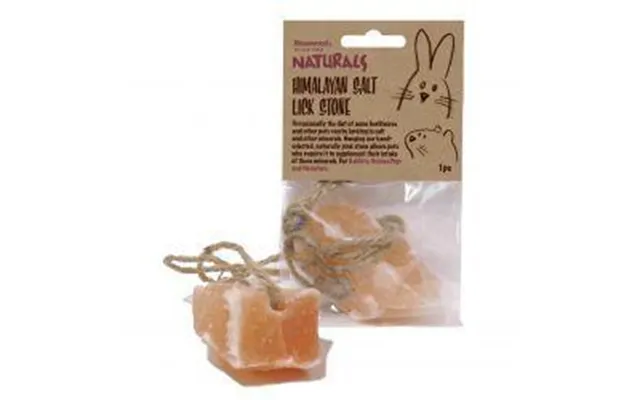
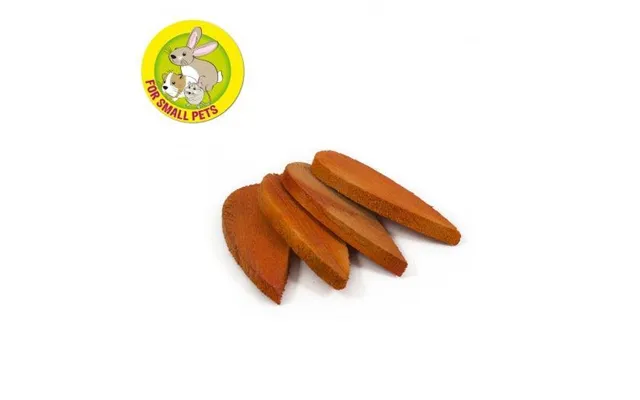
Loofah chews and specialized dental snacks can keep teeth in check while providing entertainment. Loofah, woven hay toys, and fibrous chews encourage healthy gnawing and can be stuffed with herbs for extra fun. Skip salt wheels unless advised by your vet—most small animals don’t need them and may lick out of boredom rather than nutritional need.
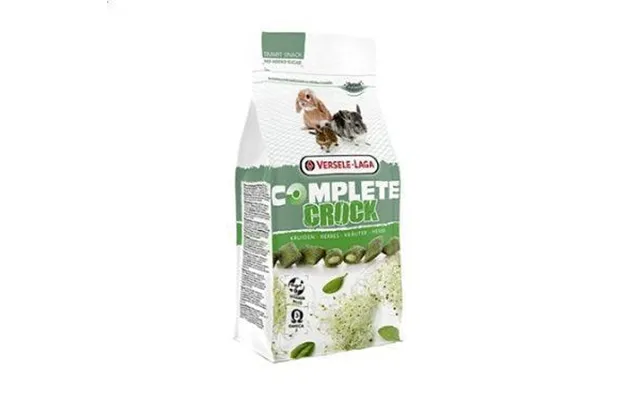
For these herbivores, fiber wins the day. Hay-based biscuits, dried herb blends, and natural wood chews are top picks. Avoid sugary fruit treats and dairy-based drops. If you want to add variety, a tiny sliver of dried apple or carrot can work as an occasional reward. Keep portions small—think a piece the size of your fingernail—and offer no more than a few times per week.
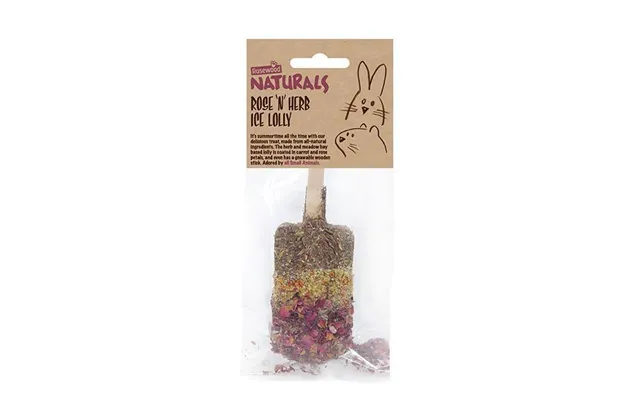
Hamsters and gerbils appreciate variety, but balance is key. Seed clusters, tiny bits of unsalted nuts, and occasional protein like freeze-dried mealworms are appropriate in small quantities. Pair these with chewable wood and paper toys for enrichment. Avoid sticky, sugar-coated bars and watch for hoarding—what looks gone may be stashed in a nest for later.
Smart and food-motivated, rats and mice love training treats. Use teeny protein nibbles, small veggie pieces, or specialized low-sugar training bites. Rotate offerings to keep things interesting. Because these guys can gain weight easily, the magic lies in portion control. A treat the size of a pea is usually enough, and you can split even that in half for rapid-fire training sessions.
These sensitive herbivores need very low sugar and high fiber. Stick to hay-based snacks, pure plant leaves, and carefully selected bark chews. Avoid fruit and sweet drops. Chinchillas especially can experience digestive upset if treats are too rich. When in doubt, feed less and choose simpler ingredients—your pet’s gut will thank you.
Often grouped with small animals, ferrets are strict carnivores. They thrive on high-protein, high-fat, meat-based treats with no grains or sugars. Skip plant-heavy snacks entirely. Choose single-ingredient meat treats and keep portions small—tiny flakes or shreds are plenty. Always check labels; if you see fruits, veggies, or sweeteners, it’s not a ferret-friendly choice.
For herbivores, ingredients like timothy hay, meadow hay, and real dried plants (dandelion, nettle, plantain, rose hips) support digestion and natural feeding patterns. Whole-food ingredients should appear at the top of the list. If you see hay or herbs first, that’s a great sign. Bonus: plant diversity isn’t just fun—it also provides a broader range of micronutrients.
Sugary coatings, syrups, molasses, and yogurt often sneak into small animal treats. Many species don’t process dairy well, and excess sugar can contribute to digestive issues and weight gain. If a treat tastes like dessert to you, it’s probably not ideal for daily use. Save sweet-style snacks for super-rare occasions, or better yet, choose naturally sweet herbs like rose petals instead.
Real fruit and vegetable pieces can be acceptable in trace amounts for many species, but they should be rare for chinchillas and degus. Apples, carrot, and bell pepper are common inclusions; the smaller the piece, the better. When fruit shows up near the end of the ingredient list and the overall product remains fiber-first, you’re likely on safe ground.
Short, clean ingredient lists are easier to trust. Artificial colors don’t benefit your pet—they’re there for human eyes. While mild preservatives can keep treats shelf-stable, fewer additives usually means a more natural product. If your pet has a sensitive stomach, simple formulas often lead to fewer surprises and happier tummies.
As a rule of thumb, treats should be tiny. For rabbits and guinea pigs, think a piece of hay biscuit about the size of your thumbnail once or twice per day at most, or a small pinch of herbs (about 1 to 2 teaspoons). For hamsters and gerbils, a pea-sized portion or a single mealworm can be enough. For rats and mice, mini bites broken into crumb-sized pieces work great for training.
Training treats should be small and frequent; foraging treats can be slightly larger but more spread out. During a short training session, you might use several crumb-sized rewards to reinforce behaviors. For foraging, scatter a teaspoon of herb mix through hay or tuck a few mini bites into a chew toy. The goal is to keep your pet engaged without overfeeding.
Pricing varies by brand, ingredients, and pack size, but here’s a general guide. Hay-based biscuits often run around £3 to £8 per 4 to 8 oz bag. Herb and forage mixes can range from £4 to £10 depending on variety. Natural wood chews may cost £3 to £6 per small bundle. Protein treats for omnivores typically sit near £4 to £9 for small pouches. Premium, single-ingredient options tend to cost more but go a long way.
Buying larger bags—say 1 lb instead of 8 oz—can save money if you have multiple pets. To keep freshness, store treats in airtight containers in a cool, dry place. If a treat smells stale or feels soft when it should be crunchy, it’s time to refresh. Avoid humidity and direct sun; a pantry shelf works well. Label containers with the purchase date so you rotate stock easily.
Unit price is your secret weapon. Don’t just compare bag prices—compare cost per ounce. That £5 bag might look cheaper until you notice it’s only 3 oz. When you compare by the ounce, you can spot real value and ignore packaging tricks. Simple math, big savings—and the quality of ingredients remains your top priority.
Prices can swing widely between retailers, which is why comparison sites are your best friend. On a comparison platform like ZoneOffer, you can scan live offers across multiple shops, read product summaries, and jump to the retailer with the best deal. It’s a fast, low-effort way to score savings without sacrificing quality—especially helpful when stocking up on essentials.
Keep an eye on seasonal events and bundles. Multi-pack chew assortments, variety boxes of forage, and mixed snack kits often deliver better value than single items. During big sale periods, you might snag premium treats for mid-tier prices. Build a shortlist of favorites and set reminders so you can pounce when discounts drop.
New treats should be introduced like a new friendship—slow and steady. Offer a tiny amount and watch for signs of tummy trouble or unusual behavior. Soft stools, low energy, or disinterest in regular food are red flags. If all looks good after a day or two, you can offer the treat again in small portions. When in doubt, go smaller and less frequent.
Make treats a game. Hide herb mixes in hay, place mini treats in a cardboard egg carton, or weave loofah chews through cage bars for a mini challenge. For hamsters, a paper maze sprinkled with seed crumbs is a crowd-pleaser. Rats love puzzle feeders with tiny rewards. A few minutes of creative setup can turn a nibble into a full-on enrichment session.
For species with continuously growing teeth, chewing isn’t optional—it’s essential. Balance edible treats with chewable toys like untreated wood, woven hay, and loofah. If your pet stops chewing, drools, or struggles to eat, speak to a vet quickly. Treats can help maintain dental wear, but they aren’t a cure-all for existing dental issues.
If you care about your footprint, seek brands that use recyclable or minimal packaging and responsibly sourced ingredients. Natural wood chews should be clearly labeled with wood type and ideally come from managed sources. Smaller, local makers sometimes excel here, offering simple, clean products with thoughtful packaging that’s easy to recycle.
“Natural” and “organic” can be helpful signals, but the ingredient list still tells the real story. Look for recognizable plants, meats (for omnivores), and straightforward recipes. If a product is labeled organic, expect the price to tick up—but for some pets, especially those with sensitivities, the cleaner formula can be worth it. Keep your standards high and your expectations realistic.
Seeing a “price list” might tempt you to sort by the cheapest bag and call it a day. But value isn’t just pennies per ounce—it’s nutrition, enjoyment, and safety. A decent mid-range hay biscuit can beat a bargain-bin sugar bomb every time. Make your shortlist by ingredient quality first, then compare prices. That way, every treat you buy feels like a win for both your wallet and your pet.
A smart rotation keeps your pet excited and balanced. Try this simple formula: one hay-based treat for daily use, one forage blend for enrichment, one chew stick for dental wear, and one “special” treat (like a protein nibble for omnivores) for occasional rewards. Rotate weekly so your pet doesn’t get bored, and monitor favorites—you’ll quickly learn what sparks the most joy.
Labels can be slippery, but a few red flags stand out: vague terms like “derivatives,” sugar near the top of the ingredient list, multiple sweeteners, dairy in herbivore treats, and heavy artificial colors. If the label reads like a candy bar, skip it. Look for clarity, transparency, and real food ingredients you can pronounce. Your pet’s body will feel the difference.
Humidity is the enemy of crunch. Keep treats in airtight containers, away from heat and sunlight. If you buy a 1 lb bag, split it into smaller jars so you’re only opening what you’ll use in the next couple of weeks. For soft treats, seal the package tightly after each use. A good habit: write the open date on the bag and aim to finish within a reasonable timeframe.
If your pet’s appetite, energy, or droppings change after starting a new treat, pause and reassess. Some pets react to specific ingredients like dairy, corn, or certain herbs. Keep notes on what you introduce and how your pet responds. That log turns you into your own expert—over time, you’ll build a personalized menu that works beautifully for your companion.
Choosing small animal treats doesn’t have to be a guessing game. Focus on species-appropriate options, prioritize fiber for herbivores and clean protein for omnivores, and keep portions tiny. Compare by the ounce, store treats well, and use a mix of daily staples and special rewards to keep things fun. With a thoughtful approach and smart comparison across retailers, you’ll find treats that make your pet perk up—and keep their health on track.
| Small Animal Treats | Price | |
|---|---|---|
| Antos Cerea Chews Hedgehog - One Size | £ 3,- | |
| Lincoln Herb Stix - 1kg | £ 4,61 | |
| Naf Hedgy Treats | £ 4,81 | |
| Nature's Grub Garlic Herbs & Vegetable Treat Mix - 600g | £ 5,27 |