

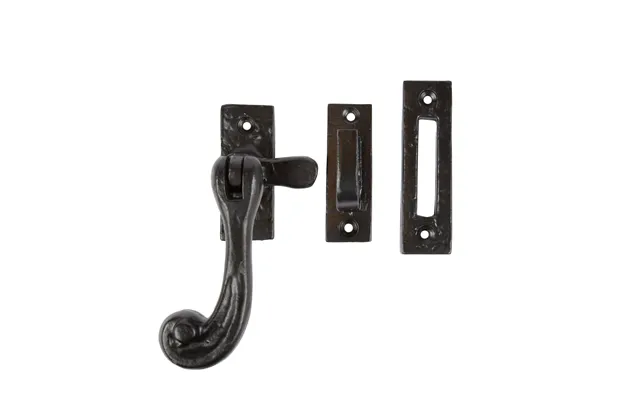
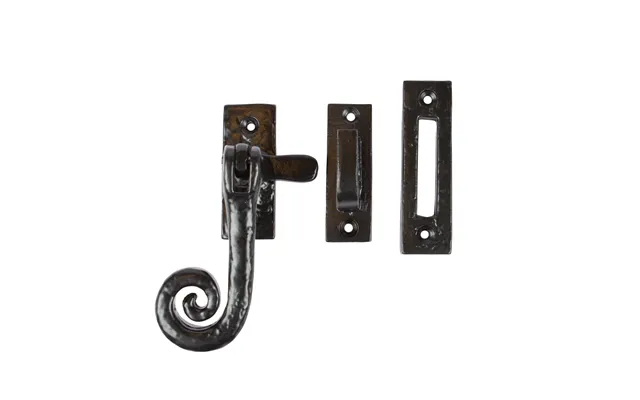
Window Cranks price list
Last updated Monday, 19 Oct 2026
| Window Cranks | Price |
|---|---|
| 45mm X 110mm Black Rustic Left Handed Window Fastener | £1.79 |
| 46mm X 108mm Black Curly Tail Left Handed Window Fastener | £2.09 |



Loading...
Last updated Monday, 19 Oct 2026
| Window Cranks | Price |
|---|---|
| 45mm X 110mm Black Rustic Left Handed Window Fastener | £1.79 |
| 46mm X 108mm Black Curly Tail Left Handed Window Fastener | £2.09 |
Window cranks are one of those small parts of your home that quietly make life easier—or, if they fail, quietly drive you mad. A smooth, sturdy crank lets you open and close casement and awning windows without wrestling or worrying about slippage. Pick the wrong crank and you’ll have a wobbly handle, poor weather sealing, or a mechanism that strains and wears out faster. In short, the right crank improves function, increases security, and keeps your windows energy-efficient. Think of the crank as the handshake between you and your window: firm, reliable, and comfortable.
Not all cranks are created equal. Different windows require different mechanisms, and knowing the main types helps you pick the best match.
Casement cranks are perhaps the most familiar: a handle that turns a gear to swing the window out on a hinge. These are usually installed on side-hinged windows and are prized for their simple operation and excellent sealing when closed. Typical crank lengths range from about 6 inches to 10 inches, giving a comfortable leverage for most hands.
Awning windows hinge at the top and open outward, commonly used higher on walls or over sinks. Their cranks are often shorter—around 4 inches to 8 inches—because they need less leverage. Look for cranks with a sealed operator to prevent water ingress when the window is closed.
If space is tight, folding or telescoping cranks are lifesavers. These collapse close to the frame when not in use, keeping clearances minimal. Telescoping styles extend to 12 inches or more for extra leverage, then retract to just a couple of inches for storage. They’re perfect for cases where furniture sits close to the window.
Security-conscious homes often use cranks with integral locks or key-operated mechanisms. These combine handle control and locking in a single unit, preventing the crank from turning unless unlocked. They’re ideal for ground-floor windows or rooms where kids might play with windows unsupervised.
Material and finish affect durability, look, and feel. The right choice depends on your window location (coastal, urban, humid) and your style preferences.
Stainless steel cranks resist rust and stay smooth over years of use. Aluminum is lighter and usually less expensive; when anodized or powder-coated it handles the elements well. Stainless feels weightier and more solid in the hand, while aluminum keeps things light and won’t sag on larger windows.
Brass or bronze finishes bring a classic look and are often used in traditional homes. Solid brass stands up to wear, but plated finishes can wear over time at high-contact spots. If you want that warm, vintage look, choose solid components where possible.
For a modern or matching aesthetic, powder-coated cranks provide consistent color and a tough surface. They’re available in white, black, and metallic tones. Match the finish to your window hardware for a seamless appearance.
One of the fastest ways to waste time and money is buying a crank that won’t fit. Measuring correctly takes just a few minutes and saves a lot of hassle.
Start by measuring the screw-hole pattern on your existing crank cover plate—from center to center—in inches. Record the backset (distance from the window frame edge to the center of the operator) in inches as well. These two numbers are crucial for matching a replacement crank, and they’re often listed in product specs.
Operators have a spindle or drive shaft that fits into the gearbox. Measure the spindle length and diameter in inches. If your operator uses a square spindle, common dimensions are around 1/4 inch or 5/16 inch across. Make a note of how deep the spindle sits so the replacement will mesh properly.
Think about how far the crank needs to extend to operate comfortably. A 10-inch crank provides more leverage and keeps you further from the window, while a 4-inch crank saves space. Measure the clearance from the handle to furniture or walls to avoid hitting anything when you open the window.
Installing or replacing a crank is often doable as a DIY weekend job, but it helps to know when to hire a pro.
First, remove the old cover plate and handle—typically by unscrewing 1/2-inch to 1-inch long screws. Slide the old operator out and compare screw patterns with the new unit. Insert the new spindle into the gearbox, align screw holes, and fasten the cover plate. Tighten screws snugly but avoid over-tightening, which can strip the frame. Finally, test the crank: it should turn smoothly and latch without excessive force.
If the gearbox is damaged, the window sash is warped, or the crank won’t engage smoothly despite correct measurements, it’s time to call a pro. A trained technician can diagnose misaligned hinges, replace worn operators, and ensure weather sealing is restored—saving you time and preventing damage to the window frame.
When shopping, pick features that match your priorities: durability, ease of use, security, and style.
A quality crank has a gear ratio that balances force and travel. Higher gearing makes it easier to open larger or tighter windows; you’ll notice less effort with a good gearbox. Test cranks for smooth operation—no clicking, grinding, or stiffness.
Lockable cranks, tamper-resistant screws, and reinforced mounts increase home security. For ground-floor windows, choose cranks with keyed locks or those that fully release the handle only when unlocked.
If you live near the coast or in a humid area, prioritize corrosion-resistant materials like stainless steel or specially coated operators. This prevents rust stains and keeps the mechanism functioning longer.
Window cranks work best as part of a system. Consider accessories that boost performance and longevity.
These not only hide mounting screws for a clean look, but they also protect the operator from dirt and moisture. Choose a cover plate that matches your handle finish and the screw pattern you measured earlier.
Some operators use arms or linkages to connect the crank to the sash. If these are bent or worn, they can cause uneven movement. Replacing worn arms often restores smooth operation without replacing the entire operator.
Often the frustration with a crank isn’t the crank itself but the window’s poor seal. Replacing or adding weatherstripping ensures the window sits tight when closed, which reduces strain on the operator and improves energy efficiency. Use foam or rubber weatherstrips sized in inches to match gaps around the sash.
Little maintenance goes a long way. A few minutes every year can add years to an operator’s life.
Wipe the crank and operator with a dry cloth to remove dust, then apply a light lubricant to the gearbox pivot points every 6 to 12 months. Avoid heavy grease that attracts dirt. A spray lubricant applied from about 6 inches away works well for hard-to-reach spots.
Check mounting screws every six months and tighten as needed. Replace stripped screws with the correct length—usually between 1/2 inch and 1 1/4 inches depending on frame thickness. Use tamper-resistant screws if you’re concerned about security.
If you notice unusual sounds, resistance, or the handle not staying in place, address it quickly. Ignoring the problem can lead to a broken operator and a sash that won’t close properly, which can let in drafts or water.
Window crank prices vary widely, from basic economy models to premium, corrosion-proof operators. What you pay depends on material, gearing quality, and extra features like locks or finishes. Spending a bit more on a robust operator often saves money down the line—fewer replacements, less maintenance, and better security. For most homeowners, mid-range cranks with stainless components and a good warranty offer the best balance of cost and performance.
Modern homes benefit from minimalist black or metallic cranks, while traditional properties look great with brass or bronze. Don’t forget the detail: even small mismatches in finish can make a window look unfinished. If you’re replacing multiple units, buy extras to ensure a consistent look and spare parts when needed.
A properly functioning crank helps your window seal tightly, which reduces drafts and heat loss. That improves comfort and can lower energy usage. If energy efficiency is a priority, pair a reliable crank with updated weatherstripping and consider double-glazed or low-emissivity glass upgrades for the sash itself.
Many reputable manufacturers offer high-quality window operators and cranks. Look for companies known for durable hardware and good warranties. When browsing, compare the gearbox type, spindle size, and screw pattern rather than just the brand name. User reviews and compatibility charts are very helpful—especially when replacing an existing operator. If possible, bring your old crank or measurements to the store or include detailed photos when ordering online to avoid returns.
Choosing the right window crank is about matching type, size, and durability to your window’s needs. Measure carefully, consider materials for your climate, and prioritize features that matter most—security, ease of use, and corrosion resistance. With the right choice you’ll enjoy smooth operation, better sealing, and a longer lifespan for your windows. It’s a small investment that pays off every time you open the window for fresh air.
Window cranks may seem like tiny details, but they have a big impact on comfort, security, and the lifespan of your windows. Whether you’re replacing a worn operator or upgrading to a lockable or telescoping model, measuring accurately and choosing the right material and features makes all the difference. Take advantage of accessories like cover plates and weatherstripping, and perform simple maintenance to keep things turning smoothly. With the right crank and a little care, your windows will work better—and look better—for years to come.