
Power Sweepers price list
Last updated Friday, 18 Sept 2026




View 19 Offers

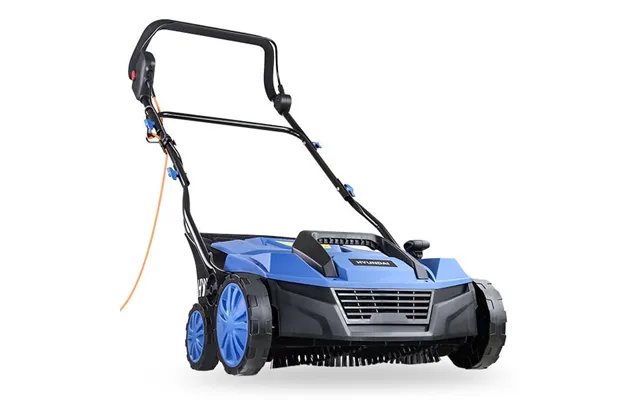
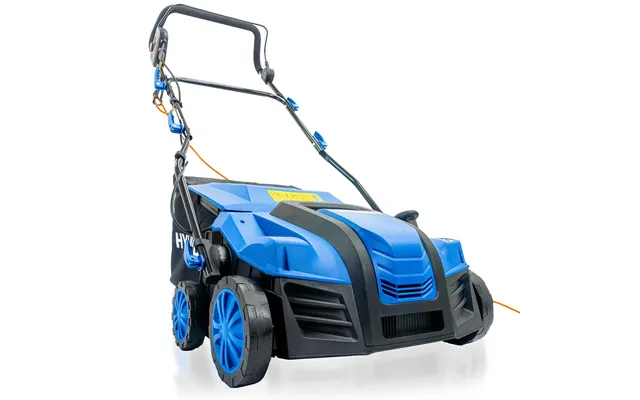
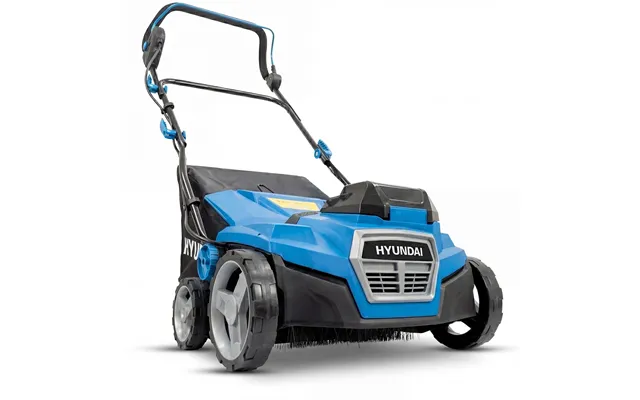
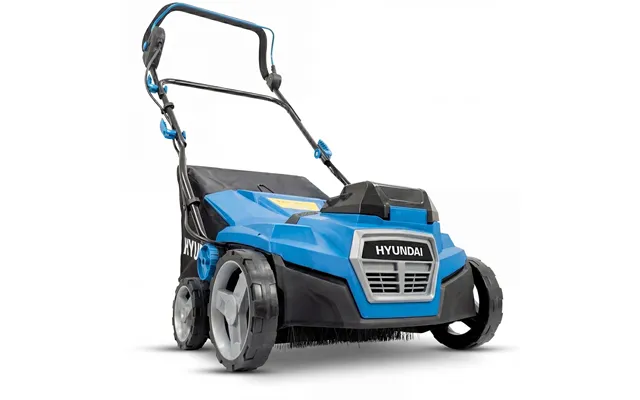
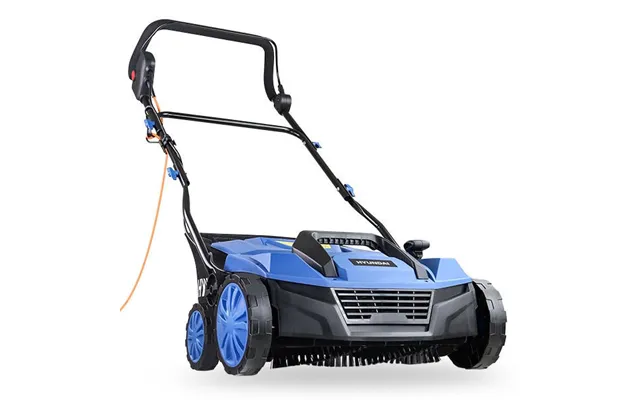
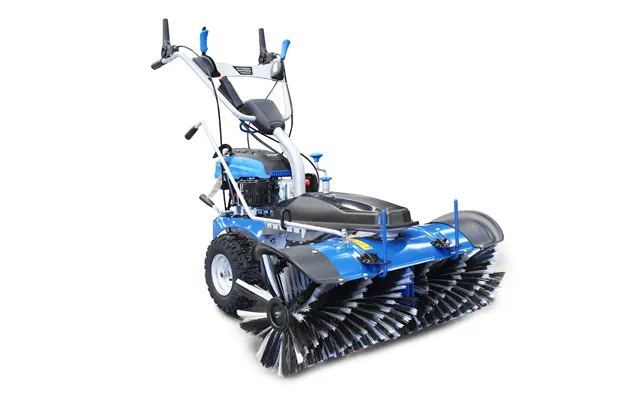
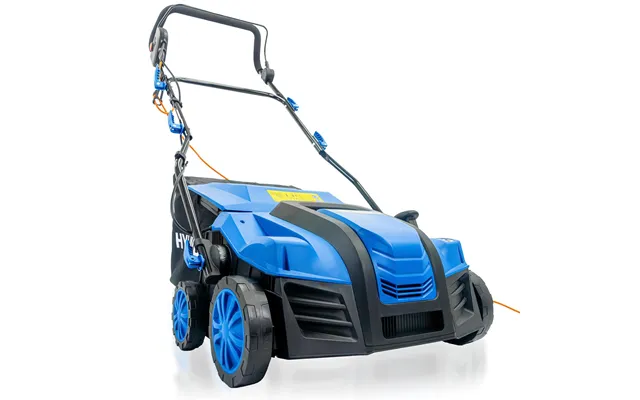
Loading...
Last updated Friday, 18 Sept 2026
Think of a power sweeper as a compact street sweeper for your driveway, patio, or lawn — it lifts leaves, gravel, moss, and debris quickly so you don’t have to bend, rake, or sweep by hand for hours. Unlike a leaf blower that moves material around, a power sweeper collects and contains debris in a hopper or bag, making cleanup feel more like vacuuming than a workout. If you maintain a medium to large yard, manage gravel paths, or need to keep a driveway pristine, investing in a power sweeper can save time and keep your outdoor space looking tidy all year.
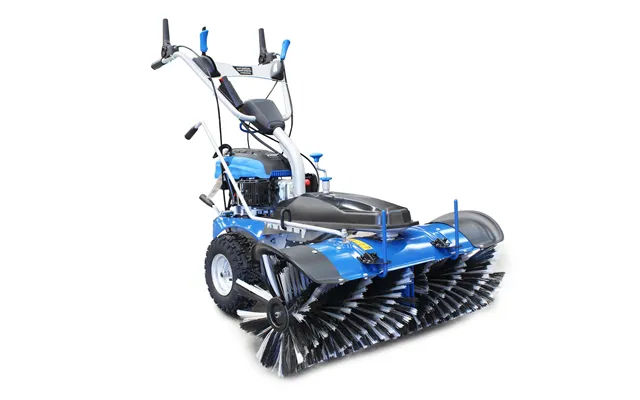
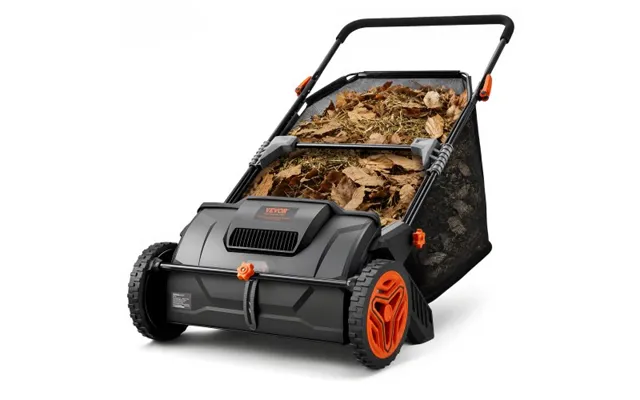
Walk-behind sweepers are the go-to for homeowners who want a balance between control and power. You walk behind the machine, guiding it like a lawn mower, and rotating brushes sweep debris into a collection hopper. These units are ideal for driveways, patios, and light commercial use. Brush widths commonly range from about 18 to 36 inches, which lets you cover ground quickly without being bulky.
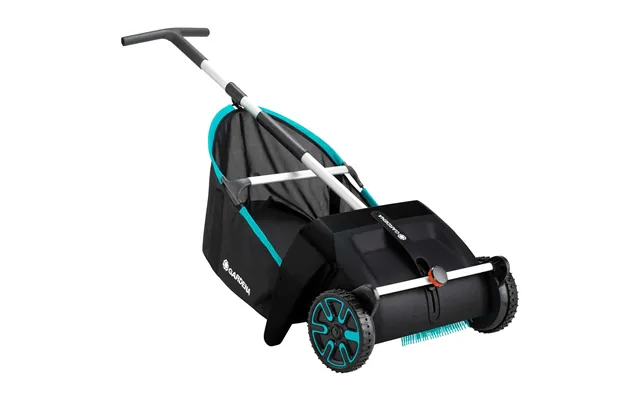
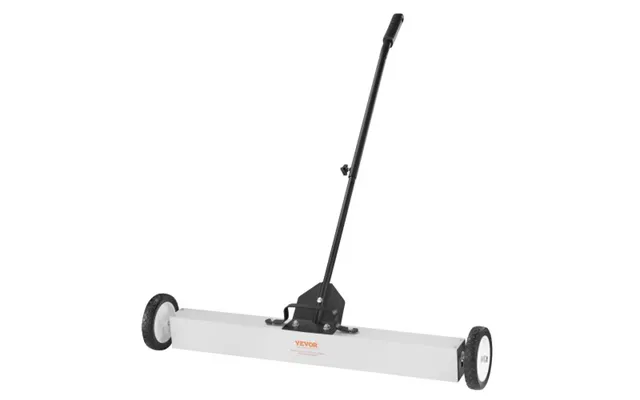
Push sweepers are simple, manual or assisted machines that rely on your walking speed to turn the brushes. They’re lightweight and affordable, perfect for small yards, porches, and quick touch-ups. If you want something low-maintenance and quiet, a push sweeper is like the broom’s modern cousin — easier on the back and faster than a hand broom but without the noise or emissions of engine-driven models.
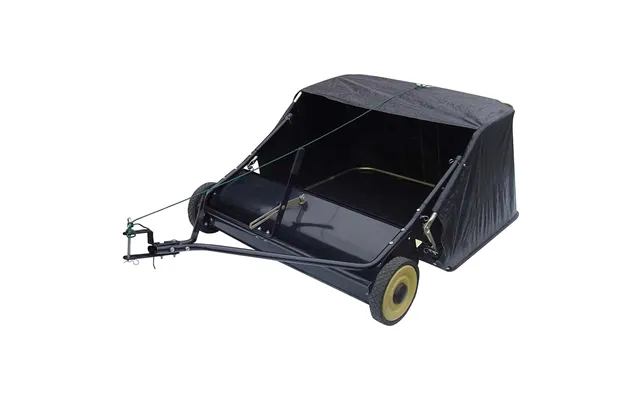
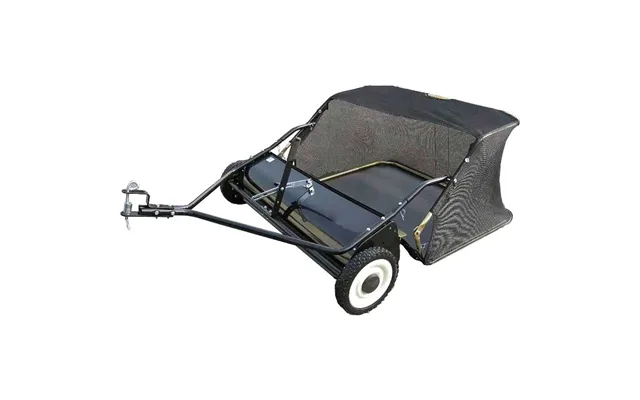
Tow-behind lawn sweepers hook up to a garden tractor or ATV and are the heavy lifters of the group. They’re designed for large properties and can collect grass clippings, leaves, and seeds over several acres. Hopper sizes are usually measured in cubic feet; many models hold the equivalent of several 5-gallon buckets, so you spend less time emptying and more time mowing or cruising the grounds.
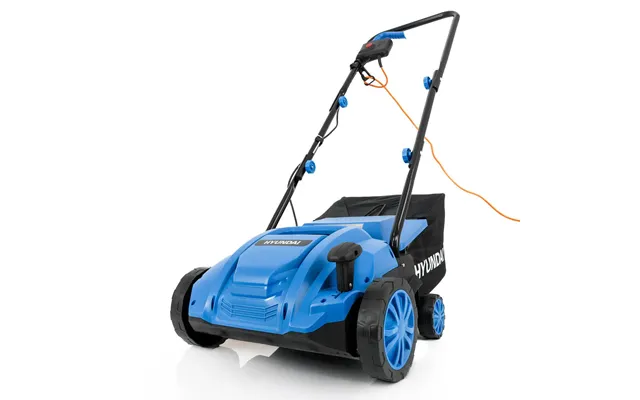
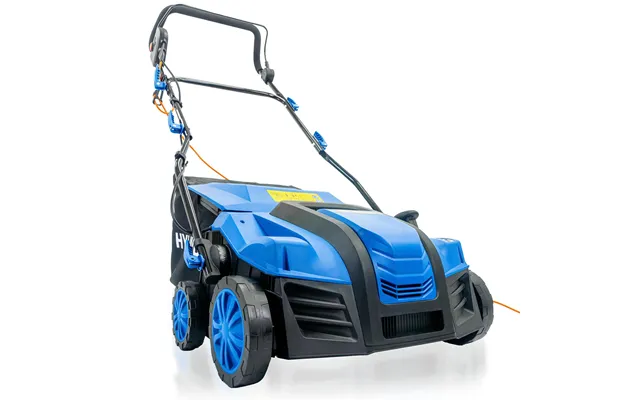
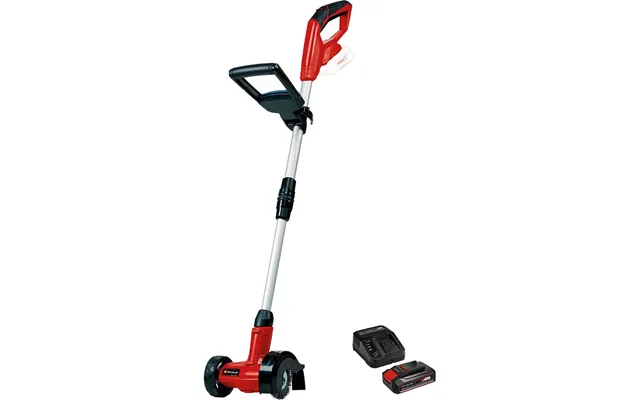
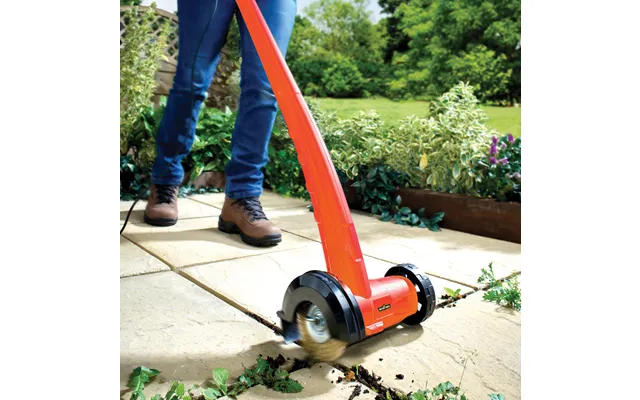
Electric and battery-powered sweepers are cleaner, quieter, and easier to maintain than petrol models. Recent battery tech gives you enough runtime to handle typical yard jobs — often up to an hour depending on brush load and terrain. These sweepers are ideal for residential use and urban areas where noise restrictions matter. They’re like the silent, tidy roommate of outdoor tools.
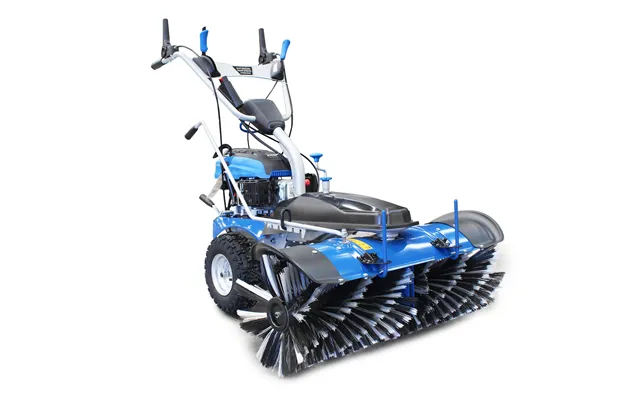
Petrol sweepers bring raw power and longer runtime, which is useful for commercial tasks or large residential jobs. They can handle heavy debris and rough surfaces with larger engines and reinforced brushes. Think of petrol sweepers as the pickup truck of outdoor cleaners: noisy, strong, and ready for tough work. Keep fuel and engine maintenance in mind, though — they need regular servicing to stay reliable.
For niche tasks — like cleaning tight corners, steps, or light brush clearing — backpack sweepers and handheld power sweepers can be surprisingly effective. They don’t collect debris into a hopper but blast it into piles for an easier pass with a sweeper or collector. Use them like a spot-cleaning tool when full-size machines would be overkill.
Brush width determines how much ground you cover with each pass. Wider brushes — often 24 to 36 inches — cut cleaning time, but tight spots call for narrower heads. Brush type matters too: coarser bristles tackle gravel and heavy debris, while softer brushes are gentler on patios and decking. Some models offer interchangeable brushes so you can switch between sweeping leaf litter and scrubbing moss.
Hopper capacity is crucial if you hate stopping to empty the machine every few minutes. Homeowner models typically hold a few cubic feet; tow-behind units can hold far more. Consider how easy it is to dump the hopper — a lift-and-tip mechanism or a quick-release bag saves your back and makes the job feel less like chorework and more like automation.
Decide whether you prefer corded electric, battery, or petrol. Corded models offer endless runtime but limit range; batteries free you from cables but require charging time, usually expressed in hours; petrol units run until the tank is empty, but you’ll need to plan for fuel storage and engine upkeep. For most homeowners, a battery model with a 30–60 minute runtime hits the sweet spot between convenience and performance.
How easy is the sweeper to steer around corners, up ramps, and between garden furniture? Lightweight units are nimble but may struggle with heavy debris, while heavier sweepers track straight and handle rough ground better. Consider foldable handles and compact storage if you're tight on garage space — a sweeper should feel like an extension of your arm, not a second chore to wrestle.
If you live in a neighborhood with noise restrictions or want to avoid waking up the household, opt for electric or battery models that run quietly. Petrol sweepers are louder but powerful; if you choose one, plan your cleaning for midday or when neighbors are least likely to complain. Think of noise level as the personality of your tool — some are chatty, some are whisper-quiet.
Look for metal frames, reinforced brush housings, and weather-resistant hoppers if you expect frequent use or harsh conditions. Plastic-bodied units are lighter and cheaper but may not withstand knocks from gravel or stone edges. A machine built like a tank will repay you with years of reliable service, especially if you use it on rough driveways and paths.
A good sweeper can be more versatile with attachments: replacement brushes, larger hoppers, tow hitches, or conversion kits that let you switch between sweeping and collecting. These extras expand the value of your purchase and help you tailor the machine to seasonal tasks — think of attachments as interchangeable tools that turn one machine into many.
Before you start, clear the area of large objects like rocks, toys, and loose branches. Check brush condition and hopper attachment, and make sure batteries are charged or the petrol tank is full. Set brush height according to the surface: lower for stubborn debris on hard ground, higher for gentle sweeping on delicate surfaces. A little prep goes a long way to avoid clogs and protect the machine.
Work in overlapping passes, like mowing a lawn, to catch every bit of debris. Move at a steady pace — too slow and you wear down brushes unnecessarily, too fast and you leave a mess. For edges and corners, make a second angled pass rather than forcing the machine into tight spots. If you’re cleaning gravel or fine mulch, adjust brush hardness to avoid throwing material away instead of collecting it.
After each use, empty the hopper and clear any stuck debris from brushes and spindle areas. Wipe down the frame, check for wear, and lubricate moving parts as recommended in the manual. For petrol engines, change oil and air filters at the intervals suggested by the manufacturer. Treat your sweeper like a trusty bicycle — a little maintenance keeps it rolling smoothly for years.
While model availability varies, several brands are consistently recommended for quality and support. Billy Goat is known for commercial-grade sweepers that last through heavy use. Kärcher and Flymo make a range of electric and battery units suited to homeowners who prioritize quiet operation. Husqvarna and Stihl offer versatile garden tools that include sweepers or compatible collectors, and Masport and Toro produce reliable petrol and tow-behind sweepers for larger properties. When choosing a model, match the brand’s strengths to your needs: commercial durability, quiet operation, or large-capacity collection.
Leaf blowers are a great pre-clean tool. Use a blower to concentrate scattered leaves and debris into piles, then run a sweeper to collect them. It’s like the teamwork of a good relay race: the blower does the heavy positioning, the sweeper finishes the job neatly.
For stubborn grime on driveways and patios, pair sweeping with a pressure washer. Sweep first to remove loose debris, then wash to remove stains and embedded dirt. Together, they bring surfaces back to that “like-new” look without endless scrubbing.
If you’re dealing with large volumes of leaves, a garden vacuum with a shredding function can reduce those leaves to a fraction of their original size, making them easier to compost. Consider a vac-sweeper combo or an attachment that lets you vacuum into a hopper that’s easy to empty.
Power sweepers are sold through garden centers, specialist dealers, and comparison platforms online. Prices vary by type and capability: small push or electric models can start in the low hundreds, mid-range walk-behind battery models fall into the mid-hundreds to low thousands, and heavy-duty petrol or tow-behind sweepers can reach several thousand dollars for commercial-grade units. Think about total cost: battery replacements, extra brushes, or engine servicing can add up, so factor in long-term ownership costs when comparing models.
Regular care is the secret sauce to long life. Keep brushes clean and replace them when bristles wear down noticeably. Store the sweeper in a dry spot to prevent rust and corrosion, and tip fuel out of petrol engines if storing for more than a month. Follow the manufacturer’s recommended service schedule for engines and batteries. Simple steps like tightening bolts and greasing pivot points save expensive repairs down the road.
Wear eye and ear protection when operating powerful sweepers, especially petrol models. Avoid loose clothing that can get caught in brushes, and never stick hands near moving parts. Be mindful of bystanders and pets; give a wide berth while working and keep children away from the area until you’ve finished and the machine has fully stopped. Like any powered tool, respect the machine and it will respect your safety.
Ask yourself a few quick questions: How large is your area — a small patio, a half-acre yard, or several acres? Do you need quiet operation? Are you willing to maintain a petrol engine? If you’re cleaning a small to medium yard and prefer low fuss, a battery-driven walk-behind or push sweeper is likely the best match. For large grounds or commercial use, look toward petrol or tow-behind lawn sweepers with larger hoppers and durable frames. Match your answers to the machine’s strengths and you’ll find a tool that feels custom-made for your chores.
Power sweepers turn tedious outdoor chores into short, satisfying tasks. They’re an investment in time saved and in the curb appeal of your home. Whether you go for a silent battery unit or a muscle-bound petrol sweeper, the right machine pays back in weekends reclaimed and a yard that looks cared for without the elbow grease. Think of buying a sweeper as hiring a mini street-cleaning crew that lives in your shed — efficient, reliable, and ready when you are.
Conclusion: Choose a machine that fits your space, matches your comfort with maintenance, and has the features you’ll actually use. With a little research and the right model, a power sweeper becomes the secret weapon in your outdoor-care arsenal.