All categories
Business & Offices
Electronics & Media
Fashion & Accessories
Groceries & Essentials
Health & Personal Care
Home & Living
Kids & Family
Sports & Outdoors
Search in ZoneOffer

Loading...
Measuring tool and sensor accessories are the unsung heroes that turn good instruments into great performers. Think of them as the extra gears in a well-oiled machine—tripods that keep laser levels steady, magnetic mounts that free up your hands, probe kits that expand what your meters can detect, and protective cases that survive jobsite scrapes. When you’re scanning popular offers in the UK on comparison sites, you’ll find an ocean of “other” accessories that don’t always fit neat categories but make a huge difference in accuracy, speed, and safety. The trick is knowing which add-ons matter for your tools and how to spot quality without overpaying.
Here’s a quick reality check: most measurement mistakes aren’t from the tool—you can thank the setup. A laser level is only as true as its tripod. A moisture meter is only as deep as its probe. A decibel meter is only as consistent as its windscreen and calibrator. Accessories bridge the gap between manufacturer specs and real-world results. And when you’re comparing offers online, a well-chosen accessory bundle can save time on site, shave dollars off your budget, and extend your gear’s lifespan. Want pro-grade outcomes without upgrading your whole kit? The right accessories are your shortcut.
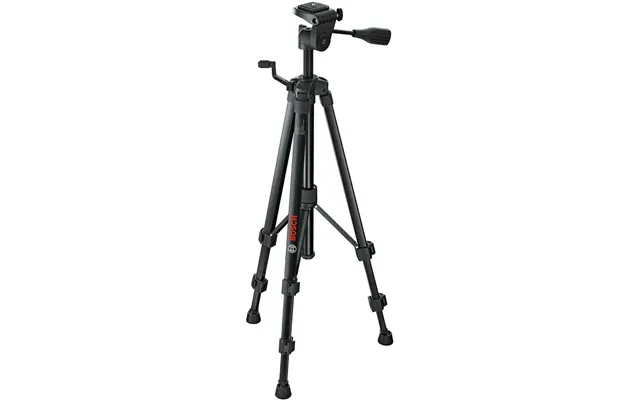
Laser levels are precision beasts, but they need stable, compatible support. If you’ve ever chased a wandering line because of a wobbly stand, you know the pain. Popular offers often bundle stands, mounts, and targets—great, but not all are equal. Look for robust clamps, wide feet, and dampening features. Check thread compatibility upfront and you’ll dodge a world of frustration.
For laser levels and optical tools, tripods with 5/8"-11 threads are construction-grade standards, while many compact devices use 1/4"-20. Adapters let you mix and match, but sturdy legs, locking collars, and non-slip feet are what really keep your line steady. Want vertical freedom indoors? A telescoping pole that clamps floor-to-ceiling is fast and reliable. Prefer flexible placement? Magnetic mounts and ceiling brackets let you snap gear to steel studs or suspend it from joists, all without drilling. If you work on uneven floors, consider a tripod with adjustable feet and a bubble vial to fine-tune level in seconds.
When ambient light washes out your beam, reflective target plates and bright laser glasses help you find the line without squinting. Targets with fine graduations let you dial in precise marks, especially across long spans or in bright interiors. Look for rugged plates that don’t warp and a stand or base that won’t tip when you’re stretching for that last inch. For outdoor work, pick high-contrast targets that pop even in direct sunlight—your eyes (and schedule) will thank you.
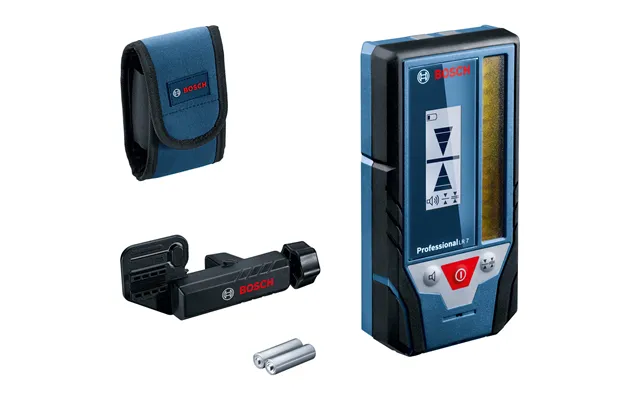
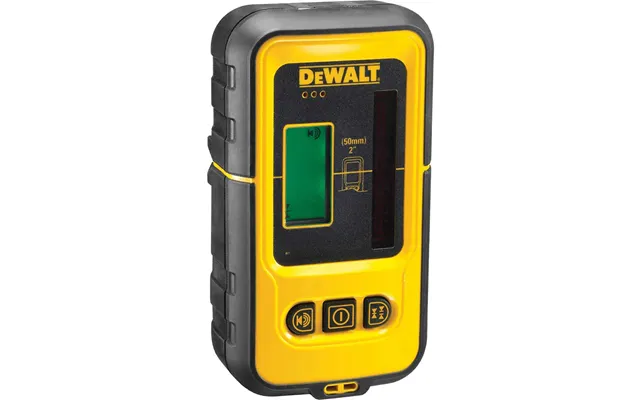
Laser receivers extend your range big-time, translating invisible beams into audible and visual feedback. If you’re grading or setting out at distance, a receiver is almost mandatory. Some kits include remote controls so you can switch modes or rotate the head without walking back and forth—small accessory, massive time saver. Make sure the receiver and remote are compatible with your laser’s wavelength and pulsing mode, and check for weather sealing if you’re working in unpredictable UK conditions.
Distance meters, angle finders, and smart tapes are only as reliable as their alignment and data capture. Accessories that stabilize your aim and log results cleanly can cut rework and errors. A basic handheld can act like an advanced device when paired with targets, data kits, and mounting hardware.
For distance meters, reflective target cards tighten up readings over longer runs and on dark or irregular surfaces. Target plates with clear crosshairs help you hit the exact point, avoiding accidental hits on nearby edges. If you often work solo, consider a plate with a fold-out stand—prop it, ping it, and move on. Keep a few spares in your case; they weigh next to nothing but pay for themselves the first time you avoid a mis-read.
Sick of scribbling numbers? Bluetooth and USB data modules stream measurements directly to your phone, tablet, or laptop. It’s a simple upgrade that cuts transcription errors and speeds up estimates. Look for manufacturer-approved kits to ensure smooth pairing. If you’re on Windows software or browser-based apps, confirm OS compatibility and whether you’ll need a specific cable or dongle. Bonus points if the kit lets you tag measurements with notes or photos for clear reporting later.
Whether you’re setting control points or aligning machinery, the right surveying accessories keep everything locked on target. Precision isn’t just about optics—it’s about stable platforms, clean sightlines, and tight alignment across your setup.
Survey prisms come in full-size and mini formats. Full-size prisms excel at longer distances, while mini prisms shine in tight spaces. Pair them with rigid poles and a solid tribrach that centers smoothly. A bipod adds hands-free stability when you need both hands for notes or radio calls. Keep caps on prism faces when not in use—scratches add noise to your measurements faster than you’d think.
Thread mismatch is a sneaky time-waster. Stock a couple of adapters—5/8"-11 to 1/4"-20 and the reverse—and you’ll be ready for almost any mount, bracket, or pole. Use quality metal adapters with crisp threads and snug shoulders to avoid wobble. If you’re rotating between tools on the same tripod, quick-release plates are worth their weight in gold, letting you switch devices mid-job without re-leveling the whole rig.
Comfort, safety, and building performance measurements depend on sensors that breathe cleanly and respond quickly. The right accessories ensure you capture true conditions, not noise from wind, dust, or mishandling. If your readings vary wildly day to day, accessories are your first suspect and your fastest fix.
Temperature and humidity sensors benefit from protective housings that allow airflow while blocking splashes and dust. For deeper insight, plug-in probe kits expand reach into ducts, wall cavities, and attic spaces. Use probe extensions to reach awkward corners, and mark your insertion depth to keep readings consistent across rooms. When logging near vents or heaters, use a small stand or clip to hold the probe steady away from direct blasts for more representative numbers.
Replacing worn anemometer cups can restore buttery-smooth rotation and more accurate airflow readings. If you’re measuring ventilation performance outdoors or on rooftops, a wind vane helps stabilize direction, while a clamp-on mast secures your meter above turbulence near the surface. Always check that the spindle and bearings are clean; a tiny speck of grit can drag readings down more than you’d expect.
CO2 sensors and particle counters need clean inlets. Inline dust filters and replaceable pre-filters keep contamination from skewing readings and extend sensor life. In dusty renovations or workshops, fit a protective boot and swap filters on a schedule. If you’re logging continuously, use clear tubing and secure fittings rated for your device—extra resistance will delay response times and can mislead your conclusions about air quality.
From everyday multimeters to precise gauges, the right leads, clamps, and protectors separate crisp measurements from questionable ones. It’s not glamorous gear, but it’s absolutely foundational when safety and accuracy are on the line.
Stock high-quality silicone leads that stay flexible in cold weather and resist nicks. Swap out worn probe tips—they’re cheap, and dull points can slip or give unstable readings. Alligator clips, grabber hooks, and fork terminals let you secure connections safely so both hands stay clear. If you routinely measure higher currents, add a clamp adapter and verify your meter’s input rating before you clip on.
Precision scales and pressure gauges drift over time. Keep a set of calibration weights and a pressure or acoustic calibrator in your kit to verify performance on site. A simple acoustic calibrator helps sound level meters stay true, and a snubber for pressure gauges smooths spikes to protect the movement. Sticking to a routine—say quarterly checks—keeps numbers trustworthy when project decisions depend on them.
Building surveys demand more than a basic meter. Moisture hides, heat sneaks across surfaces, and cavities trap surprises. Accessories expose what’s behind the wall so you can plan the right fix the first time.
Shallow pin sets are fine for quick checks, but deep wall probes and hammer electrodes tell the full story in timber, plaster, and masonry. Hardened pins bite cleanly and last longer, while insulated shafts isolate depth-specific readings. Keep a small bottle of contact solution on hand for stubborn surfaces, and always carry spare pins—you’ll thank yourself when one snaps mid-survey.
Inspection cameras become far more versatile with interchangeable tips: hook and magnet ends for retrieval, 90-degree mirror tips for side views, and centering skids to glide through pipes. For tight bends, a slimmer camera head and flexible cable sleeve will reduce snagging. Wipe lenses with a proper cloth; scratches and residue blur the image and make subtle defects easy to miss.
Thermal imagers thrive on clean optics. Lens caps, soft pouches, and clip-on sunshades protect sensitive lenses and improve readability outdoors. A tripod adapter lets you capture repeatable, steady shots for before-and-after comparisons. When scanning near hot equipment, give the camera a moment to acclimate, and use a hand strap to keep your grip secure while you pivot for the best angle.
Gas detectors are life-safety tools. Their accessories—calibration gas, regulators, bump test kits, and sampling hoses—aren’t optional. If you’re buying in the UK, you’ll see popular bundles; prioritize traceable gas, proper regulators, and docking options that simplify daily checks without fuss.
Use certified cylinders and match gas concentrations to your detector’s sensors. A fixed-flow regulator keeps delivery steady, while demand-flow regulators pair with many docking stations. Choose kink-resistant tubing with snug barbs to avoid leaks, and label hoses by gas type to prevent mix-ups. Store cylinders upright, away from heat above 120°F, and note expiry dates so you’re not caught out mid-job.
A quick bump test before each shift verifies the sensors and alarms are awake and responsive. Docking stations automate bump tests, calibration, and logging so records are airtight. If you work across multiple sites, a portable test kit pays for itself in saved time. Make it habit: bump daily, calibrate on schedule, and you’ll sleep better at night.
If you’ve ever watched a tool tumble off a scaffold, you know the value of protection and tethers. Power accessories are just as crucial: dead batteries at noon can kneecap the whole day. A small investment in cases, guards, and reliable power turns chaos into calm.
Rugged cases with custom foam keep delicate sensors and optics safe between sites. Belt pouches and holsters speed access for frequently used meters, while tool lanyards help prevent drops from height. Pick tethers rated for the weight of your gear and use carabiners that lock positively. For everyday carry, a compact organizer pouch stops leads, adapters, and tiny parts from vanishing into the van abyss.
Keep spare batteries and a smart charger in your kit. If your device takes rechargeables, a multi-bay charger with independent channels extends life and keeps cells balanced. On long days, a rugged power bank can top up USB-powered tools and data modules. Label your packs by date and rotate them; it’s a simple habit that cuts mid-shift power tantrums to zero.
Rubber boots, splash guards, and lens covers add survival points to any field instrument. In wet or dusty sites, they help maintain buttons, seals, and optical surfaces. A small blower bulb and microfiber cloth travel easily and keep sensors clear. It’s like sunscreen for your tools—preventive care that avoids painful, expensive burns later.
Browsing popular offers is fun—until you’re knee-deep in tabs and specs. A simple game plan cuts through noise. Use comparison sites to filter by compatibility, thread size, and protection rating, then bookmark a short list. If you’re weighing two similar accessories, prioritize durability and compatibility over minor spec flex. Every minute you save here is minutes saved in the field.
Start by matching connection types and threads: 1/4"-20 for compact devices, 5/8"-11 for pro tripods and heavy kit. Next, confirm your device’s model and wavelength where relevant (especially lasers and receivers). Filter by weather resistance and weight if you’re mobile. Finally, read real-world use cases; a mount that holds firm on steel beams in a busy site beats a flimsy “universal” bracket every time.
Double-check thread sizes, mounting systems, load capacity, and material quality. For electronic add-ons, verify OS compatibility, cable types, and battery requirements. For filters and gas kits, confirm concentration, flow type, and certification. If a tripod or pole doesn’t list load capacity, consider that a red flag. On the flip side, genuine ratings and clear diagrams are green lights that you’re looking at a well-made accessory.
Beware “universal” claims. Many are fine, but the devil hides in threads, widths, and clearances. If your device sits close to walls or ceilings, make sure the mount’s arms and knobs won’t collide. For receivers and remotes, match the laser class and pulse mode. And remember: adapters fix thread mismatches, but they don’t fix flimsy. Choose adapters cut from solid metal with clean shoulders for rock-steady connections.
Accessories earn their keep when they last. A few mindful habits will keep your kit performing like new. Clean, dry, store—repeat. And don’t skip calibration support for tools that drive critical decisions. You wouldn’t skip an oil change on a truck; your instruments need tune-ups too.
Pack accessories into dedicated cases so cables don’t kink, lenses don’t scratch, and small parts don’t wander. After dusty work, wipe everything down and give filters a quick check. In wet conditions, air-dry foam and pouches overnight. Keep desiccant packs in cases for optics and electronics. Label your cases and bags by tool type—future you will be grateful when the clock is ticking.
Set reminders for calibrators, weights, gas kits, and acoustic units. Keep a simple log—date, tool, result, action. If a reading drifts beyond tolerance, investigate the accessory chain first: loose mounts, dirty lenses, clogged filters, bent pins. Solving the smallest issue often brings the whole system back into spec, saving the cost and downtime of sending gear out for service.
On UK comparison sites, “other” measuring tool and sensor accessories often show up in value-packed bundles: tripods with adapters, laser target kits, probe assortments for moisture meters, and gas docking combos. Watch for seasonal promos and clearance on last-year models—threads and mounts rarely change, so you can score premium build quality at a friendlier price. As always, compare multiple retailers through a trusted comparison platform so you snag the right accessory at the right moment without guesswork.
From rock-solid tripods and precision prisms to protective cases, filters, probes, and calibration kits, the right accessories transform your measuring tools into reliable, efficient, job-ready systems. Focus on compatibility, durability, and the handful of specs that actually matter, then use comparison sites to pinpoint popular offers across UK retailers. Do that, and you’ll spend less time fiddling, more time measuring, and a lot less money replacing gear that shouldn’t have failed in the first place. Smart accessories aren’t extras—they’re your shortcut to pro results, every single day.
| Measuring Tool & Sensor Accessories - Other | Price | |
|---|---|---|
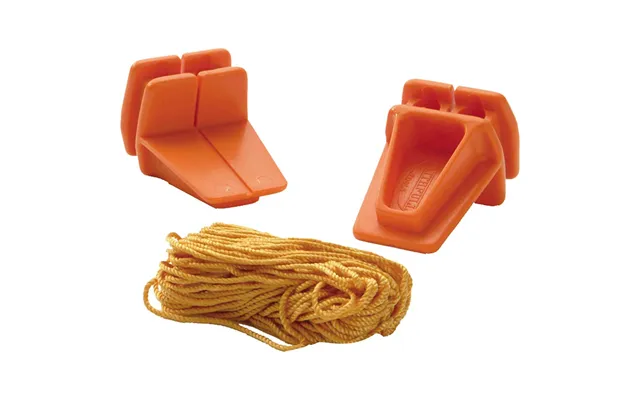
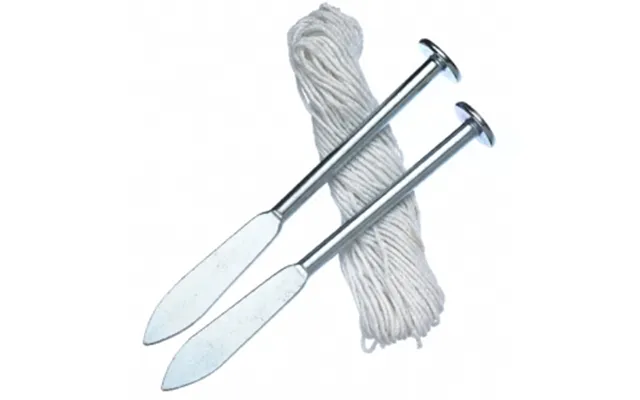
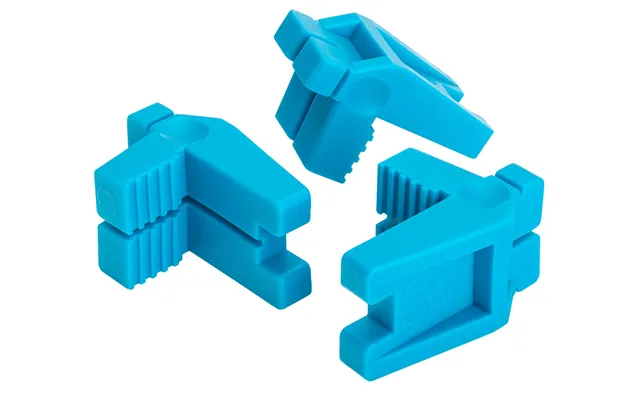
| Faithfull Failb Line Blocks With 18m Line | £ 3,83 | |
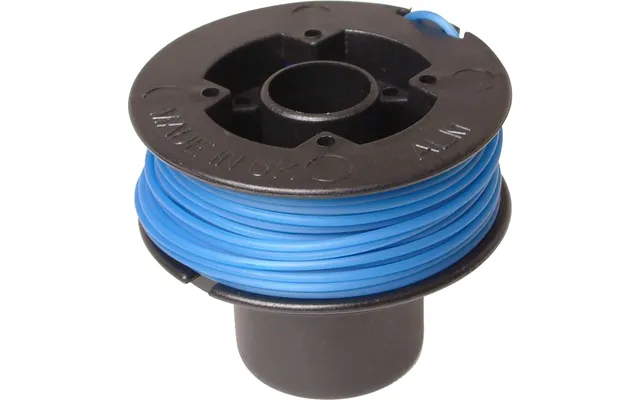
| Alm Manufacturing Bd021 Spool & Line | £ 4,28 | |
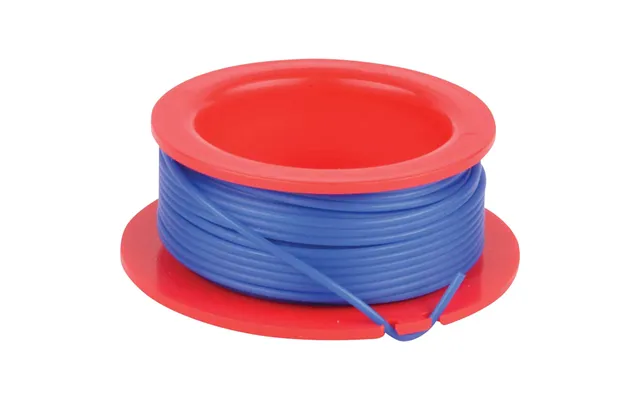
| Alm Manufacturing Fl031 Spool & Line 1.5mm X 7m | £ 4,44 | |
| Alm Manufacturing Bd401 Spool & Line | £ 4,86 | |
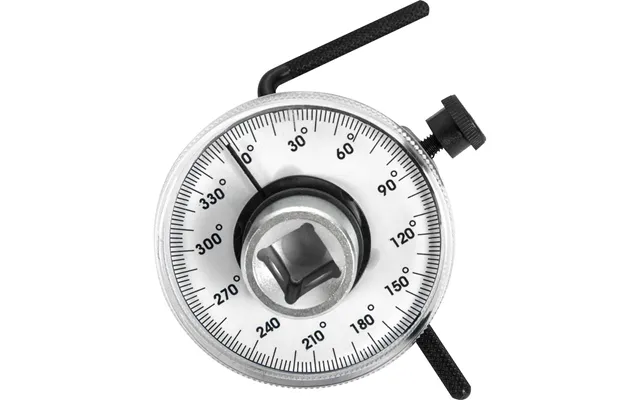
| Bluespot Tools 7940 Torque Angle Gauge | £ 5,58 | |
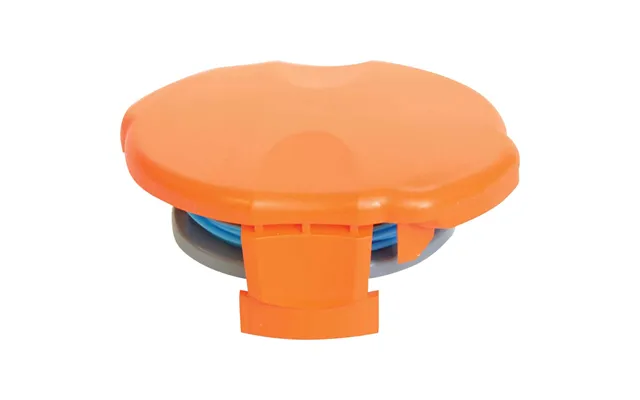
| Alm Manufacturing Fl489 Spool & Line With Cover 1.5mm X 2 X 5m | £ 6,71 | |
| Bosch 0601069c00 Rc 2 Professional Remote | £ 58,26 | |
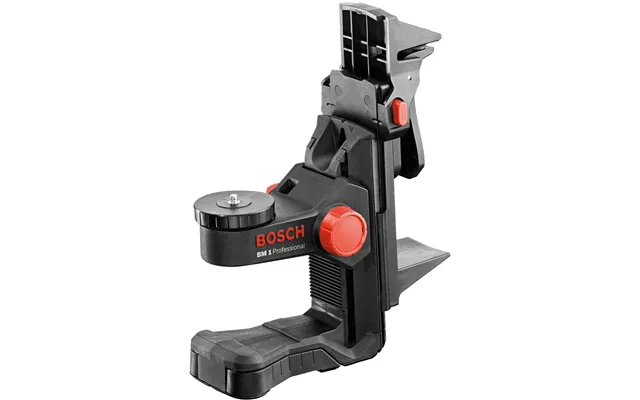
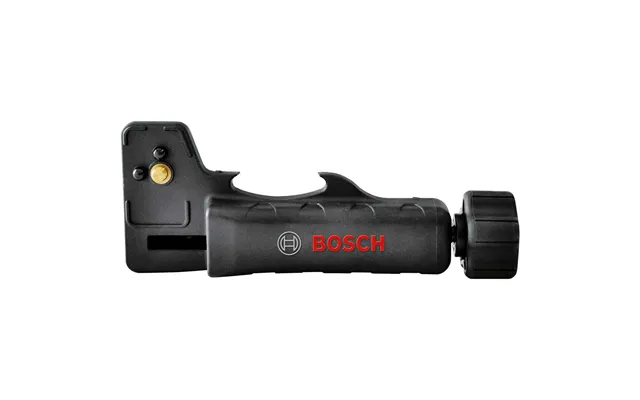
| Bosch 0601015a01 Bm 1 Professional Universal Mount | £ 61,89 | |
| Scanner Harness - Elastic Version |

| £ 62,65 |
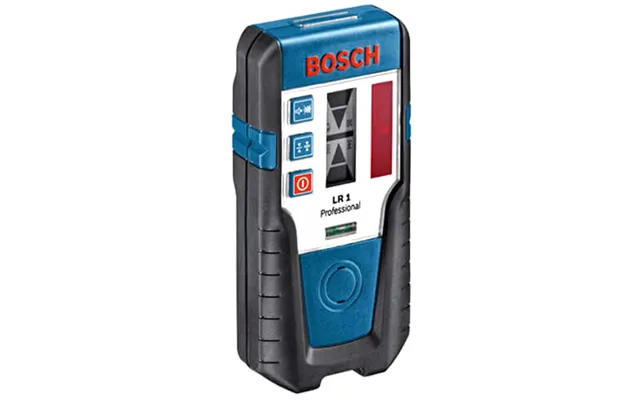
| Bosch 0601015400 Lr 1 Professional Laser Receiver | £ 169,90 |