
Rebar Cutters price list
Last updated Friday, 18 Sept 2026





Loading...
Last updated Friday, 18 Sept 2026
If you've ever tried cutting rebar with an angle grinder or bolt cutters, you already know it can be slow, smoky, and downright dangerous. A dedicated rebar cutter is designed specifically to slice through reinforcing bars cleanly and quickly, leaving a smooth end and minimizing sparks or heat. Think of it like the difference between using a kitchen knife and a meat slicer: both cut, but one is built for speed, safety, and a consistent result. For pros and serious DIYers who work with concrete and steel often, rebar cutters save time, reduce fatigue, and produce a more reliable finish, which matters when you want rebar to fit snugly into forms or couplers.
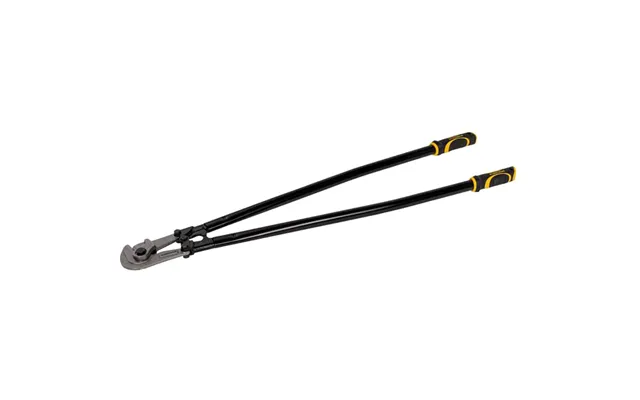
Manual rebar cutters are simple, hand-operated tools that are ideal for light-duty jobs and tight budgets. They usually look like oversized bolt cutters and can handle small diameters—typically up to about 1/2 inch. They're lightweight and portable, making them a good companion on smaller sites or for landscaping tasks. The trade-off? You need more elbow grease, and repeated cuts can tire you out. If you're doing a handful of cuts here and there, manual cutters are a low-cost, low-maintenance option.
Hydraulic rebar cutters are the workhorses of construction sites. With a hydraulic cylinder delivering high force, these cutters can slice through larger bars—often up to 1 inch or more in diameter—without excessive effort. They come in handheld, bench, and truck-mounted formats, and many models weigh between 20 and 60 pounds, depending on capacity and build. Hydraulic cutters are favored when you need fast, repeatable cuts with minimal physical strain. They also generally produce straighter cuts and less deformation than manual methods.
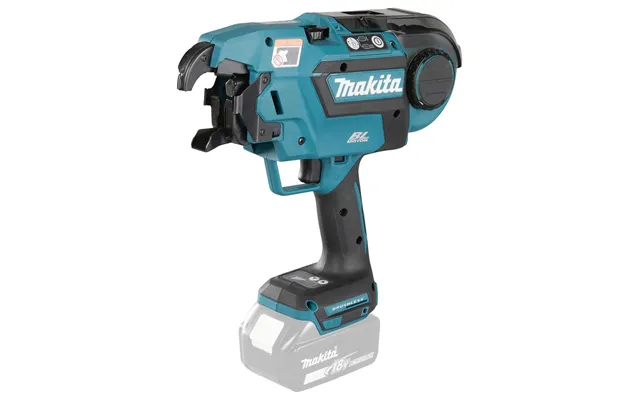
Electric rebar cutters offer convenience and speed, often falling between manual and hydraulic options in terms of capacity and price. Corded models deliver continuous power for long shifts, while cordless versions bring Freedom Of Movement—great for sites without easy access to power. Battery-powered cutters have improved dramatically, with some high-capacity models handling up to 3/4 inch rebar on a single charge. Expect these tools to weigh in the neighborhood of 15 to 35 pounds, depending on battery and motor size.
One of the first specs to check is cutting capacity, usually listed in inches. Common cut capacities you'll see are 1/4 inch, 3/8 inch, 1/2 inch, 3/4 inch, and 1 inch. Match this to the rebar sizes you use most. If you primarily work with smaller rebar, a lightweight model rated for up to 1/2 inch can keep costs and weight down. But if you commonly deal with #4 or #5 bar, aim for a cutter rated at 3/4 inch to 1 inch so the tool isn't under stress and will last longer.
For electric and cordless cutters, motor power determines how many cuts you can make per minute and how hard the unit can work without bogging. Look at motor RPM, amperage (for corded tools), and battery voltage/capacity (for cordless models). High-voltage batteries—think 18V to 36V and beyond—typically provide more torque and longer run time. For hydraulic models, focus on the PSI or force rating and the stroke length of the cylinder for smooth, complete cuts.
Durable housing, hardened cutting blades, and robust hinge pins extend tool life. However, durability often comes with extra weight. Most portable rebar cutters range from about 10 pounds for manual lightweight models to upwards of 60 pounds for heavy hydraulic bench units. Consider how you'll move the tool around the jobsite; heavier units might need a cart or truck mounting. If you expect daily transport, prioritize models with handles or carry cases to reduce strain and injury risk.
Good rebar cutters include features like blade guards, two-handed activation switches, anti-kickback designs, and lock-out mechanisms. These prevent accidental starts and reduce the chance of flying debris or pinched hands. Electric models often have overload protection and temperature cutouts, while hydraulic units may include pressure relief valves. Safety isn't a checkbox—it's a core part of choosing a tool that will protect both you and your team over years of use.
Rebar cutters are used across a wide range of jobs: forming footings, prepping reinforcement for foundations, building retaining walls, making garden planters, or even crafting metal art. Contractors doing sidewalk repair, concrete slab work, or block and brick reinforcement will find rebar cutters indispensable. Landscapers and DIY homeowners can also benefit from portable cutters for small projects like tying horizontal rebar to stakes or cutting rebar for trellis supports. Essentially, if you work with reinforced concrete or steel stakes, a rebar cutter will pay for itself through time savings and cleaner cuts.
Cutting rebar is only half the job—bending is often next. A rebar bender lets you shape bars to fit forms and corners precisely. For small jobs, manual benders handle lighter bars up to about 1/2 inch. For heavier work, hydraulic benders pair well with hydraulic cutters for a full rebar shaping solution. A matched setup keeps workflow smooth and reduces the number of hands-on adjustments you need to make at the pour site.
While not ideal as a primary rebar cutter, an angle grinder can perform emergency cuts or trim stubborn ends. Use a grinding disc rated for metal cutting and wear proper PPE; grinders produce sparks and heat. Think of grinders as a backup or finishing tool rather than your main cutter—rebar cutters are faster and cleaner for bulk work.
Securing material makes cutting safer and more accurate. Portable vises and work stands hold rebar steady and let you position the cut right where you need it. They also reduce vibration and channel forces away from your body, which is helpful when using manual or electric cutters on longer lengths of bar.
When shopping, you'll see familiar tool brand names and specialist manufacturers offering rebar cutters. Brands known for durable construction tools provide models ranging from basic manual cutters to heavy-duty hydraulic systems. Look for products with hardened steel blades, replaceable cutting heads, and good warranty coverage. Reviews from tradespeople often highlight reliability, parts availability, and after-sales support, so check user feedback on comparison sites to see how models perform on real jobs rather than relying on specs alone.
A little maintenance goes a long way. Keep blades sharp and replace them as soon as you notice chipping or rough cuts. For hydraulic systems, check fluid levels and seals regularly and follow manufacturer recommendations for fluid type and interval changes. Clean dust and grime off electric motor vents to prevent overheating, and charge batteries correctly for cordless models to maximize lifespan. Store tools in a dry place and oil pivot points lightly to prevent rust. Scheduled checks before and after a project will reduce downtime and repair costs.
Always wear gloves, eye protection, ear protection, and steel-toe footwear when cutting rebar. Secure the bar in a vise or on a stable surface to prevent movement and unexpected kickback. If you’re using a corded tool, manage cords to prevent tripping or accidental unplugging. For battery tools, keep spare batteries charged and rotate them to avoid running a nearly depleted pack into a heavy cut. Finally, place a scrap bucket nearby to collect cut ends and avoid trip hazards—tiny habits like this keep jobs moving and reduce injury risk.
Prices for rebar cutters vary widely. Manual cutters can start under one hundred dollars for basic models, while professional hydraulic and electric cutters often fall in the mid-hundreds to low thousands, depending on capacity and features. Think about total cost of ownership: a more expensive tool that lasts longer and saves labor may be cheaper over time than a low-cost model that requires frequent replacement. Use comparison sites to scan current offers, warranties, and user reviews across multiple retailers—these platforms make it easier to compare technical specs, price history, and availability so you can make an informed buying decision.
If you only need a rebar cutter for a one-off job, renting may make economic sense. Rental shops often stock heavy-duty hydraulic units you wouldn't buy for occasional work. However, if you expect to cut rebar multiple times per year, purchasing a portable electric or hydraulic cutter often pays off in saved rental fees, scheduling flexibility, and the convenience of having the tool on hand. Crunch the numbers: estimate how many jobs you'll do, how long they take, and what rental costs would be over a year—then compare that to purchase and maintenance costs to decide what makes sense for you.
Before you hit "buy," run through a quick checklist: Does the cutter handle the bar sizes you use? Is it portable enough for your sites? Does it include safety features you need? What are the replacement blade and parts costs? Does it come with a warranty and solid user support? Finally, compare prices across retailers and on comparison sites to find the best deal without sacrificing reliability. This small amount of homework saves frustration and ensures the tool works for years to come.
Conclusion: Choosing the right rebar cutter comes down to matching capacity, portability, and durability to your specific workflow. Whether you opt for a lightweight manual cutter for occasional tasks, a cordless model for mobility, or a heavy hydraulic unit for daily heavy-duty cutting, a dedicated rebar cutter will speed up your work, produce better finishes, and make life on the jobsite safer. Do your research, compare deals on reputable comparison platforms, and prioritize safety and maintenance for the best long-term value.