

Field Hockey & Lacrosse - Other price list
Last updated Monday, 19 Oct 2026




View 5 Offers
Loading...
Last updated Monday, 19 Oct 2026
Picking the right gear isn’t just about looking the part — it directly affects how you play, how safe you are, and how long your equipment lasts. Think of your kit as the engine in a car: the better it’s matched to your needs, the smoother and faster everything runs. Whether you’re starting out or training for the big leagues, the right stick, protective gear, and shoes will make practice more productive and matches more enjoyable.
Performance and safety go hand in hand. A properly sized stick improves control and power while correctly fitted protective equipment reduces the risk of injuries. For example, a lacrosse helmet with the right fit can absorb impact and protect against concussions, while a field hockey mouthguard helps prevent dental damage. Choosing safety-first gear helps you play with confidence.
Higher-quality gear often lasts longer and performs more consistently, so while the upfront cost might be higher, the long-term value can be better. Look at materials, warranties, and how easy it is to replace consumable parts like strings or grips. Think of it like buying shoes: invest a bit more now and you avoid frequent replacements later.
Field hockey has its own set of must-haves: sticks, balls, shoes, and protective items. Let’s break down the specifics so you can match gear to your play style and surface.
Field hockey sticks come in wood, carbon, fiberglass, or composite blends. Wooden sticks are cheaper and have a classic feel, while composite sticks—often weighing between 18 and 22 ounces—offer more power and consistency. If you’re aiming for precision and a lighter touch, look for sticks leaning toward 18 ounces. Want power for drag flicks and long hits? Choose something closer to 22 ounces. Shaft curvature, head shape, and balance point also change feel, so test a few if you can.
Field hockey balls are hard and typically about 2.8 inches in diameter. There are basic match balls and specialized training balls—some with seams for grip, others with smoother surfaces for faster play on turf. Investing in a set of durable training balls and a few higher-quality match balls keeps practice realistic and reliable.
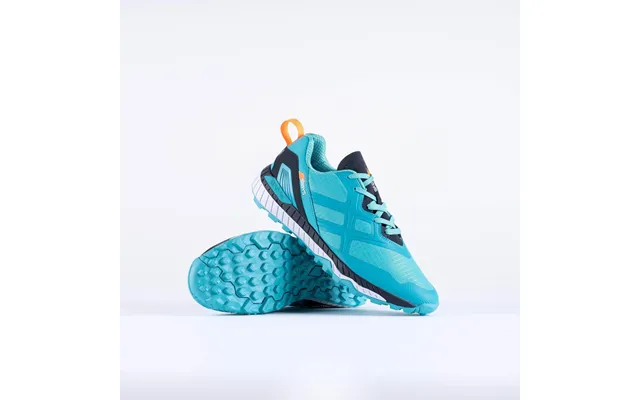
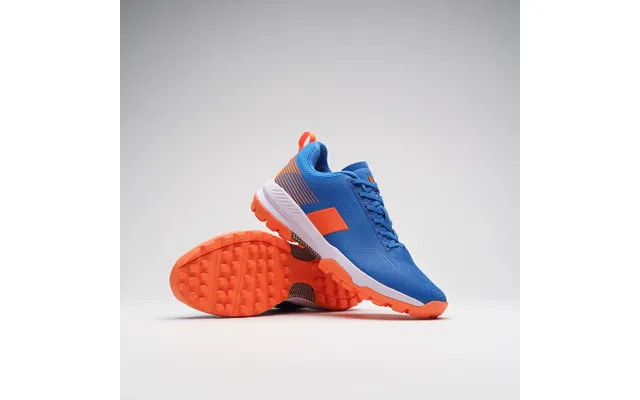
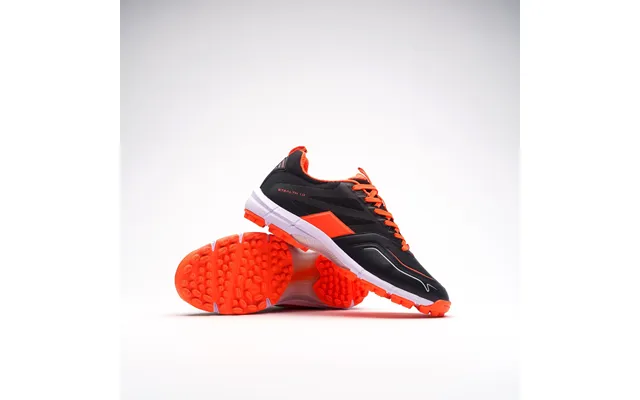
Turf shoes for field hockey need a low profile and good traction. Avoid tall soccer cleats; instead, choose shoes with studs or molded cleats designed for artificial turf to prevent slipping and ankle strain. Many players prefer shoes with firm midsoles and reinforced toe boxes because they offer protection when tackling and running across abrasive surfaces.
Lacrosse equipment centers around the stick, protective padding, and a quality helmet. Choices here vary by position—attackers, midfielders, and defenders often prefer different head shapes and shaft lengths.
A lacrosse stick is a combination of a head and shaft. Head sizes and pocket depths vary by position: attack heads are usually narrower for quick ball control, while defense heads are wider for greater interception. Shaft materials range from aluminum to composite; aluminum shafts are lighter on the wallet, while composite shafts offer better stiffness and vibration dampening. Typical shaft lengths for men’s play are around 40 to 72 inches—attackers use shorter shafts, defenders prefer longer ones. Women’s lacrosse sticks are shorter and regulations differ, so check league rules.
Lacrosse protective gear includes helmets, gloves, shoulder pads, elbow pads, and sometimes rib pads. Helmets must fit snugly and meet safety standards; padding compresses over time, so replace helmets after any significant impact. Gloves come in different lengths—longer cuffs give wrist protection but can reduce mobility. Shoulder and elbow pads should feel secure without restricting your range of motion; if you’re new, try on several sets to find a comfortable balance.
Some protective items overlap, especially on the basics like mouthguards and shin protection. These small items often make the biggest difference in preventing common sports injuries.
Mouthguards are non-negotiable for lacrosse and highly recommended in field hockey. Boil-and-bite guards offer customization at home, while custom-molded guards provide the best fit. Goggles or protective eyewear are mandatory in many youth field hockey leagues; they shield eyes from accidental sticks and stray balls. Comfort and breathability matter—if a guard is uncomfortably bulky, you’re less likely to wear it consistently.
Shin guards for field hockey are often lighter and longer than soccer versions, covering a larger portion of the shin to protect against stick and ball impacts. Ankle supports or low-profile braces can help players recover from or prevent sprains; choose breathable designs that fit comfortably inside turf shoes or cleats.
Training aids speed up improvement. The right practice gear helps you focus on fundamentals like passing, shooting accuracy, and stick control without needing a partner every time.
Rebounders are a staple for solo practice; they return passes at various angles, simulating real-game ball movement. Portable nets are useful for shooting practice and can double as targets for accuracy drills. Look for durable frames and weather-resistant netting if you plan to practice outdoors frequently.
Speed and footwork matter in both sports. Agility ladders and cones help sharpen quick feet and directional changes, while resistance bands improve strength and explosive movement. Combine these tools into short, sharp sessions—ten to twenty minutes focused on explosive work can make you noticeably quicker on the field.
Small extras and maintenance products keep your gear performing at its best. These items are inexpensive relative to sticks and helmets but extend life and comfort significantly.
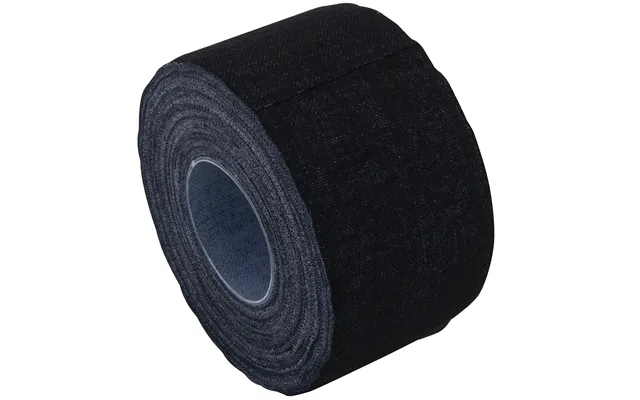
Grip tape improves control and comfort on both hockey and lacrosse sticks. Overgrips can be replaced cheaply and frequently to maintain tackiness, especially in humid or rainy conditions. Some players prefer thinner grips for feedback, while others like cushioned grips to reduce vibration after hard shots.
A sturdy bag makes transport easy and protects your gear. Look for bags with ventilated compartments for boots and separate pockets for helmets and balls. For lacrosse, keep spare mesh, strings, and screws handy; a simple stringing kit can save a practice session if a pocket breaks. Field hockey players should carry spare field cones, tape, and extra balls.
Choosing gear is about balancing skill, budget, and goals. Your needs will change as you improve, so buy strategically rather than just going for the cheapest or most expensive option.
Beginners should prioritize comfort and durability over cutting-edge tech. A well-made mid-range stick and solid protective gear will do. Intermediate players can start experimenting with specialized heads, lighter shafts, and performance shoes. Advanced players often opt for top-tier composite materials and custom-fit protective equipment. Ask yourself: do I need more power, better control, or lighter weight? That answer directs your choices.
Create a priority list: essentials, then nice-to-haves. Spend on items that affect safety and core performance first—helmet, gloves, and a solid stick—then consider upgrades like a lighter shaft or advanced shoes. Comparison shopping and seasonal sales can cut costs significantly; bundling items such as sticks with protective kits often yields the best savings.
Smart shoppers compare prices across sellers and hunt for seasonal discounts. Using a comparison site helps you see current offers from multiple retailers, compare specifications, and find the best value. Look out for bundle deals that include balls, grips, and bags — these can shave off a good chunk of cost.
Comparison tools aggregate prices, user reviews, and availability so you can make side-by-side decisions quickly. Filter results by key specs like stick weight, shaft material, or helmet certification to narrow down options. Reading verified customer reviews can also highlight fit issues or hidden benefits you won’t see in product descriptions.
Buy off-season to save: winter is often cheaper for field hockey and lacrosse gear when demand dips. Back-to-school and holiday weekends also bring discounts. Keep an eye out for last season’s models—manufacturers often release updated versions, which drops the price of still-excellent older models.
Trying before buying is ideal, but online purchases are common. Use size charts, measure with a tape, and check return policies before you commit. When you try equipment, simulate movement: run, pivot, stick-handle, and take a few practice shots to feel how gear impacts your play.
Fit is more than static comfort—gear must move with you. A helmet should remain stable when you shake your head; gloves should let you flex fingers fully. Shoes should snugly hold the heel while leaving room in front for toe movement. When in doubt, size up in shoes if between sizes or choose adjustable helmets and gloves that allow minor customizations.
Even with careful measuring, some items won’t fit or feel right. Check the return window and restocking fees before purchase. Keeping packaging and tags intact makes returns smoother. If you’re buying used or discounted goods, inspect for cracks in helmets, worn padding, and frayed stringing.
Small upgrades can change performance dramatically. Here are a few high-impact enhancements to consider once basics are covered.
Upgrading to a custom grip or adding damping tape reduces vibration and improves comfort, especially after heavy shots. It’s like adding a suspension system to a bike—sudden impacts feel softer and fatigue drops.
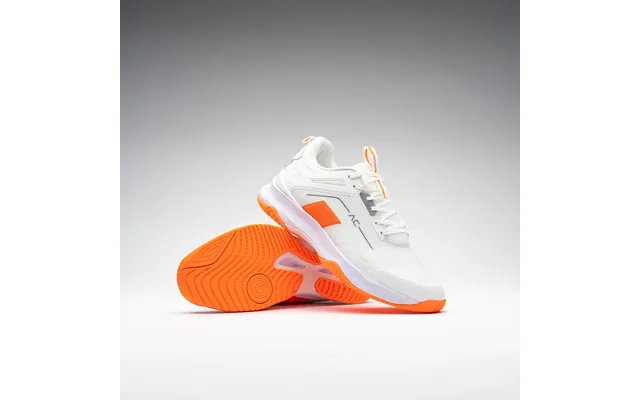
A premium pair of turf shoes gives better traction and comfort, while a performance head for lacrosse can sharpen accuracy and hold. These upgrades are especially noticeable in tight play and quick transitions.
Choosing the right field hockey and lacrosse equipment is a balance of safety, performance, and budget. Start with the essentials—stick, head, helmet, shoes—and upgrade strategically as your skill grows. Use comparison tools to find the best deals, prioritize fit when buying, and carry a few spare parts to avoid practice interruptions. With the right gear, your game will feel sharper, safer, and more fun.
Remember: gear can make you better, but practice makes you unstoppable. Treat your equipment like a teammate, maintain it regularly, and it will reward you on match day.